
01
Finalize your design
Sizes, materials, finishes, and artwork are locked in. You review the proof carefully and approve when every detail matches your brief.
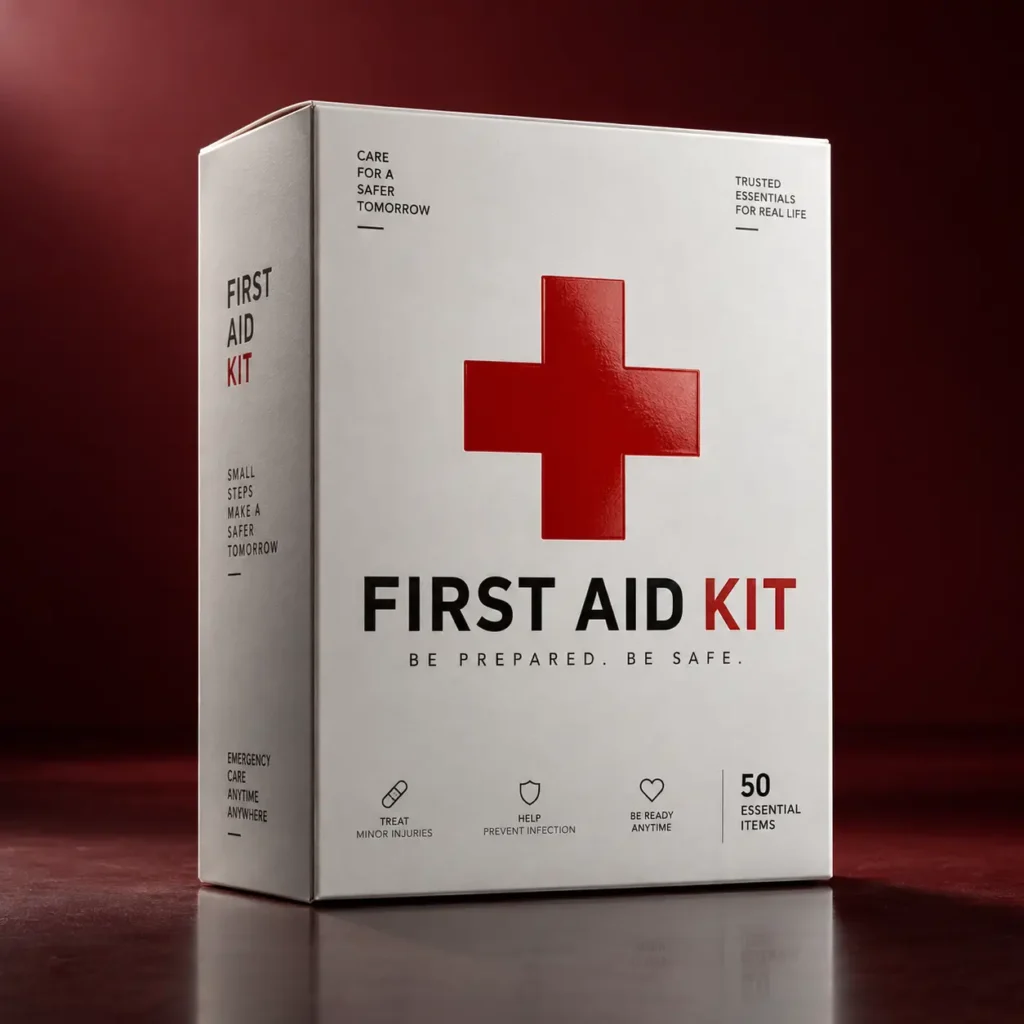
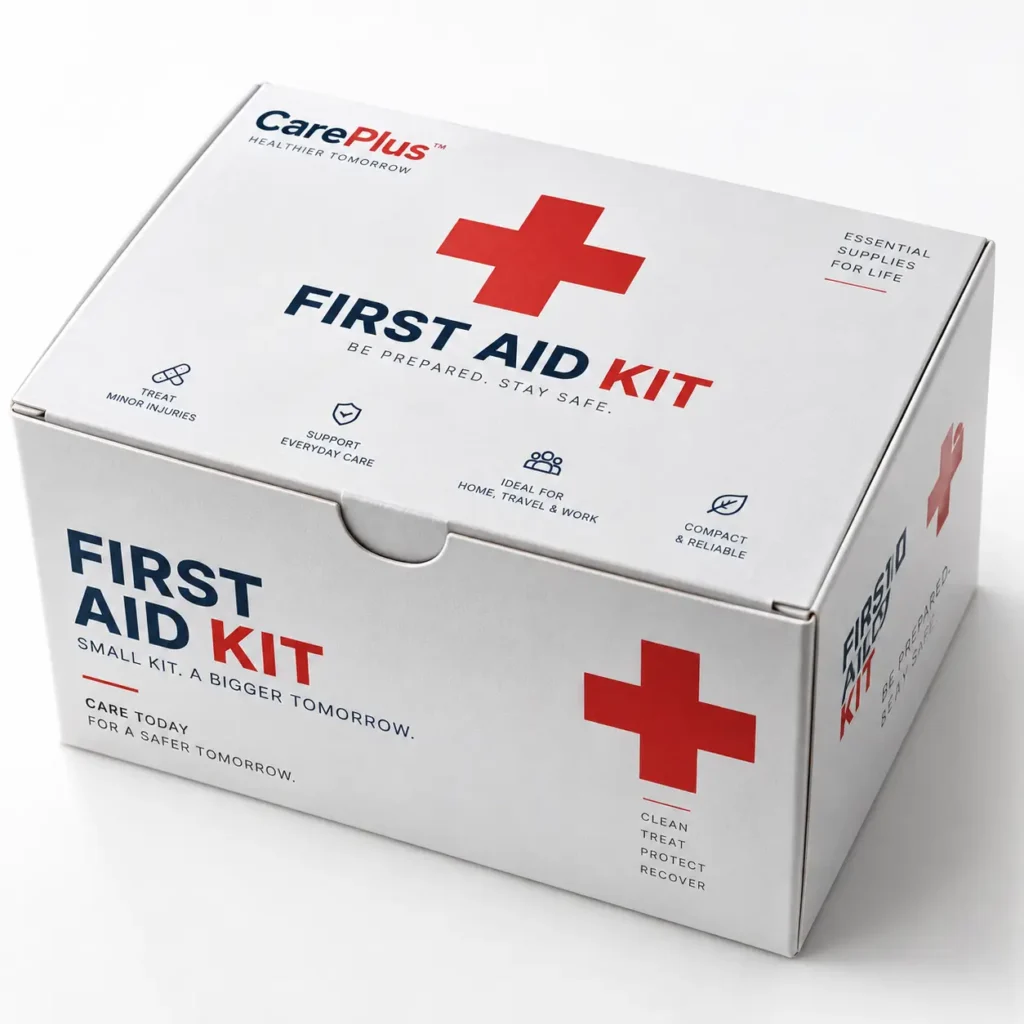
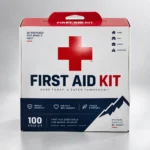
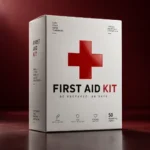
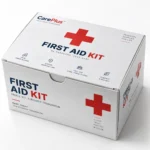
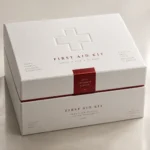
A forklift driver slices a finger, and a coworker grabs the kit from the breakroom wall. In that moment, first aid kit boxes either point straight to the bandages, gauze, and gloves, or leave someone digging through a jumble of loose wrappers while the bleeding continues.
The Packaging Masters builds compartment kit cartons with labeled zones, durable board, and panels for contents lists and refill details. They hold everything from antibiotic ointment tubes to small device components in a clear, organized layout.
What Makes Us Different?

From approval to doorstep — handled end to end.
Every order runs through four specialist teams — structural design, print, finishing, and dispatch — so your packaging keeps moving without bottlenecks, delays, or guesswork.
Sizes, materials, finishes, and artwork are locked in. You review the proof carefully and approve when every detail matches your brief.
Your job moves to print, cutting, lamination, and finishing. Our production team monitors color, registration, and structural accuracy.
Finished boxes are checked against the approved sample, counted, and securely packed to protect edges and print during transit.
Dispatch shares tracking details so your team can plan filling and launch dates. Your packaging arrives press-ready and production-ready.
Most kit failures happen long before an injury. A cheap carton without dividers lets supplies shift, so adhesive bandages end up under the cold pack and gloves get buried at the bottom. When someone finally needs help, the responder wastes precious seconds searching instead of treating.
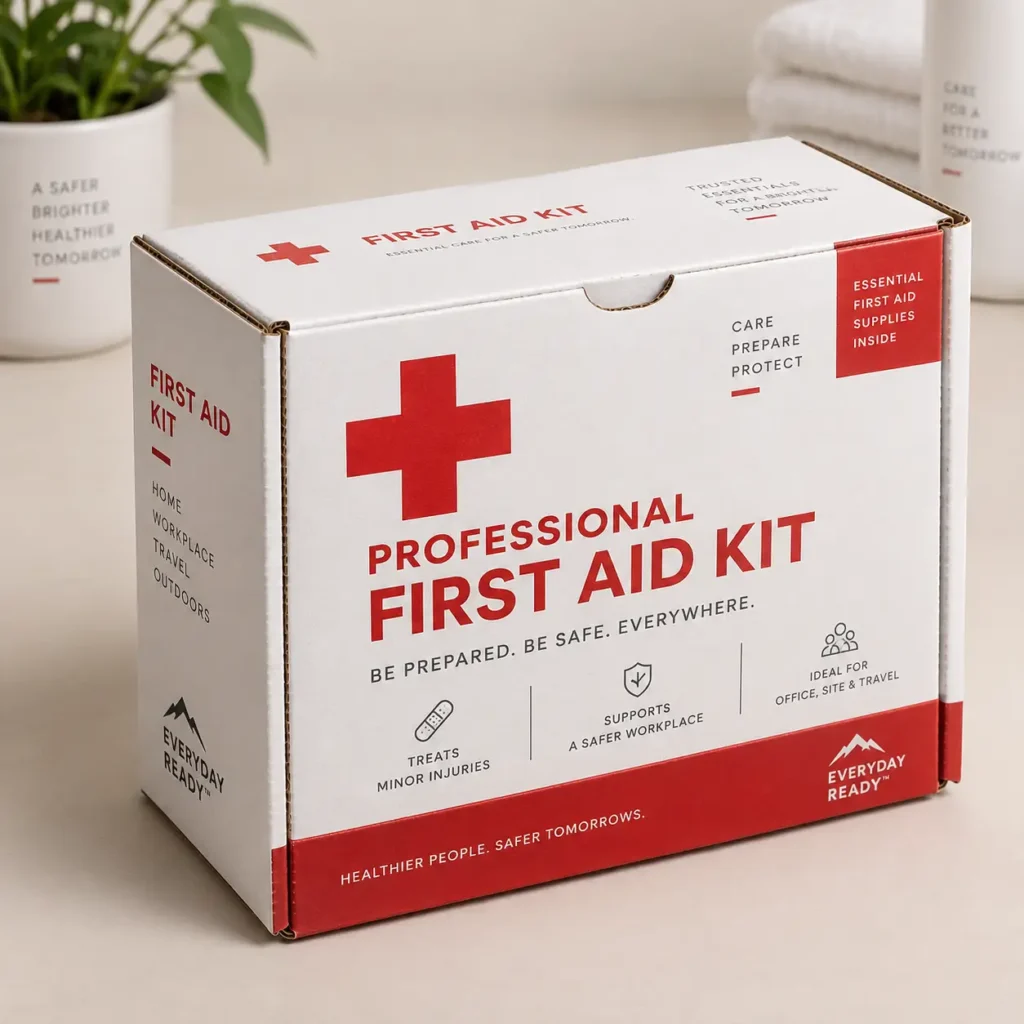
Environment causes the rest. Kits stored in trucks, boats, or garden sheds face heat, humidity, and constant vibration. Thin paperboard softens, flaps tear, and printed contents lists fade. Heavy-duty site kits often need corrugated structures like our medical equipment boxes, while single-use antiseptic wipes and burn gels benefit from protective formats like our sachet and pouch cartons.
Well-designed first aid kit boxes use die-cut compartments, clear category labels, and board matched to where the kit will live. A printed contents list inside the lid also makes restocking simple, so the kit stays complete after every use rather than slowly emptying over months.
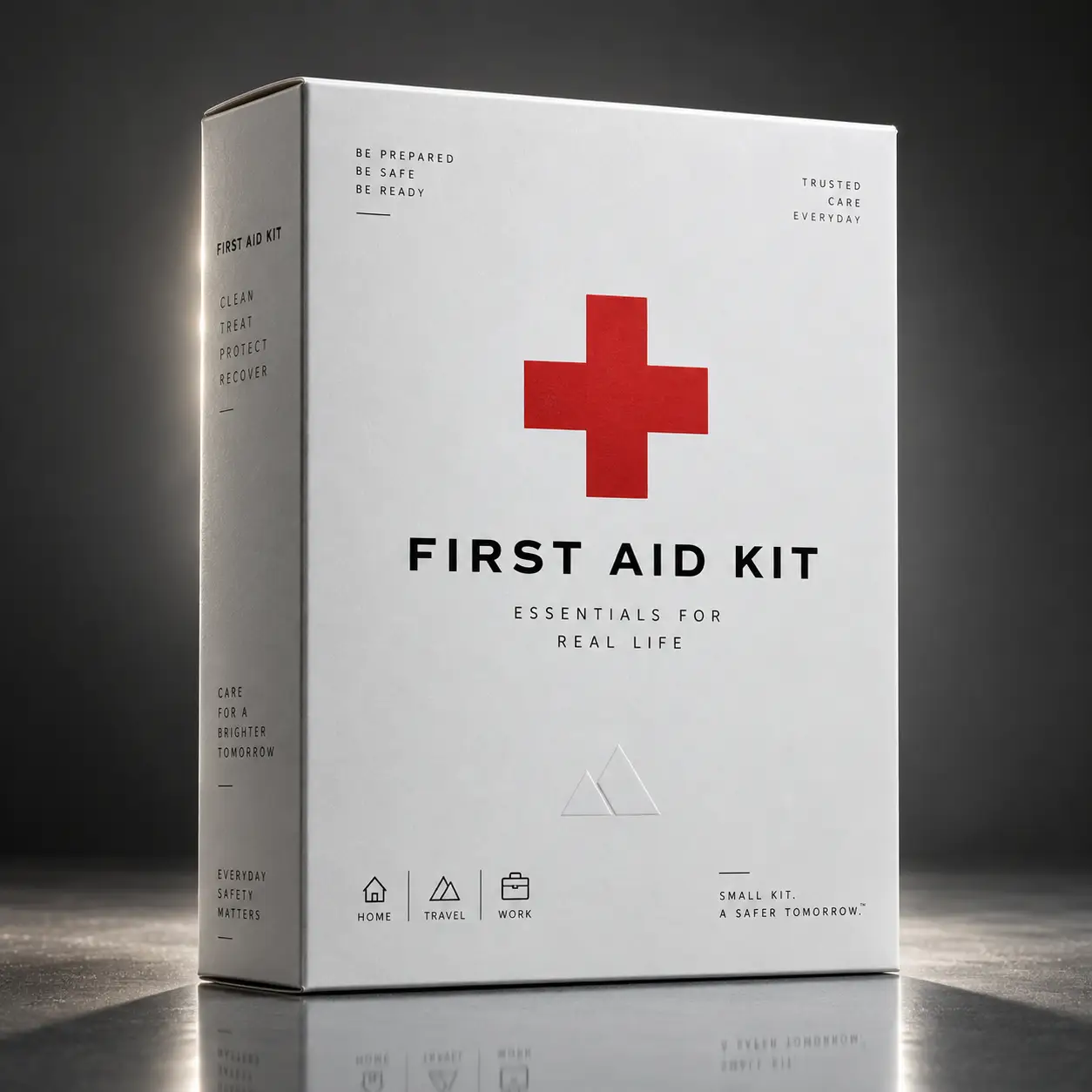
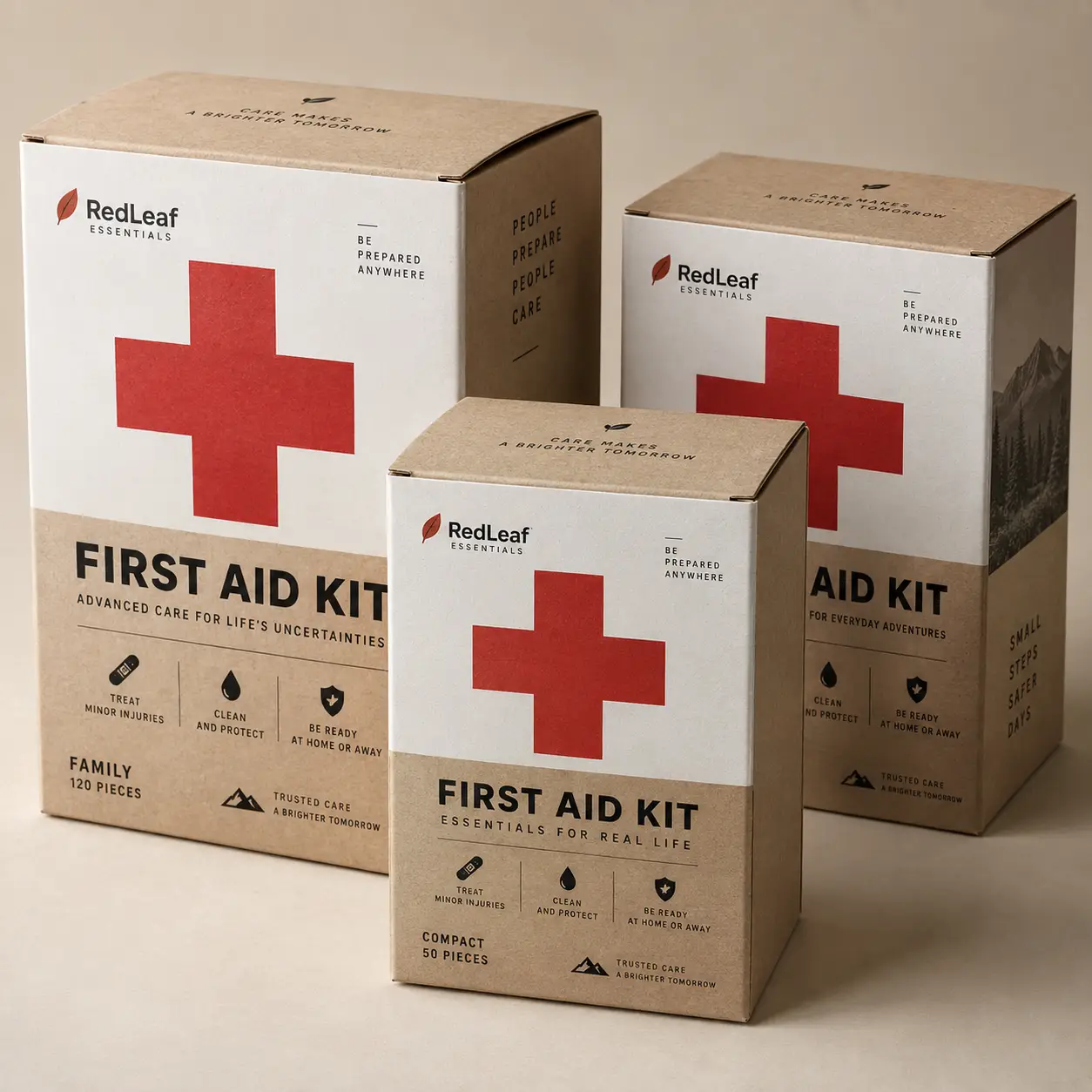
Many US workplace kits are assembled to the ANSI/ISEA Z308.1 standard, which defines Class A kits for common injuries and Class B kits with broader supplies for higher-risk sites. The standard governs contents, not the box itself, but your packaging must hold every required item neatly and have room for the class statement and contents list.
| Kit Type | Packaging Focus |
|---|---|
| Class A workplace kit | Compact compartments for everyday injuries |
| Class B workplace kit | Larger cavities for splints, tourniquets, and more |
| Vehicle and travel kit | Heat and moisture-resistant board, secure closure |
| Promotional or retail kit | Bold branding with a clean, giftable look |
Individual supplies often ship in their own small cartons, similar to our tuck end medicine boxes, which slot neatly into kit compartments and make refills easy to identify. The kit assembler is responsible for confirming contents meet any claimed standard, so check details with your safety or compliance adviser.
Safety distributors sell branded workplace kits to factories, warehouses, and offices. Schools and daycares need kits for classrooms, buses, and field trips. Sports teams and gyms keep sideline kits with cold packs and athletic tape. Outdoor brands sell hiking and camping kits that must stay compact and light.
Corporate gifting is a growing niche, with logo-printed kits handed out at safety weeks and trade shows. Animal clinics and pet brands also sell pet first aid kits, often packaged alongside cartons like our veterinary medicine boxes. Each use case needs a different balance of durability, size, and presentation.
Tell us your kit contents, target users, and quantity. We will recommend a box style, compartment layout, and board, then send a digital proof within 24 hours. Request your quote today and launch first aid kit boxes that help people find what they need in seconds.
Start Your Quote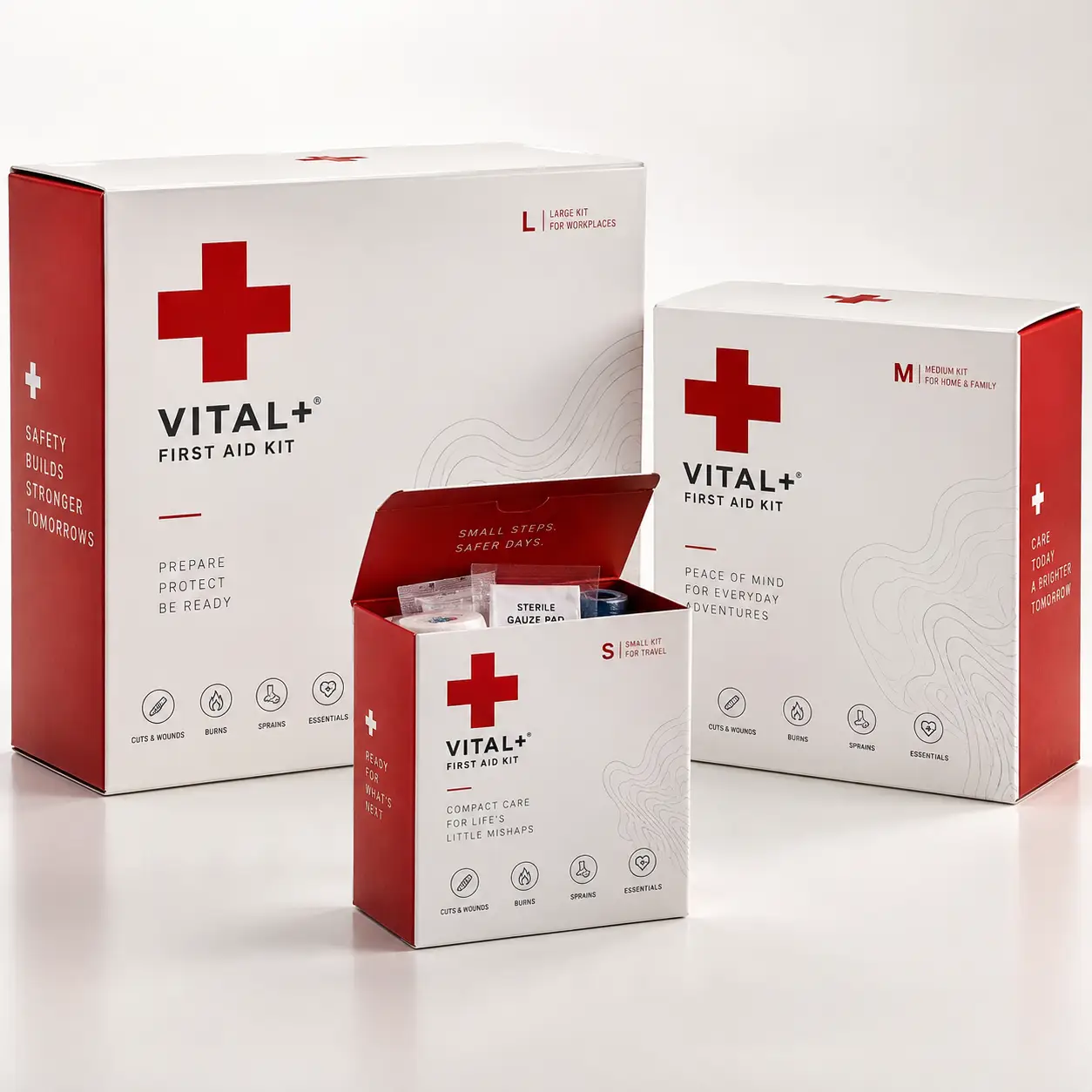
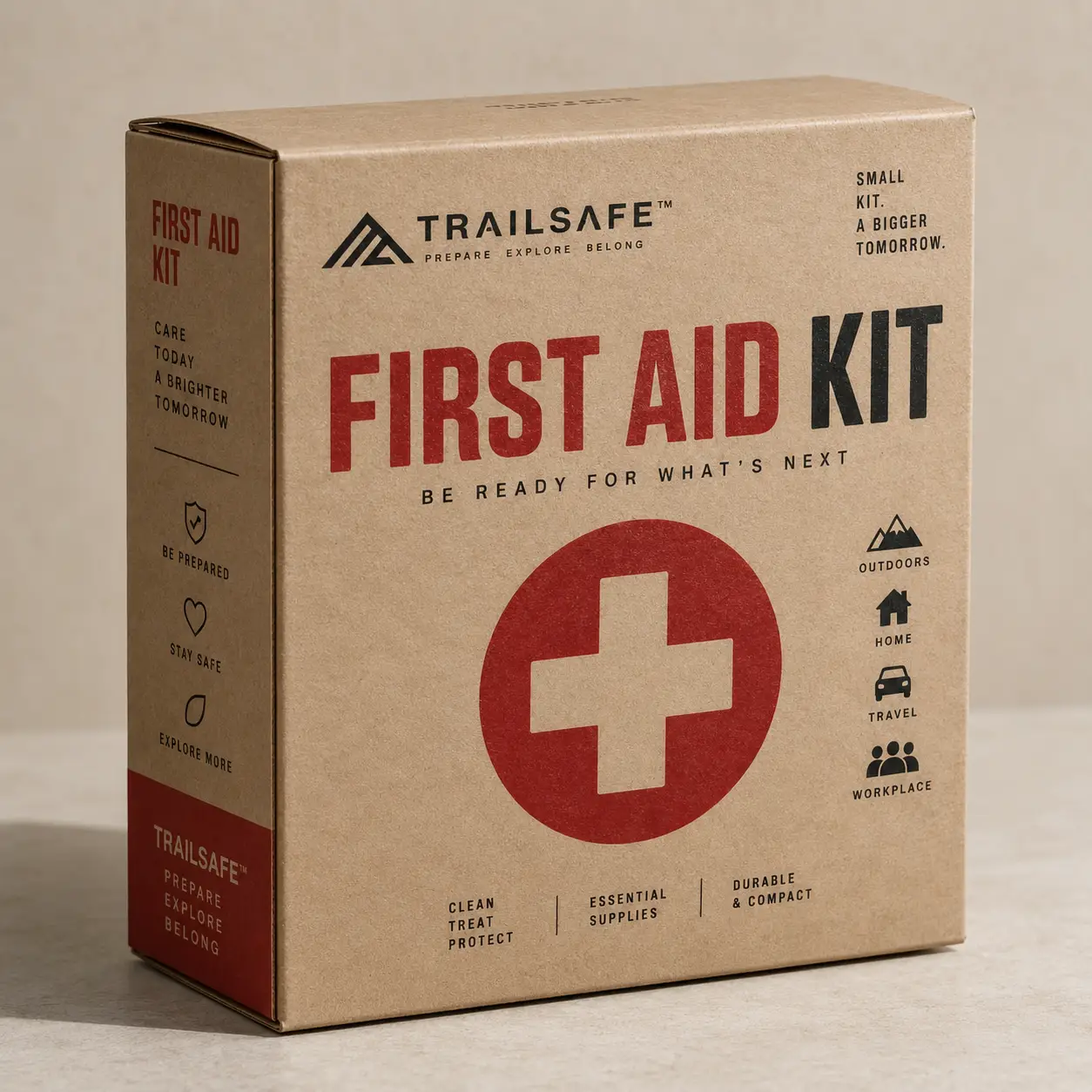
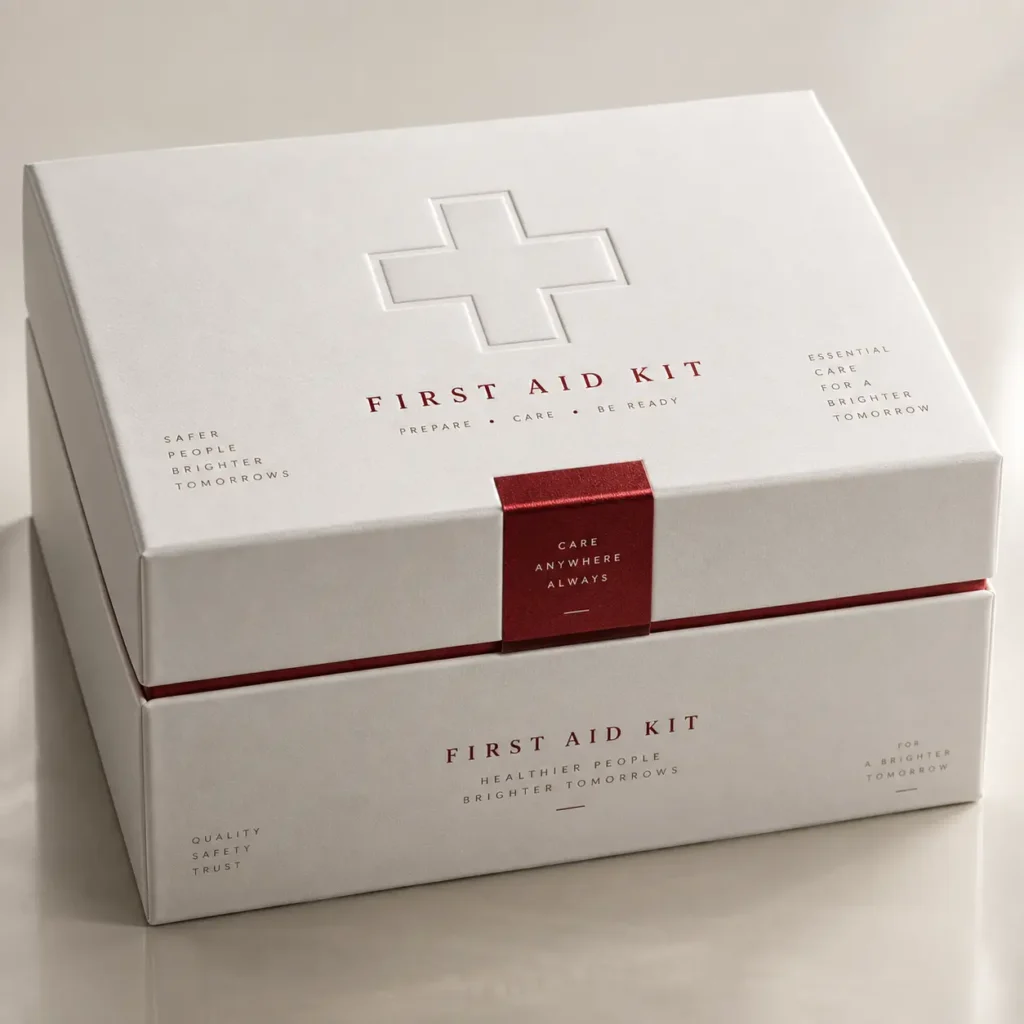
Popular styles include hinged lid boxes that open flat on a table, two-piece rigid boxes for premium kits, and sleeve and tray designs that slide open like a drawer. Wall-mount kits benefit from a hang slot on the back panel. High-contrast colors, such as white crosses on red or green, help people spot the kit quickly in a crowded room.
Paperboard dividers can replace plastic trays for a lighter, more recyclable kit that still keeps supplies organized. Recycled and FSC board options are explained in our eco friendly pharma cartons. Aqueous coatings add scuff resistance without film lamination.
Every order of first aid kit boxes includes free design support, custom sizes, and quality checks on compartment fit, closure strength, and print accuracy. Request a free sample from The Packaging Masters, load it with your full contents, and time how fast a new user can find the gauze.
First aid kit boxes are usually made from SBS paperboard for retail kits, corrugated board for heavy workplace kits, or rigid chipboard for premium and gift kits. Paperboard dividers organize contents. We choose the board based on kit weight and where it will be stored.
Yes, the carton can print the kit class and contents list, but the claim depends on what goes inside. ANSI/ISEA Z308.1 governs contents, so the kit assembler must confirm every required item is included before printing that statement on the box.
Yes. Travel and pocket first aid kits sell very well near pharmacy and convenience store checkouts. Our counter display pharma boxes show compact displays, and we can size your kit carton so several fit neatly, stay upright, and face shoppers directly at checkout.
Yes. Travel-size sanitizer bottles are common and practical kit add-ons. Our hand sanitizer bottle boxes explain bottle packaging in detail, and we create a dedicated, snug compartment so the bottle stays upright and cannot leak onto bandages, gauze, or printed instructions.
Yes. Some workplace and travel kits include rapid tests alongside first aid supplies. Our diagnostic kit packaging boxes show insert designs for test components, and we can combine both into one well-organized, clearly labeled carton that is easy to restock.
Vehicle kits need a secure closure, moisture-resistant coating, and sturdy board that handles heat and vibration. Corrugated or rigid boxes with a snug lid work well. Avoid loose tuck flaps, which can pop open when the kit slides around in a trunk.
Custom kit boxes start around $0.85 per unit at volume. Pricing depends on size, board, compartments, printing, closure style, and quantity. Rigid and multi-cavity designs cost somewhat more. We send detailed wholesale quotes within 24 hours, with lower pricing at larger quantities.
Printed kit boxes usually ship in about 12 to 16 business days after proof approval. Rigid boxes and complex inserts may take longer. Rush options are available, and we confirm your full timeline in the quote, including delivery to your facility or kit assembler.
Instead of generic stock boxes, every project starts with your product, your goals, and your customer experience — so the packaging protects in transit and still feels premium in hand.
Built to your product, not pulled from a shelf of ready-made sizes.
Strong structures, neat edges, and finishes that actually sell.
Businesses and individuals can order — start with a small run and scale when you’re ready.
4–5 business days production after proof approval — you always know what’s next.
Copyright © 2026 thepackagingmasters.com All rights reserved.