
01
Finalize your design
Sizes, materials, finishes, and artwork are locked in. You review the proof carefully and approve when every detail matches your brief.
What happens when someone opens a home test at midnight and cannot find the swab? Diagnostic kit packaging boxes decide whether a test is run correctly, because every cassette, buffer vial, and instruction sheet has to appear in the right order, in the right place, every time.
The Packaging Masters designs test kit cartons with pack-out sequenced inserts and clear zones for barcodes and lot codes. They pair naturally with glucose test strip cartons and device secondary packaging across your diagnostics range.
What Makes Us Different?
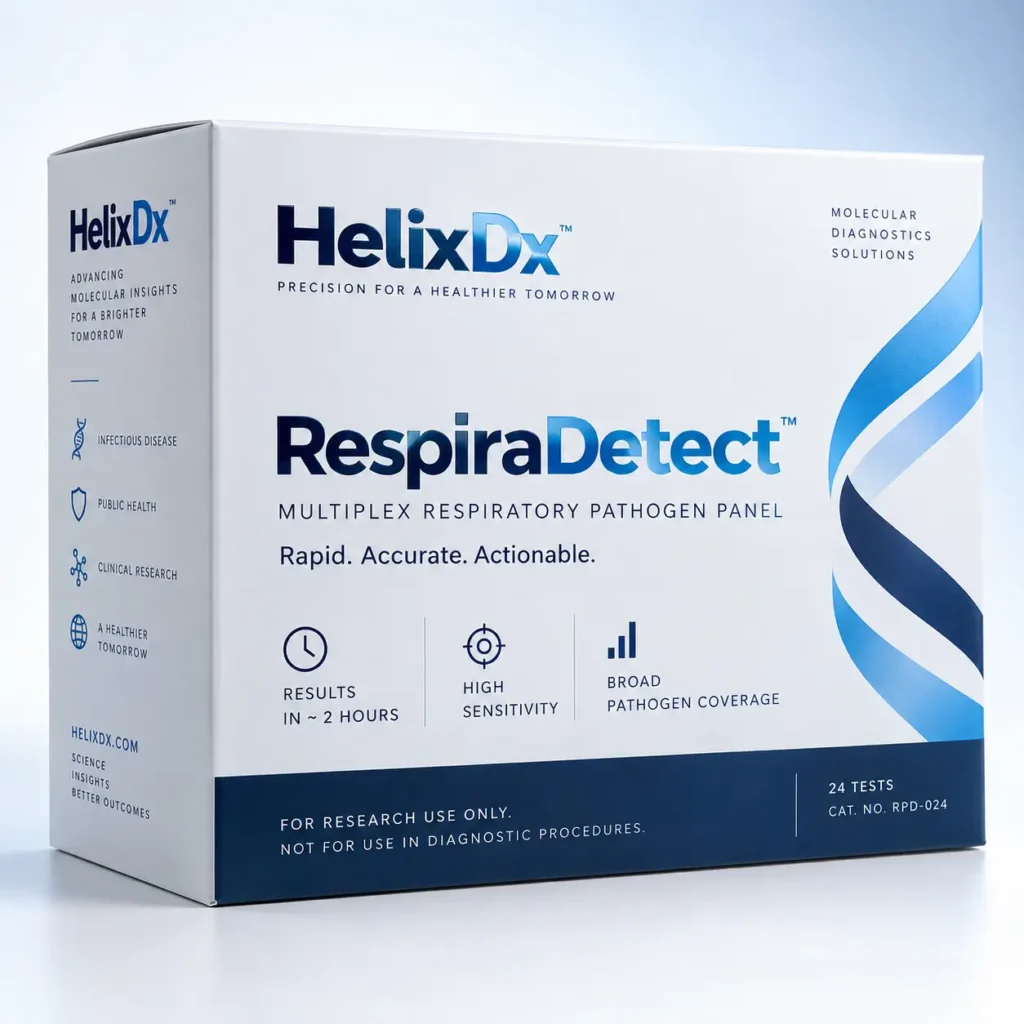
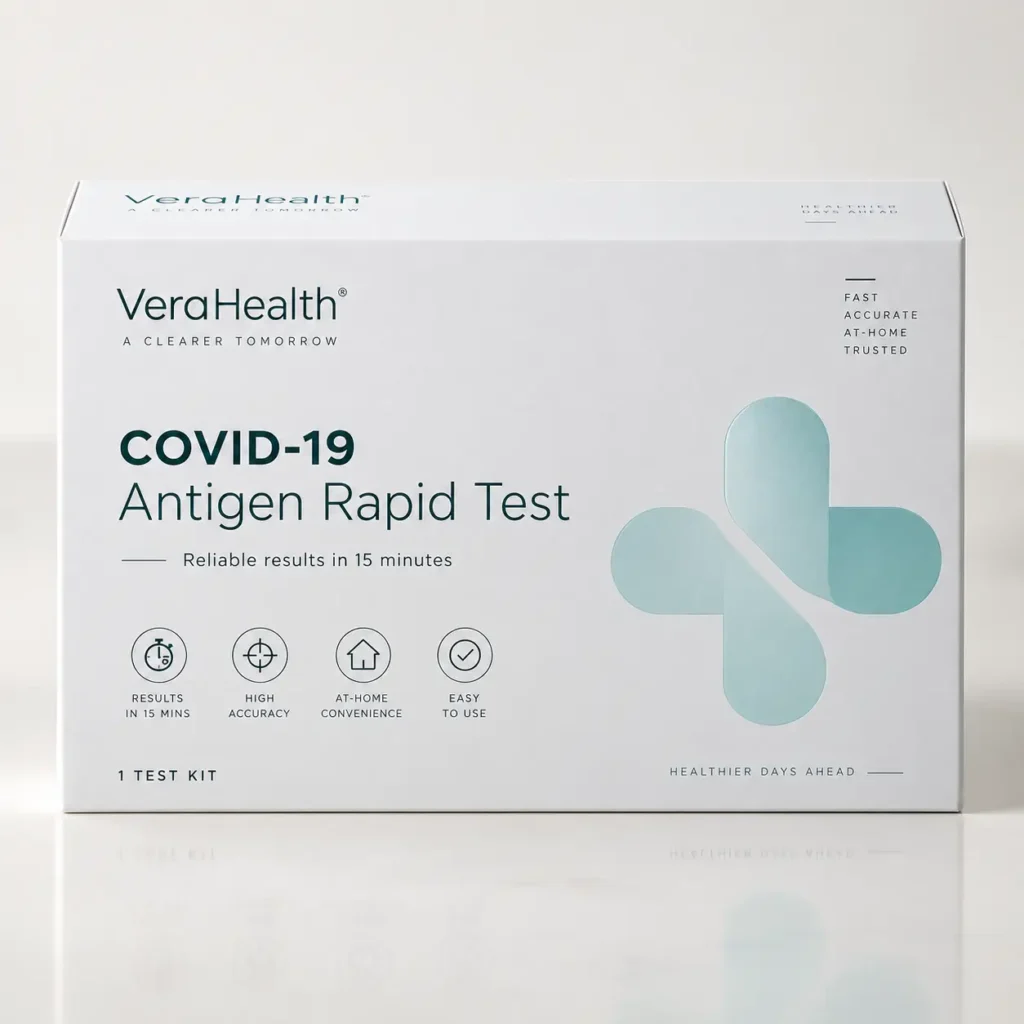
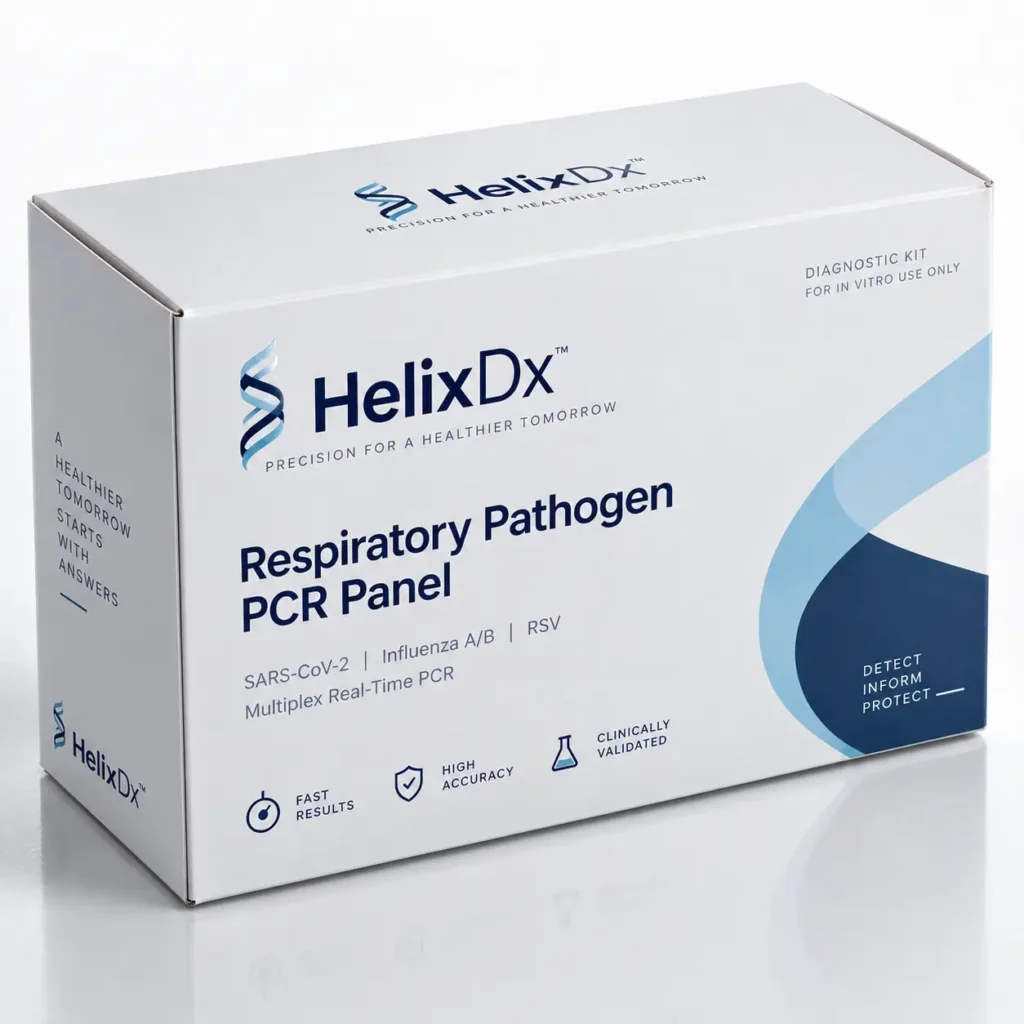

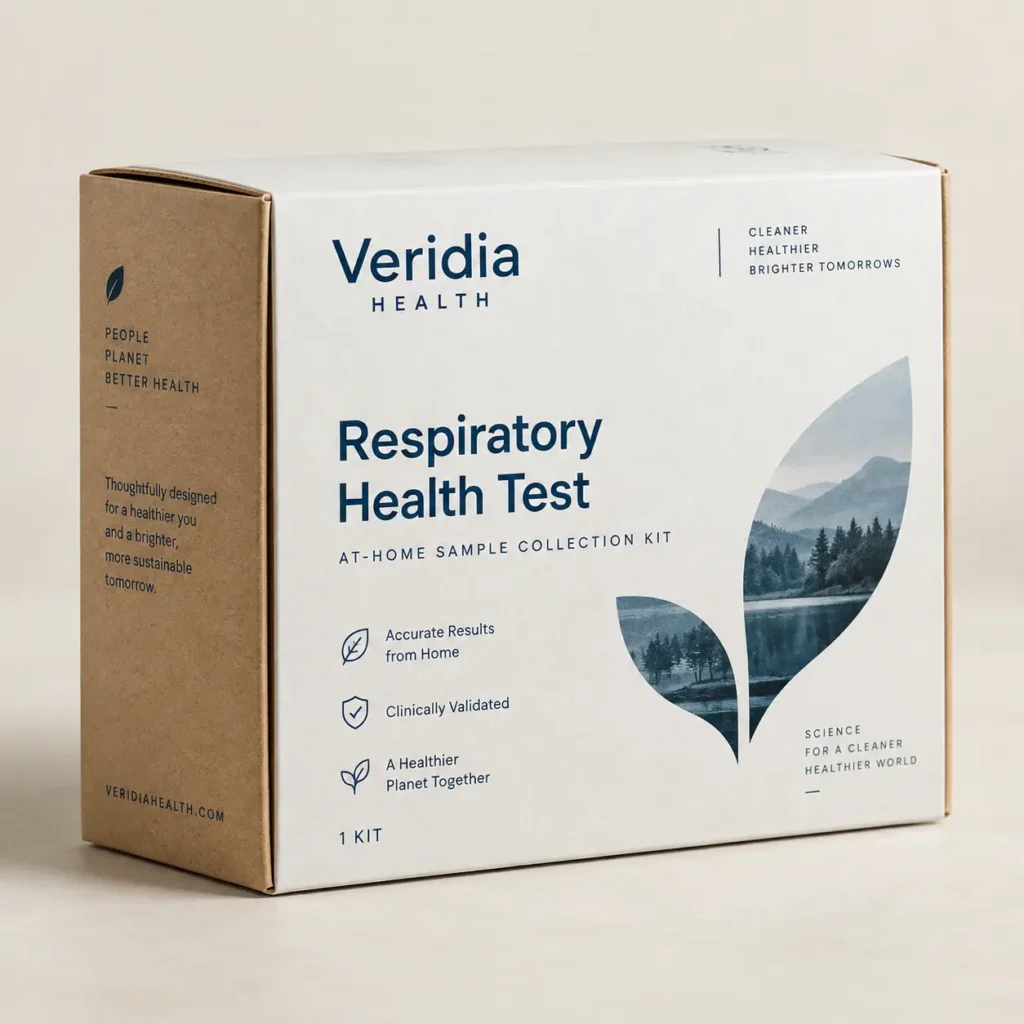


From approval to doorstep — handled end to end.
Every order runs through four specialist teams — structural design, print, finishing, and dispatch — so your packaging keeps moving without bottlenecks, delays, or guesswork.
Sizes, materials, finishes, and artwork are locked in. You review the proof carefully and approve when every detail matches your brief.
Your job moves to print, cutting, lamination, and finishing. Our production team monitors color, registration, and structural accuracy.
Finished boxes are checked against the approved sample, counted, and securely packed to protect edges and print during transit.
Dispatch shares tracking details so your team can plan filling and launch dates. Your packaging arrives press-ready and production-ready.
A rapid test only works if the user follows every step. When components rattle around in an empty carton, buffer vials leak, swabs bend, and instructions end up crumpled at the bottom. Users then improvise, and an invalid result or a wrong reading becomes far more likely.
Professional settings have their own frustrations. Clinic staff opening a 25-test box need to grab one cassette at a time without spilling the rest. Lab kits with calibrators and controls must keep each reagent upright and clearly labeled. Test cassettes usually sit in individual foil pouches with desiccant, so cartons must protect those pouches like the formats in our sachet and pouch cartons.
Well-built diagnostic kit packaging boxes solve this with die-cut inserts that hold each component in sequence, a document slot for the instructions for use, and a closure that stays shut in transit. A sealed carton also shows customers the kit has not been opened, which our tamper-evident pharma packaging options provide with seals or tear strips.
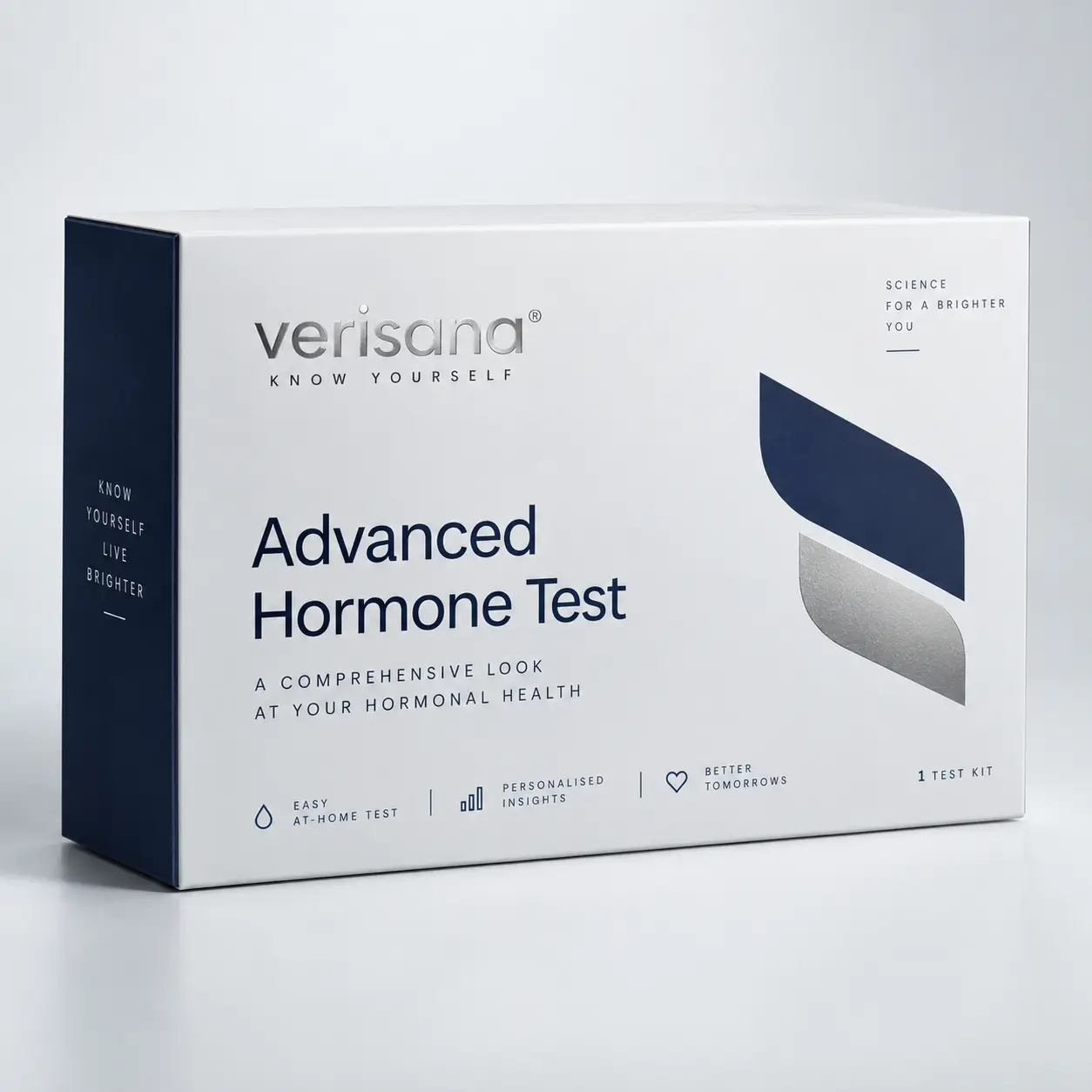
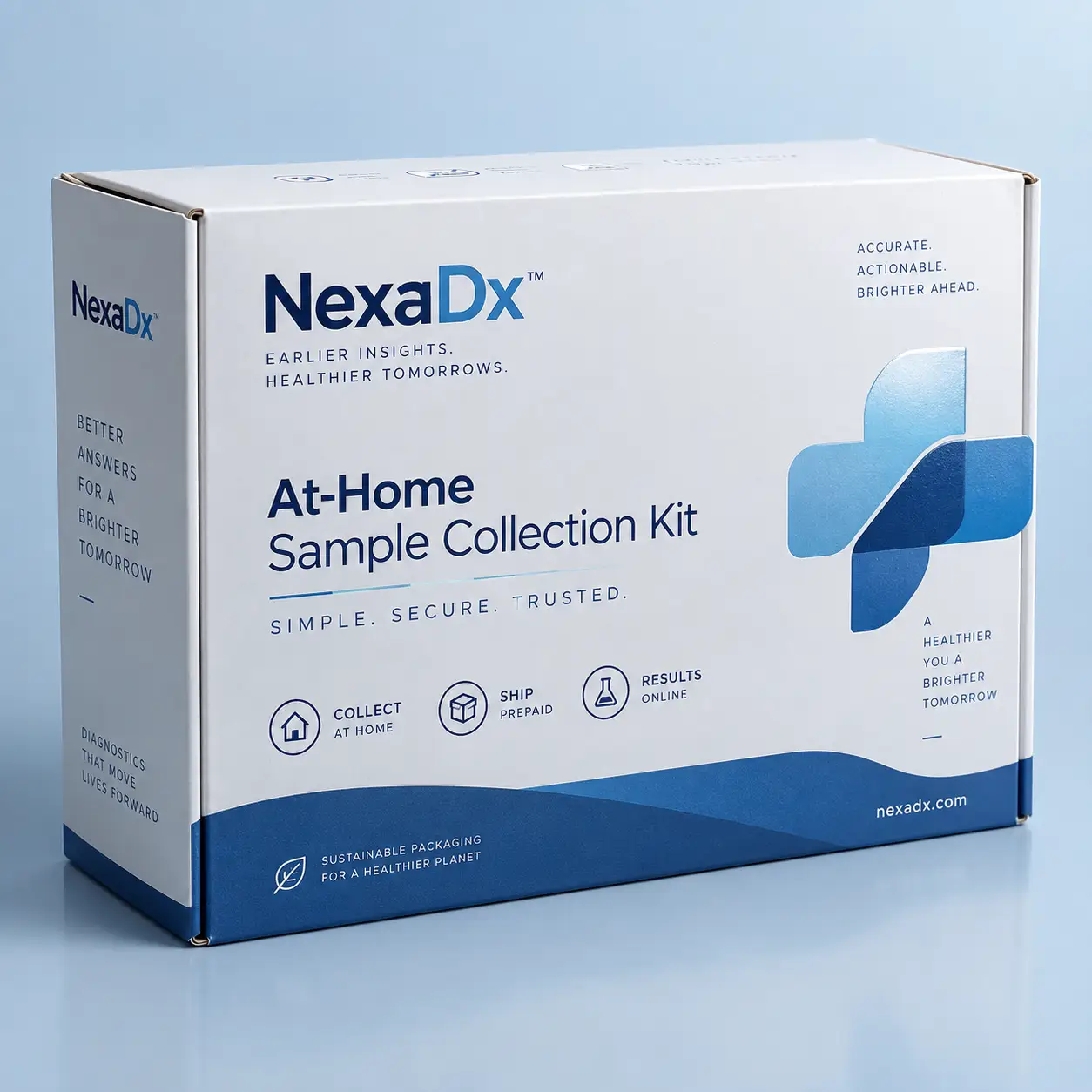
Many in vitro diagnostic products are regulated as medical devices, so cartons often need space for a Unique Device Identifier, lot number, expiry date, and storage temperature symbols. These codes print best on uncoated panels, and barcodes need quiet zones so scanners read them on the first try. Your regulatory team owns the label content, and we build the layout around it.
| Kit Type | Packaging Priority |
|---|---|
| Home rapid test | Simple visuals and step-numbered inserts |
| Professional point-of-care kit | Easy single-test dispensing for busy clinics |
| Sample-collection mail-back kit | Room for compliant specimen return packaging |
| Calibration and control kit | Upright reagent holders and clear identification |
Sample-collection kits shipped back to a lab usually follow specimen shipping rules, often requiring a leak-proof primary container, absorbent material, and a rigid outer package. Larger lab kits may also need corrugated outer shippers like our medical equipment shipping boxes. Confirm carrier and specimen rules with your compliance team before finalizing the kit.
In vitro diagnostic manufacturers use custom cartons for pregnancy tests, drug screens, respiratory panels, and cholesterol kits. Telehealth and direct-to-consumer lab companies ship collection kits for blood spots, saliva, and stool samples, then rely on clear packaging to get usable specimens back. Urgent care clinics and pharmacies stock multi-test boxes for professional use.
Research studies often combine sample collection with study medication, so diagnostic cartons sit alongside formats like our clinical trial packaging. Home tests benefit from large, numbered steps printed inside the lid, so users see instructions the moment they open the box. Simple icons for timing, sample collection, and result reading reduce errors further.
Tell us your components, kit counts, and quantity. We will design an insert layout and label zones, then send a digital proof within 24 hours. Request your quote today and launch diagnostic kit packaging boxes that help every user get a valid result.
Start Your Quote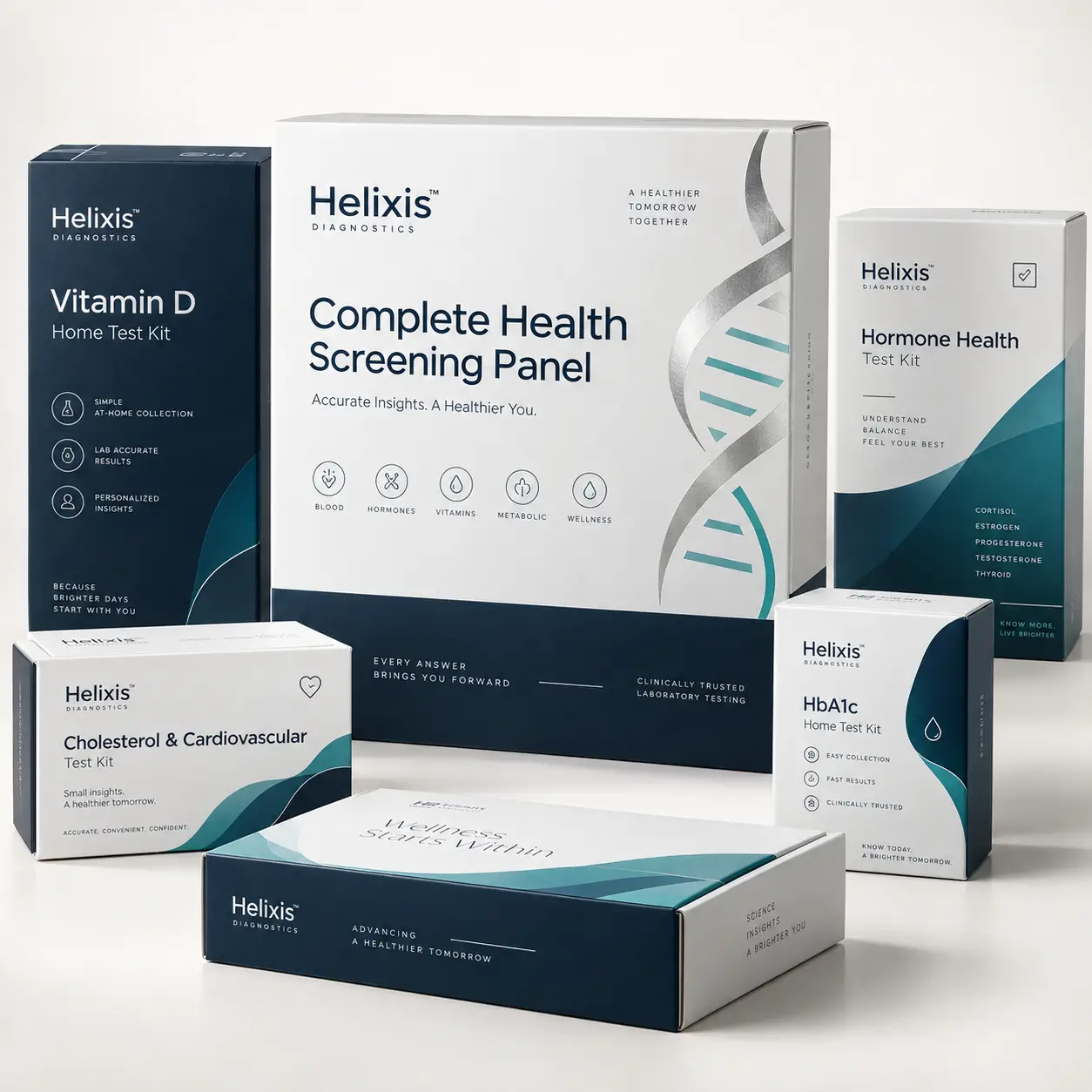
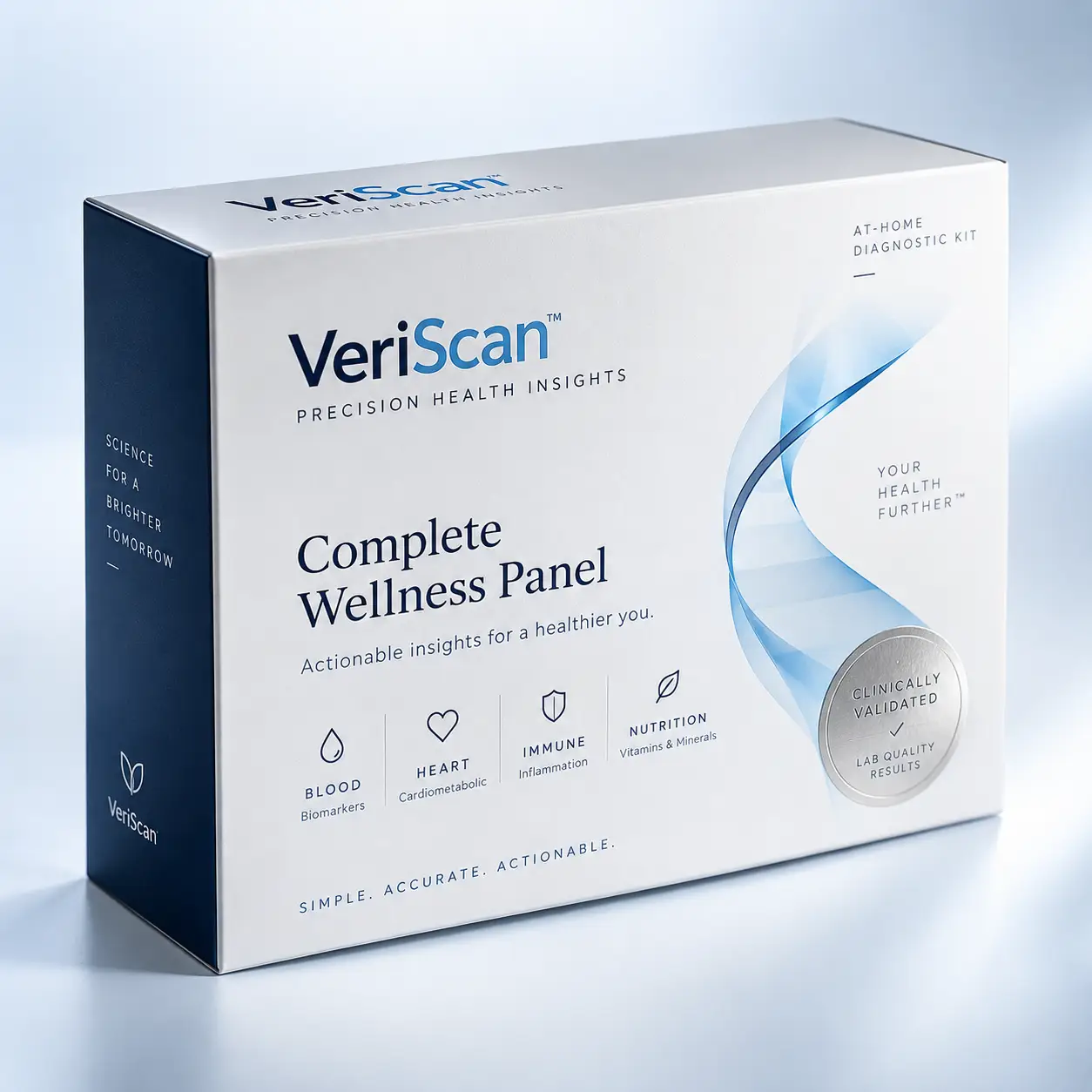
Paperboard inserts are lighter and easier to recycle than foam or plastic trays, and they can be die-cut to hold swabs, tubes, droppers, and pouches tightly. Sleeve and tray styles let users slide the kit open like a drawer, while tuck end cartons suit single tests. Printing inside the lid adds instructions without extra leaflets.
Brands moving away from plastic trays can choose recycled or FSC board, as explained in our eco friendly pharma cartons. Scuff-resistant aqueous coatings keep graphics clean through distribution without blocking code areas.
Every order of diagnostic kit packaging boxes includes free design support, custom sizes, and quality checks on insert fit, barcode legibility, and print accuracy. Request a free sample from The Packaging Masters, pack it with your real components, and ask a few first-time users to run the test before production. Watching where they hesitate shows exactly what to improve.
Diagnostic kit packaging boxes usually include a sturdy outer carton, a die-cut insert holding each component in use order, a slot for instructions for use, and clear panels for lot, expiry, storage symbols, and identification barcodes. Home kits also benefit from numbered steps printed inside the lid.
Yes. Die-cut paperboard inserts can hold buffer vials upright, keep swabs straight, and stack foil-pouched cassettes neatly. We design each cavity around your actual component dimensions and pack-out sequence, then confirm fit with physical samples before production starts, so nothing shifts during shipping.
Yes. Home tests often sell well near checkout. Our counter display pharma boxes show compact displays that hold several kits, and we can size your kit carton so it fits the display neatly and faces shoppers directly from the front of the display.
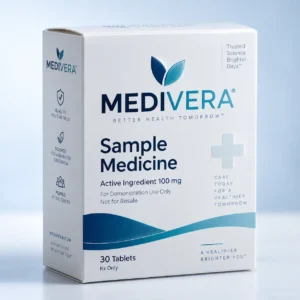
Yes. Sales teams and distributors often need demo or single-test sample packs. Our sample medicine boxes show compact formats that can match your full kit design while using a smaller insert and carton that costs less to produce and ship.
Single-test kits often use tuck end or crash lock cartons, which assemble quickly and close securely. Our auto lock pharmaceutical boxes explain the crash lock option. Multi-test clinic packs usually suit sleeve and tray or two-piece styles that open fully for easy access.
The kit manufacturer owns classification, label content, and regulatory compliance. We provide layouts with space for identification codes, symbols, and instructions, and we print exactly from your approved artwork. Your regulatory team should confirm requirements for each market before printing.
Custom test kit cartons start around $0.55 per unit at volume. Pricing depends on size, insert complexity, board, printing, and quantity. Multi-cavity inserts and printed lids add cost. We send detailed wholesale quotes within 24 hours, with lower pricing at larger quantities.
Test kit cartons usually ship in about 12 to 16 business days after proof and sample approval. Complex inserts may take longer. Rush options are available for urgent launches, and we confirm your full timeline in the quote, including delivery to your facility.
Instead of generic stock boxes, every project starts with your product, your goals, and your customer experience — so the packaging protects in transit and still feels premium in hand.
Built to your product, not pulled from a shelf of ready-made sizes.
Strong structures, neat edges, and finishes that actually sell.
Businesses and individuals can order — start with a small run and scale when you’re ready.
4–5 business days production after proof approval — you always know what’s next.
Copyright © 2026 thepackagingmasters.com All rights reserved.