
01
Finalize your design
Sizes, materials, finishes, and artwork are locked in. You review the proof carefully and approve when every detail matches your brief.
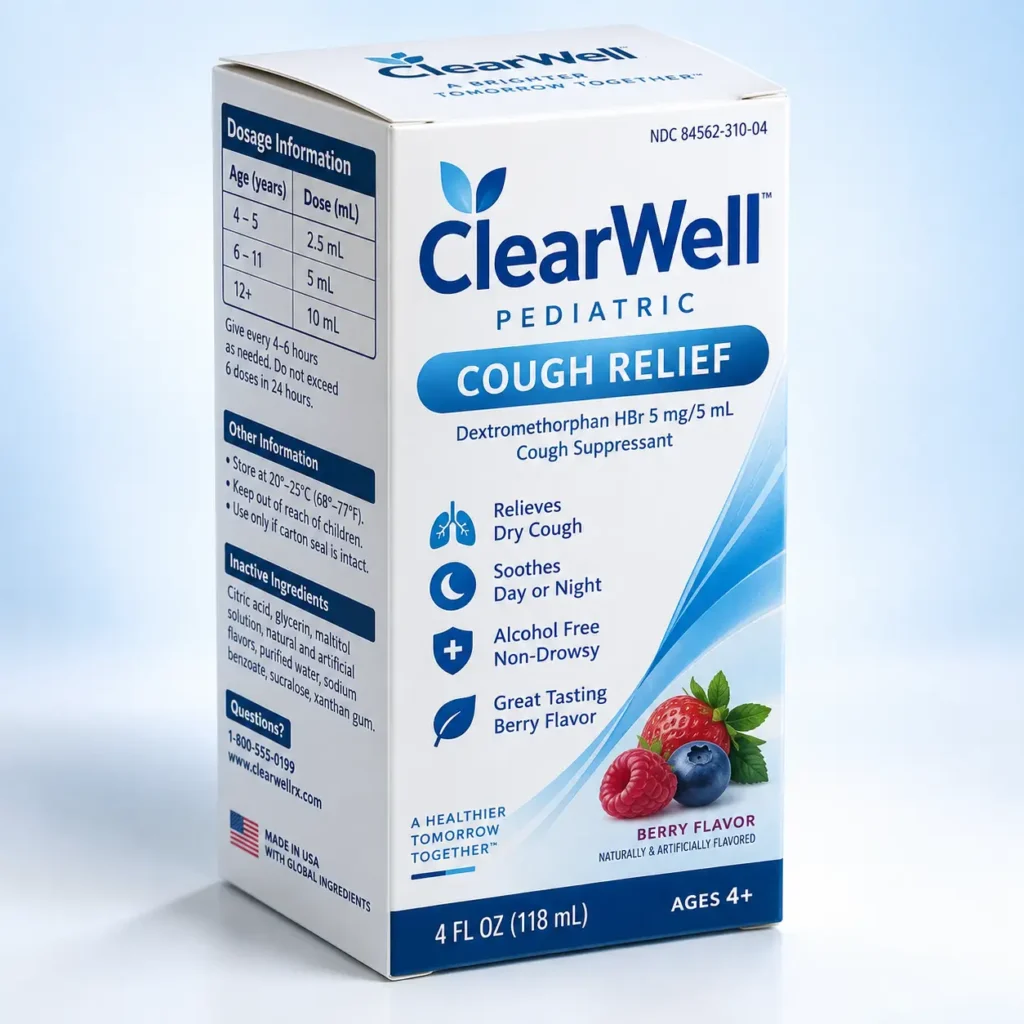
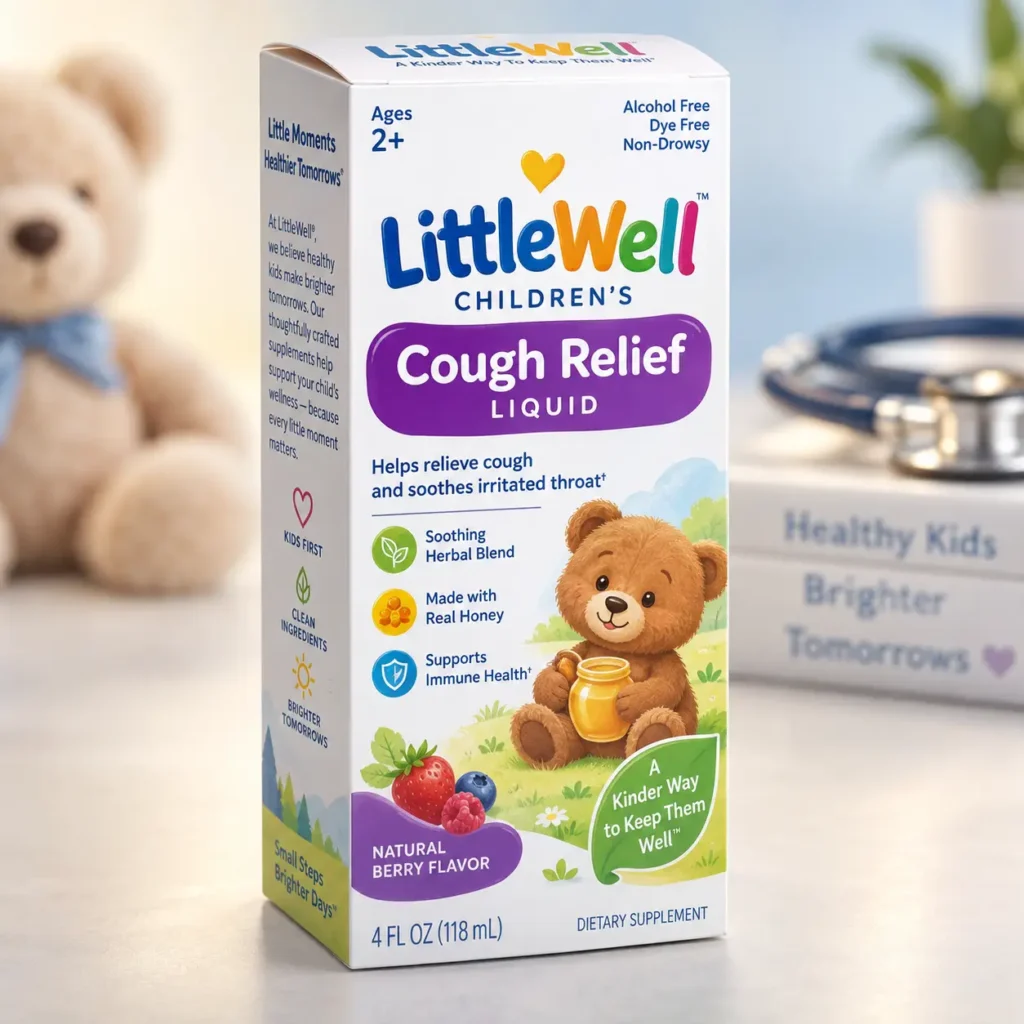
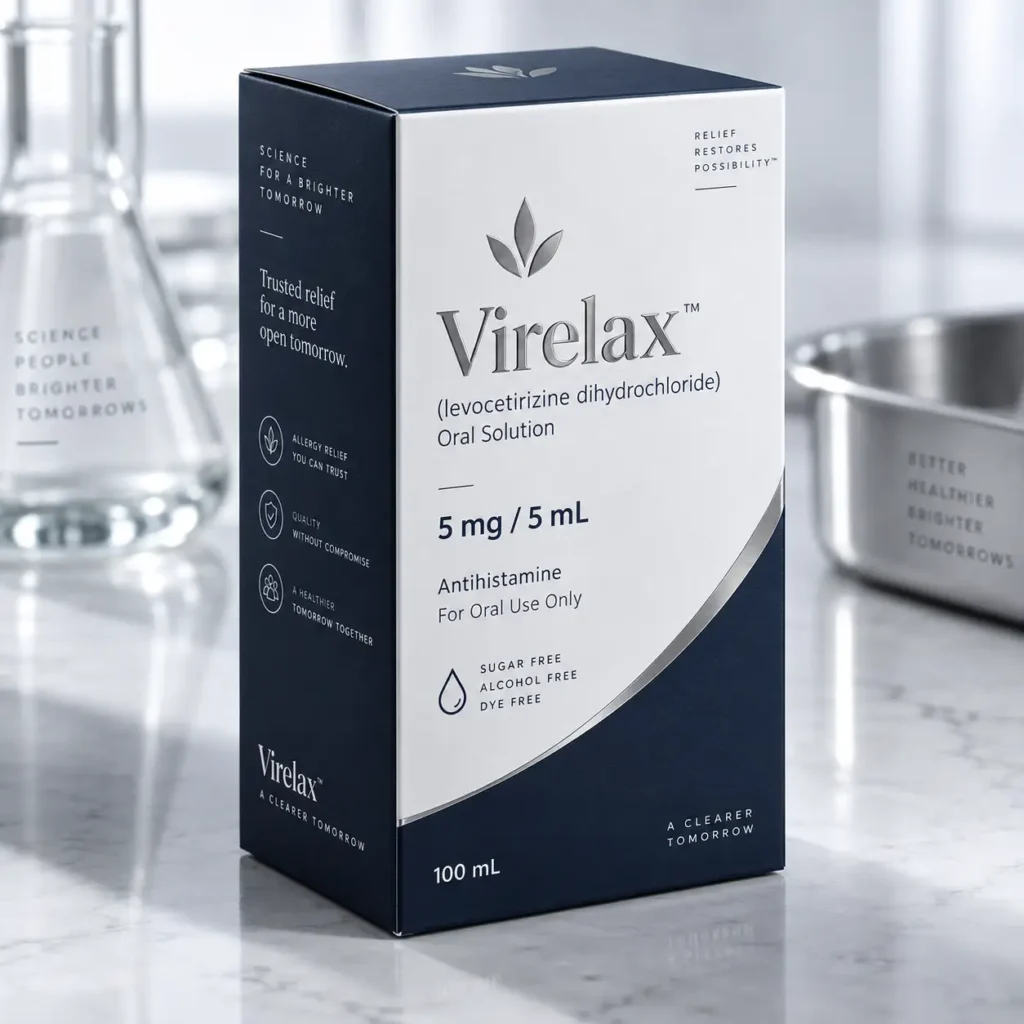
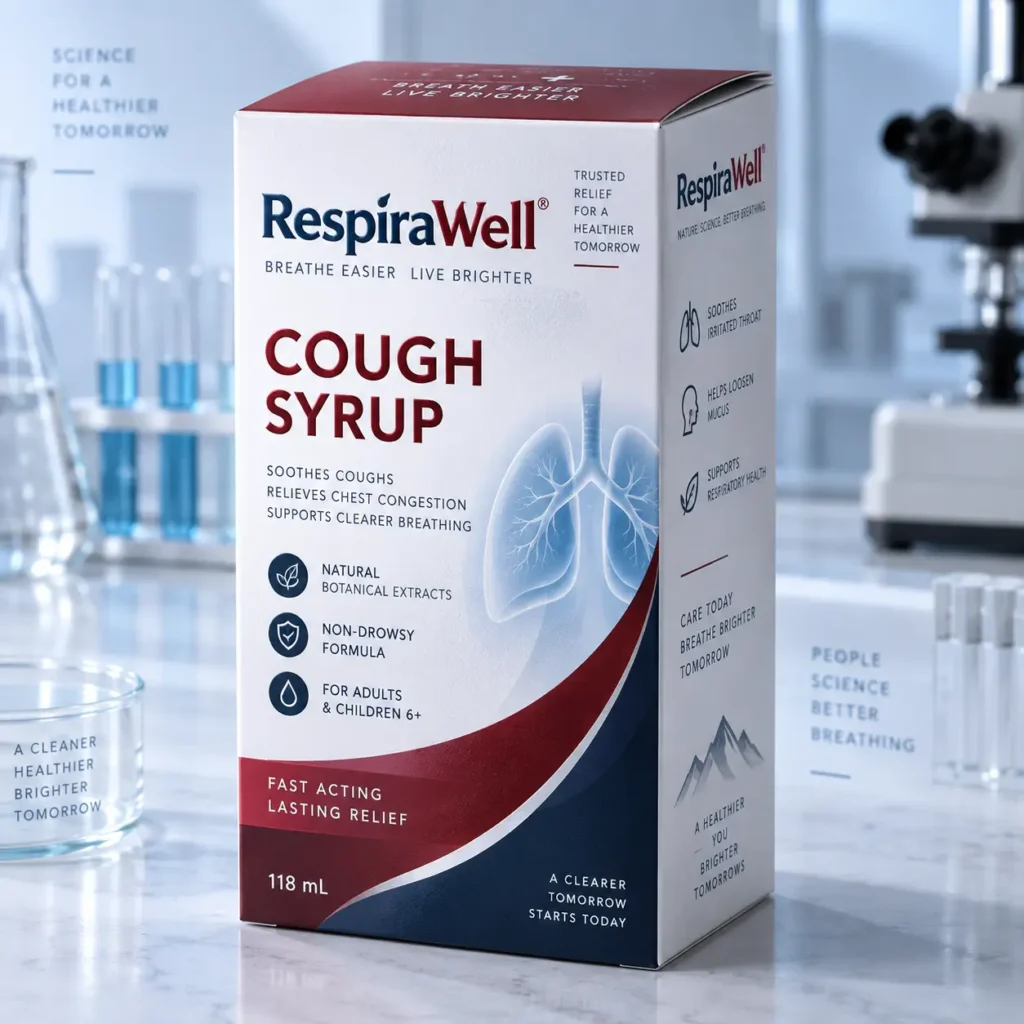
A parent measuring cough syrup at 2 a.m. needs the right dosing cup, clear directions, and a bottle that arrived intact. Syrup & liquid medicine boxes make all three possible, holding heavy glass or PET bottles upright while keeping the measuring device and instructions exactly where tired hands expect them.
The Packaging Masters builds oral liquid cartons with bottle cradles, dosing cup compartments, and bases strong enough for glass. They pair with child-resistant carton options and pharmacy bottle cartons for complete liquid medication ranges.
What Makes Us Different?




From approval to doorstep — handled end to end.
Every order runs through four specialist teams — structural design, print, finishing, and dispatch — so your packaging keeps moving without bottlenecks, delays, or guesswork.
Sizes, materials, finishes, and artwork are locked in. You review the proof carefully and approve when every detail matches your brief.
Your job moves to print, cutting, lamination, and finishing. Our production team monitors color, registration, and structural accuracy.
Finished boxes are checked against the approved sample, counted, and securely packed to protect edges and print during transit.
Dispatch shares tracking details so your team can plan filling and launch dates. Your packaging arrives press-ready and production-ready.
Liquid medicines are heavy, and glass bottles are heavier still. A standard tuck bottom carries the load only through paper friction, so a 200 milliliter amber bottle can push straight through the base when a shopper lifts the box. Bottles that rattle inside a loose carton chip at the neck or loosen their caps during shipping, and one leak can ruin a whole case.
Dosing devices cause the next frustration. Measuring cups and oral syringes often float loose inside the box, fall out on opening, or go missing entirely. Without the correct device, caregivers reach for kitchen spoons and risk dosing errors. Heavy bottles need structural support, which is why many brands choose bases like our auto lock pharmaceutical boxes.
Well-designed syrup & liquid medicine boxes combine a crash lock base, a neck collar or insert, and a dedicated slot for the dosing device. Cold and flu brands often sell syrups beside lozenges, so matching designs across products like our cough drops packaging boxes builds a recognizable shelf block.
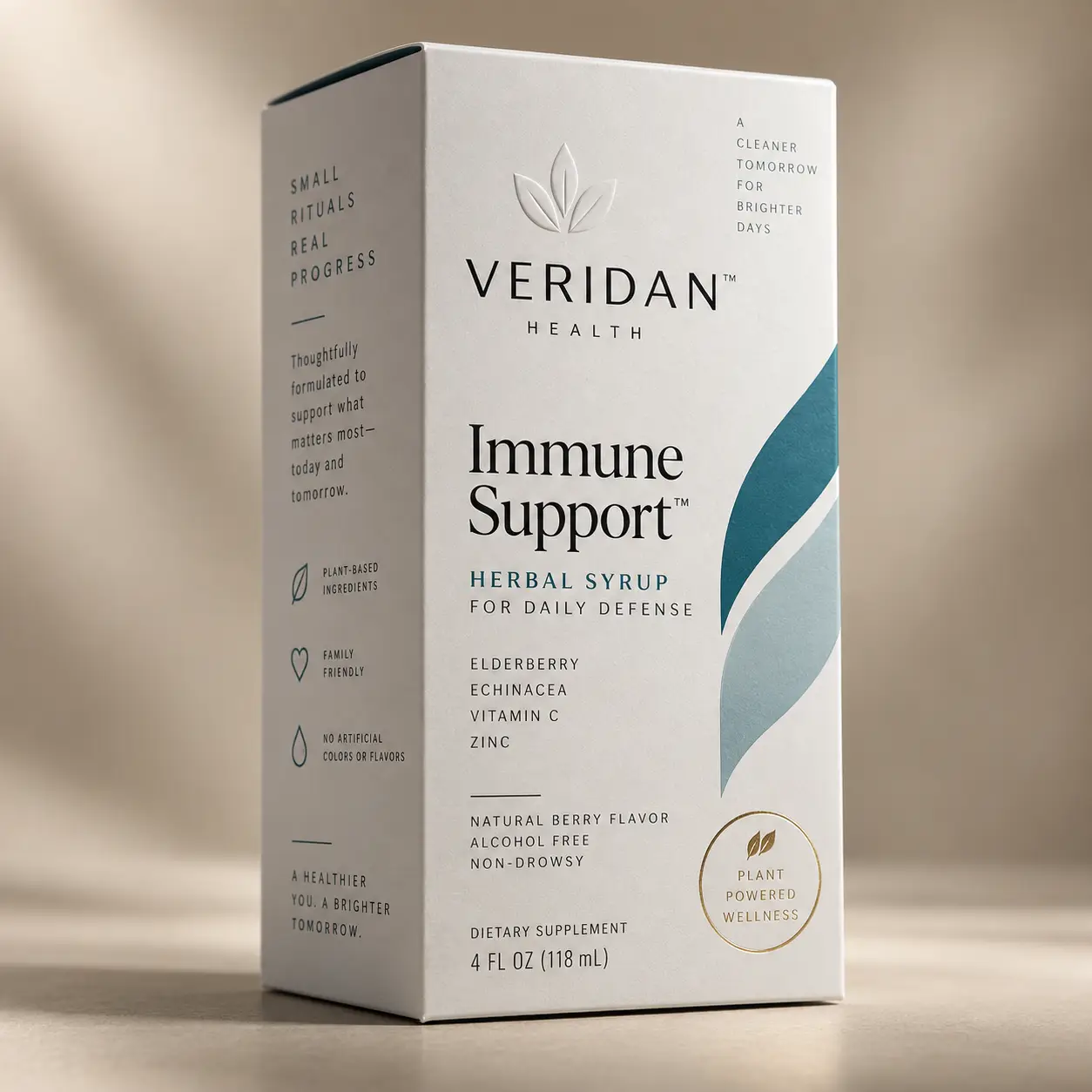
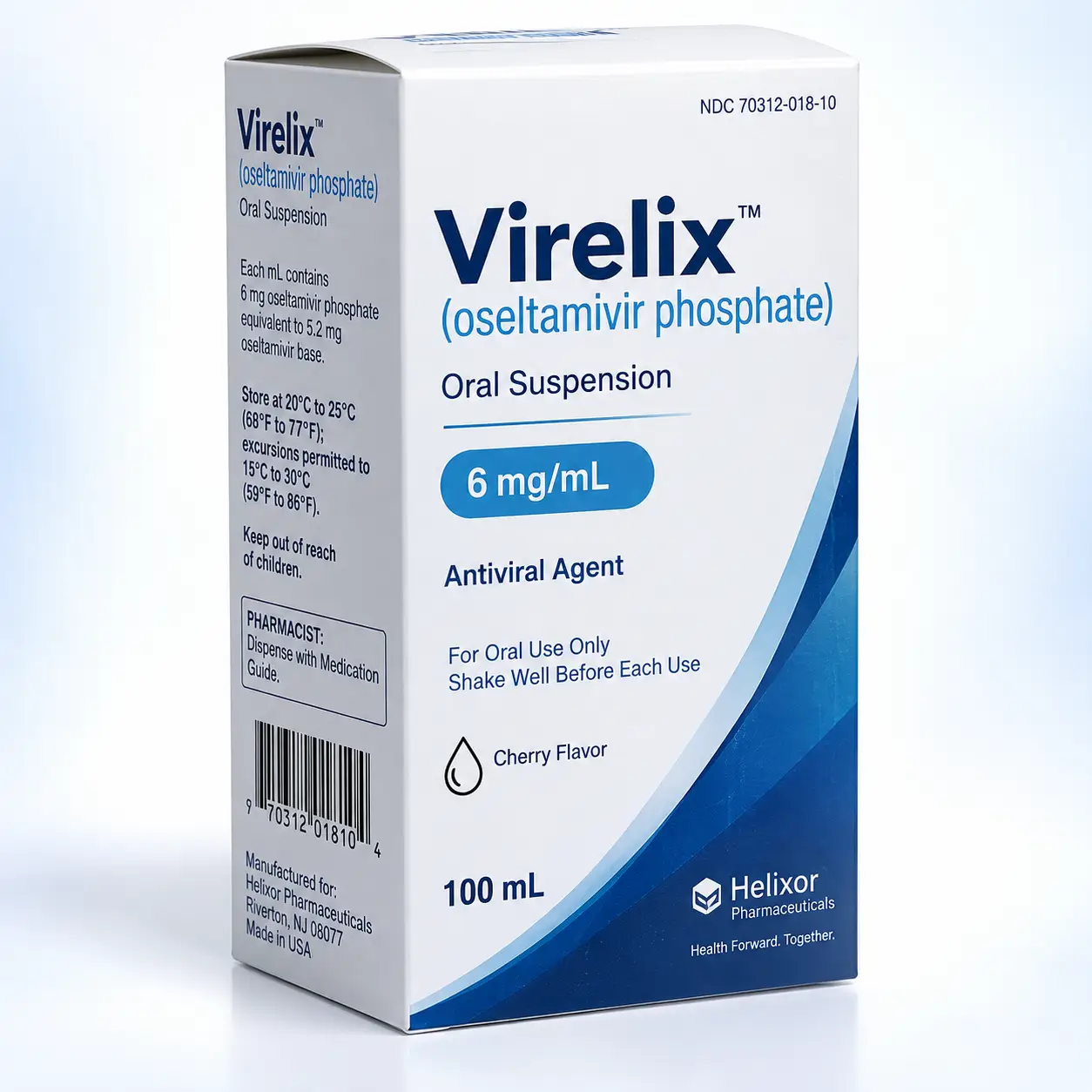
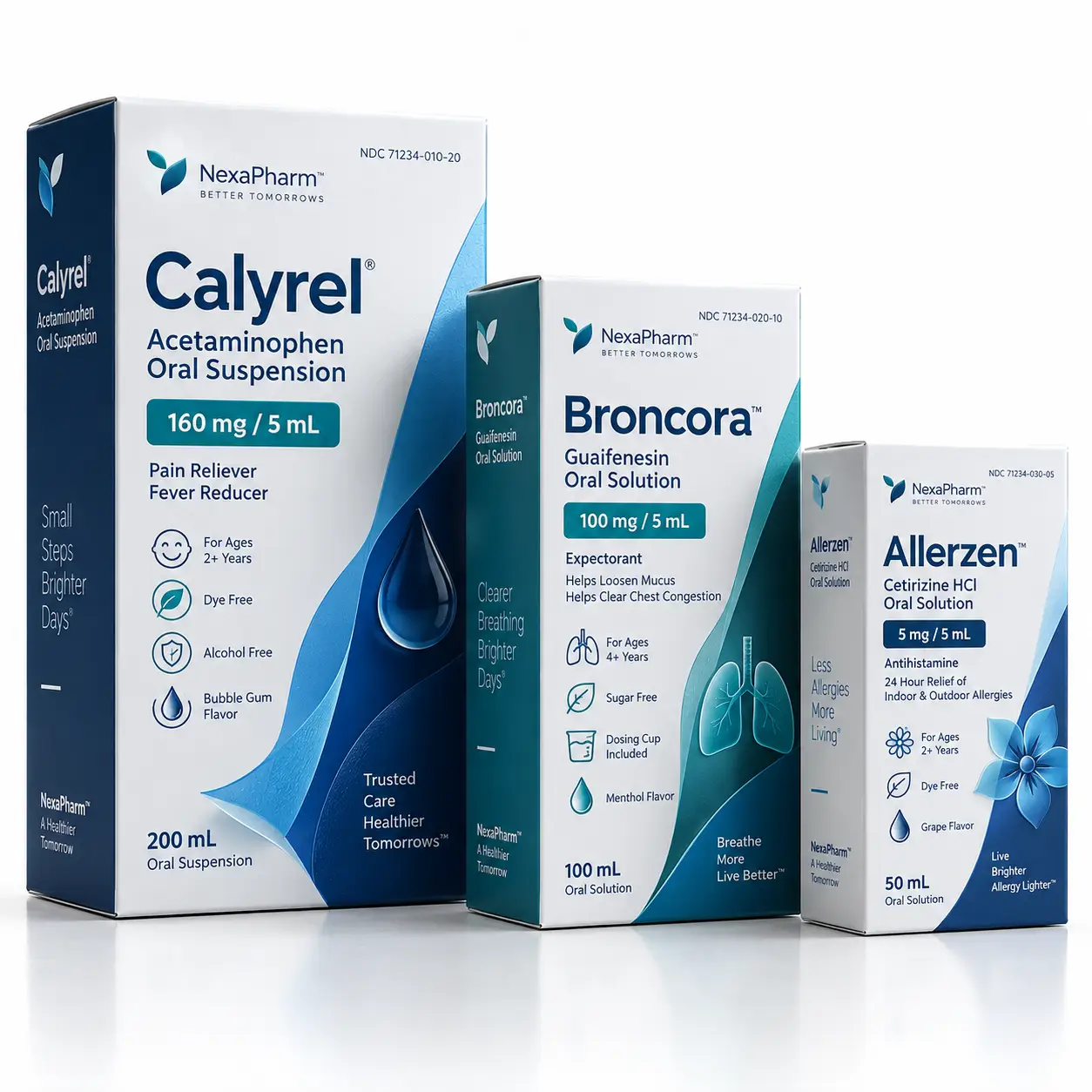
Liquid medicine cartons start with the bottle, but the dosing device and labeling shape the final design. FDA guidance for OTC liquids encourages dosing devices marked in the same units as the label directions, usually milliliters, which affects both the device and the carton artwork.
| Bottle Size | Typical Product | Carton Focus |
|---|---|---|
| 60 to 120 mL | Pediatric syrups and drops | Syringe slot and clear dosing chart |
| 150 to 240 mL | Adult cough and cold syrups | Cup compartment and crash lock base |
| Over 240 mL | Value sizes and tonics | Heavier board and neck collar |
| Dropper bottles | Concentrated drops and vitamins | Snug fit and compact carton |
Small dropper formats often share structures with our eye drop bottle boxes. Many products also need a dosing chart by age or weight, so plan a large, flat panel for it. Confirm dosing device and label requirements with your regulatory adviser before artwork is finalized.
OTC brands package cough syrups, antihistamines, pain relievers, and digestive liquids that compete on crowded pharmacy shelves. Pediatric lines need especially clear dosing charts and syringes, with artwork that looks caring without resembling candy. Herbal and elderberry syrup makers want natural designs that still carry complete labeling. Generic manufacturers need efficient cartons that run smoothly on filling lines.
Animal health companies also sell liquid wormers, supplements, and pain medications with oral syringes, often in cartons similar to our veterinary medicine boxes. Many liquid medicines also require child-resistant caps on the bottle, so plan the carton around the closure height.
Tell us your bottle size, dosing device, and quantity. We will recommend a carton style, insert, and label layout, then send a digital proof within 24 hours. Request your quote today and launch syrup & liquid medicine boxes that deliver every bottle intact and every dose accurately.
Start Your Quote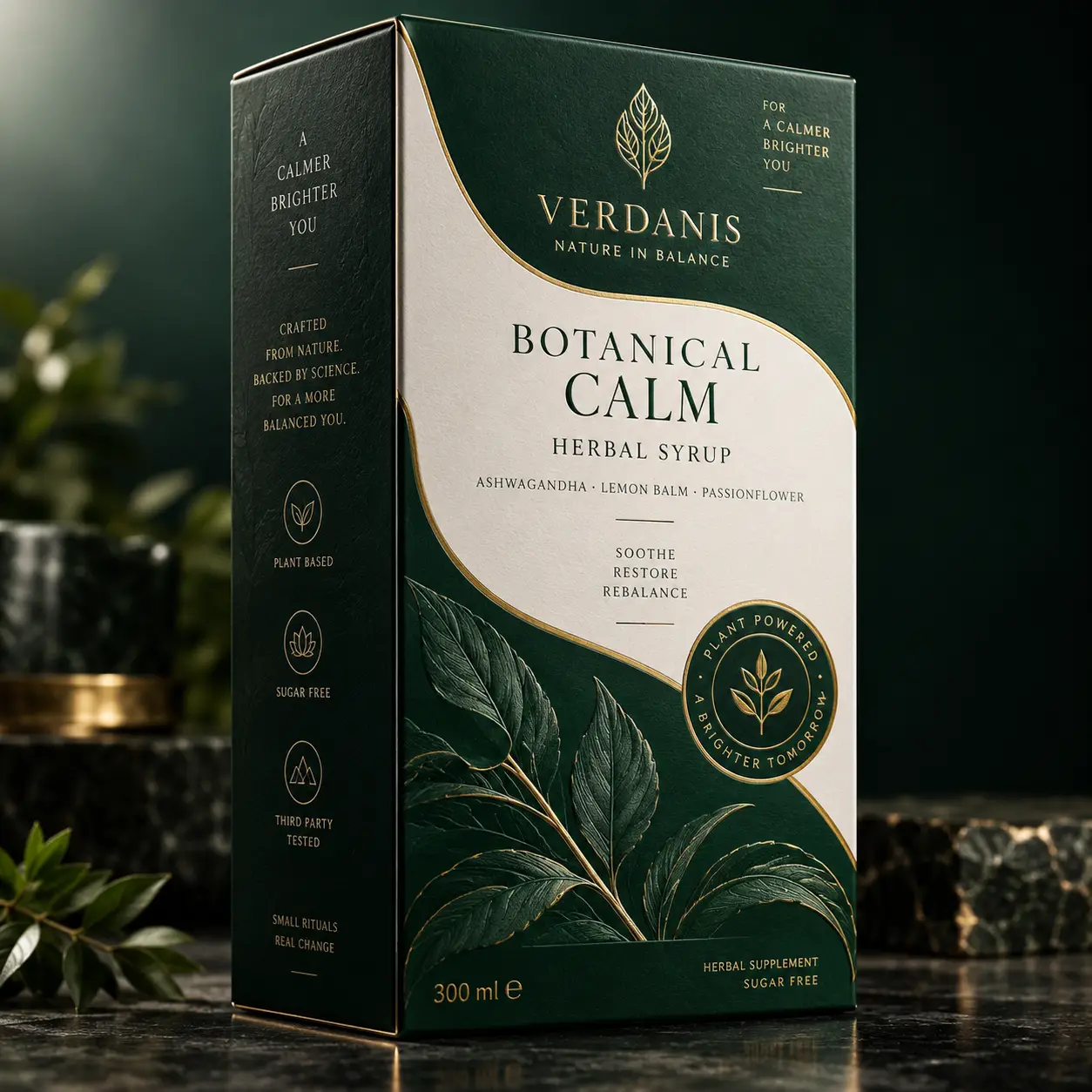
SBS board between 18 and 24 point suits most plastic syrup bottles, while heavy glass bottles benefit from 24 point board or E-flute. An aqueous or varnish coating helps the carton resist sticky drips during filling and use. Leave an uncoated end flap for clean lot and expiry coding.
Liquid medicines are bought frequently, so sustainable choices add up. Paperboard collars can replace plastic inserts, and FSC or recycled board keeps cartons recyclable, as explained in our eco friendly pharma cartons. Right-sized cartons also reduce shipping volume for distributors and lower freight costs on every pallet.
Every order of syrup & liquid medicine boxes includes free design support, custom sizes, and quality checks on base strength, insert fit, and print accuracy. Request a free sample from The Packaging Masters, pack a filled bottle with its dosing cup, and drop the carton from counter height before approving production.
A crash lock bottom is usually best for syrup & liquid medicine boxes, especially with glass bottles. It forms automatically and supports heavy weight without tape. Lighter plastic bottles can use reverse tuck cartons, but a neck insert still helps keep bottles upright during shipping.
Use a dedicated compartment or a die-cut insert that holds the cup or oral syringe beside the bottle. Some brands place the cup over the cap and secure it with a collar. Either way, the device should stay in place when the carton opens.
Many OTC drugs, including most cough and cold liquids, require tamper-evident packaging with a statement describing the feature. Our tamper-evident pharma packaging explains glued closures, tear strips, and seal labels, which work alongside induction seals or shrink bands applied to the bottle itself.
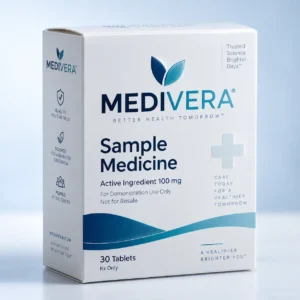
Yes. Small bottles of 30 to 60 milliliters work well for trial and travel sizes. Our sample medicine boxes show compact formats that match your full-size carton, so customers easily recognize the product when they come back to buy the larger bottle.
Yes. Braille can be embossed on flat panels away from folds and glue points. Our braille medicine cartons explain dot height and placement, which matter for brands selling in Europe, the UK, or Canada and for accessible product lines serving patients with low vision.
Measure bottle diameter and height including the cap and any dosing cup on top, then add a little clearance for loading. Glass bottles vary slightly in size, so we test fit with several real bottles before approving the final dieline.
Custom syrup cartons start around $0.20 per unit at volume. Pricing depends on size, board, inserts, dosing compartments, printing, and quantity. Crash lock bases and collars add some cost. We send detailed wholesale quotes within 24 hours, with lower pricing at larger quantities.
Printed syrup cartons usually ship in about 10 to 15 business days after proof approval. Inserts, braille, or special finishes may take a little longer. Rush options are available, and we confirm your full timeline in the quote, including delivery to your filling facility.
Instead of generic stock boxes, every project starts with your product, your goals, and your customer experience — so the packaging protects in transit and still feels premium in hand.
Built to your product, not pulled from a shelf of ready-made sizes.
Strong structures, neat edges, and finishes that actually sell.
Businesses and individuals can order — start with a small run and scale when you’re ready.
4–5 business days production after proof approval — you always know what’s next.
Copyright © 2026 thepackagingmasters.com All rights reserved.