
01
Finalize your design
Sizes, materials, finishes, and artwork are locked in. You review the proof carefully and approve when every detail matches your brief.
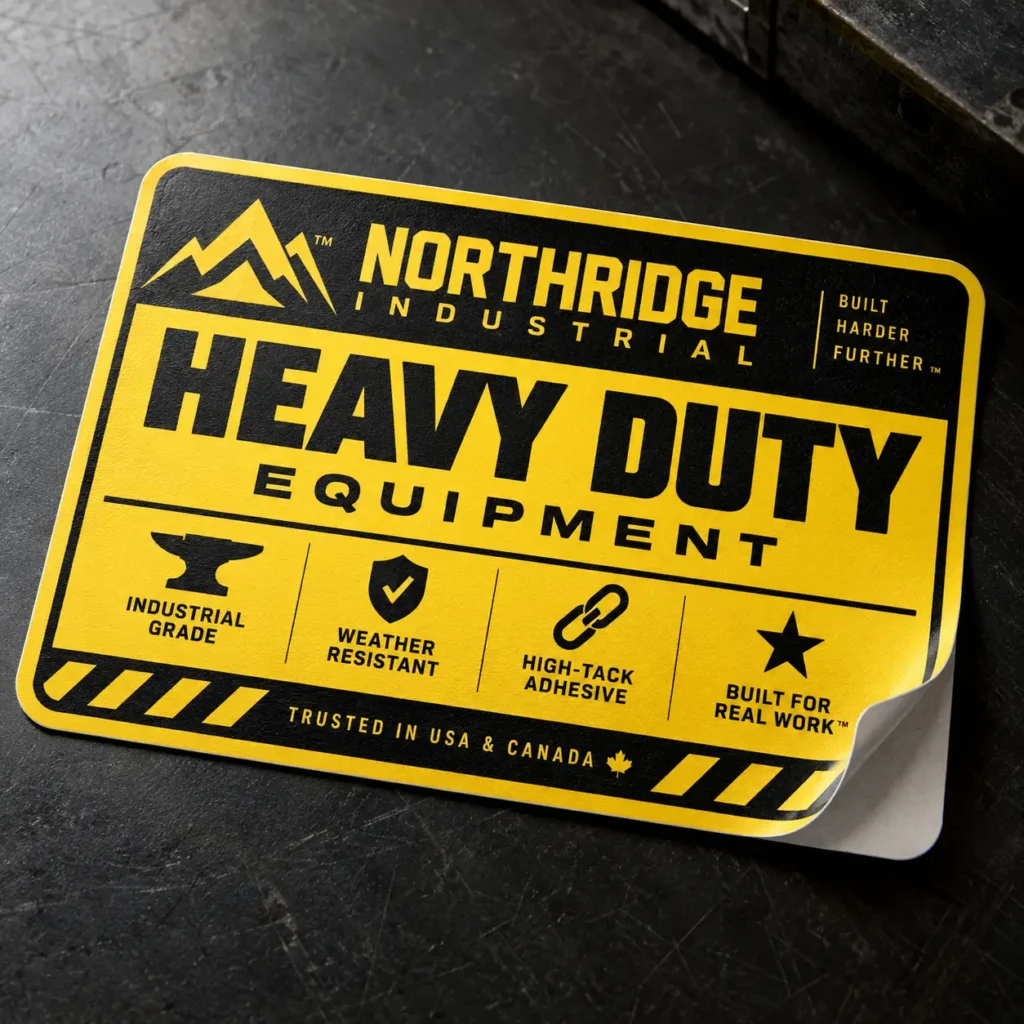
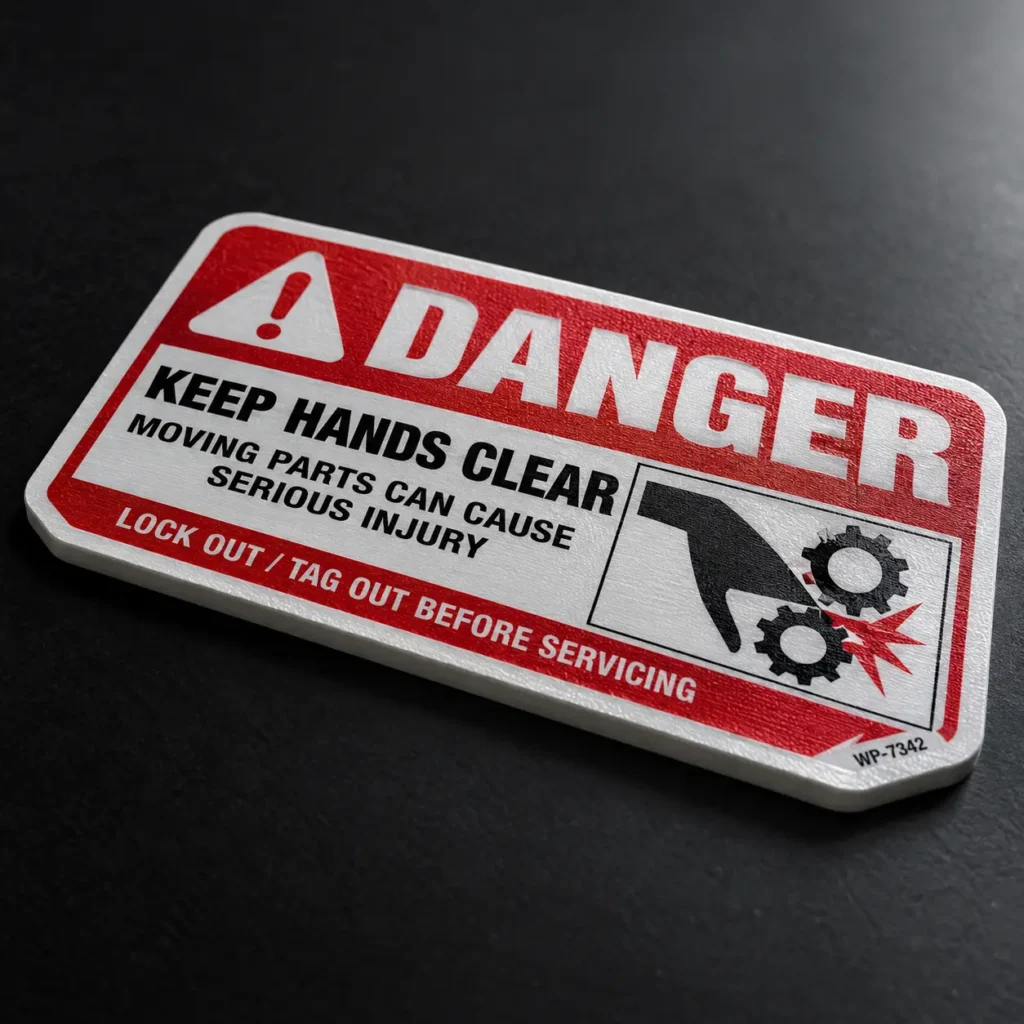
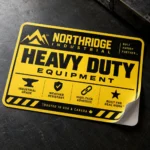
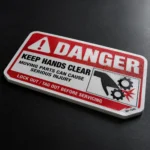
Factories, job sites, warehouses, and fleets destroy ordinary labels quickly. Oil, solvents, pressure washers, abrasion, heat, and constant handling strip print and lift edges within weeks. Heavy duty stickers use tough polyester or thick vinyl, protective laminates, and aggressive adhesives so warnings, serial numbers, and branding stay readable for the working life of your equipment.
The Packaging Masters builds industrial labels for machinery, tools, assets, and vehicles. They pair with our outdoor weatherproof labels and grippy high tack stickers for difficult surfaces.
What Makes Us Different?



From approval to doorstep — handled end to end.
Every order runs through four specialist teams — structural design, print, finishing, and dispatch — so your packaging keeps moving without bottlenecks, delays, or guesswork.
Sizes, materials, finishes, and artwork are locked in. You review the proof carefully and approve when every detail matches your brief.
Your job moves to print, cutting, lamination, and finishing. Our production team monitors color, registration, and structural accuracy.
Finished boxes are checked against the approved sample, counted, and securely packed to protect edges and print during transit.
Dispatch shares tracking details so your team can plan filling and launch dates. Your packaging arrives press-ready and production-ready.
Industrial environments attack labels from every direction. Cutting fluids, hydraulic oil, and degreasers dissolve unprotected inks. Forklifts, tools, and gloved hands scrape surfaces daily. Machinery heat softens weak adhesives, while cold storage makes them brittle. Paper and thin BOPP labels on equipment become unreadable within weeks, leaving missing warnings, lost asset numbers, and machines with no service contact information.
Heavy duty stickers are engineered for these conditions. Polyester facestocks resist heat, chemicals, and tearing, thick vinyl conforms to curved housings, and clear overlaminates protect print from abrasion and solvents. Strong adhesives hold on metal, powder coat, and many plastics, much like our permanent stickers but built for harsher duty. Asset teams add scannable barcode labels using the same tough construction.
We ask about chemicals, temperatures, abrasion, and surfaces before recommending a construction. Testing samples on your actual equipment under real conditions is the most reliable way to confirm performance before full production.
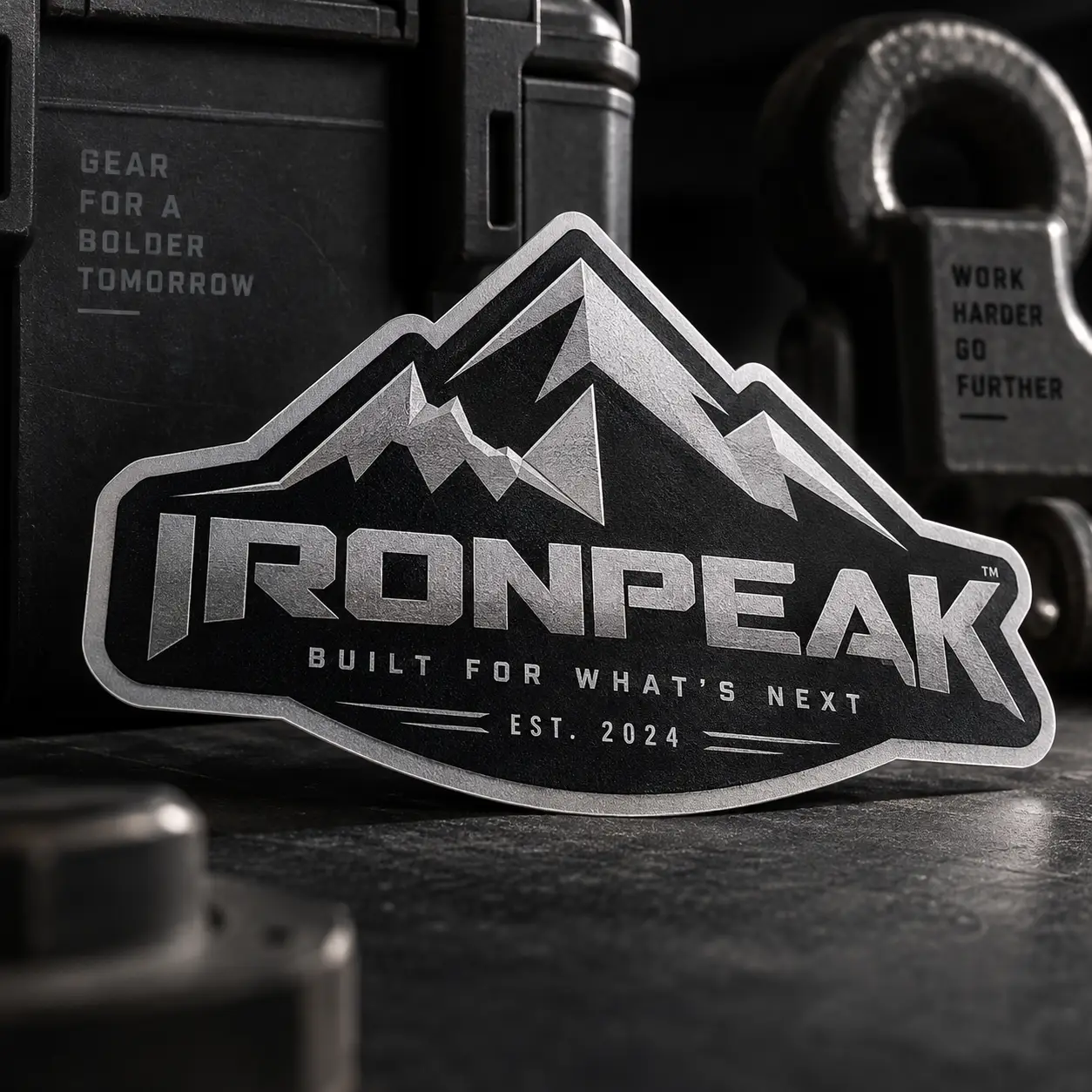
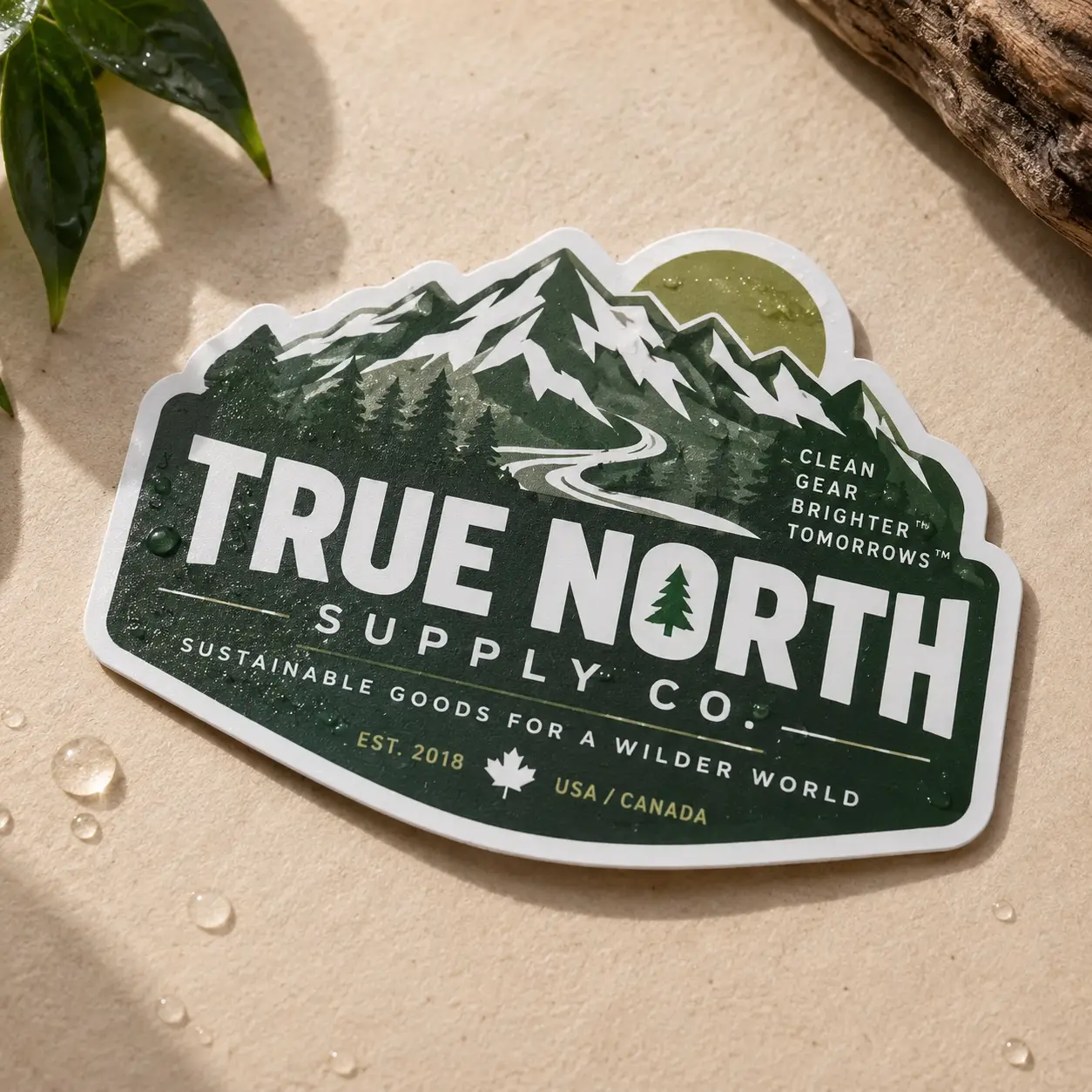
Industrial labels vary widely, and the right construction depends on what your label must survive.
| Construction | Key Strengths | Best For |
|---|---|---|
| Polyester with overlaminate | Heat, solvent, and abrasion resistance | Machinery, rating plates, assets |
| Thick laminated vinyl | Flexible, weatherproof, conformable | Equipment housings and vehicles |
| Metallized polyester | Metal look with durability | Nameplates and premium equipment |
| Reflective vinyl | Night visibility in headlights | Fleet, hazard, and site marking |
| Subsurface printed film | Print protected beneath clear layer | Control panels and high-wear areas |
Equipment makers wanting a premium badge often choose brushed aluminum stickers, while contractors marking trailers and barricades rely on reflective stickers. Some applications reference standards such as UL 969 for marking and labeling or ANSI Z535 for safety signs, so confirm requirements with your compliance adviser. Matching construction to conditions keeps heavy duty stickers performing for years. We can send samples of several constructions so you can expose them to your actual oils, cleaners, and temperatures before committing to a full production run.
Equipment and machinery manufacturers apply heavy duty branding, rating plates, and warning labels that must last the life of the product. Construction and HVAC contractors label tools, generators, compressors, and service units. Warehouses and logistics teams tag racks, bins, totes, and forklifts with durable inventory and location labels. Utilities and facilities teams mark panels, valves, pipes, and outdoor cabinets.
Marine and agricultural businesses need labels that survive saltwater, fertilizers, and constant moisture, similar to our waterproof stickers but with tougher films. Laboratories and food processing plants label equipment that is washed down frequently with cleaning chemicals. Heavy duty stickers keep critical information visible and legible in every one of these demanding environments.
Tell us your surface, chemicals, temperatures, size, and quantity. We will recommend facestock, laminate, and adhesive, then send a digital proof within 24 hours. Start your quote today and get industrial labels built to survive real working conditions.
Start Your Quote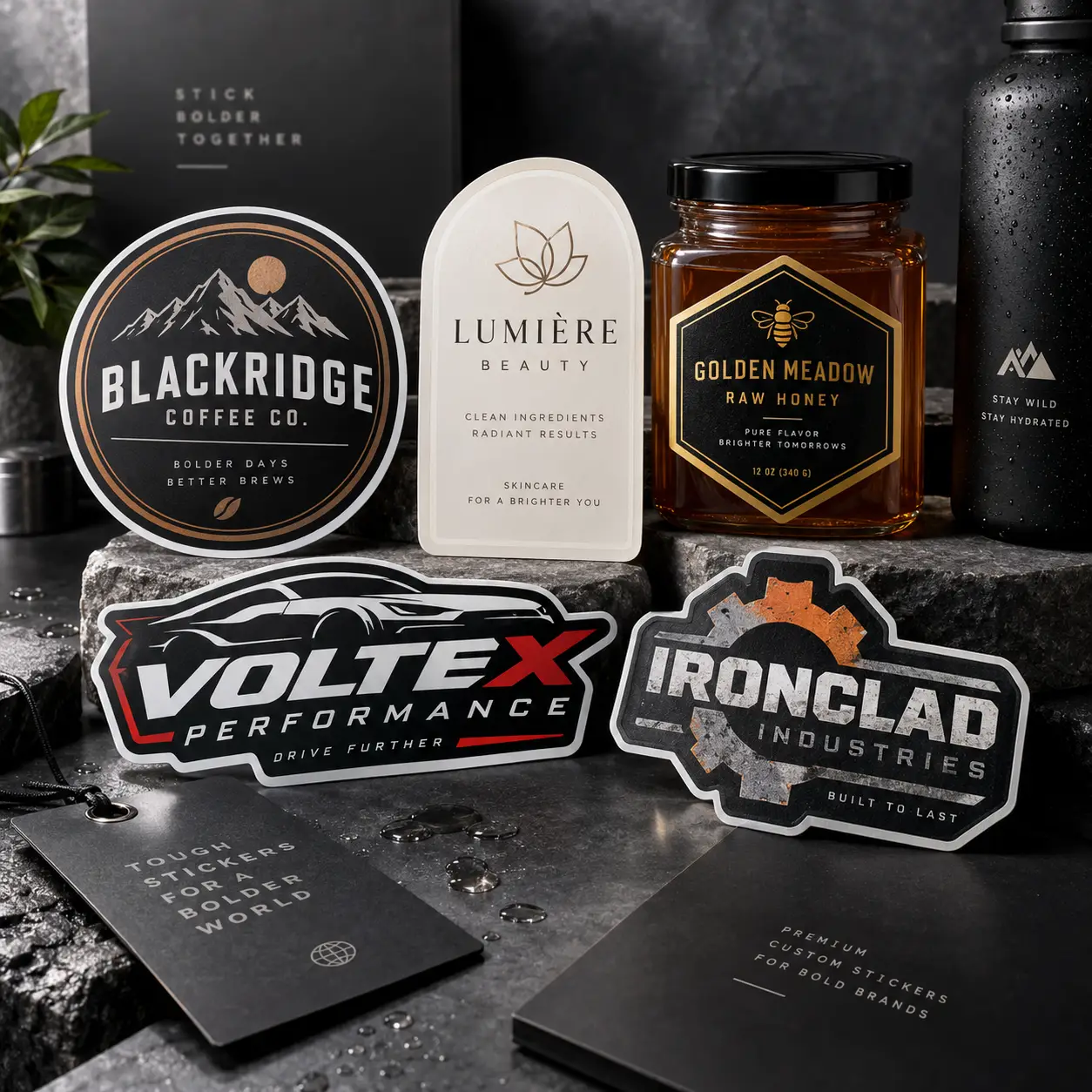
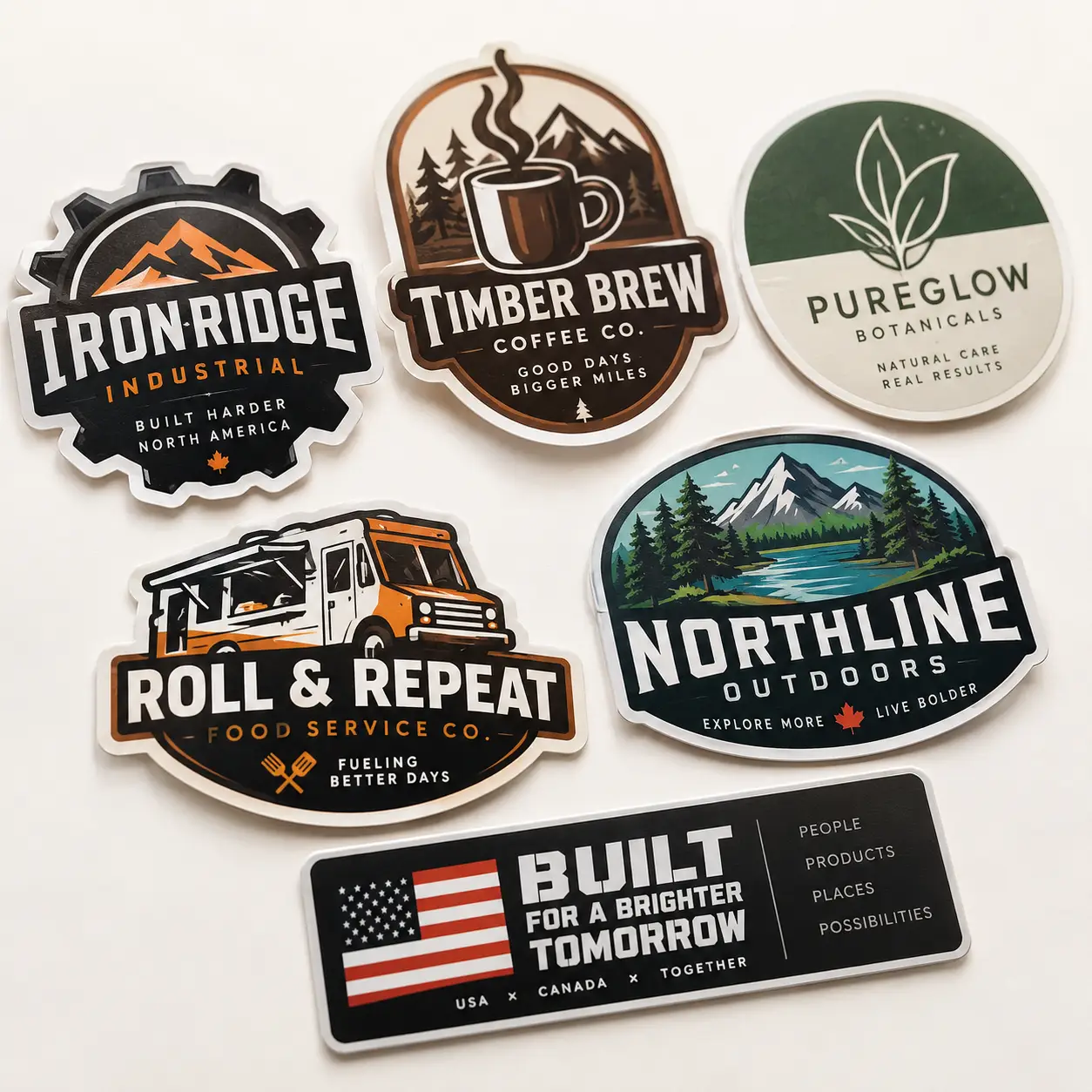
A thick clear overlaminate is the first line of defense, protecting printed graphics from scratches, oils, solvents, and UV. Subsurface printing on clear polyester places ink behind the film for maximum abrasion resistance. Acrylic permanent adhesives bond strongly to metal and glass, while high tack formulas grip powder coat, textured plastics, and low surface energy materials such as polyethylene and polypropylene.
Many industrial constructions handle wide service temperatures once applied, but adhesives should be applied within a milder range for proper bonding. Clean surfaces with isopropyl alcohol to remove oil, mold release agents, and dust, then apply firmly with a squeegee or roller. Allow about twenty-four hours before exposing labels to washing, chemicals, or heavy use while the adhesive reaches full strength.
Every order of heavy duty stickers includes free environment review, custom sizes and shapes, optional serialization, and quality checks on print, laminate coverage, and adhesion. Request a free sample from The Packaging Masters and test it on your equipment before approving production.
Heavy duty stickers use tougher facestocks such as polyester or thick vinyl, protective overlaminates, and stronger adhesives. Together they resist oils, solvents, abrasion, heat, cold, and weather far better than paper or thin film labels, keeping text and warnings readable for years.
Powder coat and textured finishes can be difficult for standard adhesives. High tack formulas designed for low surface energy and textured surfaces bond much better. Clean the surface with isopropyl alcohol first and test a sample to confirm adhesion before production.
Thick laminated vinyl handles weather, washing, and handling well and conforms to curved housings. Our vinyl stickers explain constructions, while polyester is the better choice when labels face high heat, aggressive solvents, or constant abrasion in factory environments and outdoor job sites.
Yes. Cut vinyl decals in industrial-grade films work well for equipment names, unit numbers, and simple logos without a background. Our custom decals explain cast and calendered options suited to vehicles, machinery, and outdoor equipment exposed to harsh conditions every working day.
Yes. QR codes on equipment can link to manuals, maintenance logs, safety data, and service requests. Our QR code labels explain sizing and contrast, and printing codes under a protective laminate keeps them scannable despite grease, dust, vibration, and daily handling.
Some applications reference standards such as UL 969 for marking and labeling or ANSI Z535 for safety signs. Requirements depend on your product and industry, so confirm specifications with your compliance adviser. We then supply materials and layouts matching those specifications.
Pricing depends on facestock, laminate, adhesive, size, and quantity. Heavy duty vinyl labels start around $0.12 per unit at higher volumes, while polyester, serialized, and subsurface printed constructions cost more. Request a quote with your environment, surface, and specifications for accurate pricing.
Most heavy duty label orders ship in about 6 to 10 business days after proof approval. Specialty polyester, serialization, or adhesion testing may add time. Share your deadline early, and we will plan adhesion testing and production together to meet it reliably.
Instead of generic stock boxes, every project starts with your product, your goals, and your customer experience — so the packaging protects in transit and still feels premium in hand.
Built to your product, not pulled from a shelf of ready-made sizes.
Strong structures, neat edges, and finishes that actually sell.
Businesses and individuals can order — start with a small run and scale when you’re ready.
4–5 business days production after proof approval — you always know what’s next.
Copyright © 2026 thepackagingmasters.com All rights reserved.