
01
Finalize your design
Sizes, materials, finishes, and artwork are locked in. You review the proof carefully and approve when every detail matches your brief.
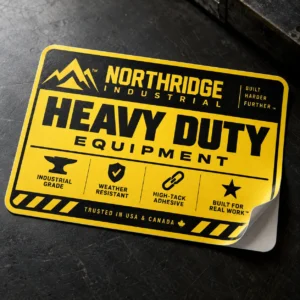
Some surfaces refuse to hold a normal sticker. Powder-coated equipment, textured plastic bins, rubber housings, and polyethylene containers repel standard adhesives, so labels lift at the corners within days. Custom high tack stickers use a thicker, more aggressive adhesive that grips low-energy and uneven surfaces and stays put.
The Packaging Masters matches high tack adhesives with durable vinyl and polyester films for demanding jobs. They work alongside our heavy duty labels and permanent stickers when standard adhesion is not enough.
What Makes Us Different?





From approval to doorstep — handled end to end.
Every order runs through four specialist teams — structural design, print, finishing, and dispatch — so your packaging keeps moving without bottlenecks, delays, or guesswork.
Sizes, materials, finishes, and artwork are locked in. You review the proof carefully and approve when every detail matches your brief.
Your job moves to print, cutting, lamination, and finishing. Our production team monitors color, registration, and structural accuracy.
Finished boxes are checked against the approved sample, counted, and securely packed to protect edges and print during transit.
Dispatch shares tracking details so your team can plan filling and launch dates. Your packaging arrives press-ready and production-ready.
Adhesion depends on surface energy, which describes how easily glue can flow across and grip a material. High-energy surfaces such as glass and bare metal bond easily. Low surface energy plastics, including polyethylene and polypropylene used for bins, buckets, coolers, and kayaks, cause adhesive to bead up instead of wetting out, much like water on a waxed car. Powder coating and textured finishes add another challenge, because a thin adhesive layer only touches the high points.
Custom high tack stickers solve both problems. The adhesive is formulated to bond with low-energy plastics and is applied in a heavier coat weight, so it flows into textures and grips more contact area. The result is a label that resists lifting, curling, and edge peel on difficult surfaces. If you need the opposite, a light grip that releases easily, our low tack stickers explain gentle adhesives.
We ask about the surface, temperature, and environment before recommending an adhesive, and we encourage testing samples on your actual product. That simple step avoids costly reprints and failed labels in the field.

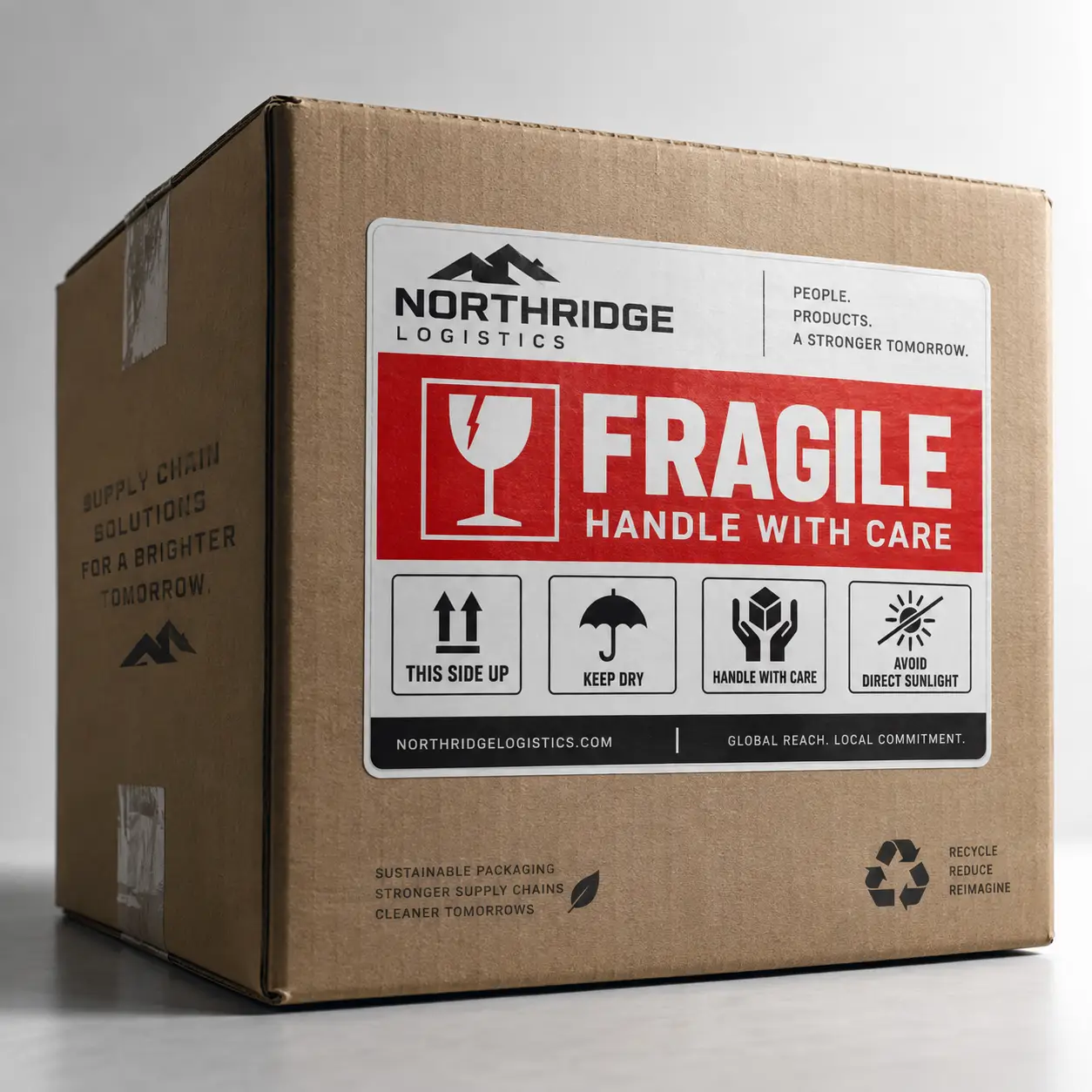
Adhesive strength is usually measured by peel adhesion, the force needed to remove a label after it has set.
| Adhesive | Relative Strength | Best Surfaces |
|---|---|---|
| Removable | Low | Glass, smooth retail packaging, temporary use |
| Permanent | Medium | Most paper, glass, metal, and rigid plastics |
| High tack | High | Polyethylene, polypropylene, powder coat, rubber |
Permanent adhesive handles most labeling jobs, so high tack is best reserved for surfaces where permanent labels have already failed or are likely to fail. Outdoor equipment adds weather and UV exposure, which our weatherproof labels explain. Temperature matters too, because adhesives should be applied above their minimum application temperature and rated for the service range. Choosing custom high tack stickers only where they are needed keeps costs sensible and ensures labels stay attached for the life of your product. We are happy to test several adhesives on your parts before you commit.
Equipment manufacturers apply high tack labels to powder-coated housings, generators, pressure washers, and lawn equipment. Waste and recycling companies label polyethylene carts, bins, and dumpsters that face weather and rough handling. Powersports and motocross brands use aggressive adhesives on plastic fairings, helmets, and quad bodies. Cooler, kayak, and outdoor gear brands rely on high tack labels for textured polyethylene products.
Warehouses and logistics teams use high tack inventory and tote labels on plastic crates, while asset managers tag tools and equipment that see constant handling, often with scannable barcode labels. Fleet and utility teams sometimes combine strong adhesion with reflective stickers for night visibility. Custom high tack stickers keep branding, warnings, and tracking information exactly where it belongs.
Tell us your surface, environment, size, and quantity. We will recommend adhesive, film, and laminate, then send a digital proof within 24 hours. Start your quote today and get labels that grip tough surfaces and stay attached through daily use.
Start Your Quote
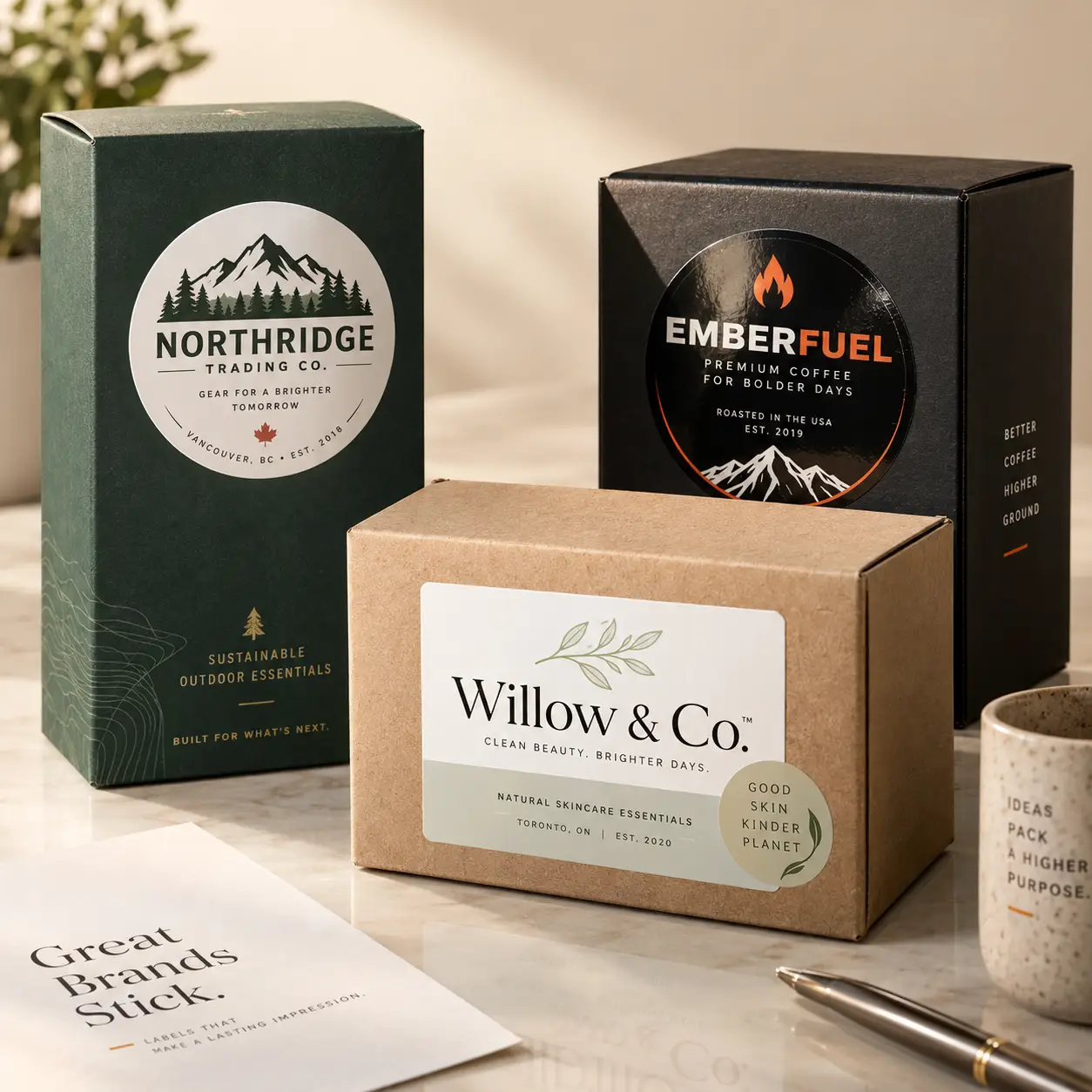
High tack adhesives work best paired with a durable facestock. Calendered or cast vinyl conforms to curves and textures, while polyester offers dimensional stability, chemical resistance, and heat tolerance for industrial parts. A clear overlaminate protects printing from abrasion, oils, fuels, and UV, which matters on equipment that is pressure-washed or used outdoors.
Application technique matters as much as adhesive. Clean the surface with isopropyl alcohol to remove mold release agents, oils, and dust. Apply at room temperature, press firmly with a squeegee, and allow the bond to build for about a day before heavy use or washing. High tack labels are intended to stay, so removal may leave residue. For temporary needs, our removable labels are the better choice.
Every order of custom high tack stickers includes free adhesive guidance, custom sizes, and quality checks on print, laminate, and cut accuracy. Request a free sample from The Packaging Masters and test adhesion on your actual surface before approving production.
Choose custom high tack stickers when standard permanent labels lift or peel, typically on polyethylene, polypropylene, powder coat, rubber, or textured surfaces. They also help on equipment that is washed often or handled roughly. For most smooth surfaces, permanent adhesive is enough and costs less.
Surface energy describes how readily a material lets adhesive flow and grip. Low surface energy plastics like polyethylene and polypropylene repel glue, much like water beads on a waxed car. High tack adhesives are formulated to wet out and bond with these difficult materials.
Yes. Brushed metal films can be paired with stronger adhesives for nameplates on powder-coated equipment and appliances. Our brushed aluminum stickers explain the metal-look finish, giving tools, appliances, and machinery a premium badge that stays firmly attached through years of daily handling.
With vinyl or polyester faces and a laminate, high tack labels resist water, rain, and washing. Our waterproof stickers explain how materials protect printed designs. Allow the adhesive to set for about a day before pressure washing for the strongest bond.
Vinyl conforms well to curves and textures, making it a popular choice for bins, coolers, and helmets. Our vinyl stickers explain thickness and laminate options, while polyester suits industrial parts that need extra heat, solvent, and chemical resistance in harsh factory environments.
High tack labels are designed to stay, so removal usually takes effort. Gentle heat from a hair dryer softens the adhesive, and isopropyl alcohol or adhesive remover cleans residue. Test removal on an inconspicuous area first, since some painted or coated surfaces may be affected.
Pricing depends on size, film, laminate, and quantity. High tack vinyl labels start around $0.10 per unit at higher volumes, while polyester industrial labels cost more. Larger runs lower the unit price, so request a quote with your surface and specifications.
Most high tack label orders ship in about 6 to 9 business days after proof approval. Adhesion testing on your parts can add a few days but prevents costly failures. Share your deadline early, and we will plan testing and production together.
Instead of generic stock boxes, every project starts with your product, your goals, and your customer experience — so the packaging protects in transit and still feels premium in hand.
Built to your product, not pulled from a shelf of ready-made sizes.
Strong structures, neat edges, and finishes that actually sell.
Businesses and individuals can order — start with a small run and scale when you’re ready.
4–5 business days production after proof approval — you always know what’s next.
Copyright © 2026 thepackagingmasters.com All rights reserved.