
01
Finalize your design
Sizes, materials, finishes, and artwork are locked in. You review the proof carefully and approve when every detail matches your brief.
Most labels have one job: stay put for the life of the product. Custom permanent stickers use a strong pressure-sensitive adhesive that bonds to glass, metal, plastic, and paper and keeps holding through shipping, handling, refrigeration, and weather, so branding and information remain exactly where you placed them.
The Packaging Masters matches permanent adhesives with paper, BOPP, vinyl, and polyester faces for every surface. Compare them with our clean-release removable labels and extra-strong high tack stickers to choose the right bond.
What Makes Us Different?
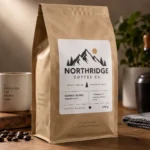
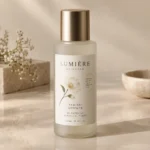
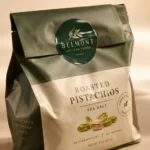
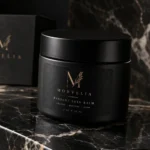

From approval to doorstep — handled end to end.
Every order runs through four specialist teams — structural design, print, finishing, and dispatch — so your packaging keeps moving without bottlenecks, delays, or guesswork.
Sizes, materials, finishes, and artwork are locked in. You review the proof carefully and approve when every detail matches your brief.
Your job moves to print, cutting, lamination, and finishing. Our production team monitors color, registration, and structural accuracy.
Finished boxes are checked against the approved sample, counted, and securely packed to protect edges and print during transit.
Dispatch shares tracking details so your team can plan filling and launch dates. Your packaging arrives press-ready and production-ready.
Not every label sold as permanent performs that way. Adhesive must flow into a surface, called wetting out, before it reaches full strength, and that takes pressure, time, and the right temperature. Labels applied to cold, damp, or dusty containers never bond properly. Standard adhesives can stiffen in freezers and pop off, while curved bottles and squeezable tubes put constant stress on edges.
Reliable custom permanent stickers start with a suitable adhesive for the surface and environment. All-temperature and freezer-grade adhesives stay flexible in the cold, while conformable films such as vinyl handle squeeze bottles and curves. Very difficult surfaces like polyethylene and powder coat may need a stronger formula. If you need the opposite, a label that comes off cleanly, our low tack stickers explain gentle adhesives.
We ask about your containers, storage temperature, and application method before recommending an adhesive. Clean, dry, room-temperature surfaces and firm pressure give the strongest bond, and permanent adhesives typically reach full strength over about a day after application.
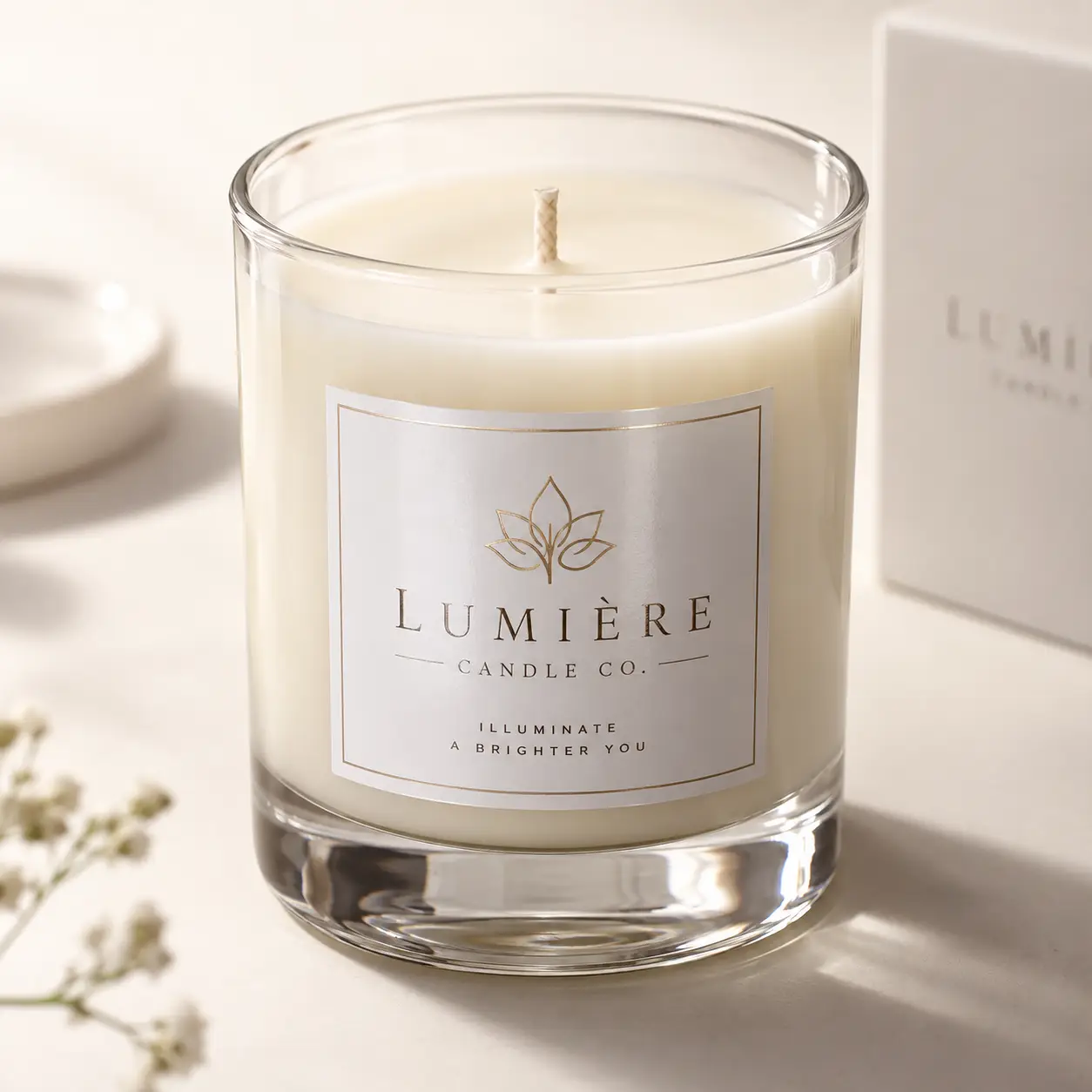
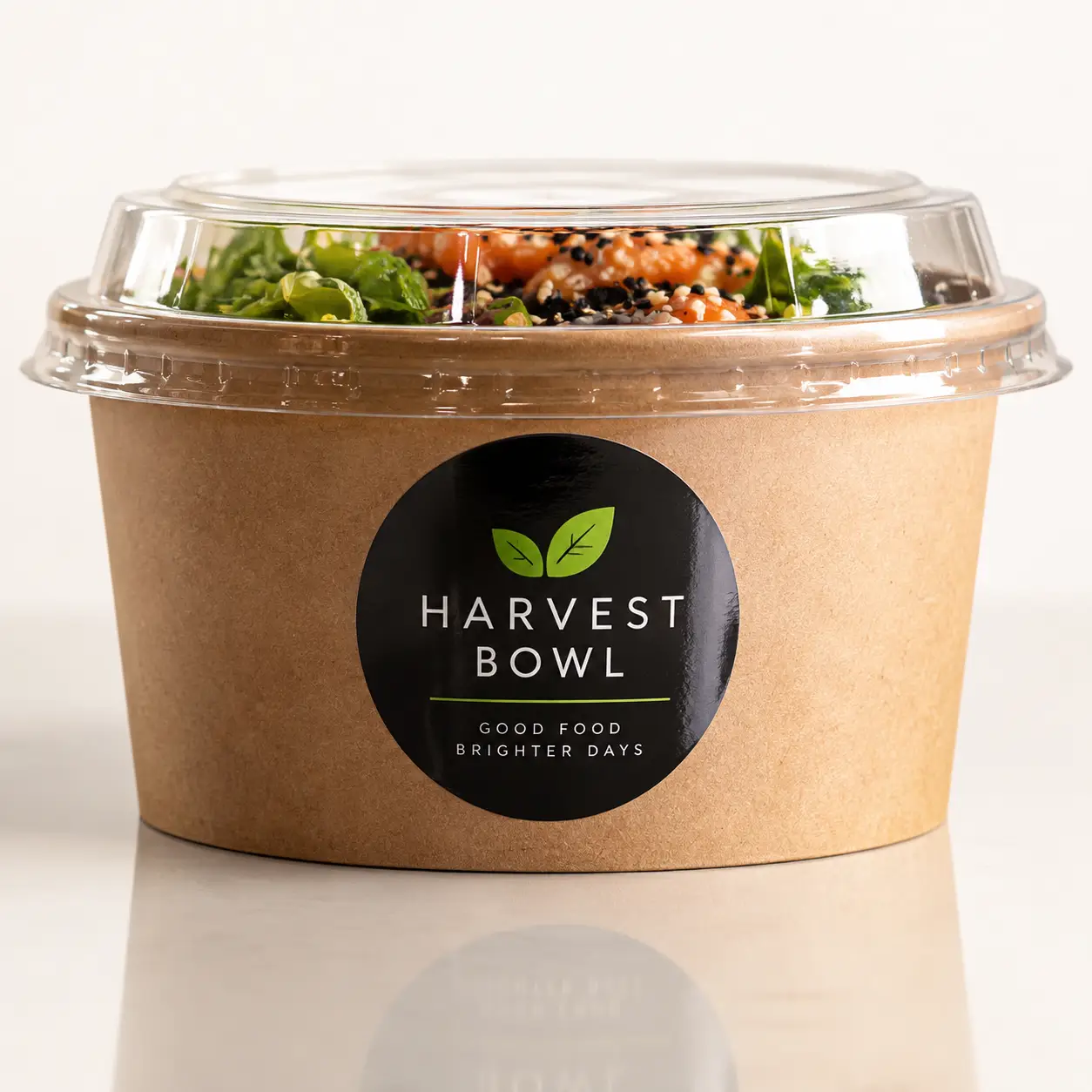
Permanent adhesives come in several formulations designed for different conditions and surfaces.
| Adhesive | Strength And Range | Best For |
|---|---|---|
| General permanent | Strong, everyday temperatures | Boxes, jars, bottles, retail |
| All-temperature | Flexible across hot and cold | Food and beverage packaging |
| Freezer grade | Bonds and holds when frozen | Frozen foods and cold chain |
| High tack | Aggressive initial grab | Low-energy plastics, textures |
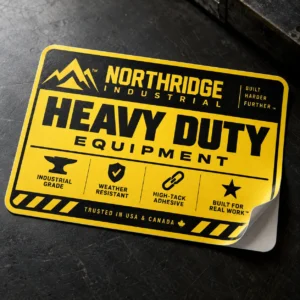
General permanent adhesive covers most labeling jobs and costs the least. Food and beverage brands often choose all-temperature formulas that handle refrigeration and warm warehouses. For tools, machinery, and assets, our heavy duty labels pair permanent adhesives with tough polyester faces. Asset and inventory teams often add scannable barcode labels with the same adhesive. Choosing the right formula keeps custom permanent stickers secure for years without unnecessary cost. If you are unsure which formula fits, we can send samples of several adhesives so you can test them on your own containers, in your own storage conditions, before placing a full production order.
Food and beverage producers rely on permanent labels for jars, bottles, cans, and pouches that face refrigeration and handling. Cosmetic and personal care brands use them on tubes, bottles, and compacts where labels must survive wet hands and steamy bathrooms. Manufacturers apply permanent rating plates, warning labels, and serial labels to equipment. Warehouses and logistics teams use them for pallet, bin, and asset tracking.
Most retail brands use permanent adhesive on their main product labels so branding and required information stay attached until the product is used up. Outdoor products such as coolers, grills, and garden equipment pair permanent adhesive with UV-resistant films, as our weatherproof labels explain. Custom permanent stickers keep every message secure from factory to customer.
Tell us your surface, environment, label size, and quantity. We will recommend adhesive and face material, then send a digital proof within 24 hours. Start your quote today and get labels that stay exactly where they belong.
Start Your Quote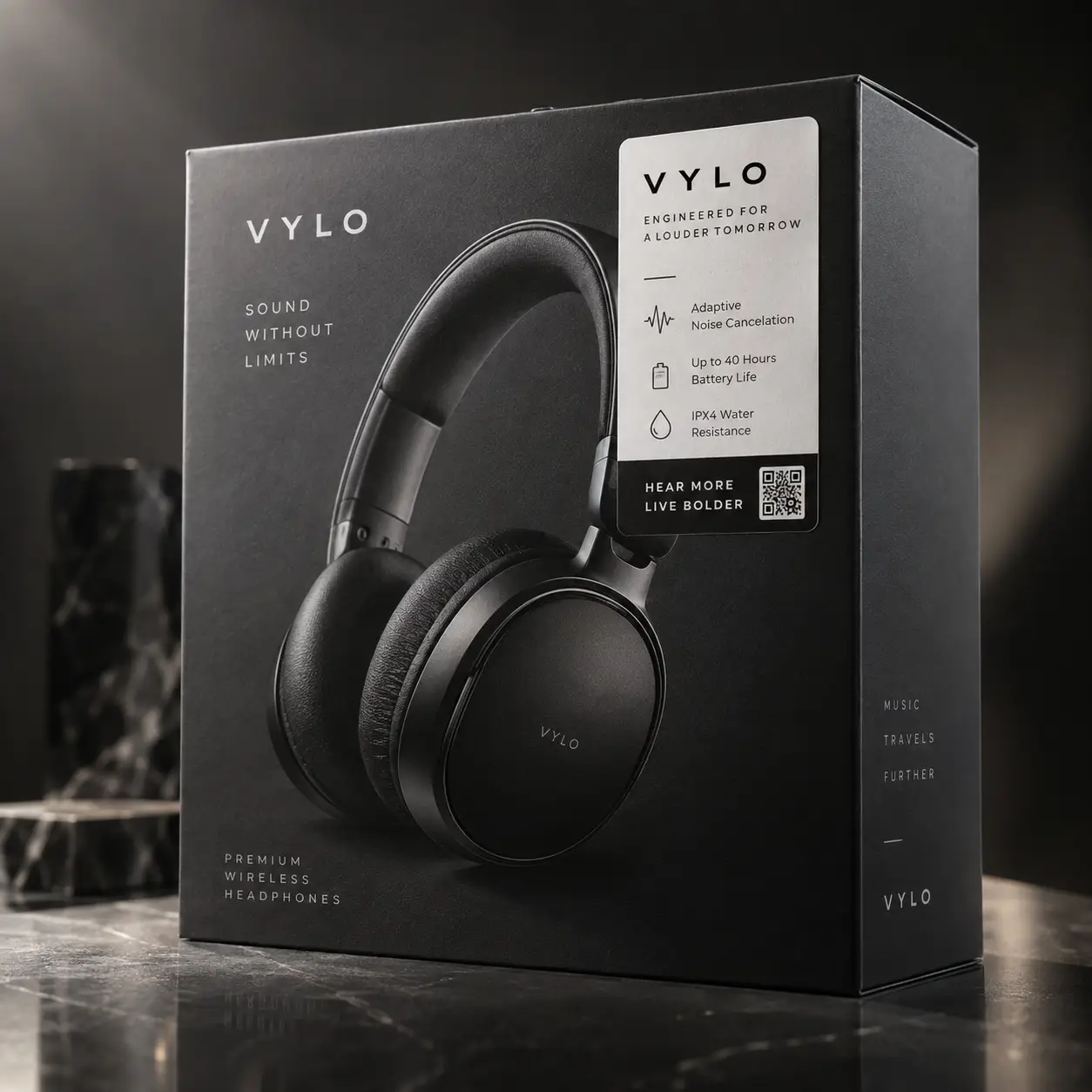
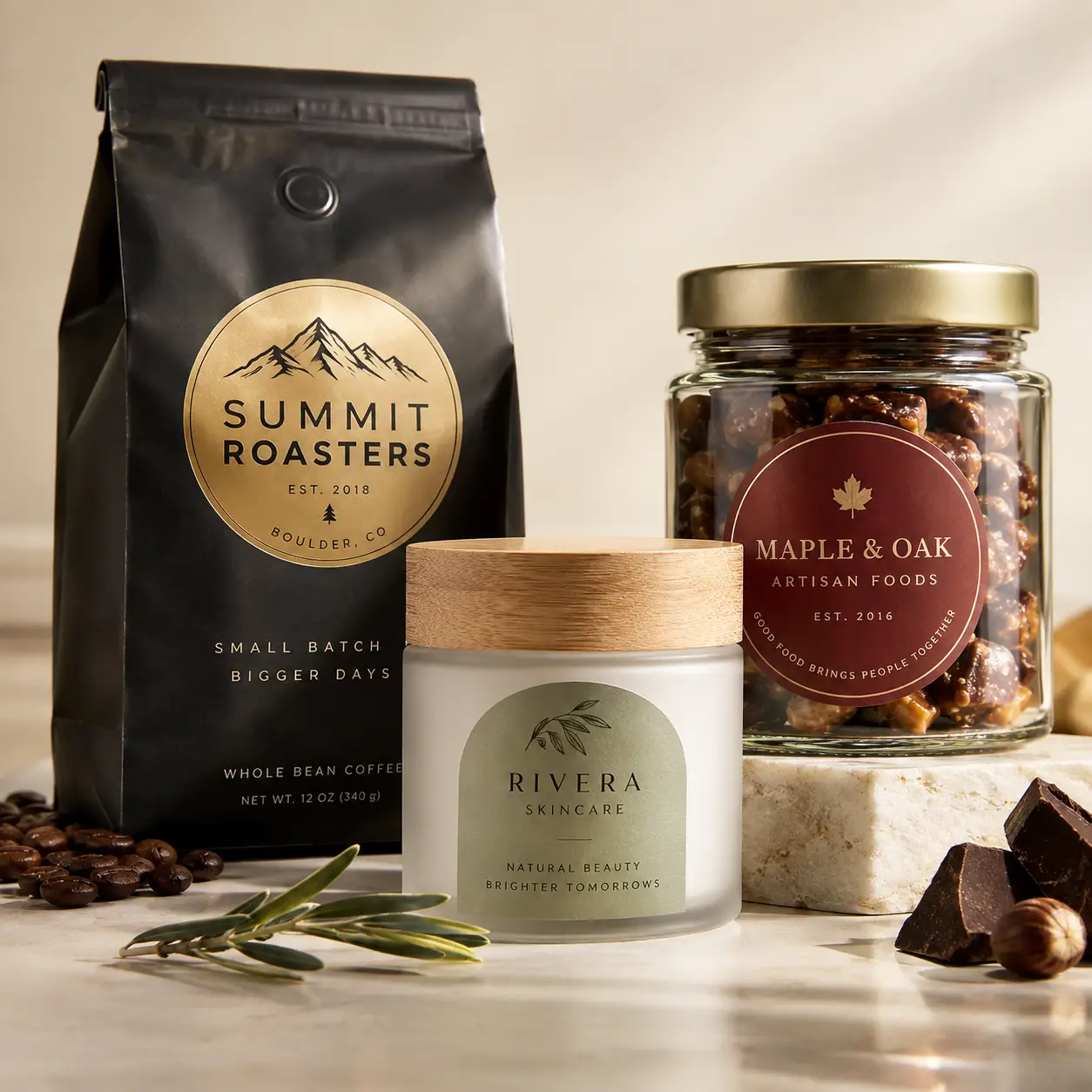
Permanent adhesive can be paired with almost any face material. Paper is economical for boxes and dry goods. BOPP film resists water and oils for bottles, jars, and bath products. Vinyl conforms to curves and squeeze bottles and handles outdoor exposure. Polyester offers heat, chemical, and abrasion resistance for equipment and industrial labels. Gloss or matte laminates protect printing from scuffs and moisture.
Application technique decides how well permanent labels hold. Clean surfaces of oil, dust, and moisture, and apply labels at room temperature rather than to chilled containers. Press firmly from the center outward with a squeegee or applicator roller to remove air and maximize contact. Allow about twenty-four hours before exposing labels to washing, freezing, or heavy handling, since the bond strengthens over time.
Every order of custom permanent stickers includes free adhesive guidance, custom sizes and shapes, and quality checks on print, adhesion, and cut accuracy. Request a free sample from The Packaging Masters and test it on your containers before approving production.
Custom permanent stickers use adhesives designed to stay attached for the life of the product on most clean, smooth surfaces. Strength builds over about a day after application. For very difficult surfaces such as polyethylene or powder coat, a high tack adhesive may provide a more reliable bond.
They are not designed for removal, so taking them off usually requires effort and may leave residue or tear the label. Gentle heat from a hair dryer and rubbing alcohol or adhesive remover help. For temporary uses, removable or low tack adhesives are the better choice.
Laminated vinyl and polyester handle sun, rain, and temperature swings best. Our vinyl stickers explain thick, flexible outdoor constructions, while polyester suits equipment and industrial parts that need extra heat and chemical resistance in harsh conditions. We can recommend the right face for your environment.
With BOPP or vinyl faces and a laminate, permanent labels resist water, condensation, and washing. Our waterproof stickers explain constructions for bath products, chilled drinks, and kitchen items. Paper faces are not waterproof even with permanent adhesive, so choose film whenever labels will get wet.
Yes. Brushed metal films with permanent adhesive create durable nameplates for appliances, electronics, and equipment. Our brushed aluminum stickers explain the finish, which gives products a premium machined look at a fraction of engraved plate costs and with full color printing available.
Standard permanent adhesives can lose grip when applied to cold surfaces or stored frozen. Freezer-grade adhesives are formulated to bond and stay flexible at low temperatures. Tell us your storage and application temperatures, and we will recommend an adhesive that performs reliably.
Pricing depends on face material, size, quantity, and finish. Permanent BOPP labels on rolls start around $0.05 per unit at higher volumes, while vinyl, polyester, and specialty adhesives cost more. Larger runs lower the unit price, so request a quote with your specifications.
Most permanent label orders ship in about 5 to 8 business days after proof approval. Rush production is available for launches and replenishment. Specialty adhesives or polyester faces may need extra time, so share your deadline early and we will confirm timing.
Instead of generic stock boxes, every project starts with your product, your goals, and your customer experience — so the packaging protects in transit and still feels premium in hand.
Built to your product, not pulled from a shelf of ready-made sizes.
Strong structures, neat edges, and finishes that actually sell.
Businesses and individuals can order — start with a small run and scale when you’re ready.
4–5 business days production after proof approval — you always know what’s next.
Copyright © 2026 thepackagingmasters.com All rights reserved.