
01
Finalize your design
Sizes, materials, finishes, and artwork are locked in. You review the proof carefully and approve when every detail matches your brief.
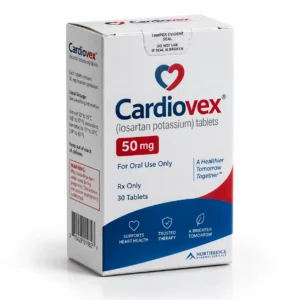
Walk down any pharmacy aisle and most cartons you see share one simple structure. Tuck end medicine boxes are the workhorse of pharmaceutical packaging because they are affordable, fast to pack, and easy to open, yet small details decide whether they look professional or flimsy.
The Packaging Masters builds straight and reverse tuck cartons with secure friction locks, coding panels, and leaflet space sized for your product. For heavier items, consider crash lock bottom cartons, while slim tube cartons suit topical lines.
What Makes Us Different?
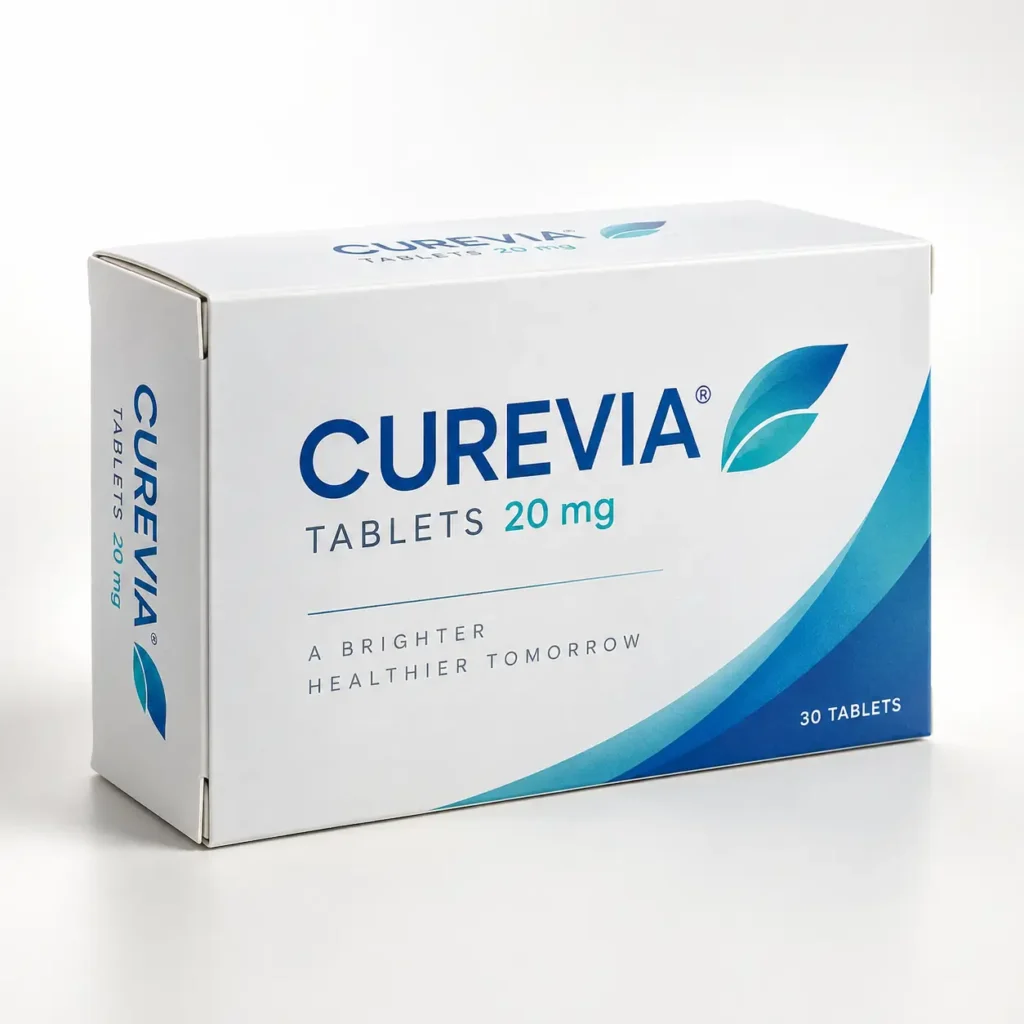
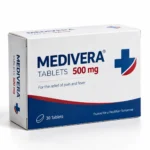
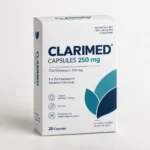

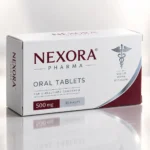

From approval to doorstep — handled end to end.
Every order runs through four specialist teams — structural design, print, finishing, and dispatch — so your packaging keeps moving without bottlenecks, delays, or guesswork.
Sizes, materials, finishes, and artwork are locked in. You review the proof carefully and approve when every detail matches your brief.
Your job moves to print, cutting, lamination, and finishing. Our production team monitors color, registration, and structural accuracy.
Finished boxes are checked against the approved sample, counted, and securely packed to protect edges and print during transit.
Dispatch shares tracking details so your team can plan filling and launch dates. Your packaging arrives press-ready and production-ready.
A tuck flap held only by a loose fold can spring open on a crowded shelf or in a delivery bag. Thin board crushes at the corners, and undersized dust flaps let the carton twist out of square. On a pharmacy shelf, a single bent box makes the whole product line look careless.
Weight is the other limit. Tuck bottoms rely on friction, so they work best for light products such as blister cards, tubes, sachets, and small vials. Heavier glass bottles can push through the base. Tuck cartons also reclose easily, which means OTC products often need added tamper evidence like the features in our tamper-evident pharma packaging.
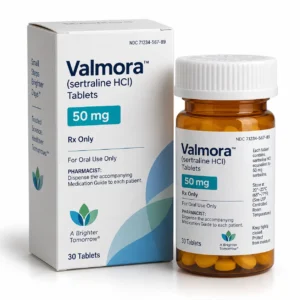
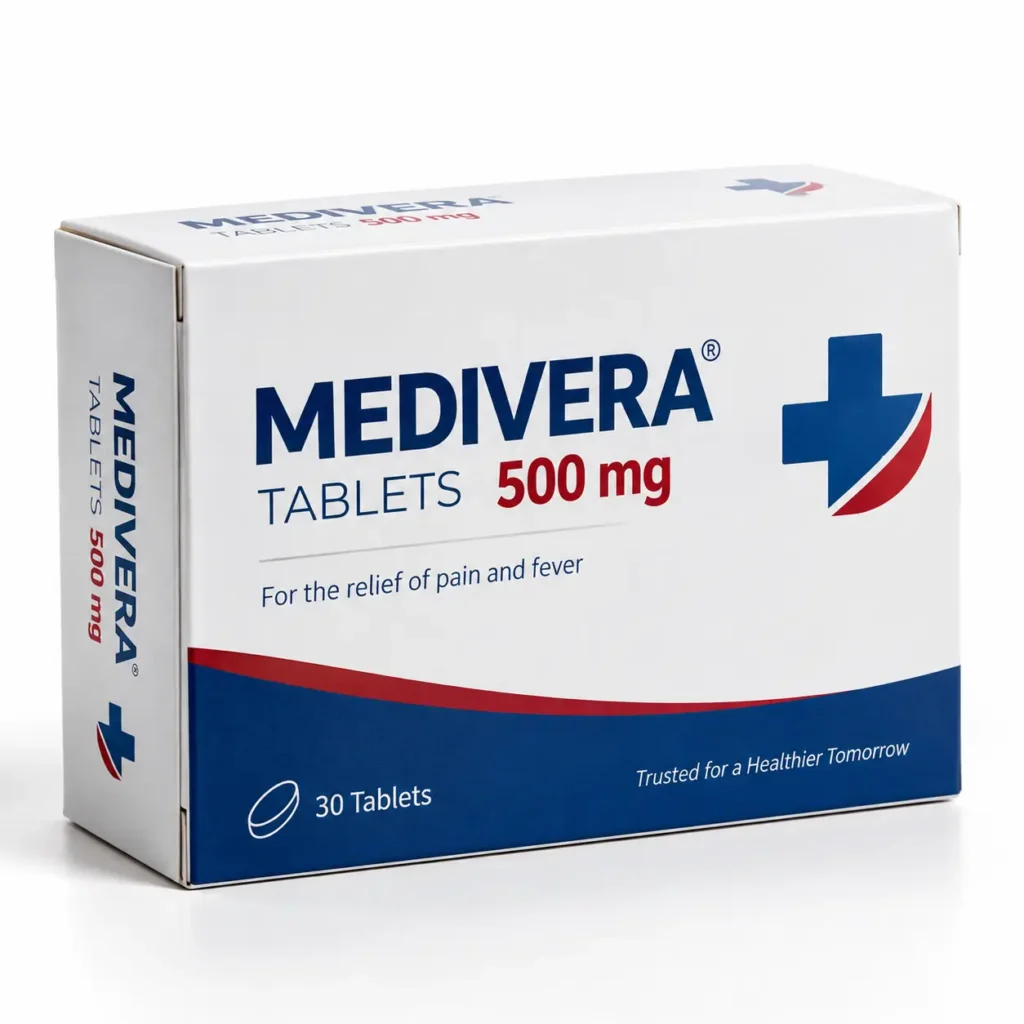
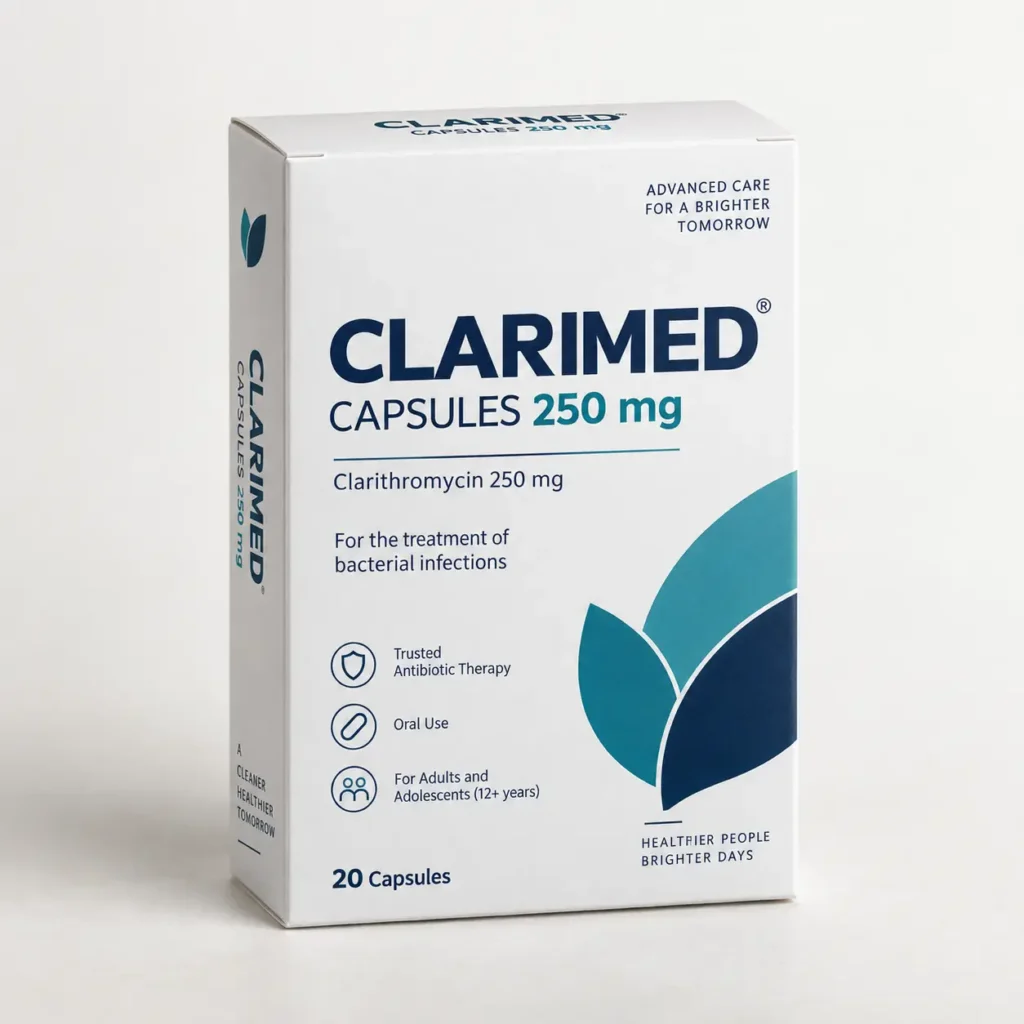
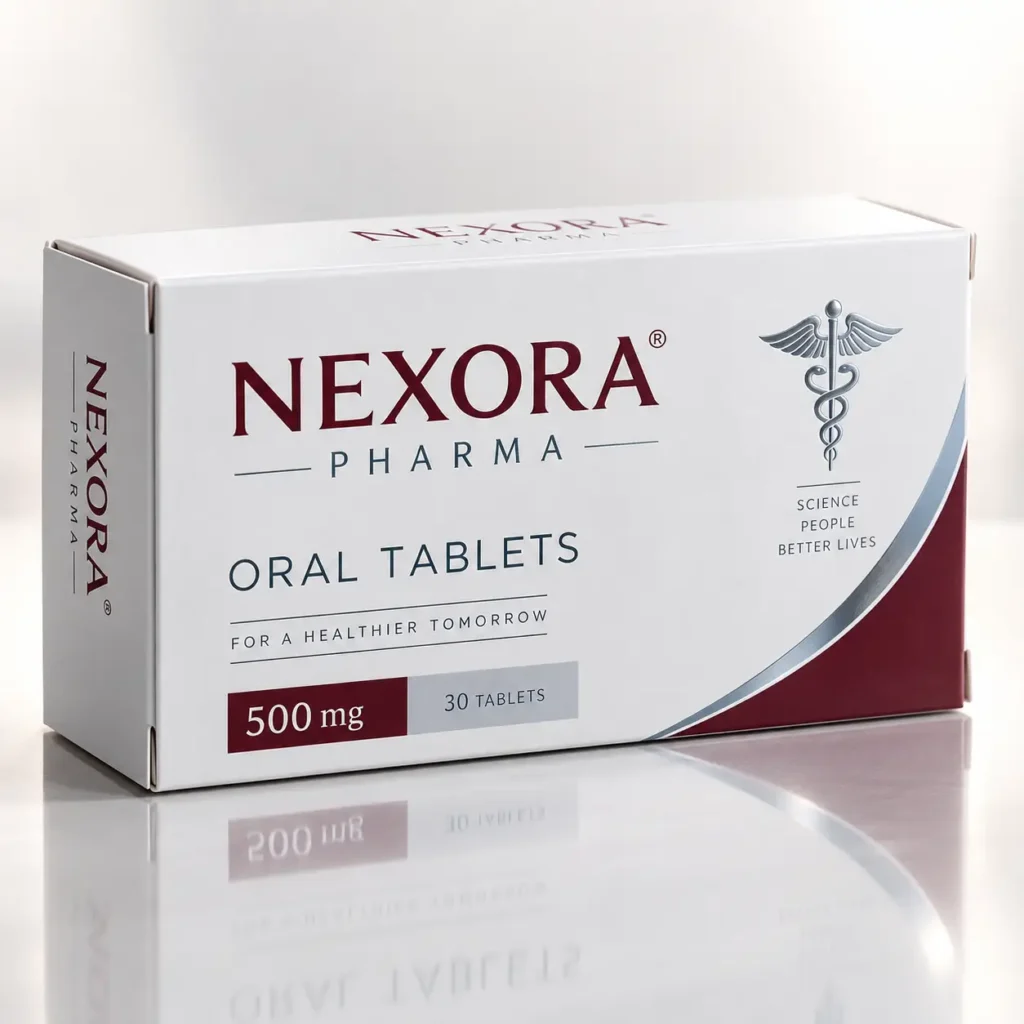
Well-made tuck end medicine boxes use the right board caliper, a friction or slit lock on the tuck flap, and dust flaps sized to keep the carton rigid. Blister products are the most common use, as shown in our tablet and blister cartons, where a snug tuck carton protects foil backing from damage.
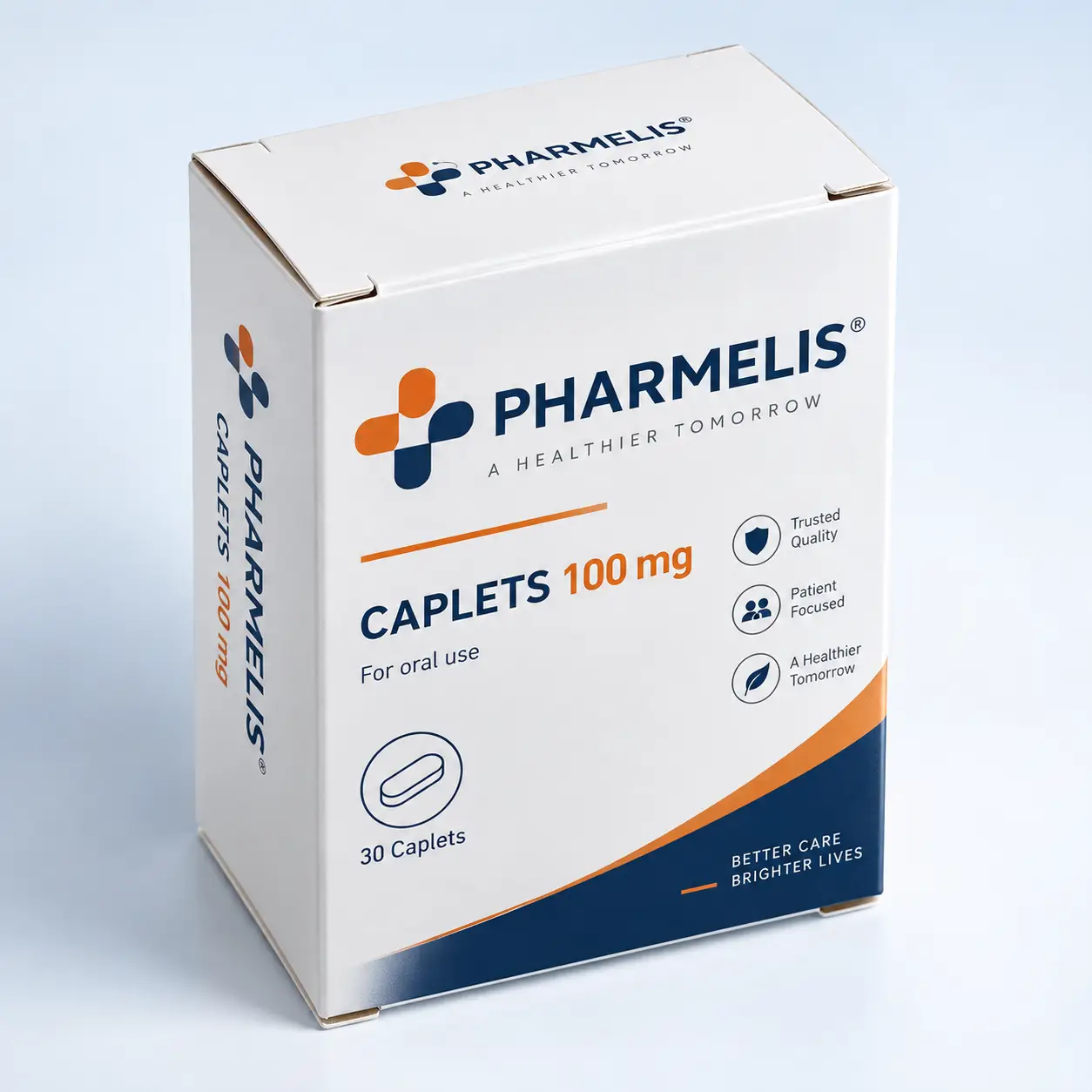
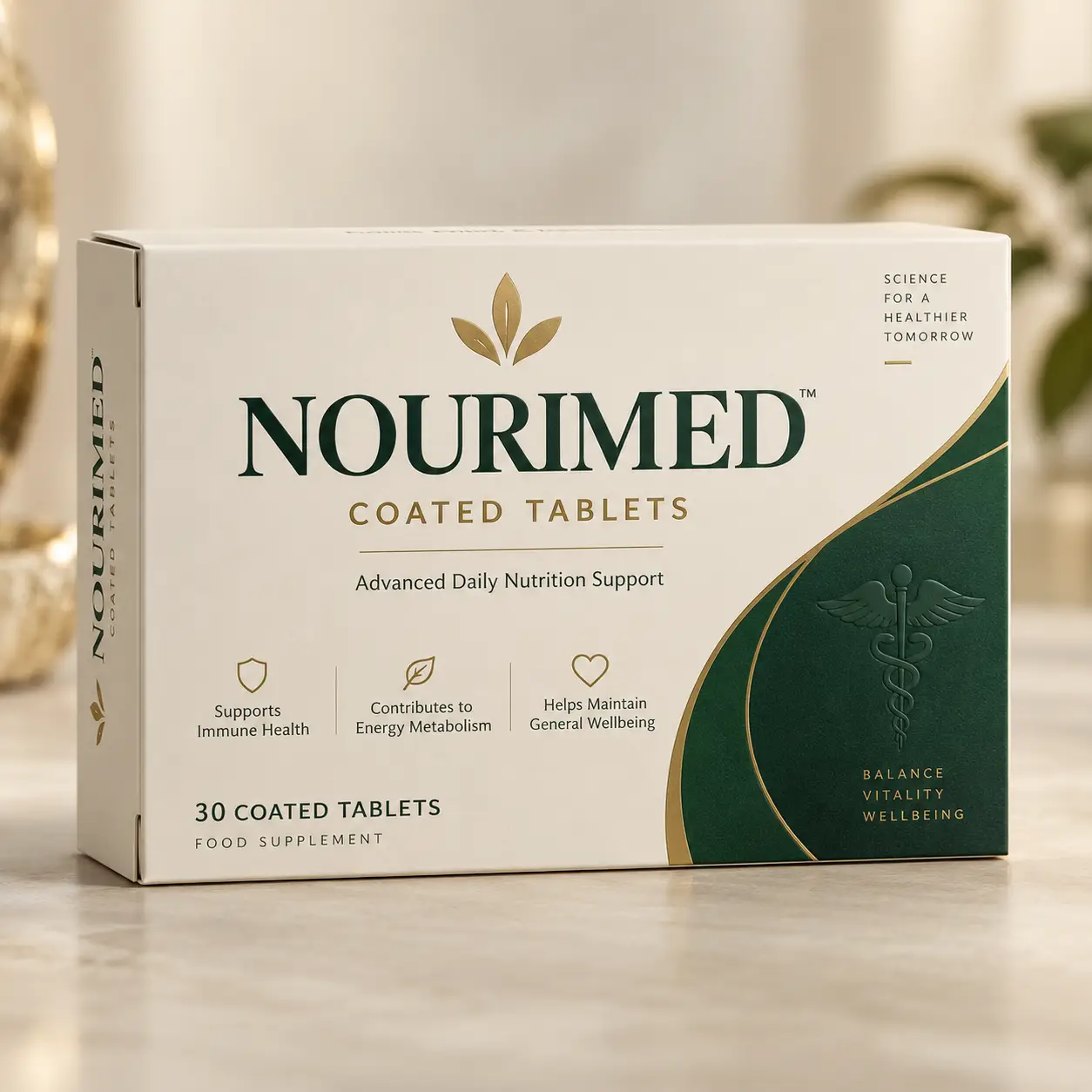
The two main tuck styles look similar but behave differently on shelves and packing lines. Competitors rarely explain the difference, yet it affects appearance, cost, and display.
| Style | How Flaps Close | Best For |
|---|---|---|
| Straight tuck end | Top and bottom tuck from the same side | Clean front panels and window displays |
| Reverse tuck end | Top and bottom tuck from opposite sides | Economical runs and high-speed packing |
| Tuck top, crash bottom | Tuck lid with pre-glued auto bottom | Heavier bottles and jars |
| Hang tab tuck | Straight tuck with a die-cut hanger | Peg displays near checkout |
Straight tuck cartons hide the flap edge on the front panel, so artwork looks cleaner. Reverse tuck cartons often nest more efficiently on the press sheet, which can lower cost. Hang tab tuck cartons sell well from peg walls and checkout areas, alongside formats like our counter display pharma boxes. We recommend a style after reviewing your product and packing method.
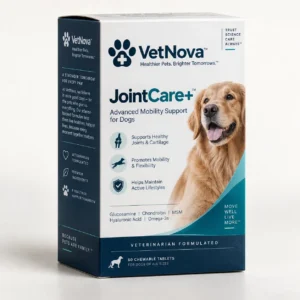
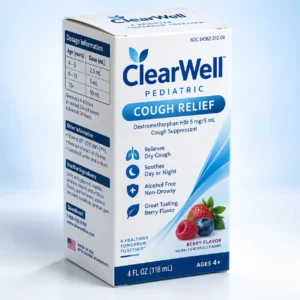
OTC brands use tuck cartons for pain relief, allergy, digestive, and sleep products because they are cost-effective at high volumes. Topical brands package creams and ointment tubes in slim tuck cartons. Generic manufacturers rely on them for consistent, machine-friendly packaging across dozens of strengths and SKUs.
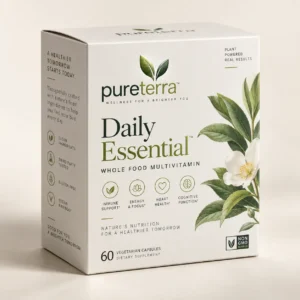
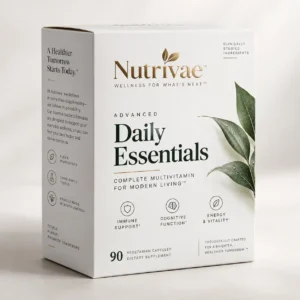
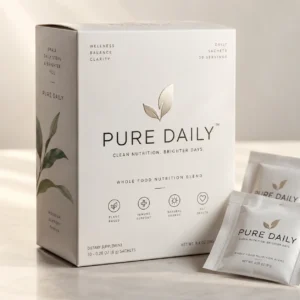
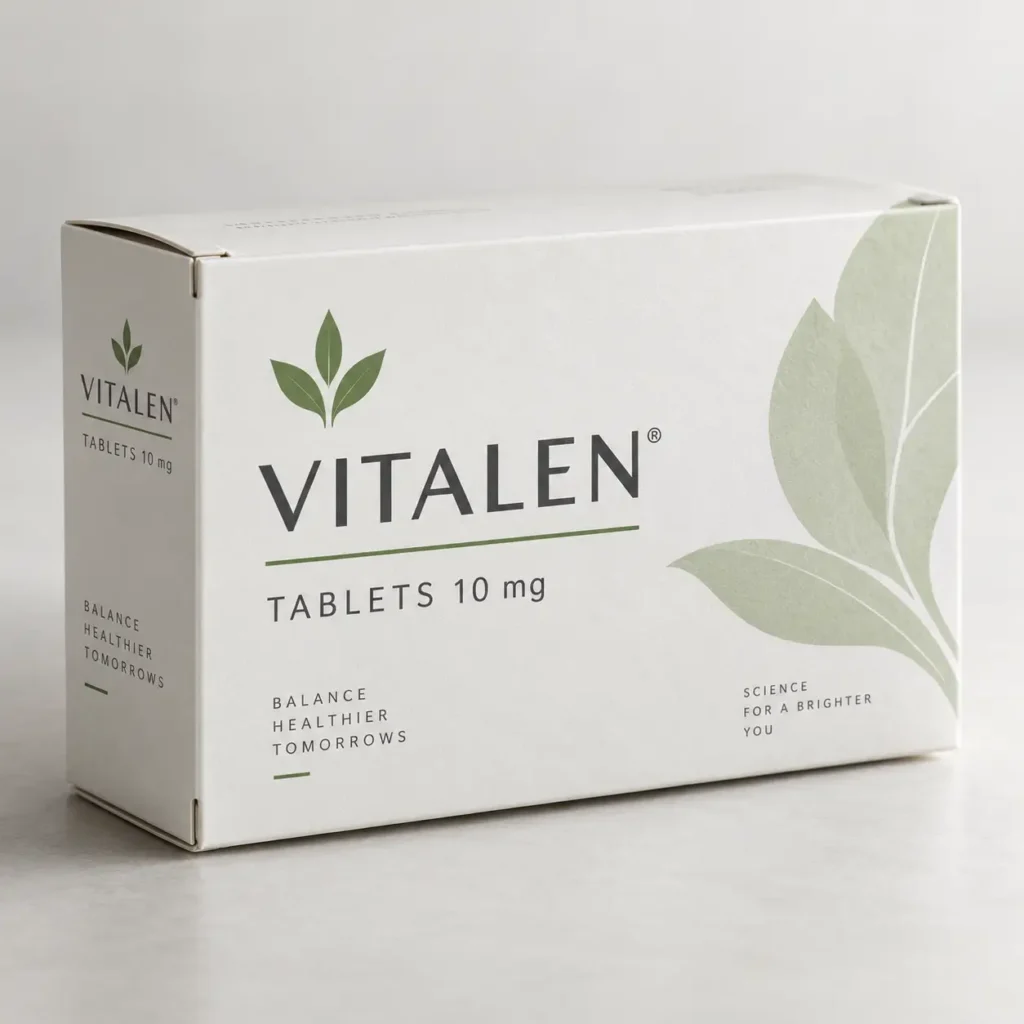
Vitamin and supplement brands also choose tuck cartons for capsule bottles and blister packs, much like our vitamin packaging boxes. Digital printing makes it easy to produce several strengths or flavors in one order, each with its own color band while sharing one structure. That keeps tooling costs low across an entire product family.
Tell us your product dimensions, packing method, and quantity. We will recommend a tuck style, board caliper, and lock type, then send a digital proof within 24 hours. Request your quote today and launch tuck end medicine boxes that look sharp and pack fast on every shift.
Start Your Quote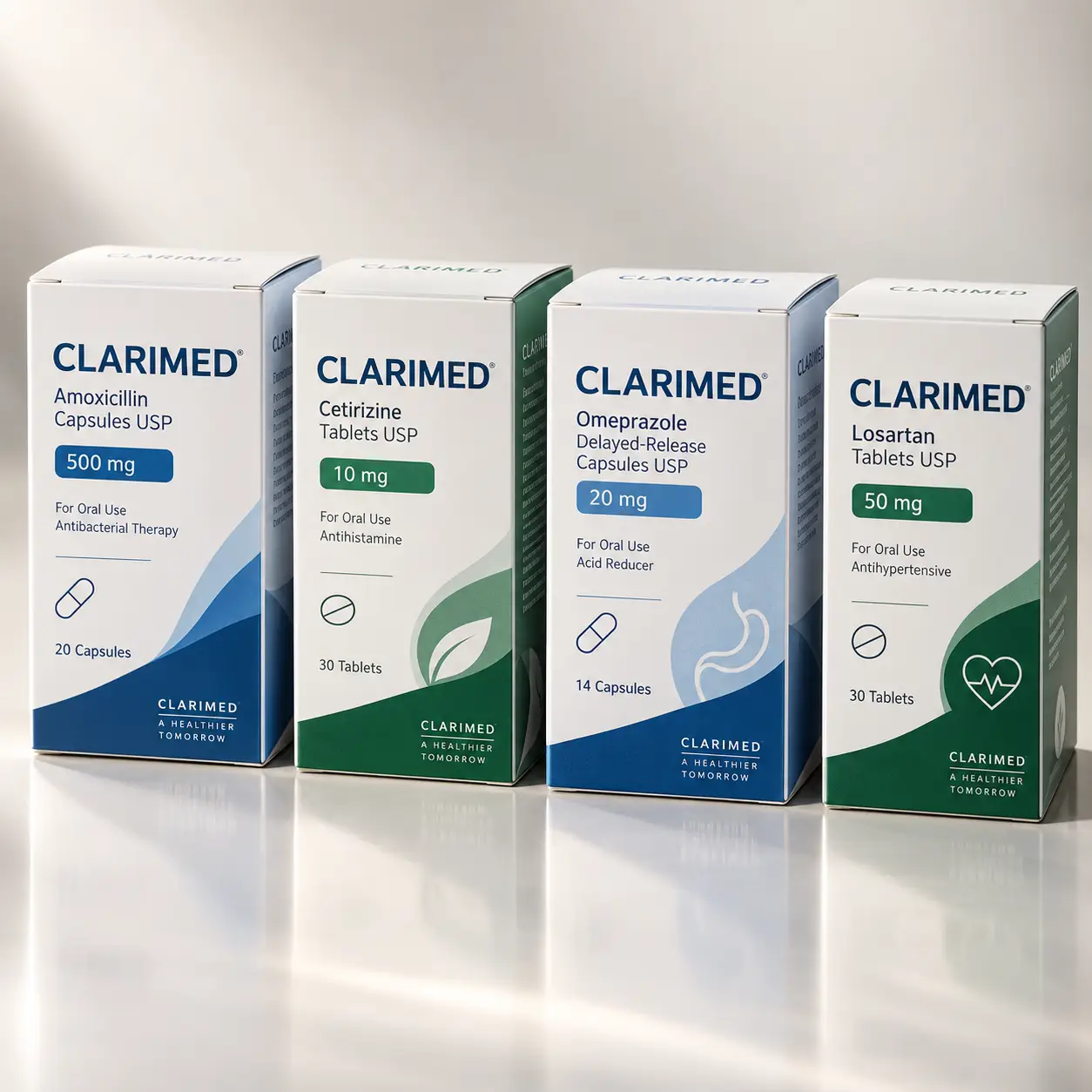
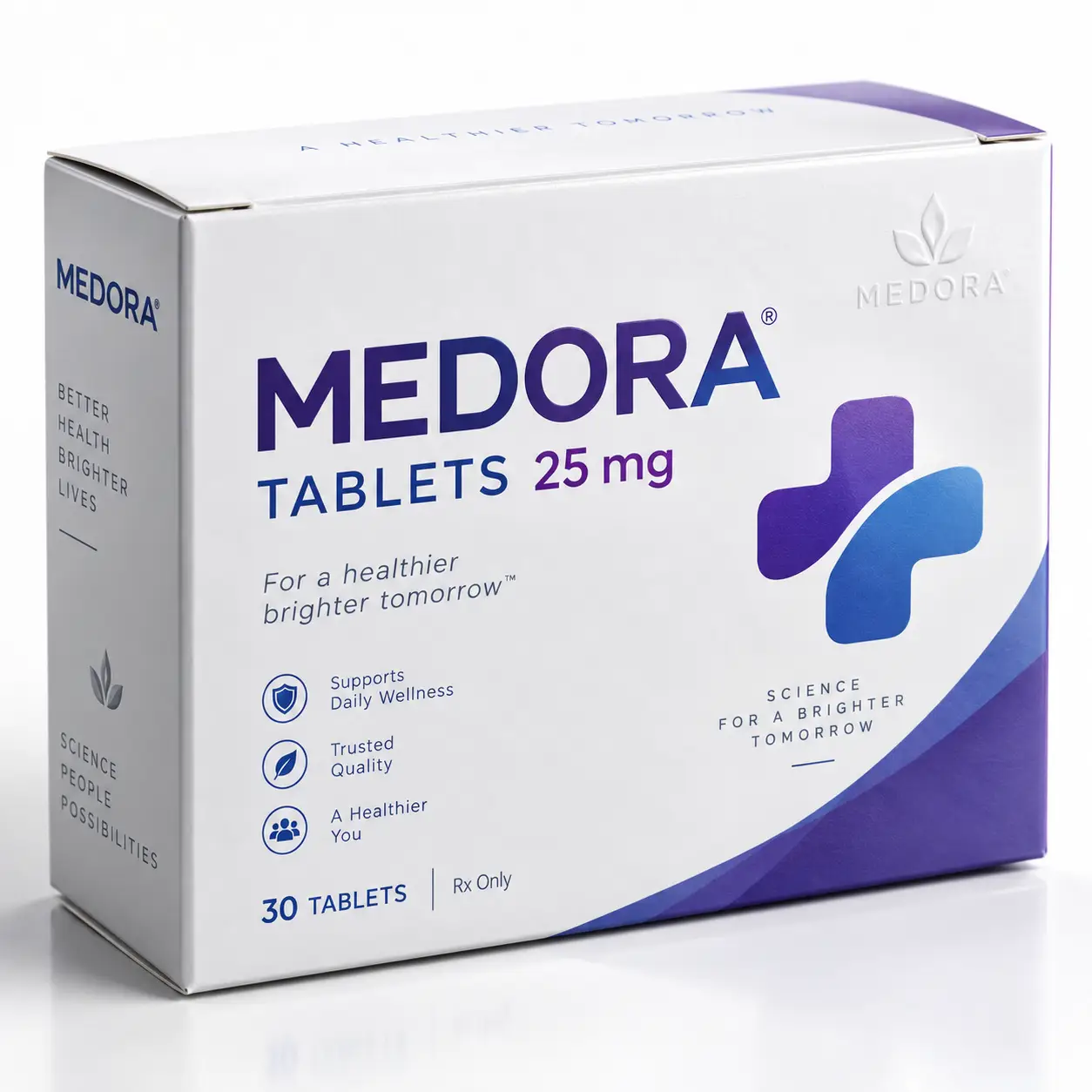
SBS board between 14 and 18 point suits most tuck cartons, while larger or heavier products need 20 to 24 point. Leave an end flap uncoated so lot numbers and expiry dates print cleanly with inkjet coders. Matte aqueous coatings reduce glare on dosage text and protect the print during handling.
Tuck cartons are naturally efficient, using a single piece of paperboard with minimal glue. Choosing FSC or recycled board and avoiding plastic windows keeps them fully recyclable, as explained in our eco friendly pharma cartons.
Every order of tuck end medicine boxes includes free design support, custom sizes, and quality checks on flap fit, lock strength, and print accuracy. Request a free sample from The Packaging Masters, fold a few by hand or run them on your cartoner, and check that the tuck stays closed before approving production. A quick shake test reveals any loose flaps immediately.
Tuck end medicine boxes suit lightweight products such as blister cards, tubes, sachets, small vials, and capsule bottles. They are affordable, quick to assemble, and easy for patients to open. Heavier glass bottles usually need a crash lock base for extra strength.
In a straight tuck carton, both flaps tuck from the same side, giving a clean front panel. In a reverse tuck carton, the flaps tuck from opposite sides, which often saves board and suits high-speed packing. Both protect lightweight medicines well when sized correctly.
Yes. Braille fits on the large flat panels of tuck cartons, away from folds and glue. Our braille medicine cartons explain dot height and placement, which matter most for brands that sell medicines in Europe, the United Kingdom, or Canada.
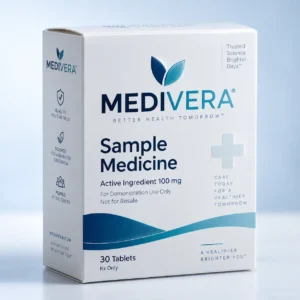
Yes. Mini tuck cartons are the most common and affordable format for physician samples and trial packs. Our sample medicine boxes show compact designs that match your full-size carton, keeping branding consistent from the first trial to the full purchase.
A basic tuck carton is not child-resistant on its own, but special locking structures can be added. Our child-resistant pharma cartons explain slide-lock and push-button designs, which need independent testing in their final configuration before you make any child-resistance claims.
Yes. Tuck cartons are among the easiest and fastest styles for automatic cartoners. We set grain direction, glue position, and tolerances to match your machine, then send production-grade samples so you can run a line trial before approving the full order.
Custom tuck cartons start around $0.09 per unit at volume. Pricing depends on size, board, printing colors, coatings, and quantity. Hang tabs, windows, and foil add some cost. We send detailed wholesale quotes within 24 hours, with lower pricing at larger quantities.
Printed tuck cartons usually ship in about 8 to 12 business days after proof approval. Braille, foil, or special finishes may take a little longer. Rush options are available, and we confirm your full timeline in the quote, including delivery to your facility.
Instead of generic stock boxes, every project starts with your product, your goals, and your customer experience — so the packaging protects in transit and still feels premium in hand.
Built to your product, not pulled from a shelf of ready-made sizes.
Strong structures, neat edges, and finishes that actually sell.
Businesses and individuals can order — start with a small run and scale when you’re ready.
4–5 business days production after proof approval — you always know what’s next.
Copyright © 2026 thepackagingmasters.com All rights reserved.