
01
Finalize your design
Sizes, materials, finishes, and artwork are locked in. You review the proof carefully and approve when every detail matches your brief.
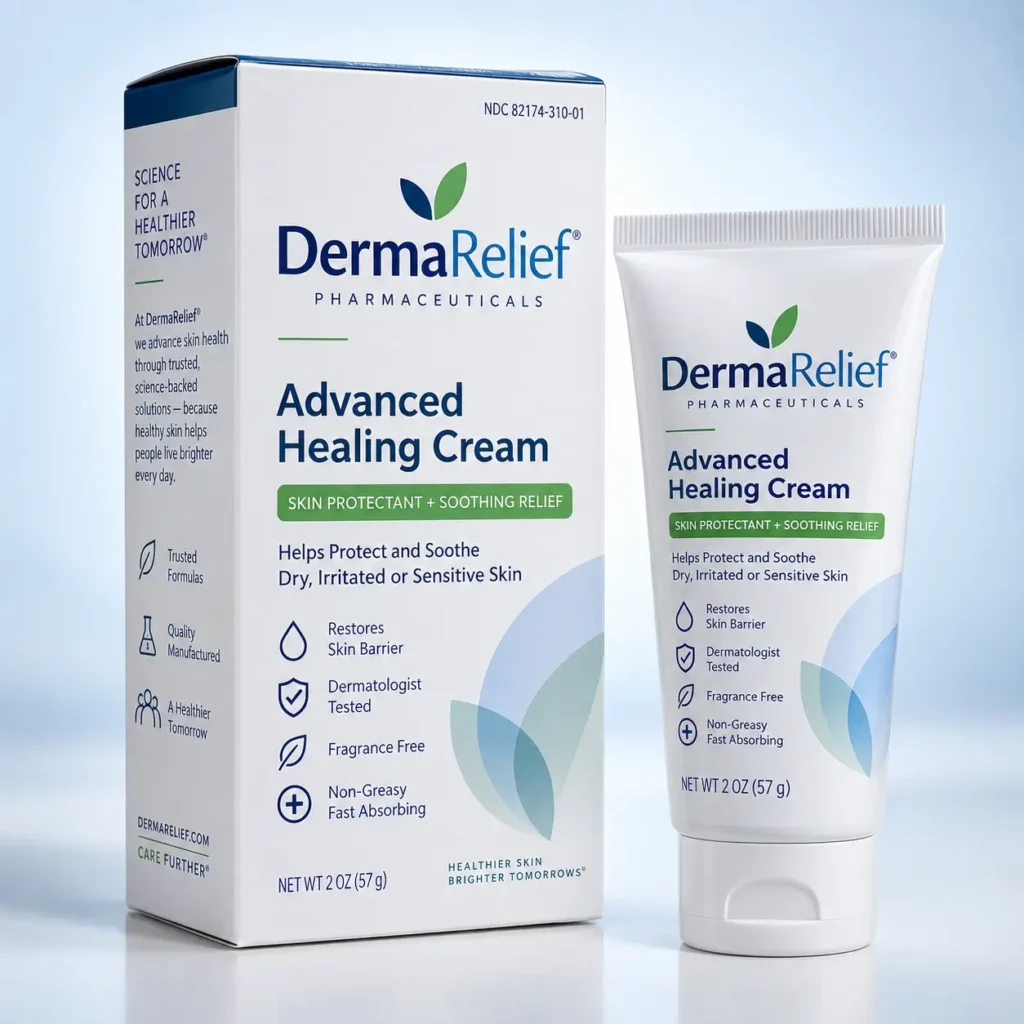
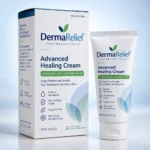
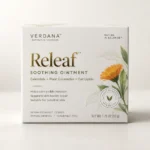
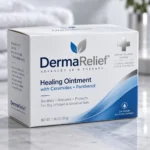
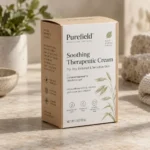
An ointment tube is one of the trickiest products in a pharmacy to box well. Ointment & cream boxes must fit a tapered tube with a crimped end and a tall cap, hold a leaflet without crushing the seal, and still give medicated topicals enough flat space for every required detail.
The Packaging Masters designs topical cartons around real tube lengths, jar diameters, and OTC labeling needs, not generic cosmetic templates. They work alongside slim tuck end medicine cartons and tamper-evident seals across your skincare and treatment range.
What Makes Us Different?

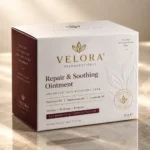
From approval to doorstep — handled end to end.
Every order runs through four specialist teams — structural design, print, finishing, and dispatch — so your packaging keeps moving without bottlenecks, delays, or guesswork.
Sizes, materials, finishes, and artwork are locked in. You review the proof carefully and approve when every detail matches your brief.
Your job moves to print, cutting, lamination, and finishing. Our production team monitors color, registration, and structural accuracy.
Finished boxes are checked against the approved sample, counted, and securely packed to protect edges and print during transit.
Dispatch shares tracking details so your team can plan filling and launch dates. Your packaging arrives press-ready and production-ready.
Most cream box templates were built for cosmetics. They assume a jar or a simple tube and ignore the details of medicated topicals. A 30 gram aluminum tube in an oversized carton slides back and forth, dents easily, and can crack at the crimp. A snug carton that ignores cap height crushes the cap or forces the box open at the top.
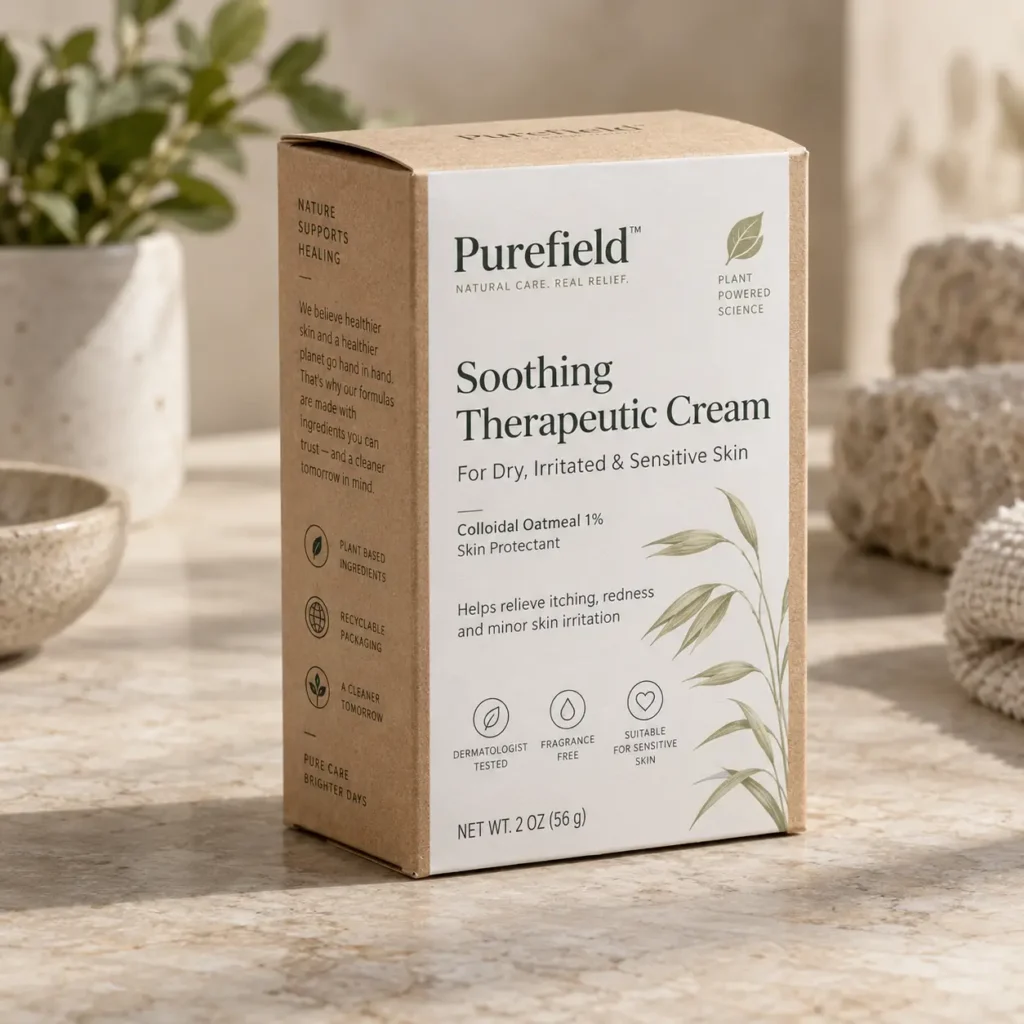
Labeling causes the next problem. Hydrocortisone, antibiotic, antifungal, and pain relief creams often need a full Drug Facts panel, warnings, and directions, all on a narrow carton. Cosmetic-style layouts leave too little room, so text shrinks until it is unreadable. Eye ointments face the same squeeze, which is why they often share structures with our eye drop bottle boxes.
Well-designed ointment & cream boxes start with the tube or jar dimensions, add a closure that stays shut, and plan panels around regulatory content. Small single-use packets and travel tubes also slot neatly into kits like our first aid kit boxes.
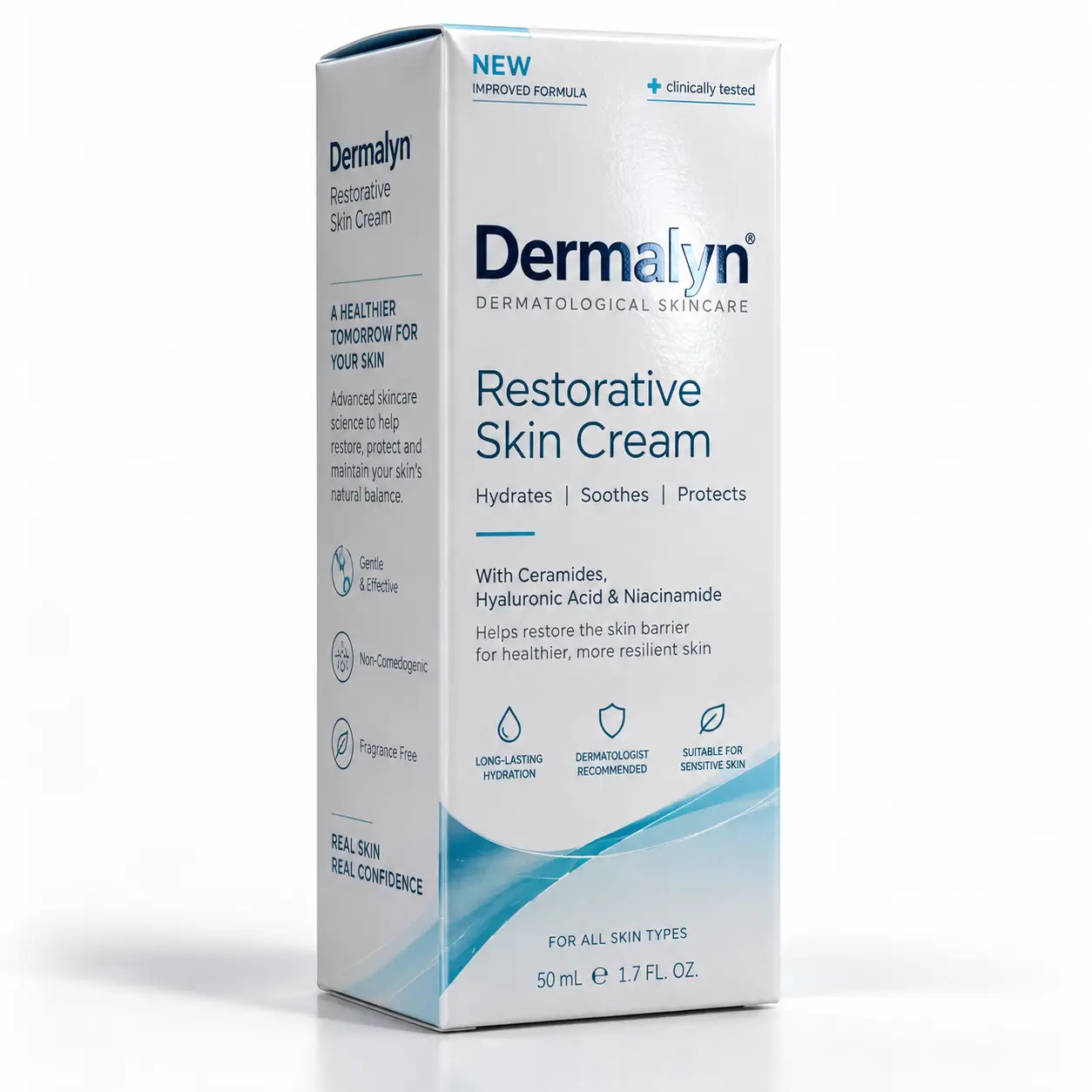
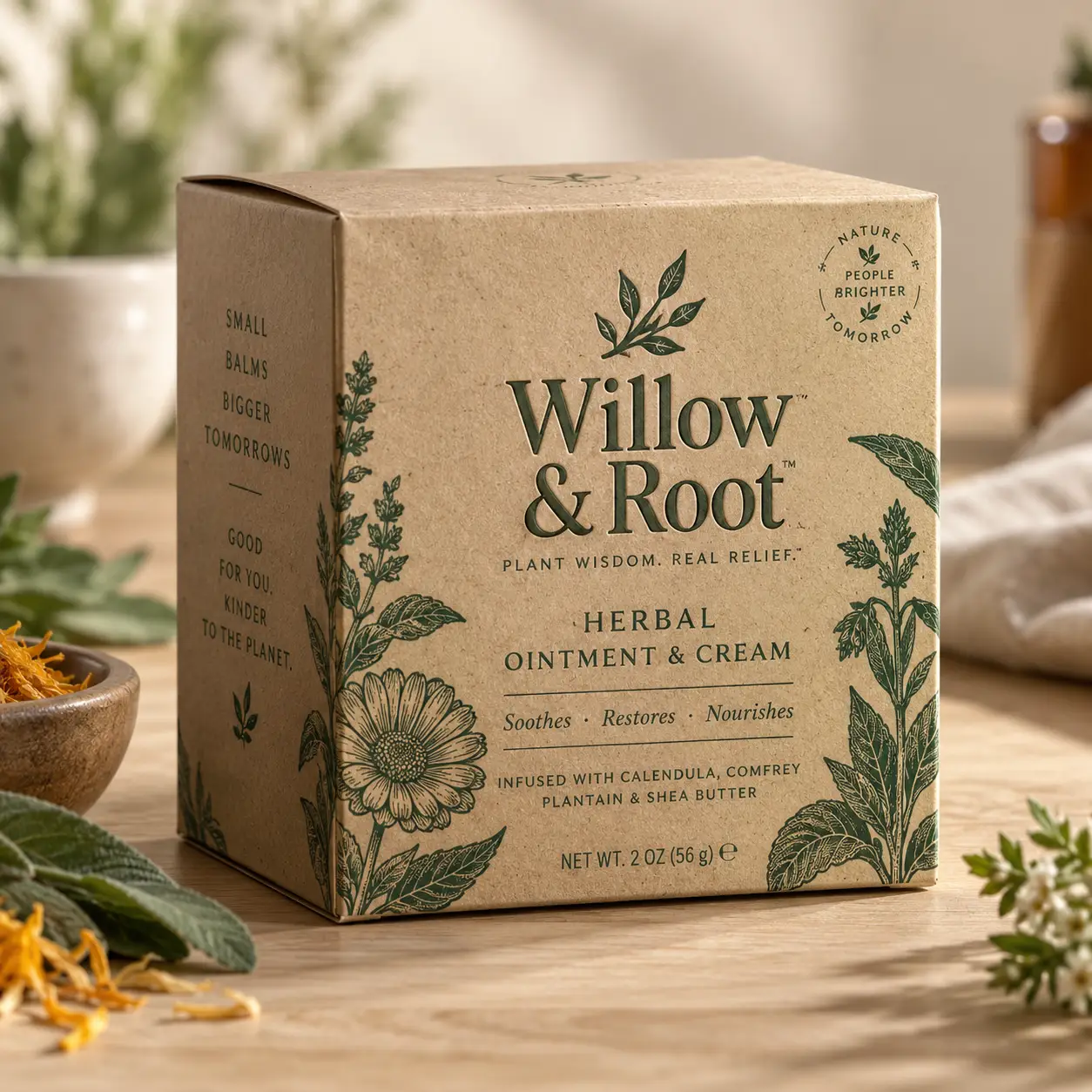
Topical products come in several containers, and each needs a slightly different carton approach. This guide shows the most common options.
| Container | Typical Use | Carton Focus |
|---|---|---|
| Aluminum tube | Ointments and medicated gels | Snug fit to prevent dents at the crimp |
| Laminate or plastic tube | Creams, lotions, and OTC topicals | Room for flip cap or tall screw cap |
| Jar with inner seal | Thick creams and balms | Collar insert to stop spinning |
| Pump bottle | Lotions and prescription creams | Pump lock and sturdy base |
Measure tube length from the crimp to the very top of the cap, and add a little clearance for loading. Many medicated tubes carry a piercing cap for the foil seal, which adds height. For accessibility, some brands add tactile text like our braille medicine cartons, especially for products sold in Europe. We confirm every size with your real container before production.
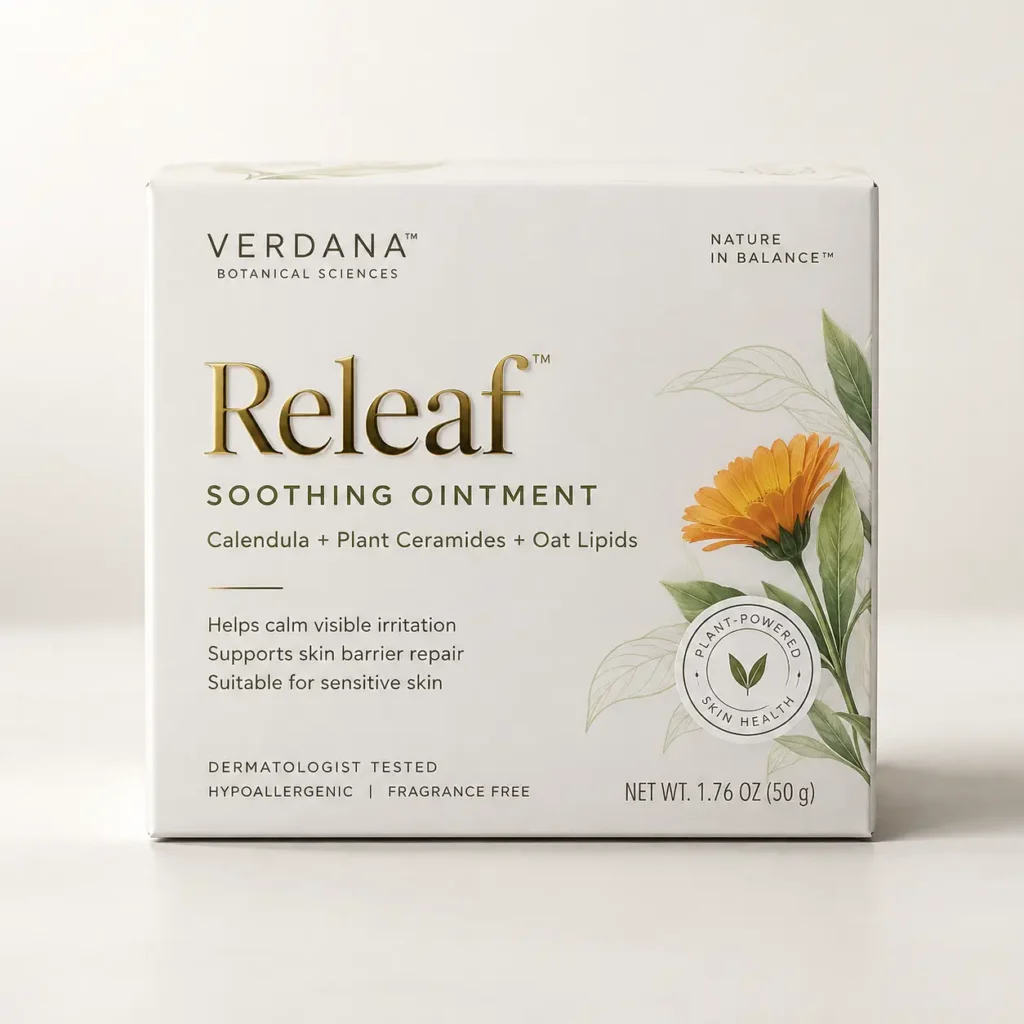
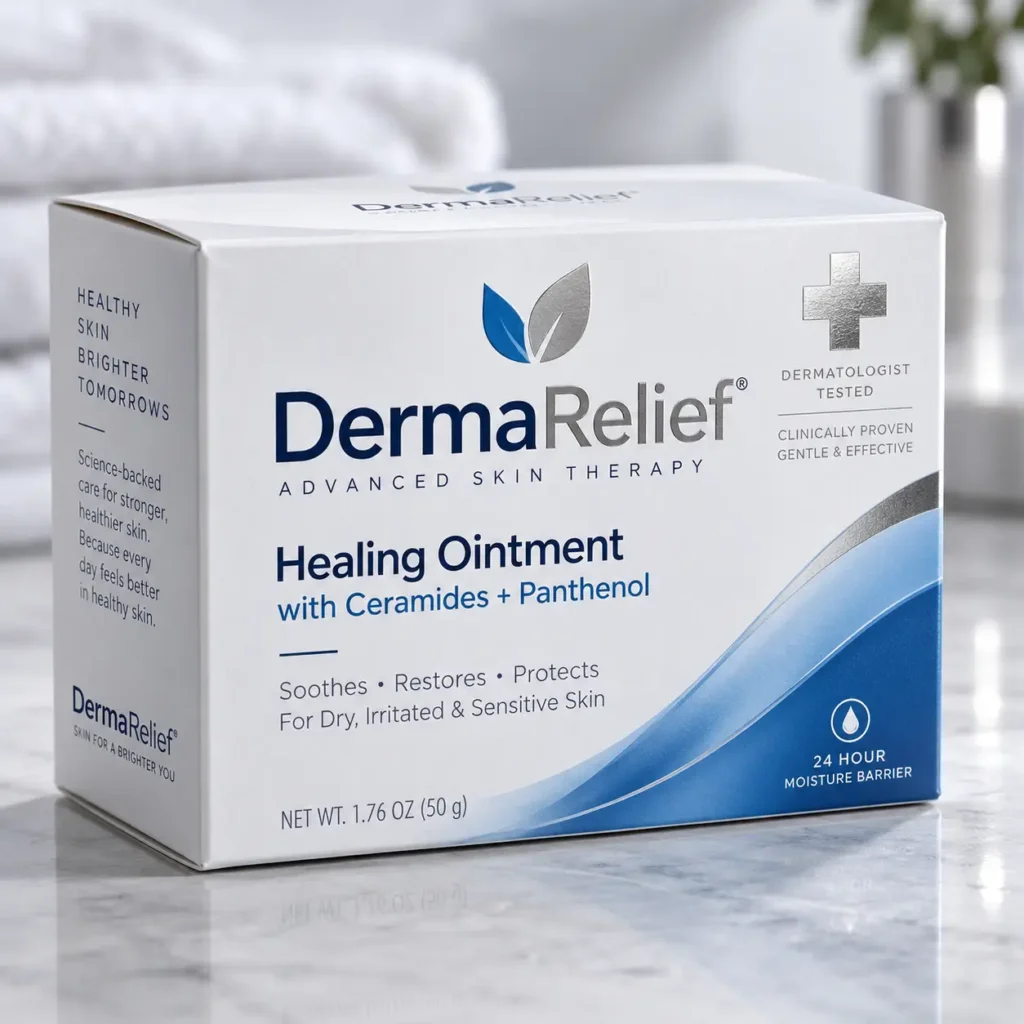
OTC brands package hydrocortisone, antibiotic ointment, antifungal cream, and muscle rubs that compete side by side on pharmacy shelves. Dermatology and skincare brands sell treatment creams for acne, eczema, and scars, often with a more premium look. Compounding pharmacies need short runs of plain or lightly branded cartons for custom formulations.
Animal health companies also sell wound ointments and ear creams for pets and livestock, often in cartons similar to our veterinary medicine boxes. Medicated and cosmetic products follow different labeling rules, so confirm requirements for your product with your regulatory adviser before final artwork.
Tell us your tube or jar dimensions, leaflet size, and quantity. We will recommend a carton style, insert, and label layout, then send a digital proof within 24 hours. Request your quote today and launch ointment & cream boxes that protect every tube and inform every user.
Start Your Quote
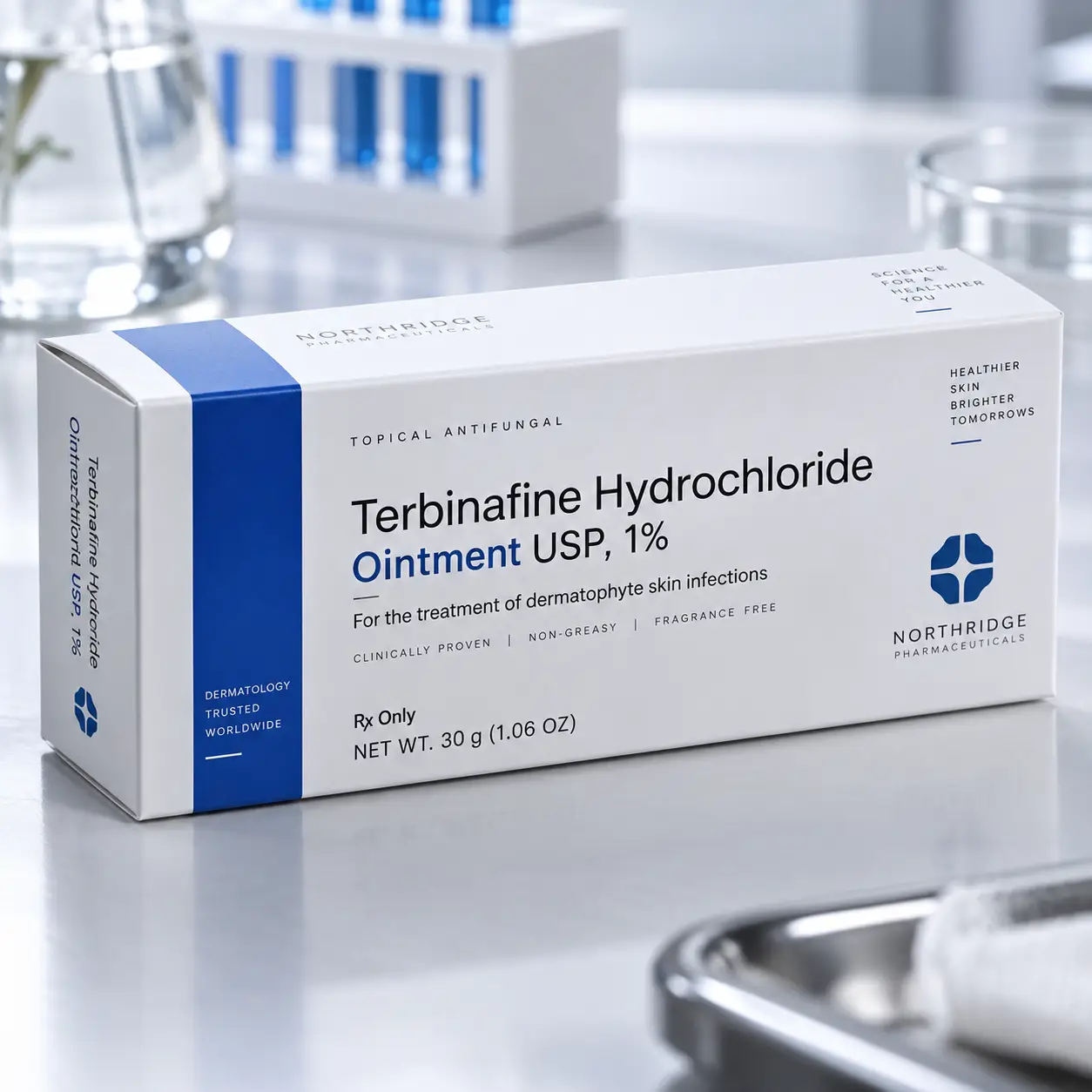
Bright white SBS board between 14 and 18 point prints sharp ingredient text and resists crushing on shelves. Leave the end flap or a side panel uncoated so lot numbers and expiry dates print cleanly with inkjet coders. Matte aqueous coatings reduce glare on small text while protecting the print.
Topical cartons are bought often, so sustainability adds up. FSC or recycled board, plastic-free inserts, and right-sized cartons cut waste, as explained in our eco friendly pharma cartons. Avoid unnecessary windows, which add plastic and expose light-sensitive formulas. A solid carton protects active ingredients and still looks clean and professional on shelf.
Every order of ointment & cream boxes includes free design support, custom sizes, and quality checks on tube fit, closure strength, and print accuracy. Request a free sample from The Packaging Masters, load your tube and leaflet, and shake the carton to check for movement before approving production.
Measure the tube from the crimped end to the top of the cap, then measure the widest point of the flattened tube. Ointment & cream boxes need a little clearance for loading and the leaflet. We confirm final dimensions with physical samples using your real tubes.
Many OTC medicated topicals, such as hydrocortisone or antibiotic ointments, include a Drug Facts panel on the outer carton. Cosmetic creams follow different labeling rules and usually use an ingredient list instead. Product classification depends on ingredients and claims, so confirm requirements with your regulatory adviser.
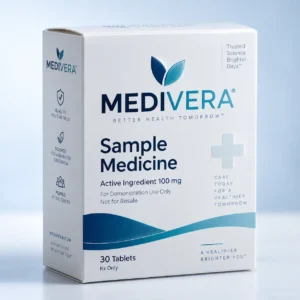
Yes. Trial tubes and sample sachets help dermatologists, clinics, and retailers introduce new formulas. Our sample medicine boxes show compact formats that match your full-size carton design, so patients recognize the product later when they buy a full-size tube at the pharmacy.
Yes. Small travel tubes, lip treatments, and first aid ointments sell well near checkout. Our counter display pharma boxes show compact displays for these items, and we size your carton so several fit neatly, stay upright, and face shoppers directly.
Some topical products, especially certain prescription formulas or concentrated preparations or those with specific active ingredients, may need child-resistant packaging. Our child-resistant pharma cartons explain paperboard options, and your compliance adviser can confirm whether your specific product requires them before printing.
Reverse or straight tuck closures with a friction lock work well for most tubes. Glued end flaps or tamper seals add security for OTC products. For heavier jars, a crash lock bottom keeps the base from opening during shipping and handling.
Custom topical cartons start around $0.14 per unit at volume. Pricing depends on size, board, printing colors, inserts, tamper seals, and quantity. Several strength versions add little cost with digital printing. We send detailed wholesale quotes within 24 hours, with lower pricing at volume.
Printed topical cartons usually ship in about 10 to 15 business days after proof approval. Inserts, braille, or special finishes may take longer. Rush options are available, and we confirm your full timeline in the quote, including delivery to your filling facility.
Instead of generic stock boxes, every project starts with your product, your goals, and your customer experience — so the packaging protects in transit and still feels premium in hand.
Built to your product, not pulled from a shelf of ready-made sizes.
Strong structures, neat edges, and finishes that actually sell.
Businesses and individuals can order — start with a small run and scale when you’re ready.
4–5 business days production after proof approval — you always know what’s next.
Copyright © 2026 thepackagingmasters.com All rights reserved.