
01
Finalize your design
Sizes, materials, finishes, and artwork are locked in. You review the proof carefully and approve when every detail matches your brief.
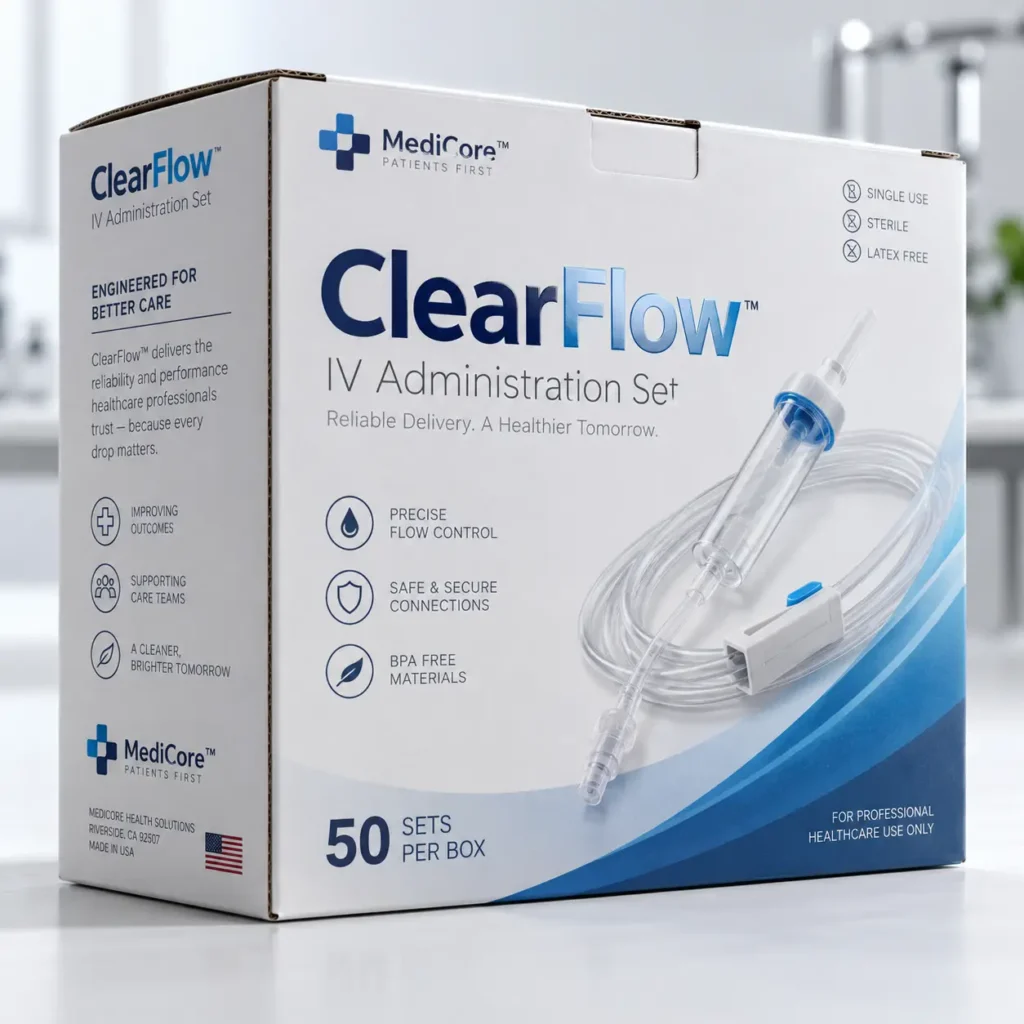
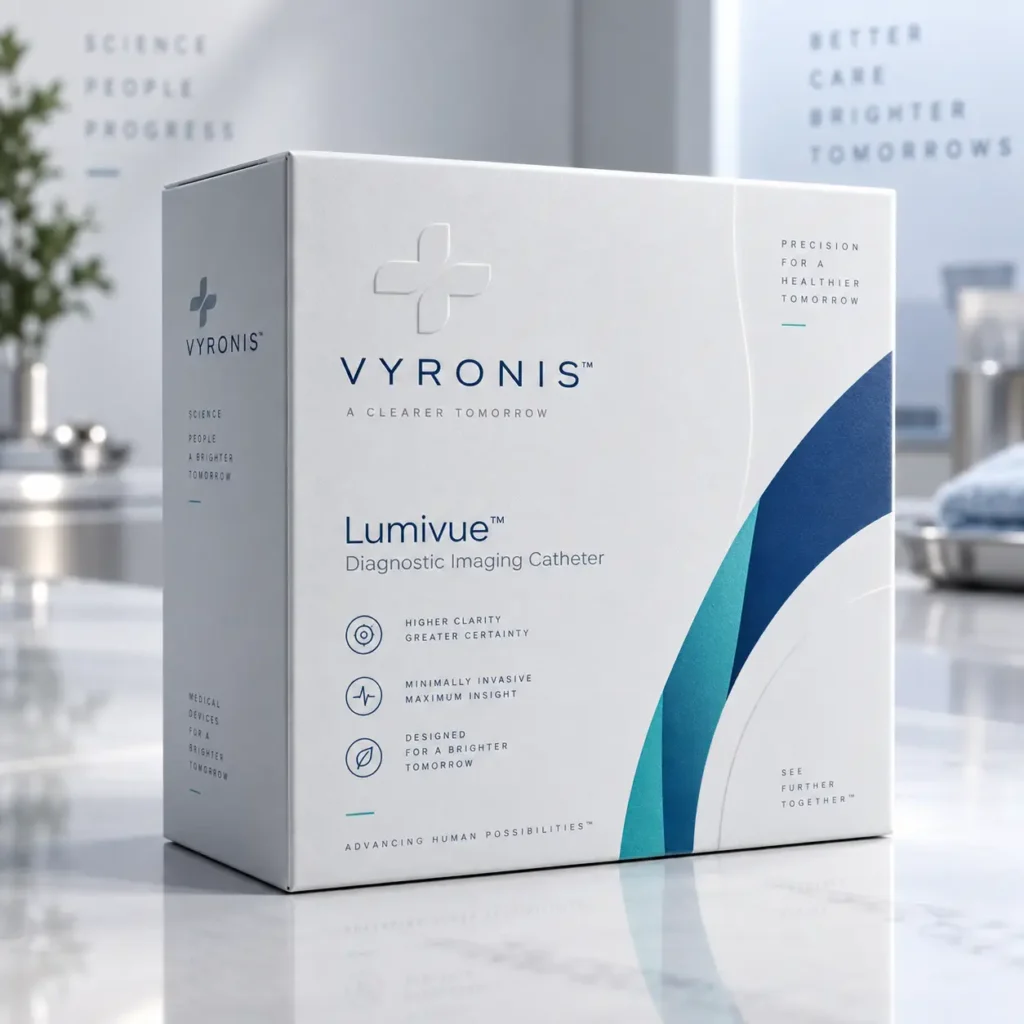
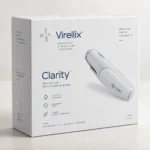
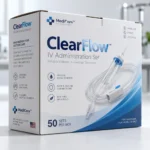
Where does the sterile barrier end and the carton begin? Medical device packaging boxes are secondary packaging, and knowing that difference shapes everything: insert design, label layout, barcode placement, and how the box protects a pulse oximeter, glucose meter, or TENS unit on its way to a patient.
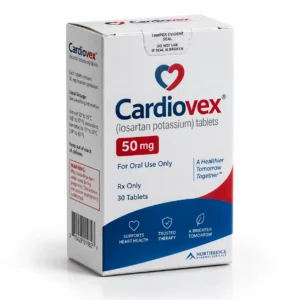
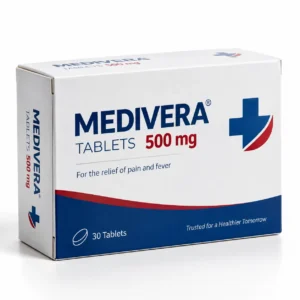
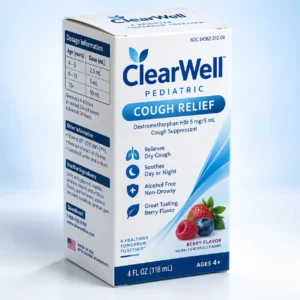
The Packaging Masters builds device cartons with fitted inserts, clear zones for identification codes, and slots for instructions for use. They work alongside diagnostic test kits and test strip cartons in complete device ranges.
What Makes Us Different?

From approval to doorstep — handled end to end.
Every order runs through four specialist teams — structural design, print, finishing, and dispatch — so your packaging keeps moving without bottlenecks, delays, or guesswork.
Sizes, materials, finishes, and artwork are locked in. You review the proof carefully and approve when every detail matches your brief.
Your job moves to print, cutting, lamination, and finishing. Our production team monitors color, registration, and structural accuracy.
Finished boxes are checked against the approved sample, counted, and securely packed to protect edges and print during transit.
Dispatch shares tracking details so your team can plan filling and launch dates. Your packaging arrives press-ready and production-ready.
A home blood pressure monitor arrives with its cuff tangled around the display, the charging cable loose, and the instructions crumpled underneath. Nothing is broken, but the first impression is poor, and the user may assemble the device incorrectly. Loose components also scratch screens and bend connectors during shipping.
Identification causes quieter problems. Many devices need a Unique Device Identifier on the label, and glossy coatings or curved panels can make barcodes hard to scan at hospital receiving docks. Larger devices also need sturdier outer protection, such as the shippers in our heavy duty medical equipment boxes.
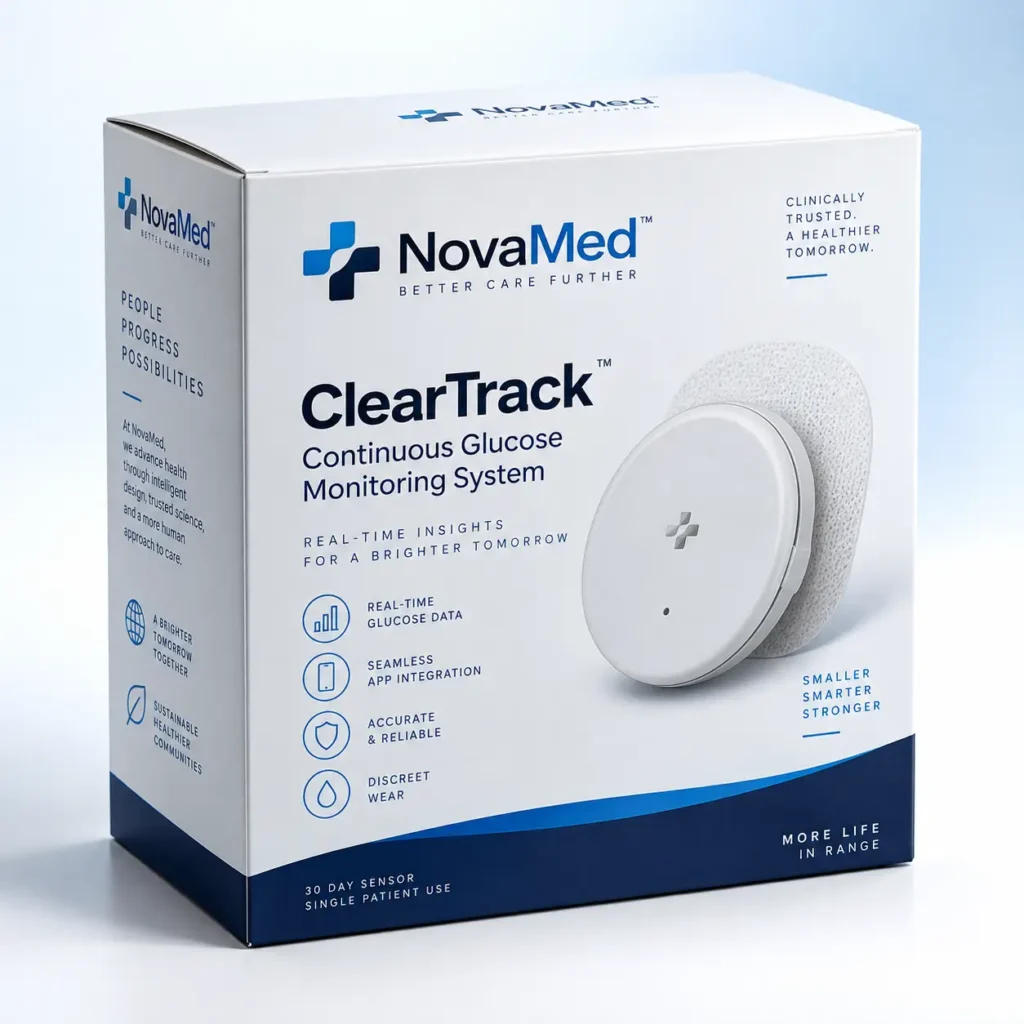
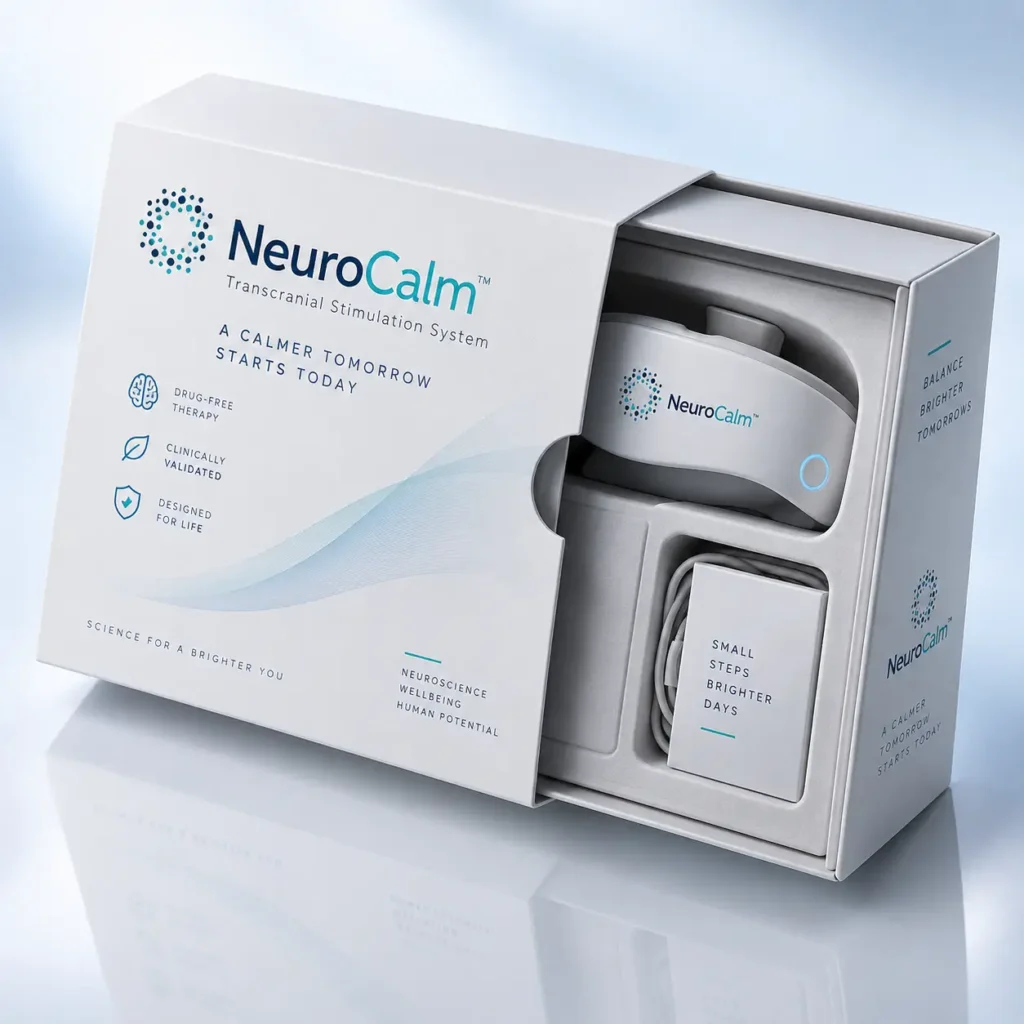
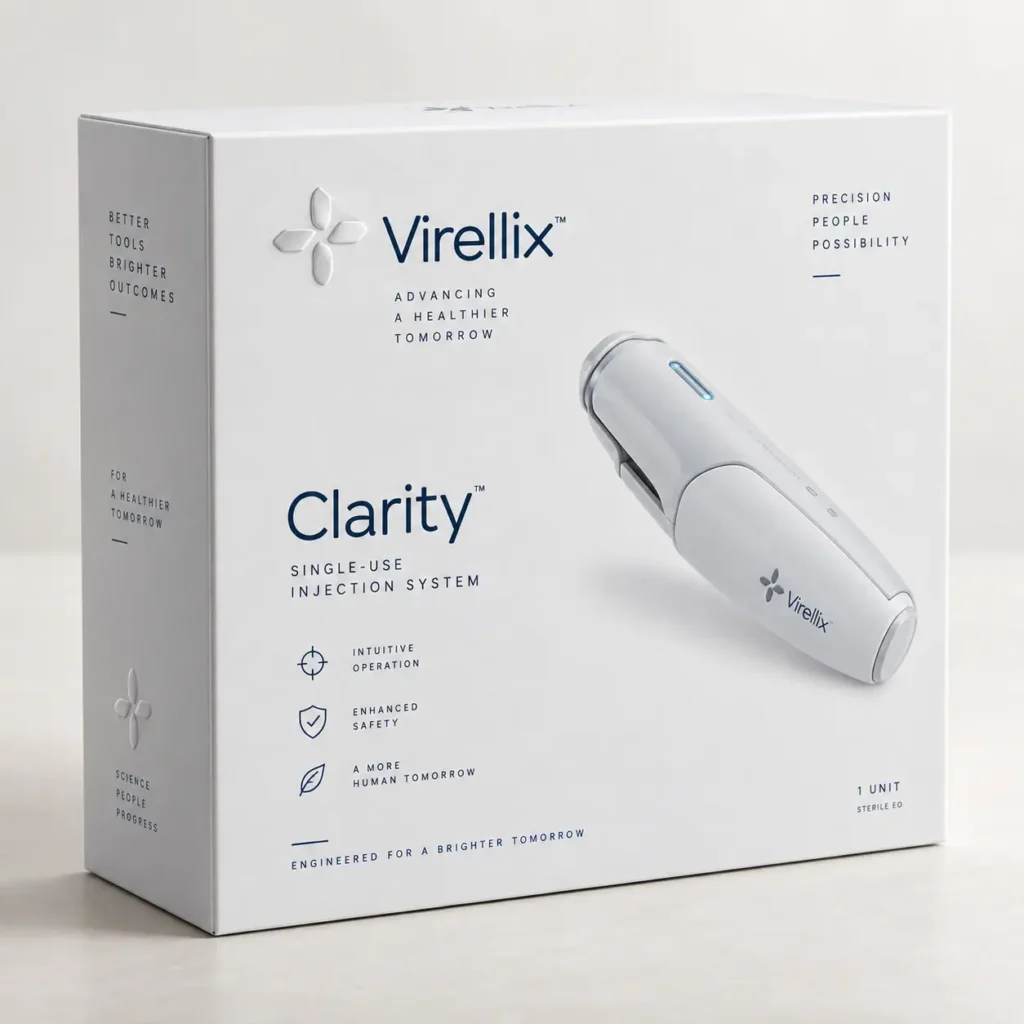
Well-designed medical device packaging boxes use die-cut inserts that hold every component in place, flat uncoated panels for codes and symbols, and a dedicated slot for instructions for use. A sealed closure also shows the device has not been opened or returned, which our tamper-evident pharma packaging options provide with seals and tear strips.
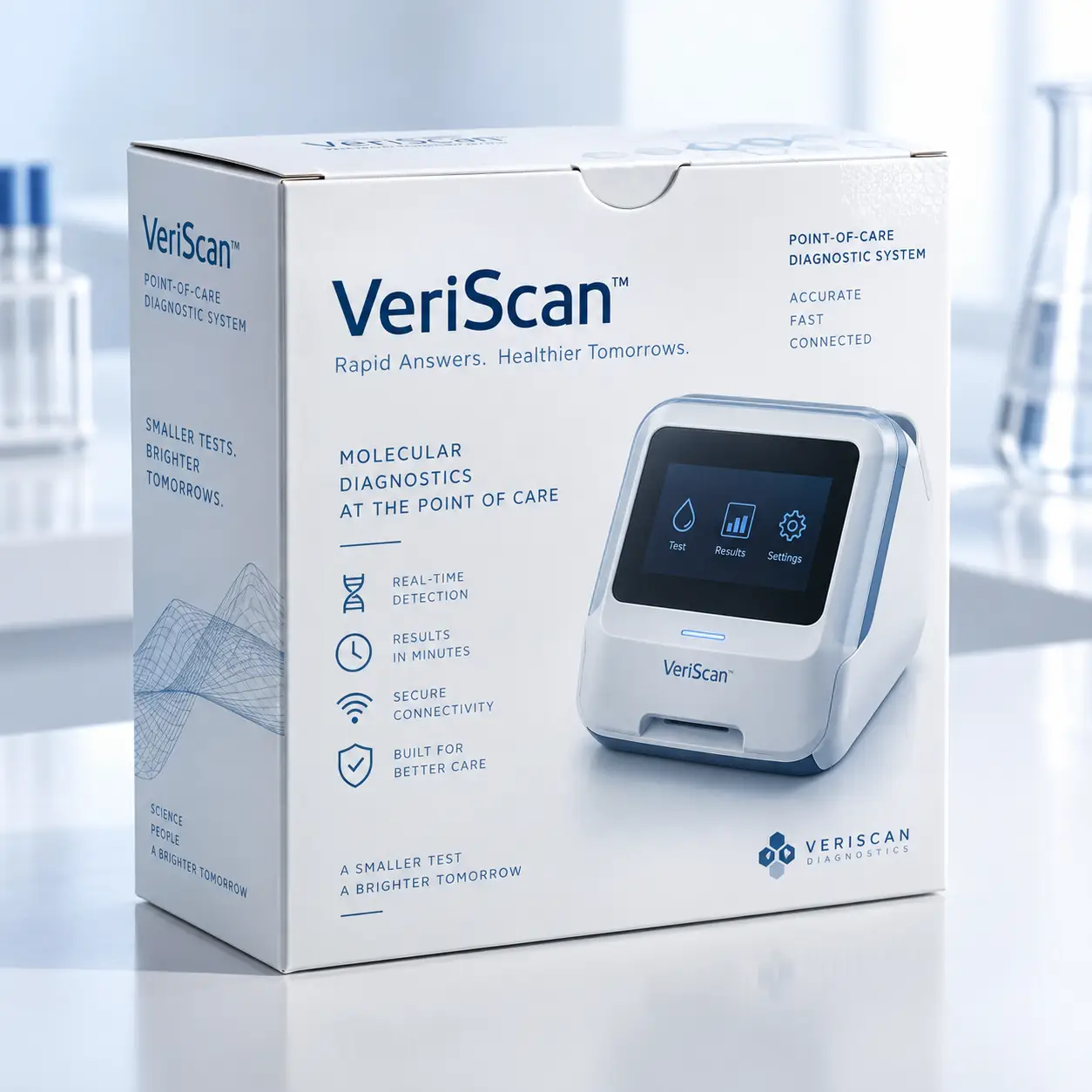
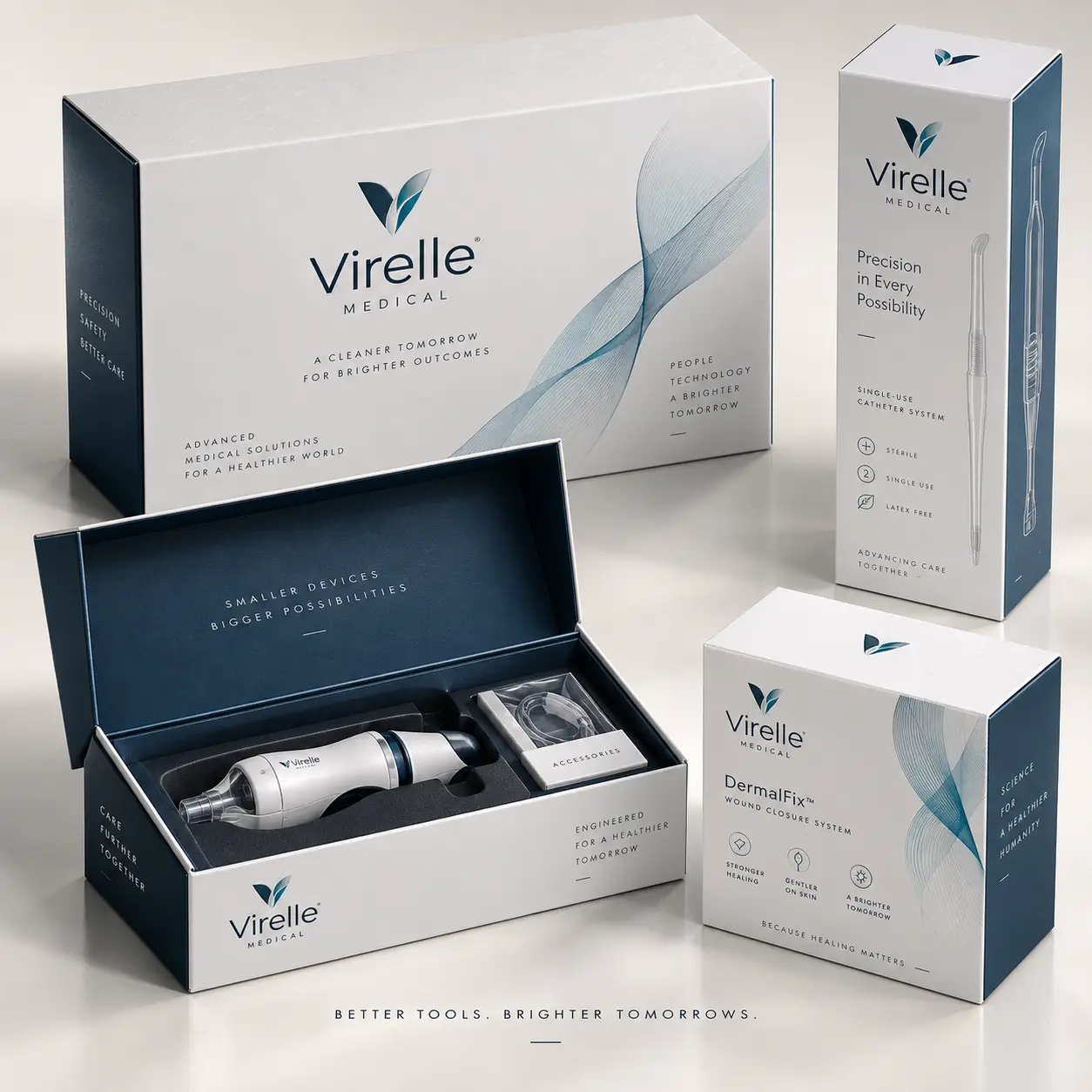
Competitors often blur these layers together, which confuses buyers and slows down projects. Understanding the roles helps you specify the right carton.
| Packaging Layer | Role | Who Typically Supplies It |
|---|---|---|
| Sterile barrier system | Maintains sterility of sterile devices | Specialist validated suppliers |
| Primary packaging | Directly holds the device or component | Device maker or specialist |
| Secondary carton | Protects, organizes, identifies, and informs | Printed carton supplier like us |
| Shipping case | Protects multiple units in transit | Corrugated supplier |
Device labels often use standardized symbols for manufacturer, lot, expiry, and storage limits, and many devices carry a UDI in both readable and barcode form. Straight tuck cartons, like our tuck end medicine boxes, give large flat panels for these details. The device manufacturer owns labeling content and regulatory compliance, so confirm requirements with your regulatory team. We then build the dieline and panel layout around the approved label content.
Home health brands package blood pressure monitors, thermometers, pulse oximeters, and nebulizers for pharmacy and online sales. Hearing aid and audiology companies need compact, premium boxes with room for chargers, domes, and accessories. Wearable sensor makers want sleek retail presentation. Surgical instrument suppliers ship reusable tools in sturdy cartons with foam cradles.
Some devices are sold inside larger kits, such as workplace and travel sets like our first aid kit boxes, so cartons must fit both retail shelves and kit compartments. Electronic devices may also benefit from anti-static inserts to protect sensitive circuitry and batteries during shipping.
Tell us your device dimensions, components, and quantity. We will recommend a carton style, insert design, and label layout, then send a digital proof within 24 hours. Request your quote today and launch medical device packaging boxes that protect, organize, and inform from the first unboxing.
Start Your Quote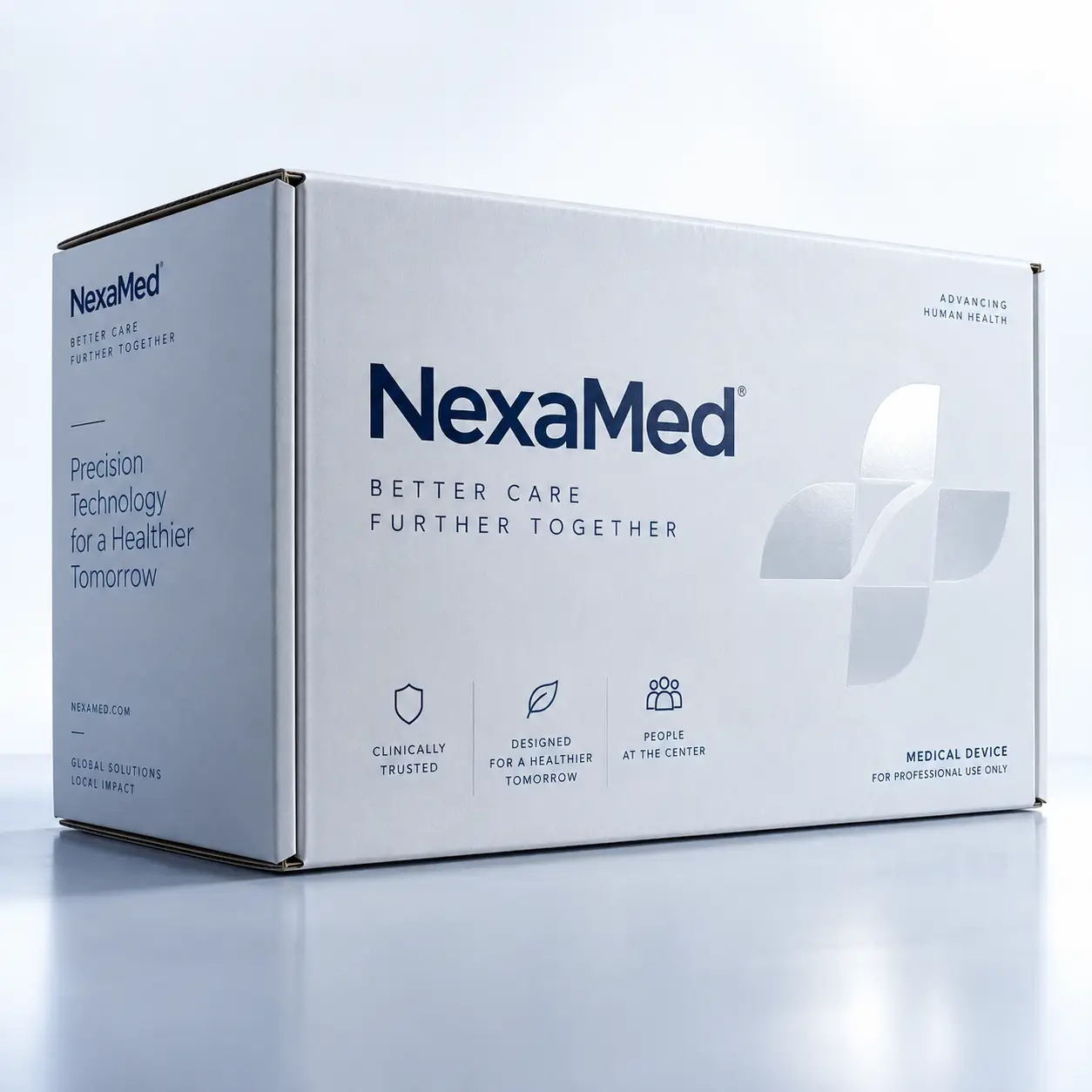
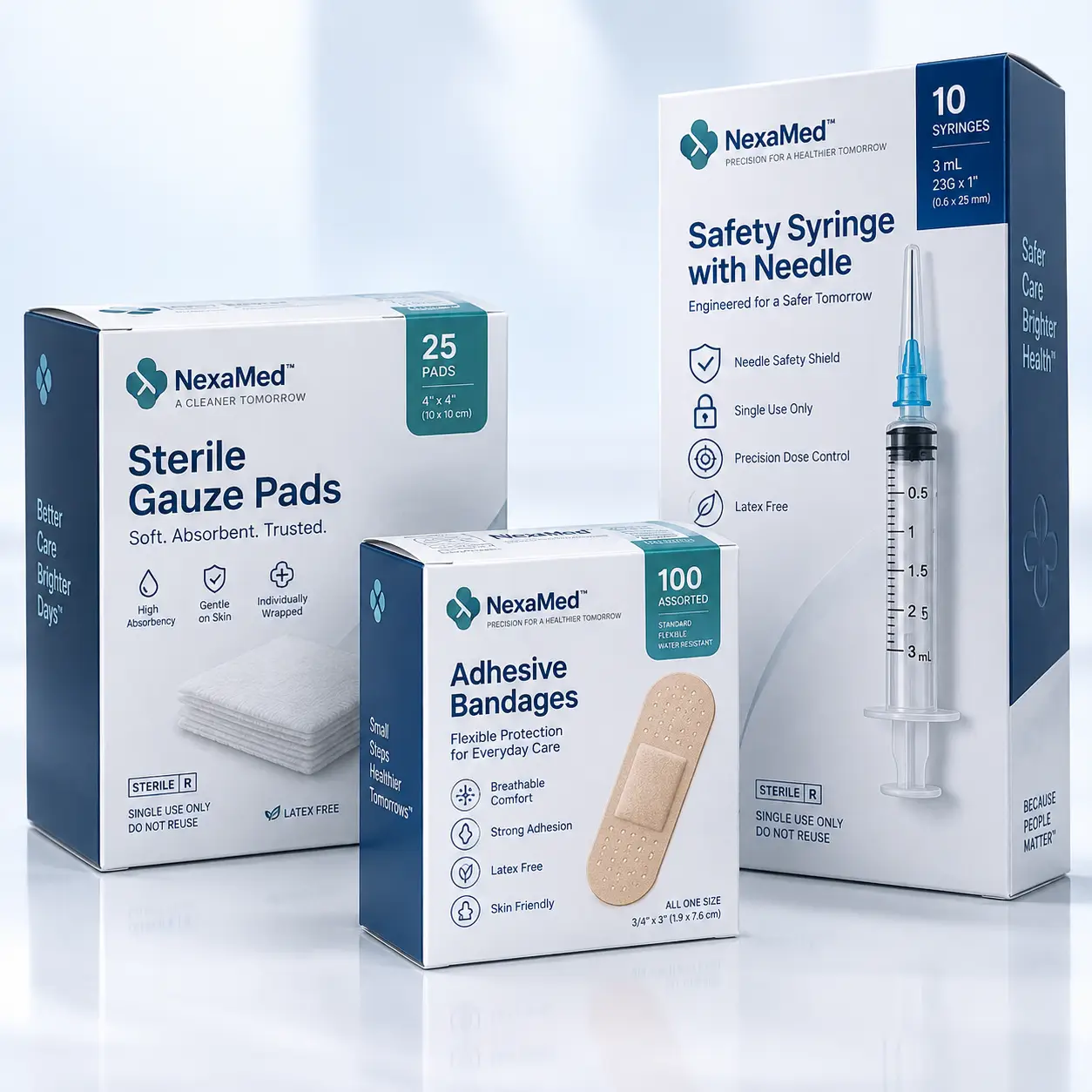
Paperboard inserts are lighter, cheaper, and easier to recycle than plastic trays, and they can be die-cut to hold devices, cables, cuffs, and chargers tightly. Rigid two-piece boxes suit premium devices like hearing aids or smart wearables, while folding cartons keep everyday devices affordable. Printing setup steps inside the lid helps users get started quickly without hunting for a manual.
Brands reducing plastic can switch from vacuum-formed trays to molded fiber or paperboard, as explained in our eco friendly pharma cartons. Aqueous coatings protect graphics without blocking barcode areas or making the carton harder to recycle.
Every order of medical device packaging boxes includes free design support, custom sizes, and quality checks on insert fit, barcode legibility, and print accuracy. Request a free sample from The Packaging Masters, pack your real device and accessories, and ship it to yourself before approving production.
No. Medical device packaging boxes are usually secondary packaging that protects and identifies the product. Sterile devices rely on a separate, validated sterile barrier system inside the carton. Our cartons hold that primary packaging securely and carry the labeling information your regulatory team approves.
Yes. We leave flat, uncoated panels with proper quiet zones so UDI barcodes scan reliably. You supply the approved data and barcode artwork, or a variable data label can be applied later. We verify print quality on samples before production begins.
Yes. Small devices like digital thermometers and pulse oximeters sell very well near pharmacy checkouts. Our counter display pharma boxes show compact, eye-catching display options, and we size your carton so several fit neatly, stay upright, and face shoppers directly.
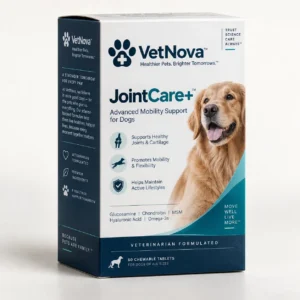
Yes. Animal health companies sell thermometers, glucose meters, and monitoring devices for pets. Our veterinary medicine boxes cover related packaging, and we design device cartons with the same insert and labeling care used for human health products and clinical equipment.
Yes. Sales teams often need demo units or sample kits for clinics, hospitals, and trade shows. Our sample medicine boxes show compact formats for this purpose, and we can create durable demo cartons that withstand repeated opening, handling, and travel between clinics.
Paperboard inserts suit most lightweight devices and are easy to recycle. Foam inserts protect heavier or more fragile instruments with better cushioning. Molded fiber offers a sustainable middle ground. We recommend a material after reviewing device weight, fragility, and shipping conditions.
Custom device cartons start around $0.48 per unit at volume. Pricing depends on size, insert type, board, printing, and quantity. Rigid boxes and foam inserts add some cost. We send detailed wholesale quotes within 24 hours, with lower pricing at larger quantities.
Printed device cartons usually ship in about 12 to 16 business days after proof and sample approval. Rigid boxes or complex inserts may take longer. Rush options are available for launches, and we confirm your full timeline in the quote, including delivery.
Instead of generic stock boxes, every project starts with your product, your goals, and your customer experience — so the packaging protects in transit and still feels premium in hand.
Built to your product, not pulled from a shelf of ready-made sizes.
Strong structures, neat edges, and finishes that actually sell.
Businesses and individuals can order — start with a small run and scale when you’re ready.
4–5 business days production after proof approval — you always know what’s next.
Copyright © 2026 thepackagingmasters.com All rights reserved.