
01
Finalize your design
Sizes, materials, finishes, and artwork are locked in. You review the proof carefully and approve when every detail matches your brief.
A pouch is only as strong as its weakest quarter inch, and that quarter inch is the seal. Heat seal mylar bags fuse their inner layers together with controlled heat, pressure, and time, creating a closure that blocks air, moisture, and odor. When the seal fails, everything inside the bag fails with it.
The Packaging Masters engineers the sealant layer and seal area to match your equipment, so every closure is consistent. Pair them with airtight vacuum-packed pouches or long-term pantry storage bags.
What Makes Us Different?
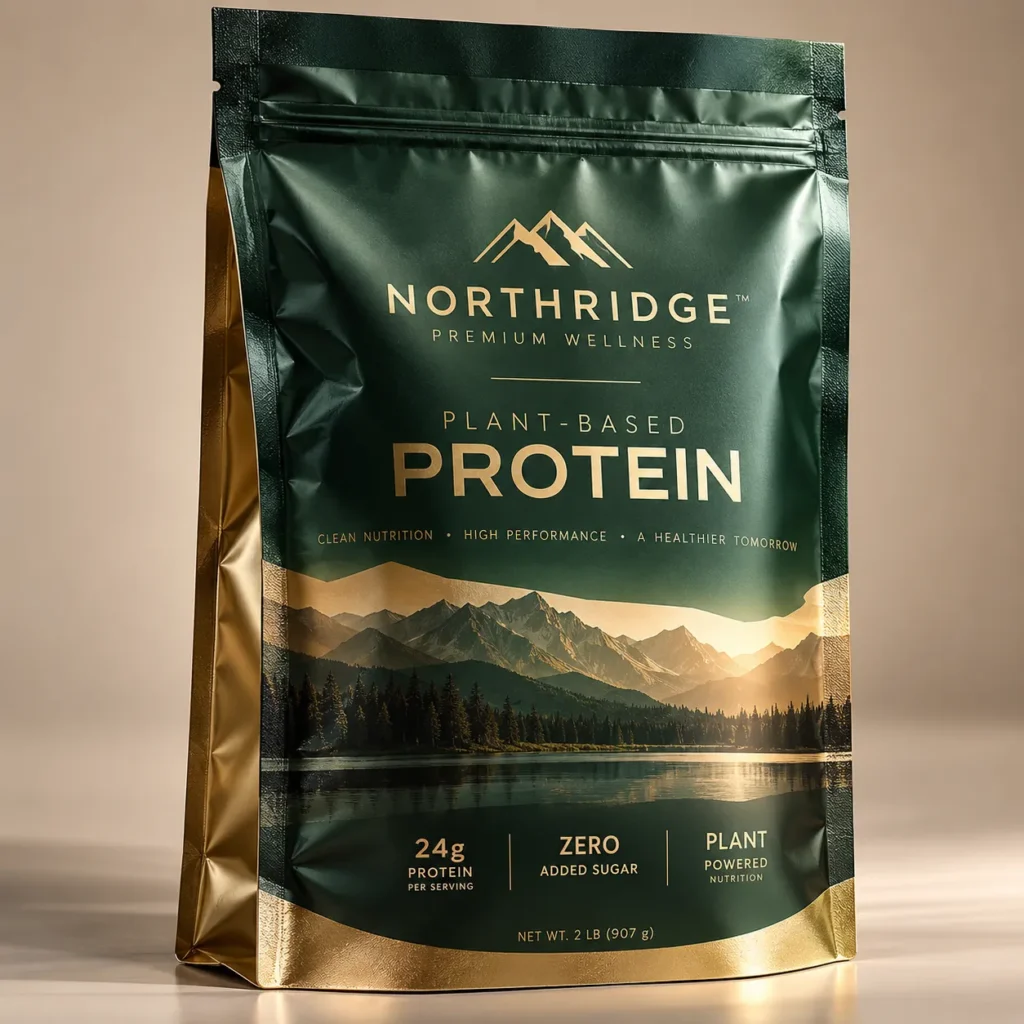
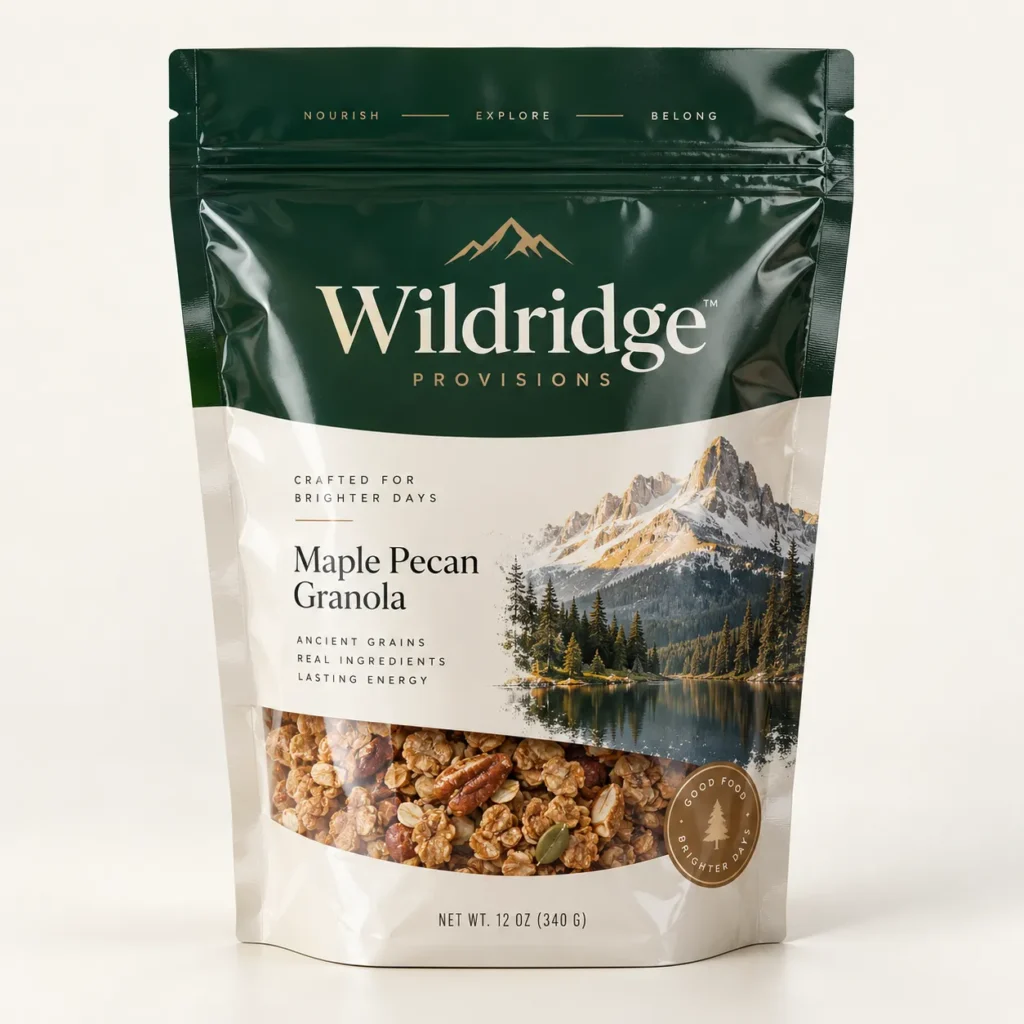
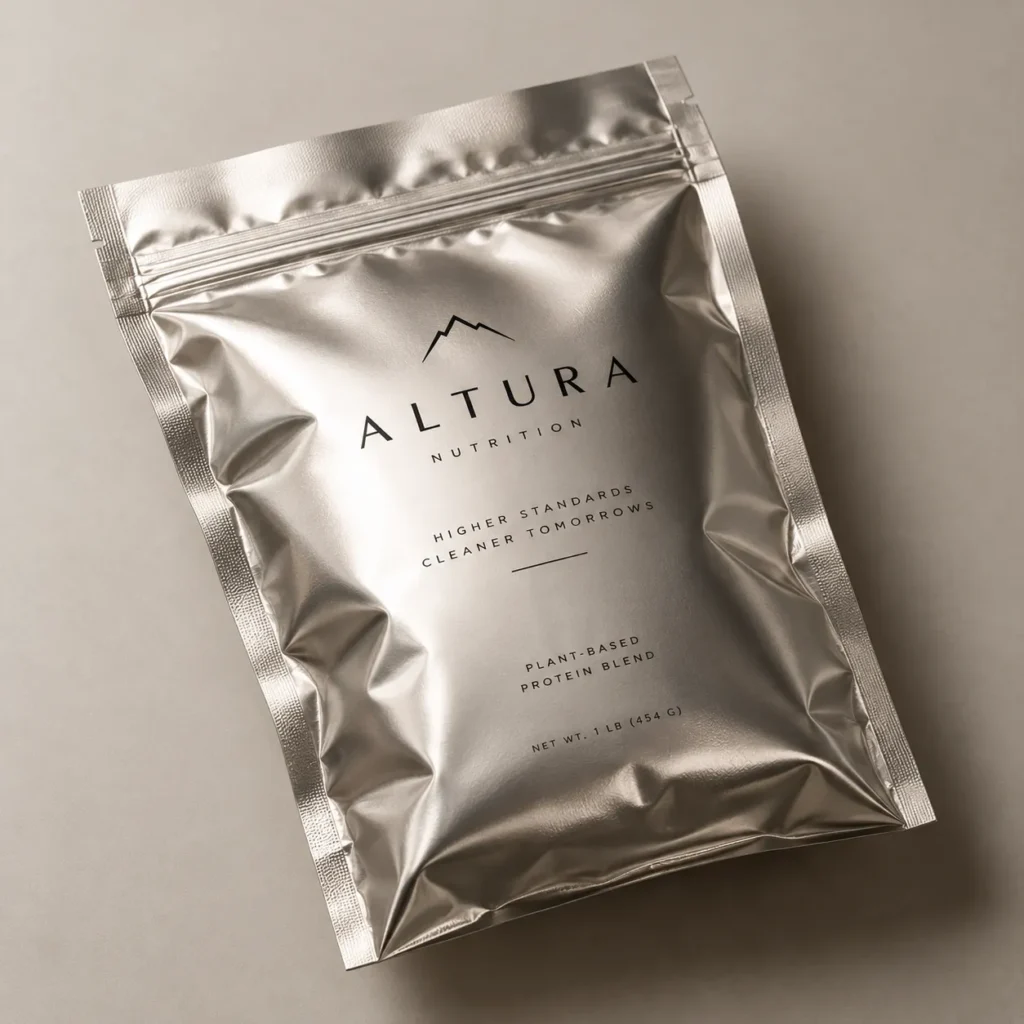
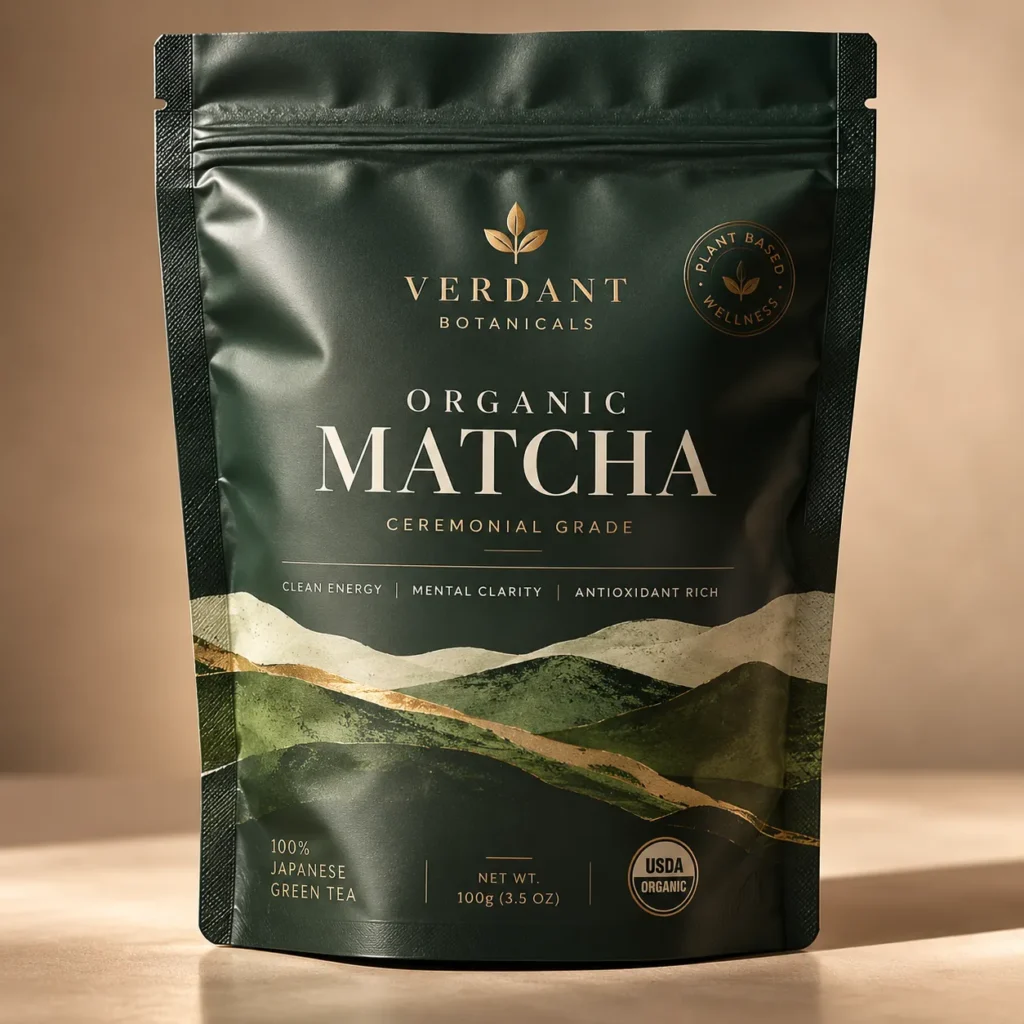
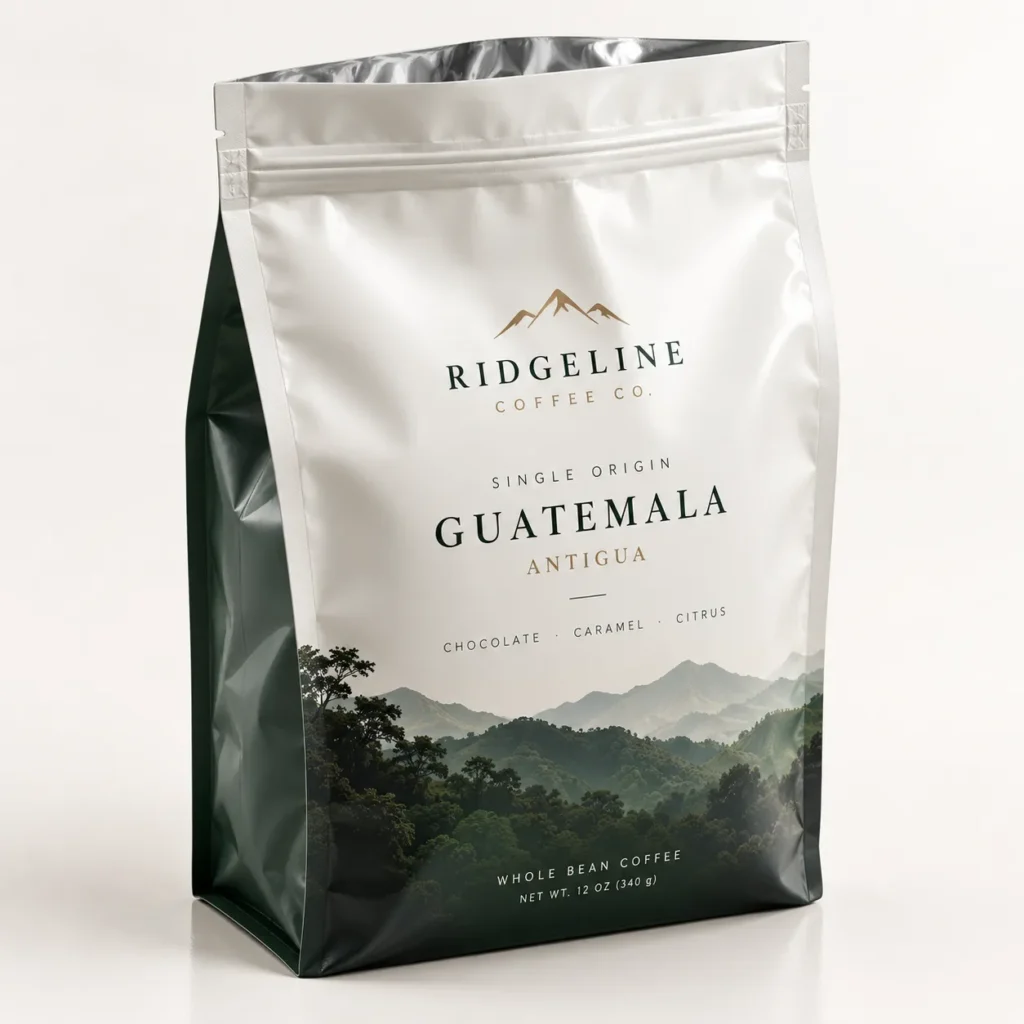
From approval to doorstep — handled end to end.
Every order runs through four specialist teams — structural design, print, finishing, and dispatch — so your packaging keeps moving without bottlenecks, delays, or guesswork.
Sizes, materials, finishes, and artwork are locked in. You review the proof carefully and approve when every detail matches your brief.
Your job moves to print, cutting, lamination, and finishing. Our production team monitors color, registration, and structural accuracy.
Finished boxes are checked against the approved sample, counted, and securely packed to protect edges and print during transit.
Dispatch shares tracking details so your team can plan filling and launch dates. Your packaging arrives press-ready and production-ready.
Most seal failures are invisible at first. A bag looks closed, but a tiny channel runs through the seal where a wrinkle, a crumb, or a fold stopped the layers from fusing. Air slowly leaks in, oxygen absorbers saturate, and the product goes stale weeks before its date. Customers rarely blame the seal. They blame your brand.
Common causes are easy to prevent. Temperatures set too low create weak, peelable seals, while temperatures set too high burn through the sealant and leave brittle edges. Product dust in the seal area stops the layers bonding. Gusset folds add extra thickness at the corners, which needs more dwell time or pressure to close fully.
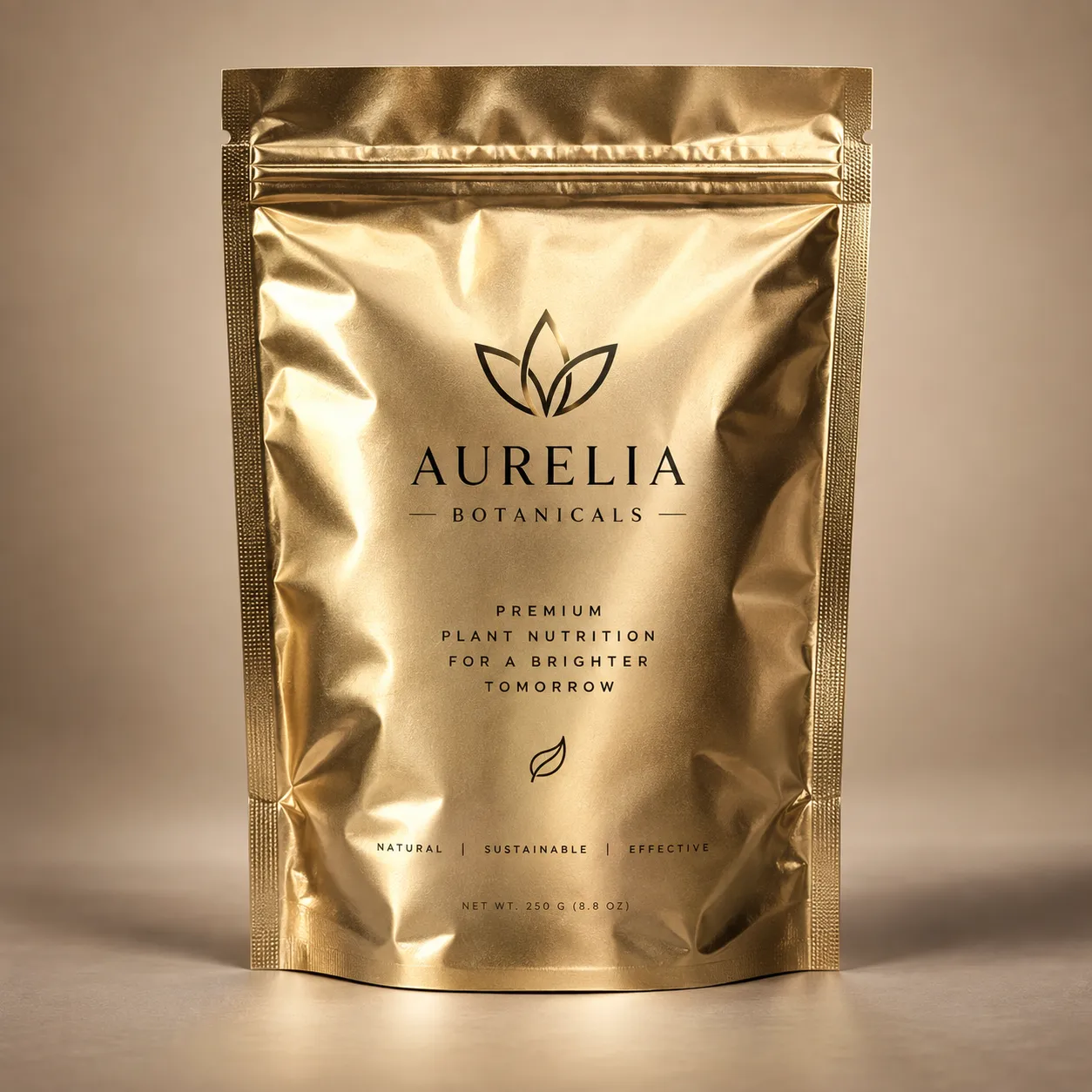
Well-made heat seal mylar bags start with the right sealant layer, usually food-grade polyethylene, sized for your sealer. We leave a clean seal zone free of heavy ink and position zippers so there is room for a full-width seal above them, as explained in our resealable mylar bags. Simple pouches with three sealed edges and an open top are the easiest to close consistently, as shown in our 3 side seal mylar bags.
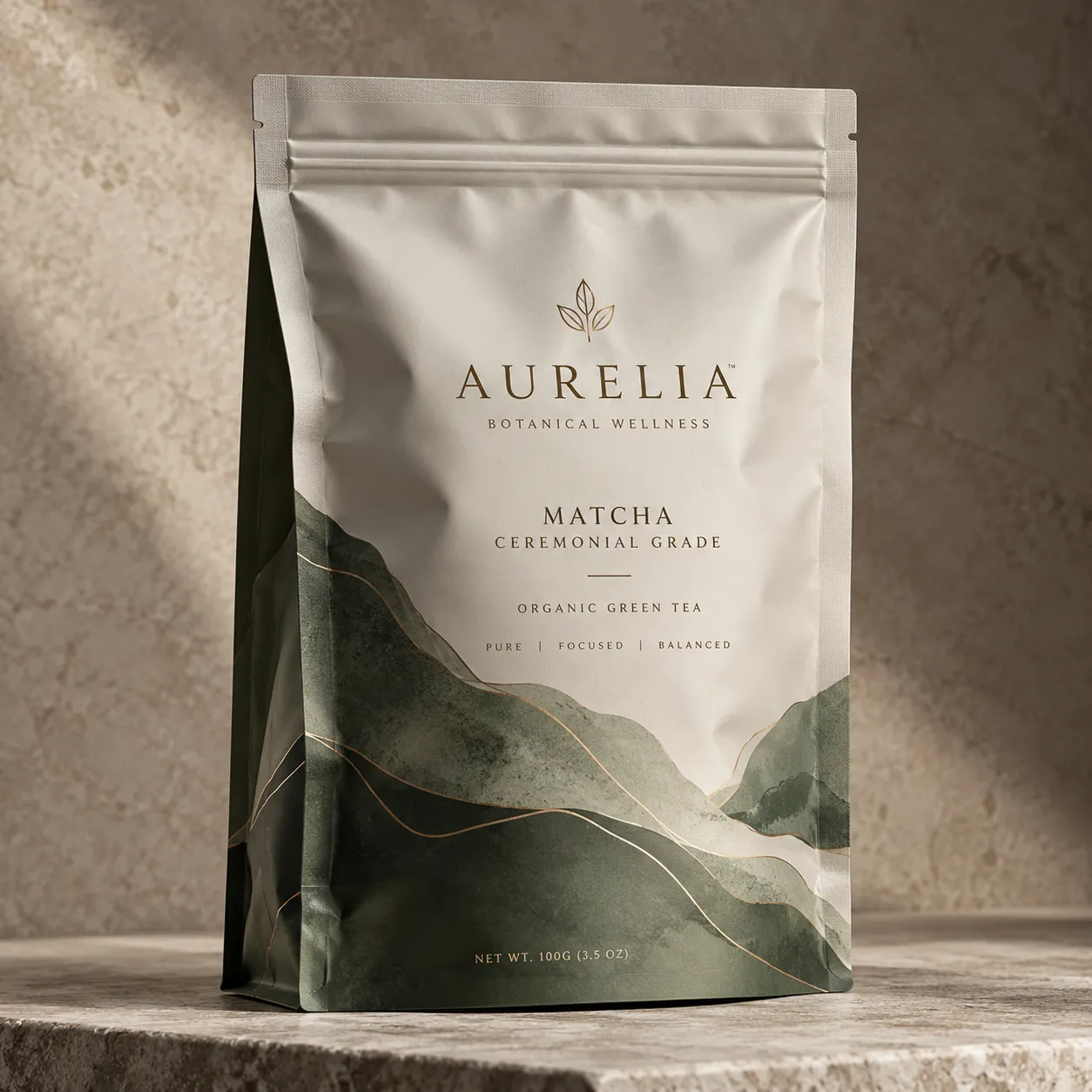
The sealer you use shapes how your pouch should be built. Impulse sealers send a short burst of heat through a wire, then cool while the jaws stay closed. They are affordable, easy to use, and ideal for small brands sealing a few hundred bags a day. Constant heat sealers keep the jaws hot at all times and handle thicker laminates and foil structures more reliably.
Continuous band sealers move bags along a conveyor between heated belts, sealing hundreds of units per hour for growing operations. Vacuum chamber sealers remove air before sealing, which suits dense foods and long storage.
Thicker structures need more heat or more time. A pouch with a true aluminum layer, like our foil mylar bags, usually seals best on a constant heat or band sealer with wider jaws. A seal width of roughly 8 to 10 millimeters is a common target for durable closures. The Packaging Masters shares recommended starting settings with every sample, so you can fine-tune temperature, dwell time, and pressure on your own machine before production.
A full heat seal does more than lock in freshness. It shows customers that nobody has opened the pouch since it left your facility. Placing the seal above the zipper, with a tear notch just below it, gives shoppers a clean first opening and a resealable bag afterward. Retailers and distributors increasingly expect this for food and wellness products.
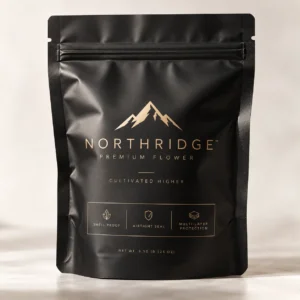
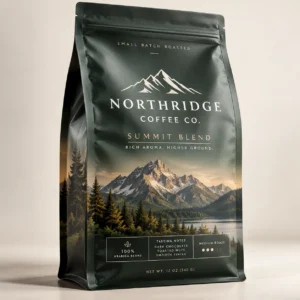
Infused product brands rely on tamper evidence as part of responsible packaging, and many states expect sealed, opaque, child-resistant packaging, as covered in our edible mylar bags. Confirm specific requirements with your compliance adviser. Coffee roasters seal pouches soon after roasting and add one-way valves, as shown in our coffee mylar bags.
Tell us your product, sealing equipment, and quantity. We will recommend film, sealant layer, and seal zone layout, then send a digital proof within 24 hours. Request your quote today and get heat seal mylar bags that close the same way every time, on every shift.
Start Your Quote
You do not need a lab to check a seal. After sealing, let the bag cool, then gently squeeze it and listen for escaping air. A peel test shows quality too: pull the seal apart and look for a uniform, slightly stringy surface across the full width. Clean, glossy separation usually means the temperature was too low. Burnt or shrunken edges mean it was too high.
For long-term storage, sealed bags with oxygen absorbers should pull tight against the product within a day or two. If one stays loose, check the seal for channels and reseal just below the original line.
Every order of heat seal mylar bags includes free design support, custom sizes, and quality checks on sealant performance, zipper position, and print accuracy. Request a free sample from The Packaging Masters, run it through your own sealer, and confirm the settings before production. A five-minute test can prevent thousands of failed bags.
Heat seal mylar bags are multi-layer pouches with a food-grade sealant inside that melts and fuses under controlled heat and pressure. The result is an airtight closure that blocks oxygen, moisture, light, and odor. They can be fully sealed or combine a top seal with a resealable zipper.
It depends on film thickness, sealant type, and your sealer. Many mylar pouches seal well somewhere between roughly 300 and 400 degrees Fahrenheit, but always test first. Start low, increase gradually, and check each seal with a peel test. We share recommended starting settings with every sample.
Custom heat seal pouches start around $0.10 per unit at volume. Pricing depends on size, film structure, thickness, closures, and printing method. Adding a zipper or child-resistant closure increases cost slightly. Detailed wholesale quotes arrive within 24 hours, with lower pricing at higher quantities.
For a few personal bags, a flat iron or clothes iron can work on thinner pouches if you press evenly on a hard surface. For a business, a proper impulse or constant heat sealer gives consistent, professional seals that customers and retailers can trust every time.
Gusset folds add extra layers at the corners, so seal slightly slower or with more pressure there. Our gusseted mylar bags explain how corner seals are designed for strong closures. Always flatten the top fully before sealing and inspect the corners closely afterward.
Yes, when the film has a strong barrier and the seal is complete with no channels. Our smell proof mylar bags explain the film structures that contain strong aromas. A double seal adds extra security for very aromatic products or long shipping routes.
Yes, though plant-based films often seal within a narrower temperature range and may need different settings. Our biodegradable mylar bags explain these materials, and we recommend testing samples on your own sealer to find reliable settings before a full production run.
Digitally printed heat seal pouches usually ship in about 10 to 15 business days after proof approval. Rotogravure orders take longer because plates must be made. Rush options are available, and we confirm your timeline in the quote, including shipping to your facility.
Instead of generic stock boxes, every project starts with your product, your goals, and your customer experience — so the packaging protects in transit and still feels premium in hand.
Built to your product, not pulled from a shelf of ready-made sizes.
Strong structures, neat edges, and finishes that actually sell.
Businesses and individuals can order — start with a small run and scale when you’re ready.
4–5 business days production after proof approval — you always know what’s next.
Copyright © 2026 thepackagingmasters.com All rights reserved.