
01
Finalize your design
Sizes, materials, finishes, and artwork are locked in. You review the proof carefully and approve when every detail matches your brief.
Most mylar pouches were never designed for a home vacuum sealer. Smooth film collapses against the nozzle, trapping air before it can escape. Vacuum seal mylar bags solve this with embossed channels or chamber-ready film, so air actually leaves the pouch before the seal closes for good.
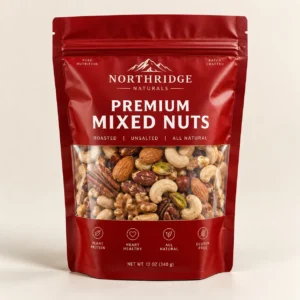
The Packaging Masters builds air-removal pouches with foil barrier layers that block oxygen and light for jerky, nuts, and dehydrated meals. They suit emergency pantry storage and scale up to gallon-size bulk packaging for wholesale.
What Makes Us Different?
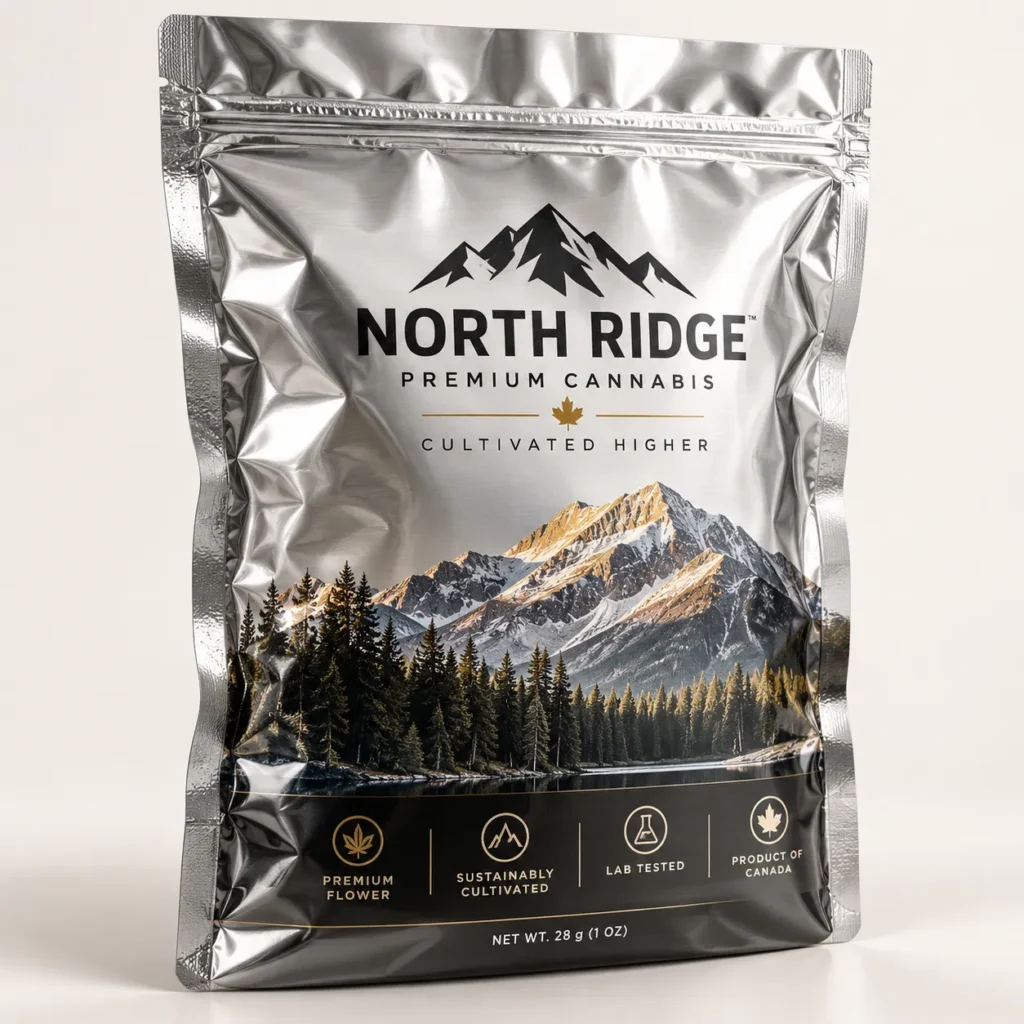
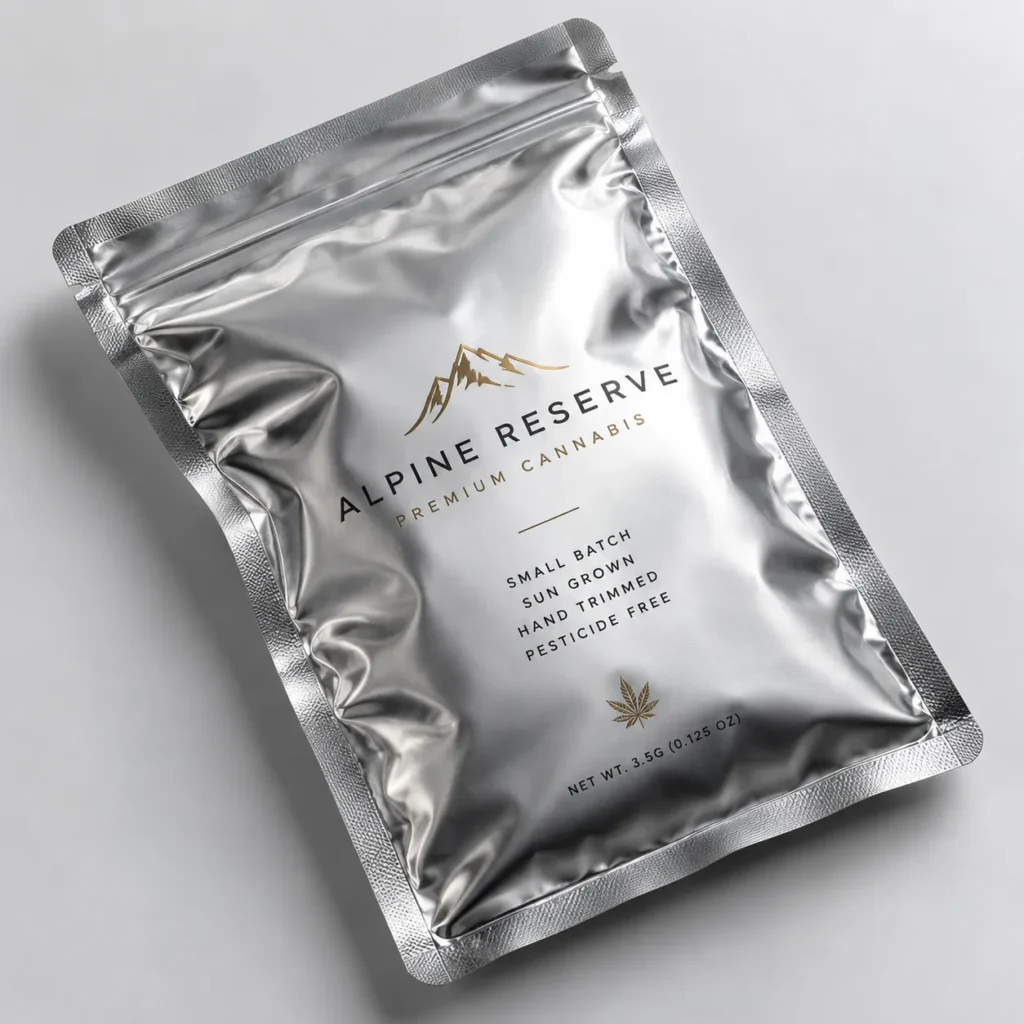
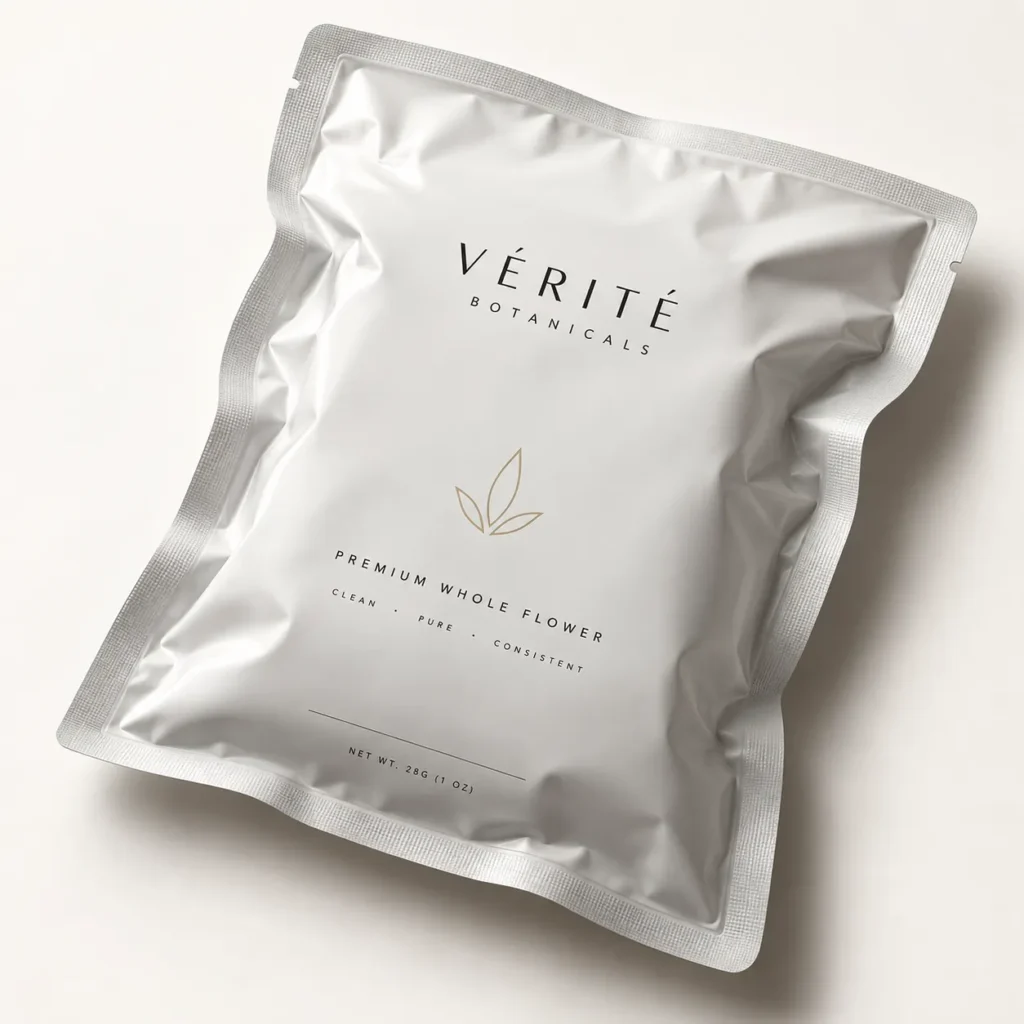
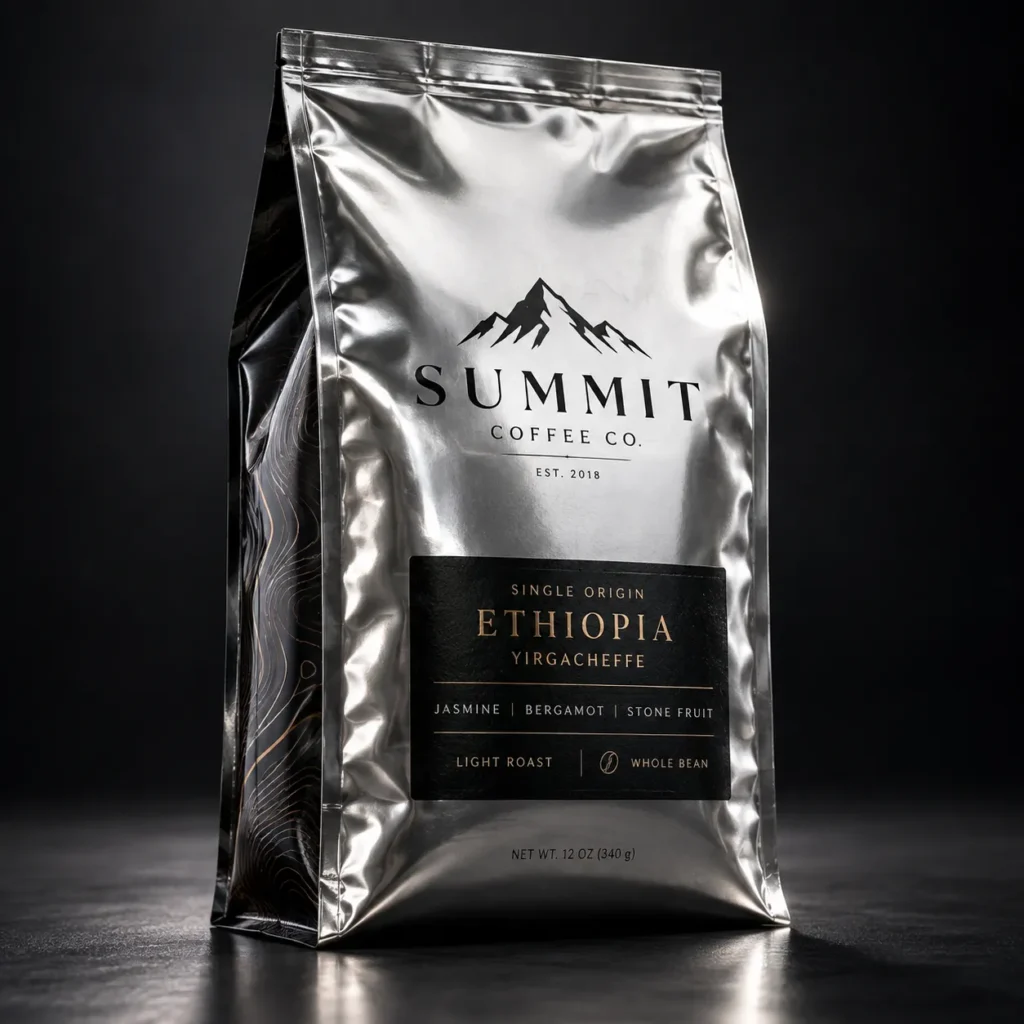
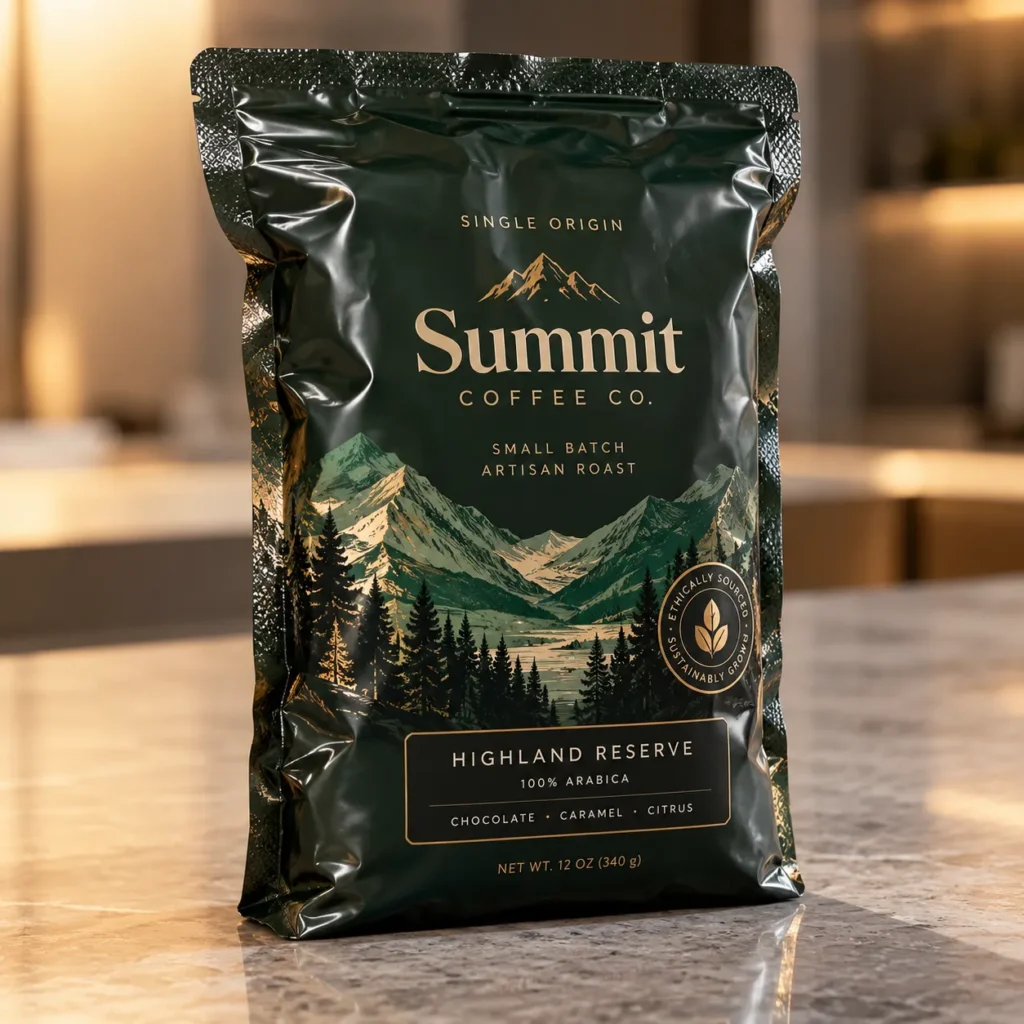
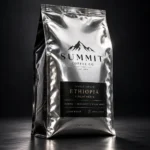
From approval to doorstep — handled end to end.
Every order runs through four specialist teams — structural design, print, finishing, and dispatch — so your packaging keeps moving without bottlenecks, delays, or guesswork.
Sizes, materials, finishes, and artwork are locked in. You review the proof carefully and approve when every detail matches your brief.
Your job moves to print, cutting, lamination, and finishing. Our production team monitors color, registration, and structural accuracy.
Finished boxes are checked against the approved sample, counted, and securely packed to protect edges and print during transit.
Dispatch shares tracking details so your team can plan filling and launch dates. Your packaging arrives press-ready and production-ready.
Air removal sounds simple until the bag will not cooperate. On a suction-style sealer, smooth mylar film sticks to itself the moment the pump starts. The top of the pouch seals off a pocket of air near the product, and the machine reports success while oxygen stays inside.
Crushing is the opposite problem. Full vacuum squeezes hard enough to break crackers, flatten bread, and powder delicate freeze-dried fruit. Sharp foods like jerky edges, nut shells, pasta, and bones can then puncture thin film, letting air creep back in within days.
Purpose-built vacuum seal mylar bags fix each issue. Embossed textures give air a path to escape on suction sealers. Thicker laminates resist punctures. A true aluminum layer, like the structure in our foil mylar bags, adds the light protection clear vacuum bags lack. The final closure matters too, and our heat seal mylar bags explain how temperature and dwell time affect seal strength.
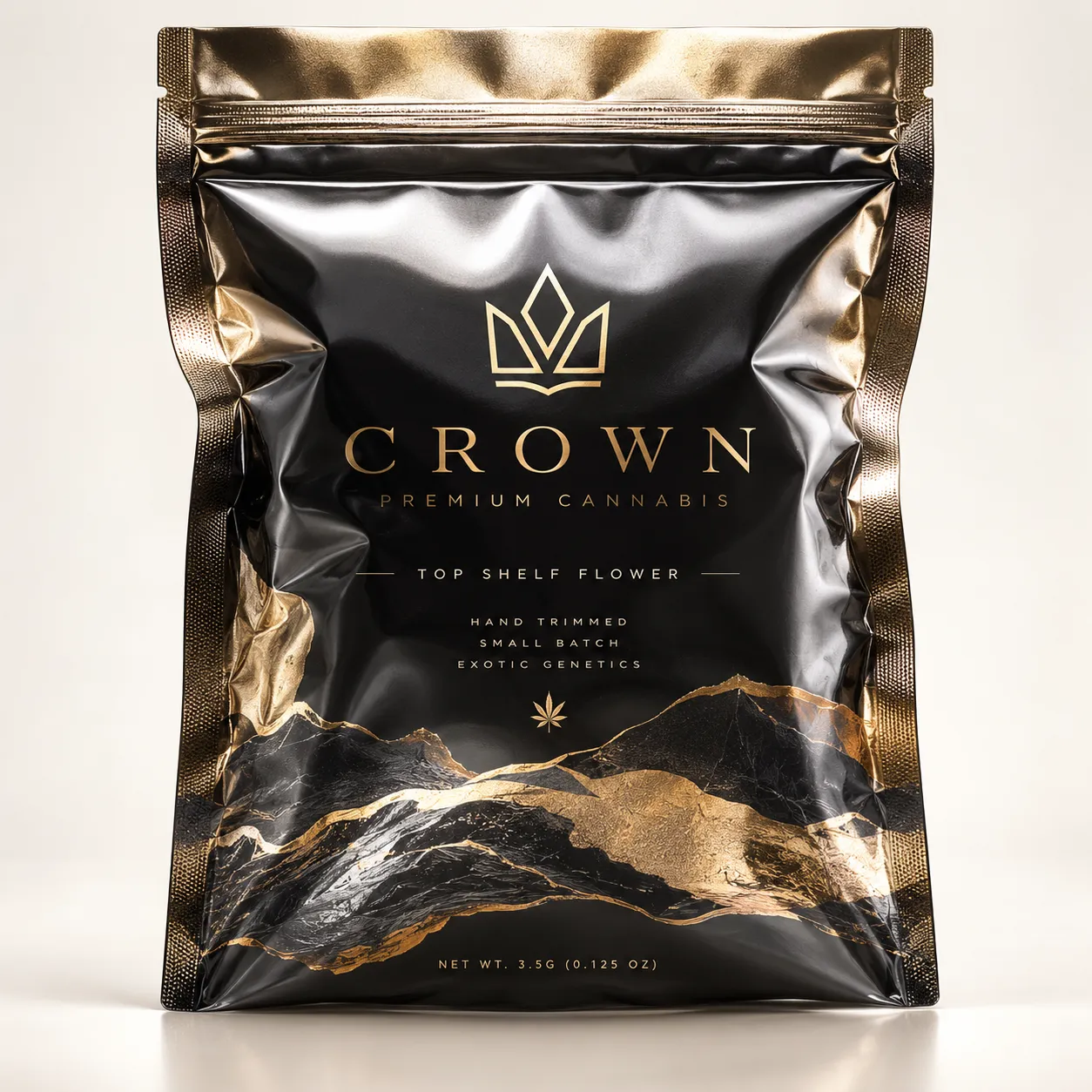
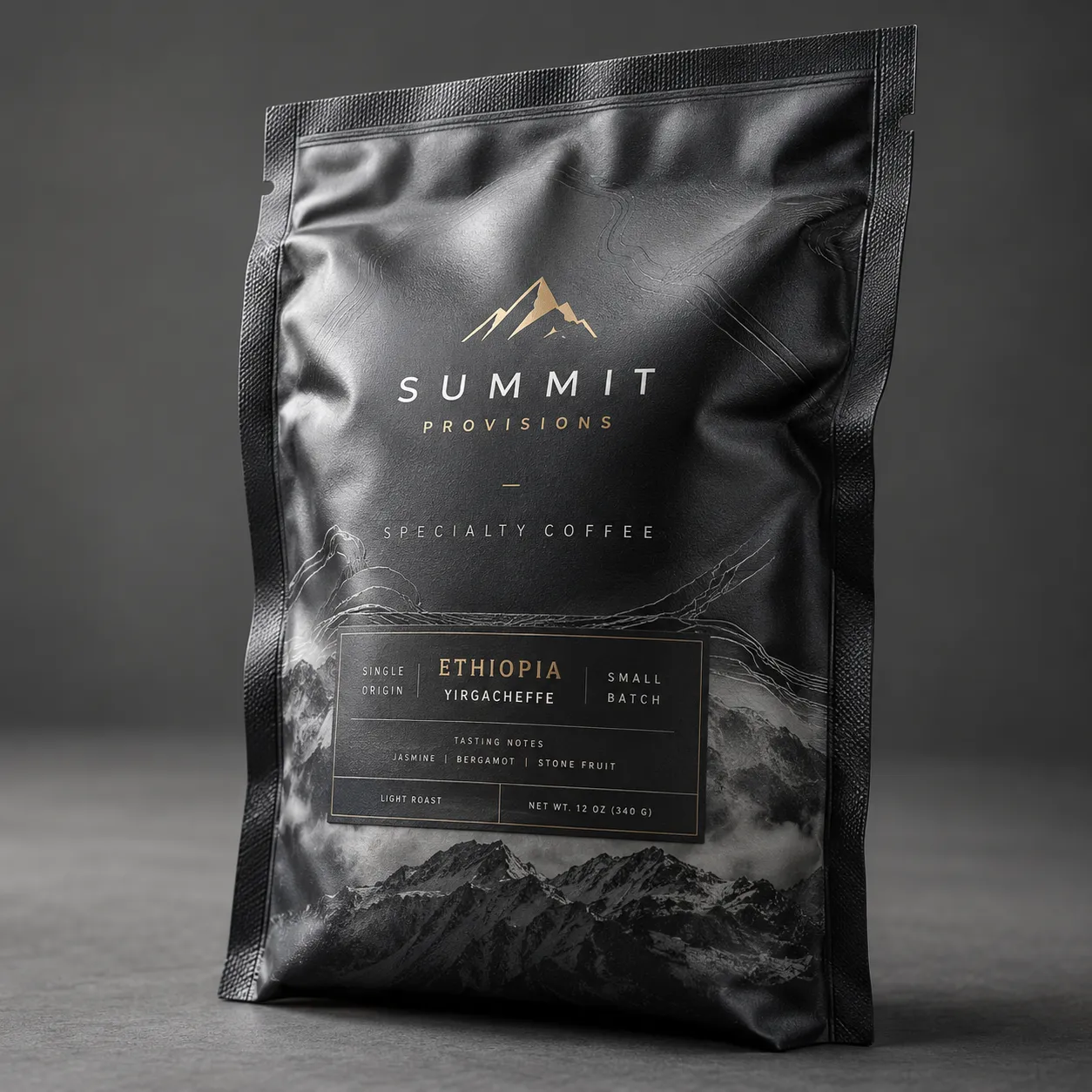
The type of vacuum sealer you own decides the pouch you need. Getting this wrong is the most common mistake buyers make, and few suppliers explain it.
| Sealer Type | How It Works | Pouch Needed |
|---|---|---|
| Suction or external sealer | Pulls air out through the open bag edge | Embossed or textured inner panel |
| Chamber sealer | Removes air from the whole chamber | Smooth mylar or foil laminate |
| Nozzle sealer | Inserts a probe into the bag opening | Smooth film with a wide seal area |
Chamber machines handle smooth barrier film, liquids, and marinades much better, which makes them popular with meat processors and commercial kitchens. Suction sealers suit home users and small brands. Simple pouches with an open top, like our 3 side seal mylar bags, are the easiest format to vacuum on either machine. We match film, embossing, and seal width to your exact equipment, and we share recommended starting settings with every sample.
Jerky and meat snack brands remove air to slow oxidation and keep texture consistent. Nut and seed roasters protect delicate oils from going rancid. Preparedness companies vacuum pack rice, beans, and dehydrated meals into compact bricks that store neatly. Meal kit and sous vide brands rely on chamber sealing for portioned proteins.
Dense pantry staples sold in pound portions often use layouts from our 1 lb mylar bags. Remember that vacuum packing is not a substitute for proper food safety. Low-acid, moist foods still need refrigeration or freezing, so follow current food safety guidance for your product and storage conditions.
Tell us your product, sealer model, and quantity. We will recommend embossed or smooth film, thickness, and size, then send a digital proof within 24 hours. Request your quote today and get vacuum seal mylar bags that pull tight and stay tight on every run.
Start Your Quote
You do not always need full vacuum. Most sealers have a pulse or manual mode that stops the pump early, which protects crackers, chips, and freeze-dried berries from crushing. For very fragile foods, many brands skip vacuum entirely and use oxygen absorbers in a standard barrier pouch instead.
See-through vacuum packs show off the product, but clear film blocks far less light. Our clear mylar bags explain when transparency makes sense. For long-term storage, opaque foil structures are the safer choice. Some brands combine both, using a small window on the front and a solid foil back panel.
Every order of vacuum seal mylar bags includes free design support, custom sizes, and quality checks on embossing depth, film thickness, and seal strength. Request a free sample from The Packaging Masters, run it through your own sealer, and check the pouch a week later to confirm it is still tight.
Yes, if the pouch has an embossed or textured panel. Vacuum seal mylar bags with embossing give air a path to escape on suction sealers. Smooth mylar usually traps air on these machines and works best in chamber sealers used by commercial kitchens.
Each has strengths. Vacuum sealing makes compact, tight packs and works well for jerky, nuts, and portioned foods. Oxygen absorbers suit fragile items that would crush. Many long-term storage users combine both, removing most air and adding an absorber for the remainder.
Removing air helps, but the barrier film and seal do most of the work. Our smell proof mylar bags explain foil structures and double seals that hold strong aromas. Wipe the outside after filling, since residue on the surface carries scent.
Yes, though gusset folds add thickness at the corners, so seals need slightly more heat or time. Our gusseted mylar bags explain fold styles. Flat pouches remain the simplest format for consistent, reliable vacuum sealing on most home and commercial machines.
Around 4 to 5 mil suits most dry foods. Sharp items like jerky, nut shells, pasta, or bones benefit from 5 to 7 mil to resist punctures. Thicker film takes longer to seal, so adjust heat settings and always test a few samples before full production.
Yes. Size, film structure, embossing, tear notches, hang holes, and printing are all adjustable. Our custom mylar bags page outlines every option, and our designers help you match the pouch to your sealer, product, storage goals, and retail display needs.
Custom vacuum pouches start around $0.15 per unit at volume. Pricing depends on size, embossing, foil or metallized structure, thickness, printing, and quantity. Heavier gauges cost a little more. We provide detailed wholesale quotes within 24 hours, with lower pricing at higher quantities.
Digitally printed vacuum pouches usually ship in about 10 to 15 business days after proof approval. Embossed films, foil structures, and plate-printed orders may take longer. Rush options are available, and we confirm your full timeline in the quote, including shipping to your facility.
Instead of generic stock boxes, every project starts with your product, your goals, and your customer experience — so the packaging protects in transit and still feels premium in hand.
Built to your product, not pulled from a shelf of ready-made sizes.
Strong structures, neat edges, and finishes that actually sell.
Businesses and individuals can order — start with a small run and scale when you’re ready.
4–5 business days production after proof approval — you always know what’s next.
Copyright © 2026 thepackagingmasters.com All rights reserved.