
01
Finalize your design
Sizes, materials, finishes, and artwork are locked in. You review the proof carefully and approve when every detail matches your brief.
Not every bag sold as foil actually contains foil. Some foil mylar bags use a true, solid aluminum layer, others use a thin metallized coating, and some only have shiny foil stamping on the outside. The difference decides how long your product stays fresh and how much you should pay.
The Packaging Masters explains exactly which structure you are buying and why it matters. Choose real aluminum for maximum odor and aroma containment or for pantry goods stored for years.
What Makes Us Different?
From approval to doorstep — handled end to end.
Every order runs through four specialist teams — structural design, print, finishing, and dispatch — so your packaging keeps moving without bottlenecks, delays, or guesswork.
Sizes, materials, finishes, and artwork are locked in. You review the proof carefully and approve when every detail matches your brief.
Your job moves to print, cutting, lamination, and finishing. Our production team monitors color, registration, and structural accuracy.
Finished boxes are checked against the approved sample, counted, and securely packed to protect edges and print during transit.
Dispatch shares tracking details so your team can plan filling and launch dates. Your packaging arrives press-ready and production-ready.
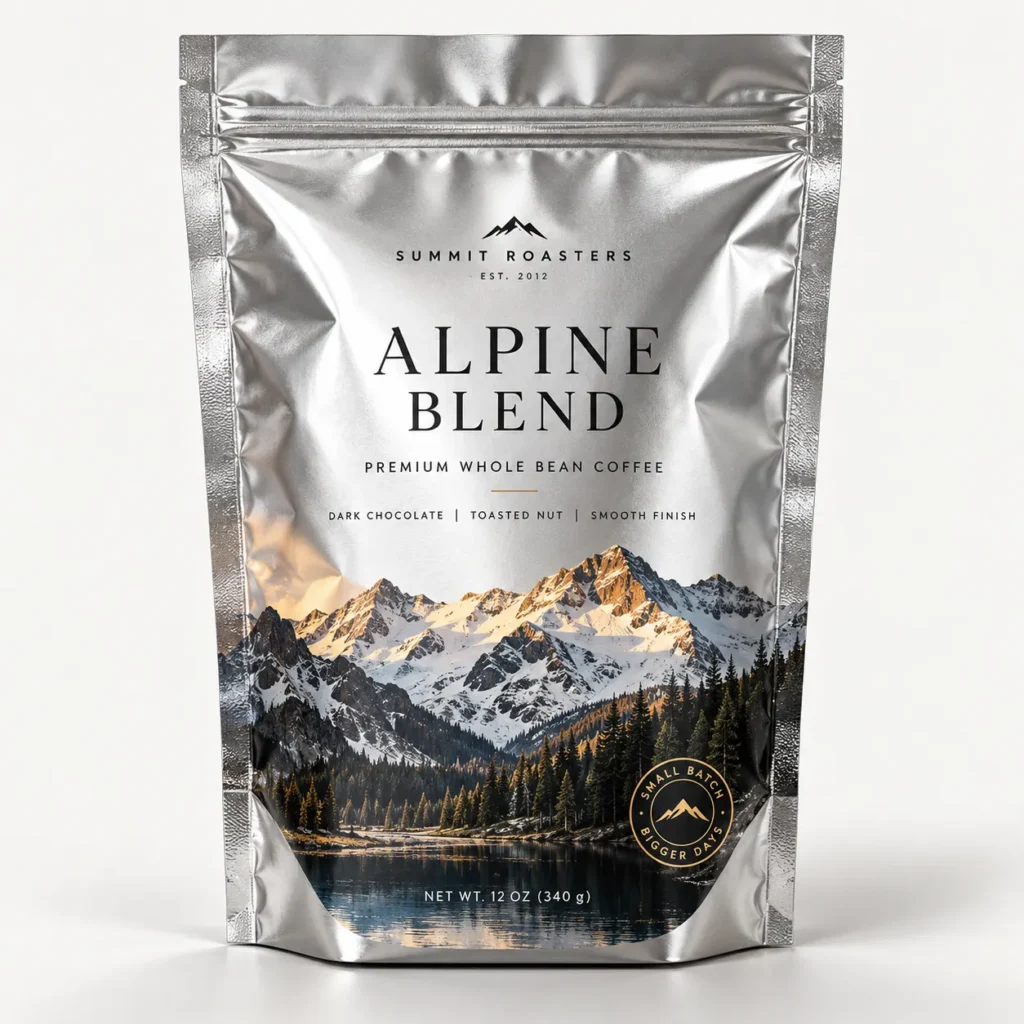
The word foil is used loosely in packaging, and that confusion costs brands money. A true aluminum foil laminate includes a solid layer of aluminum, usually sandwiched between a printable outer film and a food-grade sealing layer. It offers the highest barrier against oxygen, moisture, and light available in flexible packaging.
Metallized film looks similar but works differently. A microscopically thin layer of aluminum is vapor-deposited onto plastic film, giving a metallic look with a good but lower barrier. It is lighter, more flexible, and more affordable.
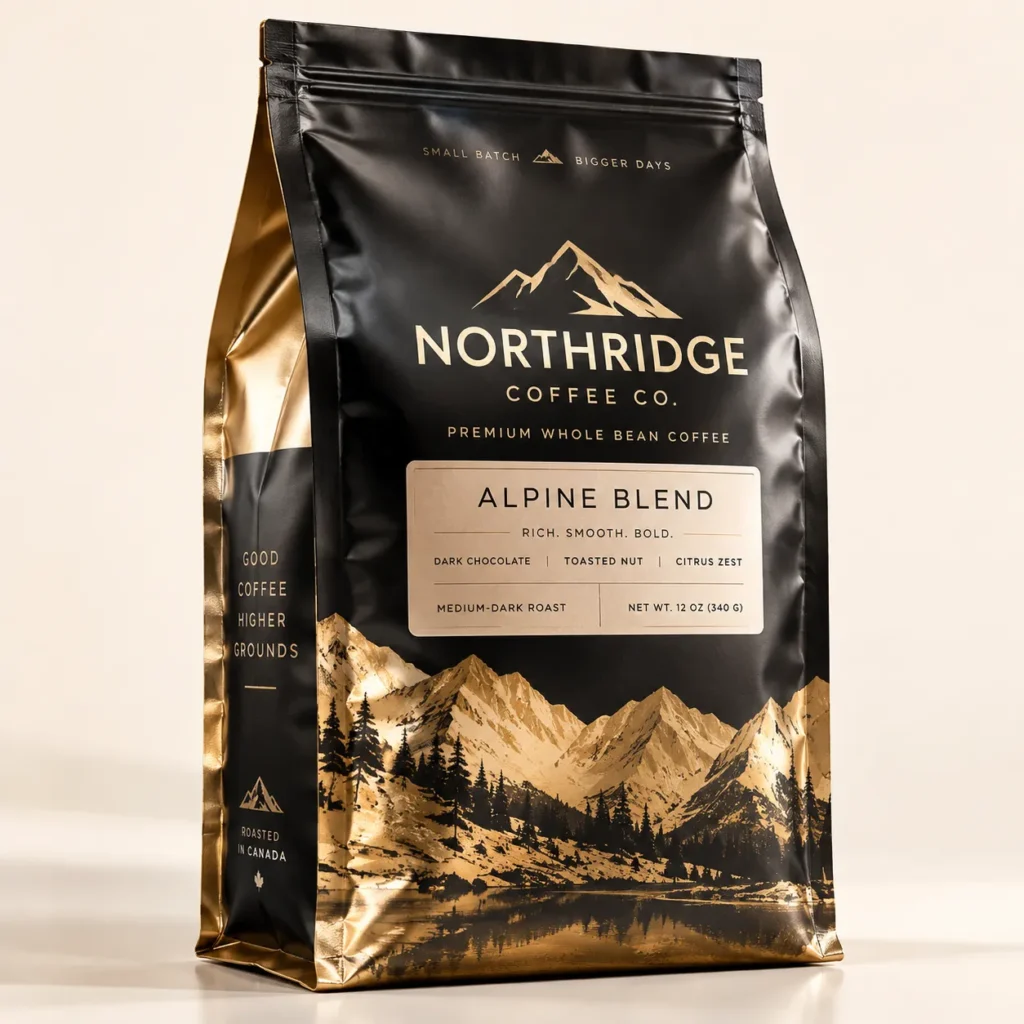
Decorative foil stamping is something else again. Gold or silver foil is applied to the outside for appearance only and adds no barrier protection. Well-specified foil mylar bags combine the right barrier layer with the right decorative finish, and we always tell you which one you are getting. For products that need visibility, a clear front with a foil back is another option, as shown in our clear mylar bags.
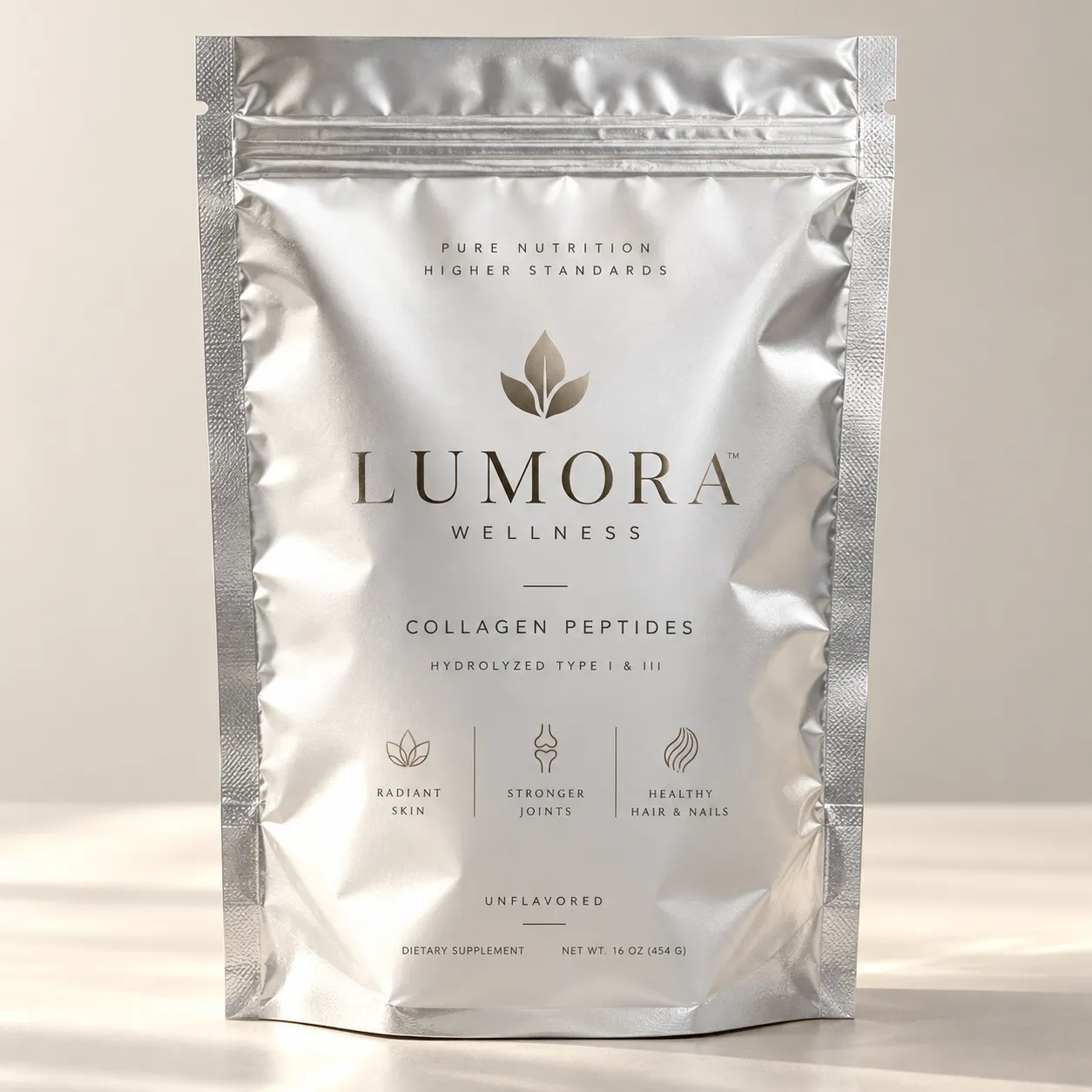
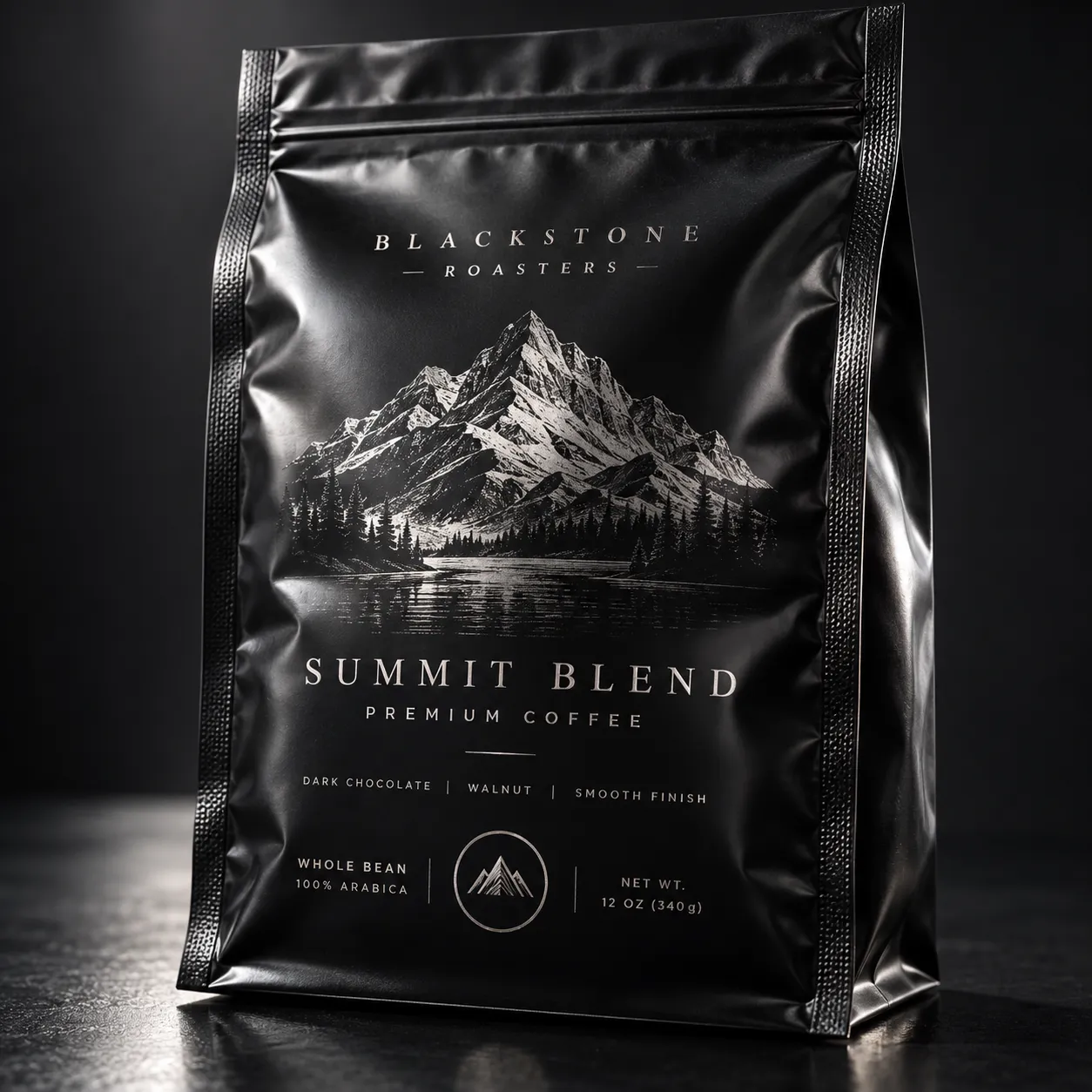
Aluminum foil laminates offer extremely low oxygen and moisture transmission, which is why they are used for coffee, long-term food storage, pharmaceuticals, and aromatic products. However, solid foil has one weakness: repeated crumpling can create tiny pinholes, known as flex cracks, that reduce barrier performance.
The solution is structure design. Adding a nylon layer improves puncture and flex resistance, which is important for heavy fills, sharp products, and bags that will be vacuum packed. Our vacuum seal mylar bags explain these tougher structures in detail.
Metallized film is less prone to flex cracking and costs less, making it a smart choice for snacks, candy, and products sold within a few months. Total pouch thickness typically ranges from about 3.5 to 7 mil depending on product weight and storage time. The Packaging Masters recommends the most cost-effective structure that still meets your shelf life target.
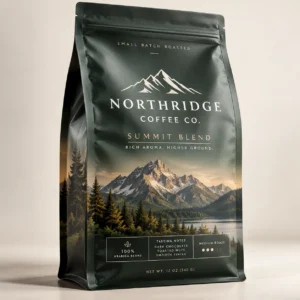
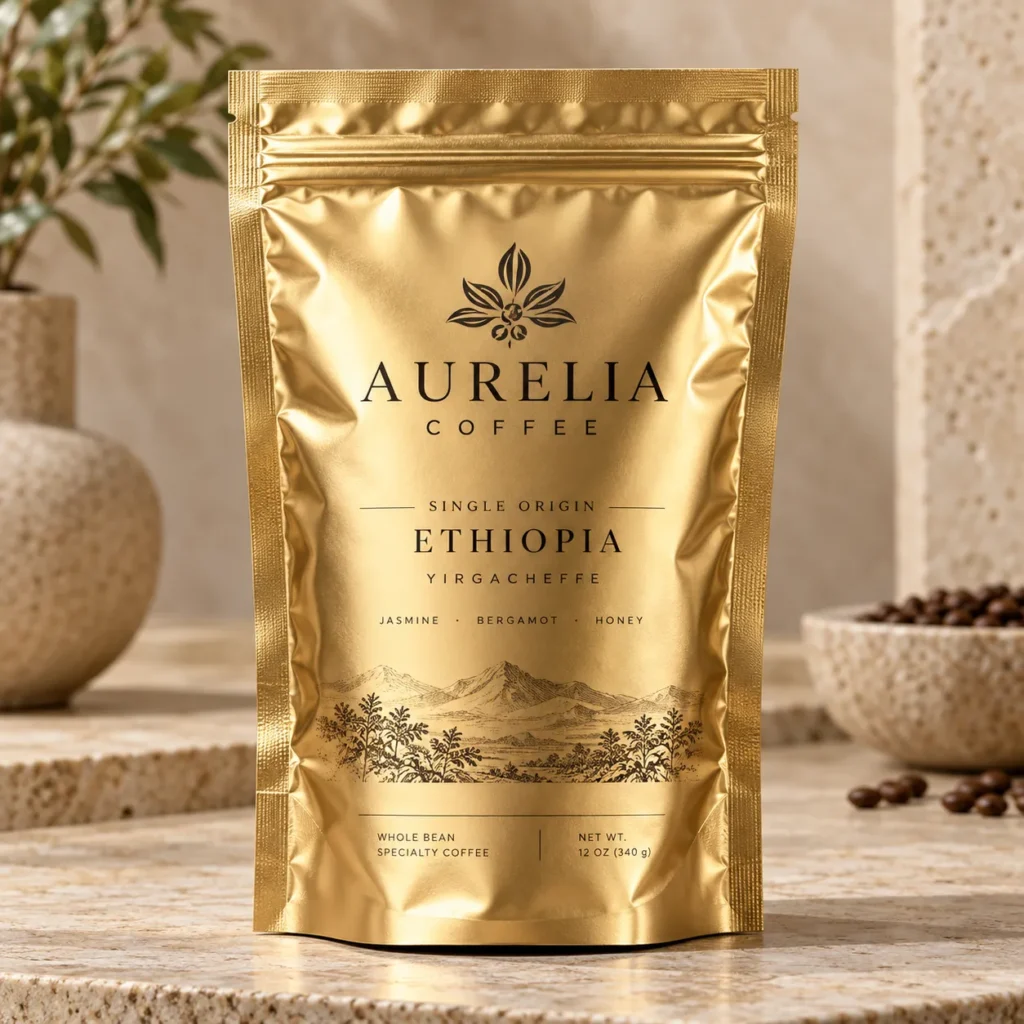
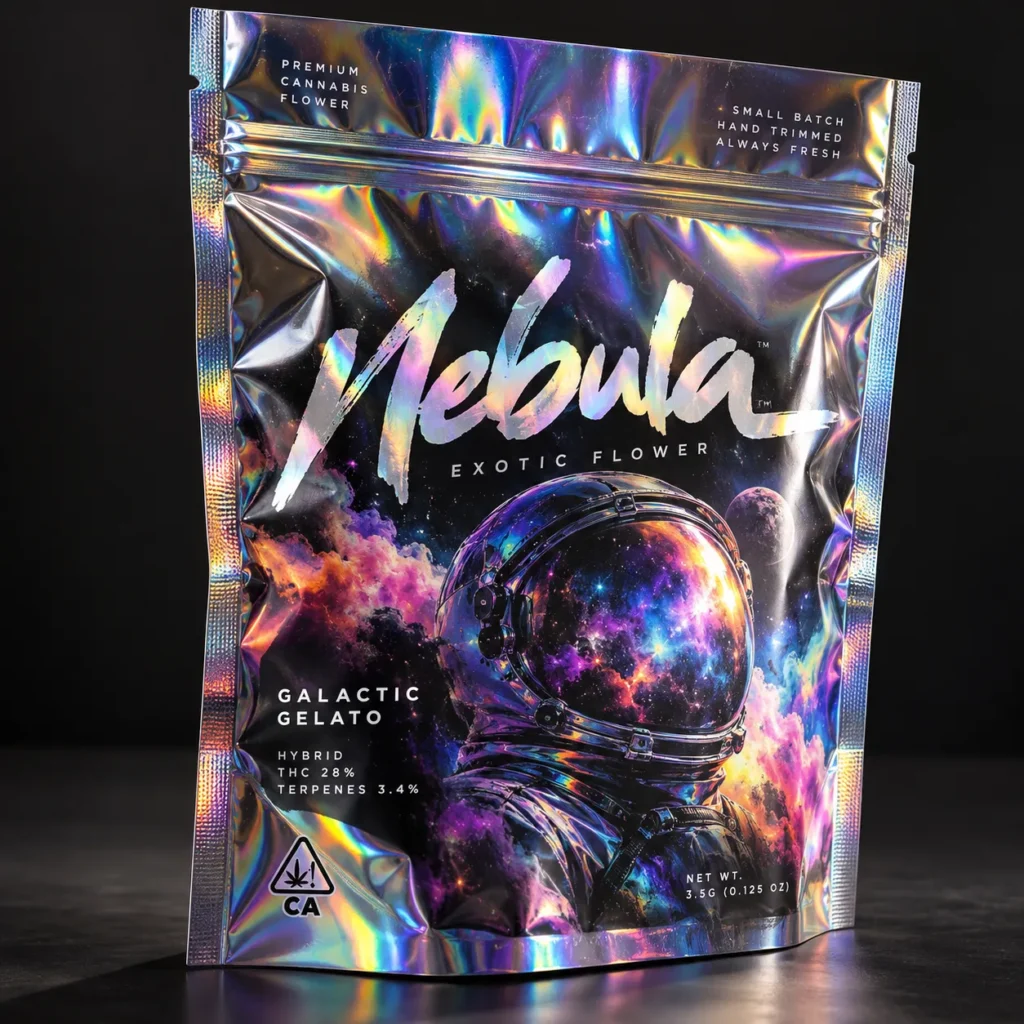
Foil packaging sends two messages at once: maximum protection and premium quality. Top-shelf products often combine an aluminum barrier with gold or silver foil stamping on the logo, as seen in our exotic mylar bags. Specialty coffee roasters rely on foil laminates and one-way valves, and our coffee mylar bags explain valve placement and sizing.
Supplement and protein brands use foil pouches to protect sensitive ingredients from oxygen and humidity. Luxury chocolate and snack brands use metallic finishes to stand out on crowded shelves. For an extra layer of visual impact, holographic film creates a shifting rainbow effect, as shown in our holographic mylar bags.
Tell us your product, shelf life target, and quantity. We will recommend barrier structure and decorative finishes, then send a digital proof within 24 hours. Request your quote today and get foil mylar bags that deliver real protection, not just shine.
Start Your Quote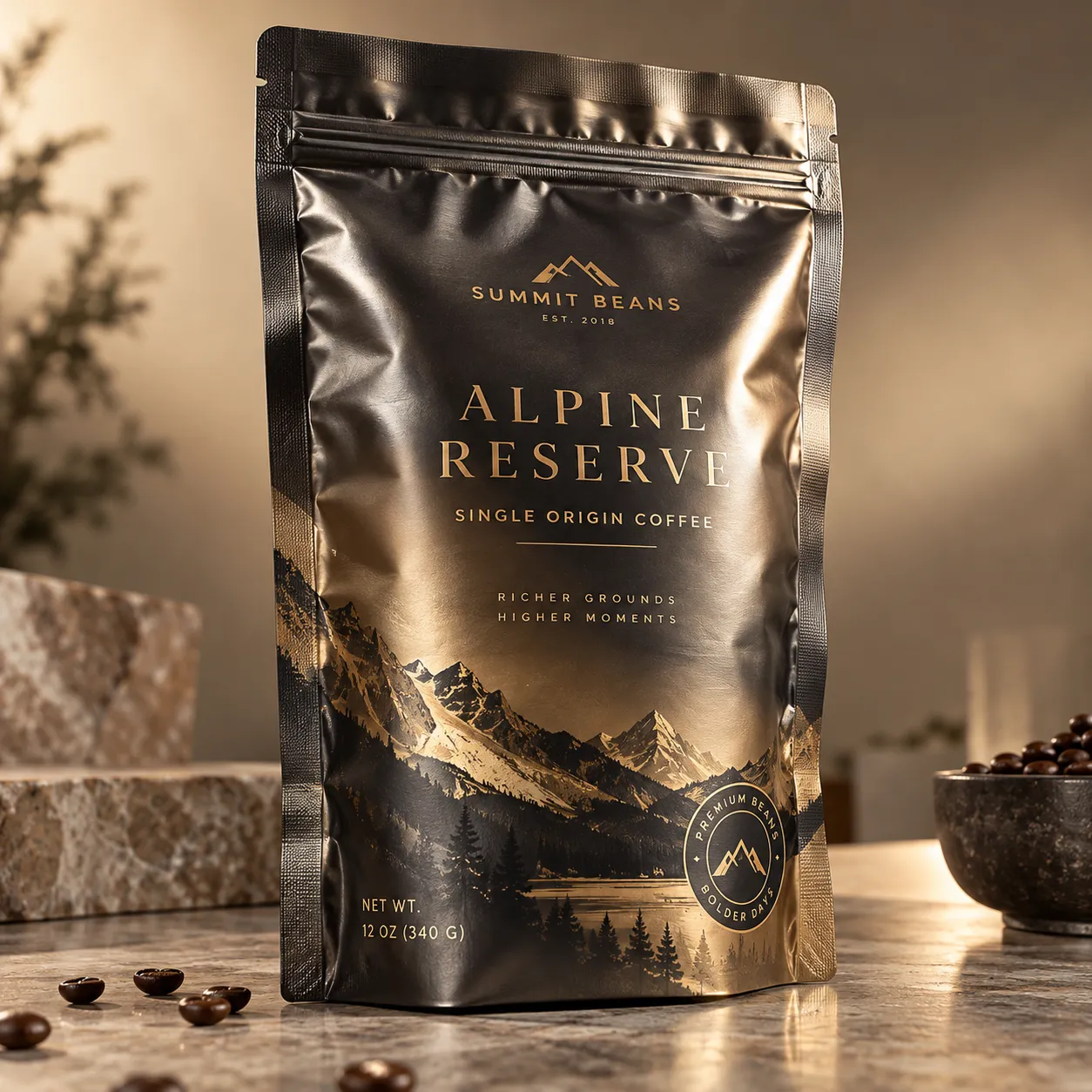
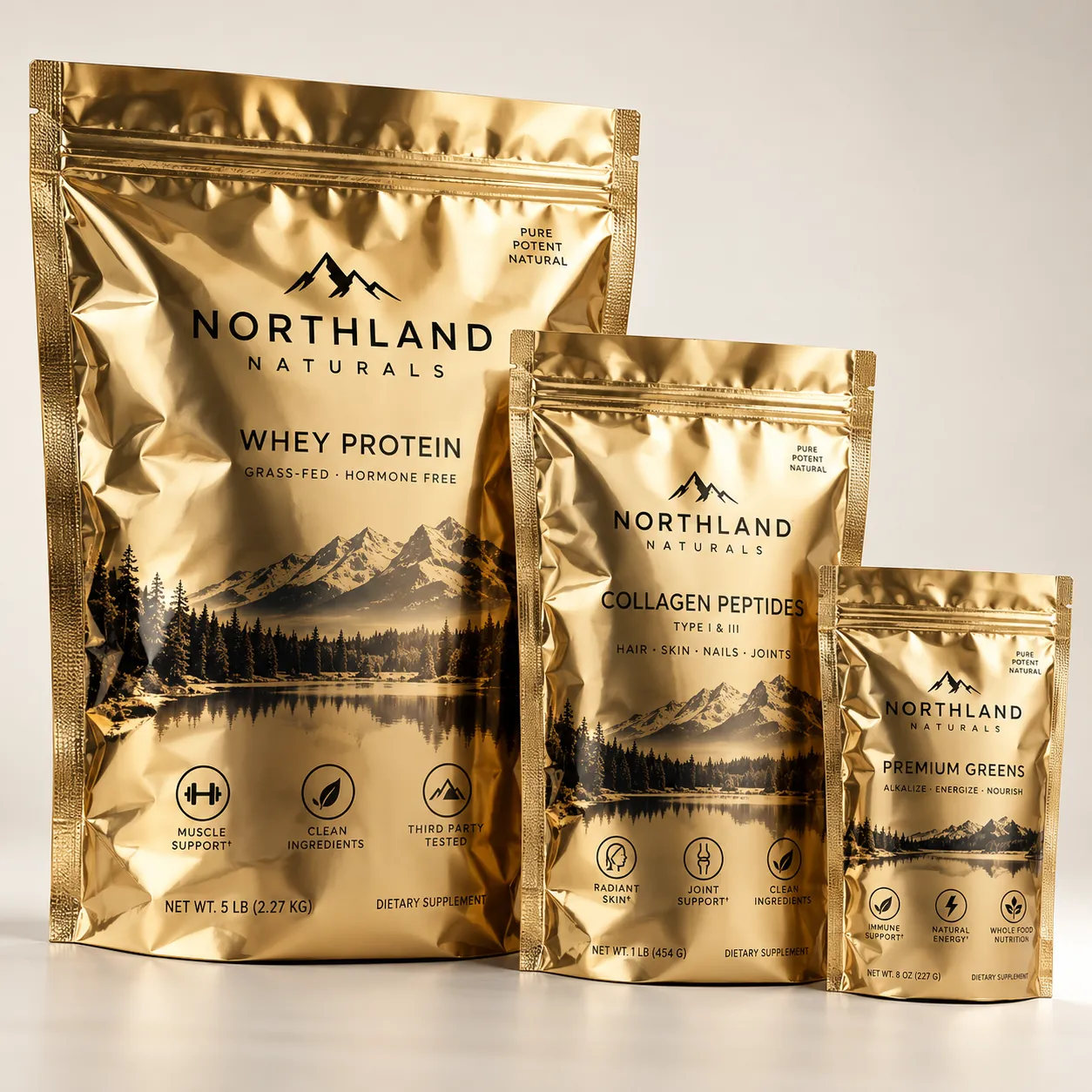
Printing on metallic film creates unique effects. Areas left unprinted show the natural metallic shine, while a white ink underlay makes colors solid and opaque. Skipping the underlay in selected areas creates metallic-tinted colors that shimmer under light.
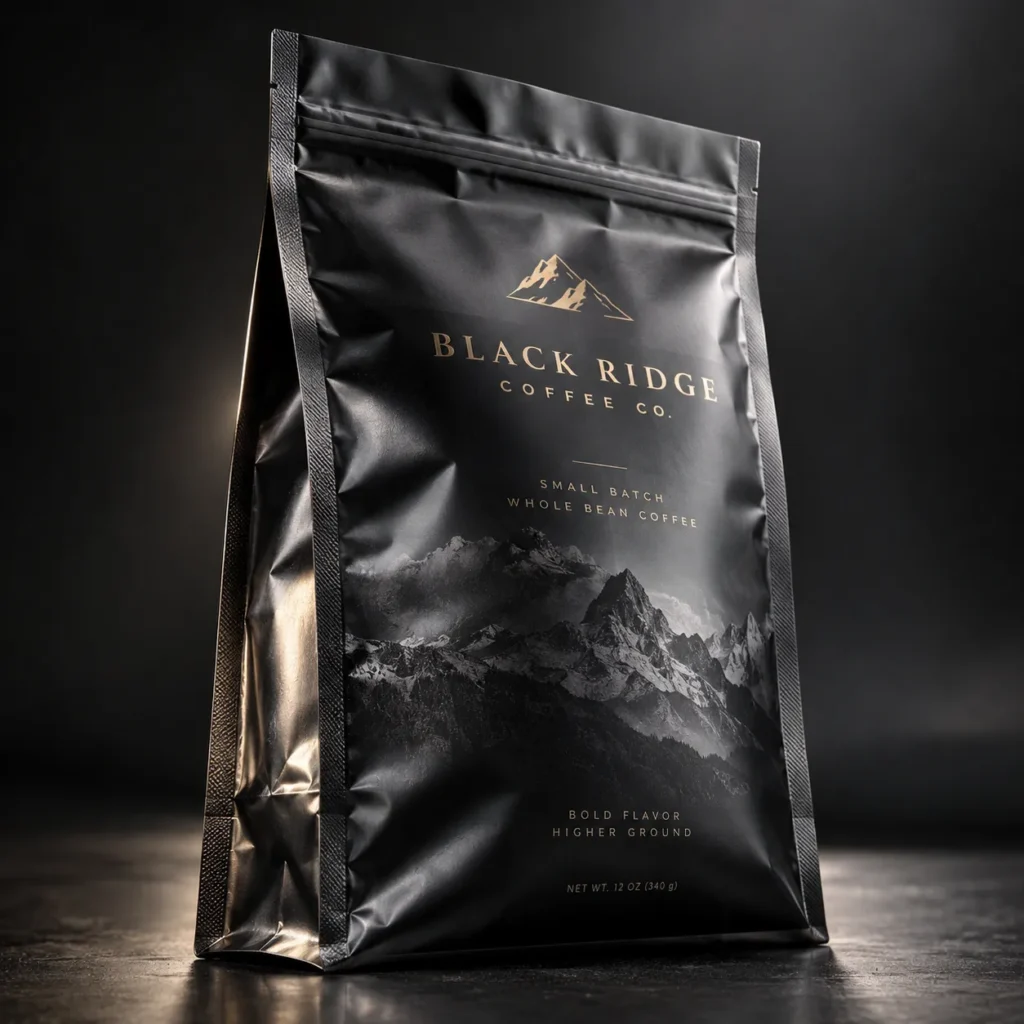
Foil stamping adds sharp metallic accents in gold, silver, rose gold, copper, or holographic. It works best on bold logos and short text rather than fine detail, since very thin lines can fill in during stamping. Combining a soft-touch matte base with foil stamping on the logo creates a high-contrast, luxury finish.
Every order of foil mylar bags includes free design support, custom sizes, and quality checks on barrier structure, seal strength, and print registration. Request a free sample from The Packaging Masters and compare foil and metallized options side by side before production. Seeing and feeling both structures makes the choice simple.
Some do and some do not. True aluminum foil laminates contain a solid aluminum layer for maximum barrier. Metallized film has a microscopically thin vapor-deposited coating. Decorative foil stamping is applied only for appearance. We always specify which structure your bags use, in writing, on every quote.
Custom foil pouches start around $0.14 per unit at volume. Aluminum foil laminates cost more than metallized film, and foil stamping adds a small setup cost. Pricing depends on size, structure, finishes, and quantity. We provide detailed quotes within 24 hours so you can compare options.
Aluminum foil offers the highest barrier and suits long shelf lives and sensitive products. Metallized film is more flexible, lighter, and cheaper, and works well for products sold within months. We recommend the right option based on your shelf life target.
Flex cracking is the formation of tiny pinholes in solid foil after repeated folding or crumpling. These pinholes reduce barrier performance. Adding a nylon layer or choosing metallized film helps prevent the problem for bags that are handled often or shipped long distances.
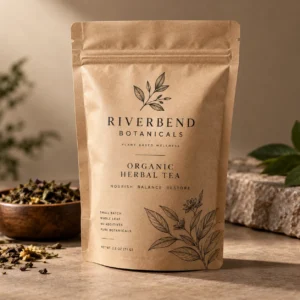
Yes. Kraft paper outer layers can be laminated to a foil barrier inside. Our kraft mylar bags combine a natural exterior with strong protection, popular for coffee, tea, and artisan foods. Natural paper texture with a hidden metal barrier is a winning combination.
Multi-layer foil laminates are generally hard to recycle in curbside programs. For sustainability goals, our biodegradable mylar bags explain plant-based alternatives, and mono-material recyclable structures are also available for some products. We can help you compare barrier and sustainability trade-offs.
Yes. A window can be cut into the foil layer to show the product, though it reduces light protection in that area. Our window mylar bags show placements that keep most of the barrier intact. Small windows on the side or back are often the best compromise.
Digitally printed foil pouches usually ship in about 10 to 15 business days after proof approval. Foil stamping and rotogravure orders may take longer. Rush options are available, and we confirm your timeline in the quote, including shipping to your location.
Instead of generic stock boxes, every project starts with your product, your goals, and your customer experience — so the packaging protects in transit and still feels premium in hand.
Built to your product, not pulled from a shelf of ready-made sizes.
Strong structures, neat edges, and finishes that actually sell.
Businesses and individuals can order — start with a small run and scale when you’re ready.
4–5 business days production after proof approval — you always know what’s next.
Copyright © 2026 thepackagingmasters.com All rights reserved.