
01
Finalize your design
Sizes, materials, finishes, and artwork are locked in. You review the proof carefully and approve when every detail matches your brief.
A bag that puffs up like a pillow on the shelf, or one that flattens and lets stale air in. Both are signs of the wrong packaging. Coffee mylar bags must release roasting gases while keeping oxygen, light, and moisture out, every single day on the shelf.
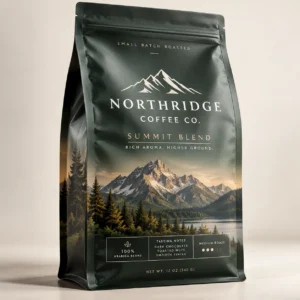
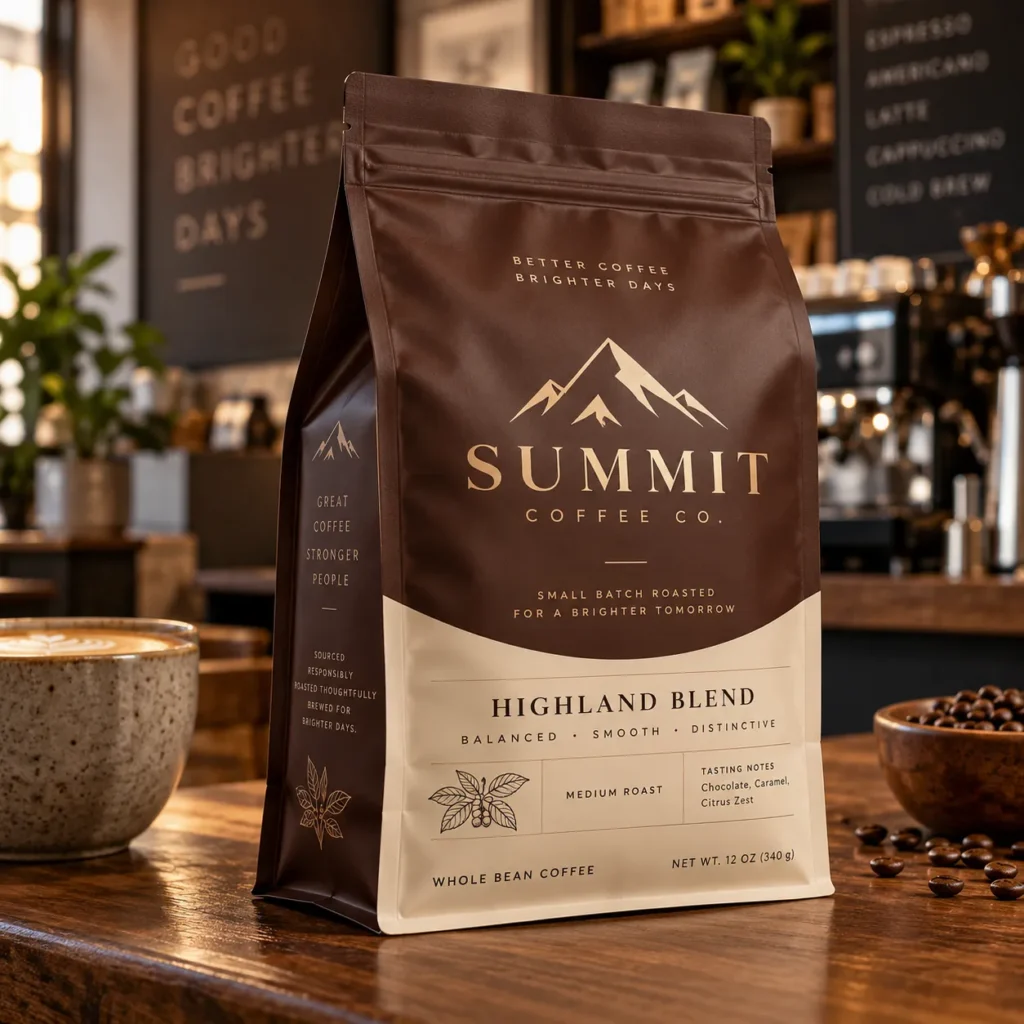
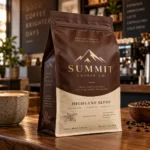
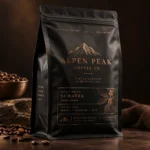
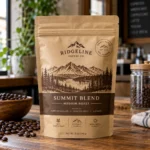
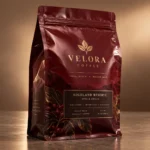
The Packaging Masters builds roaster-ready bags with one-way valves, high-barrier laminates, and size options from samples to wholesale. Choose a box-shaped base that stands tall on shelves or an earthy kraft exterior with a foil liner.
What Makes Us Different?
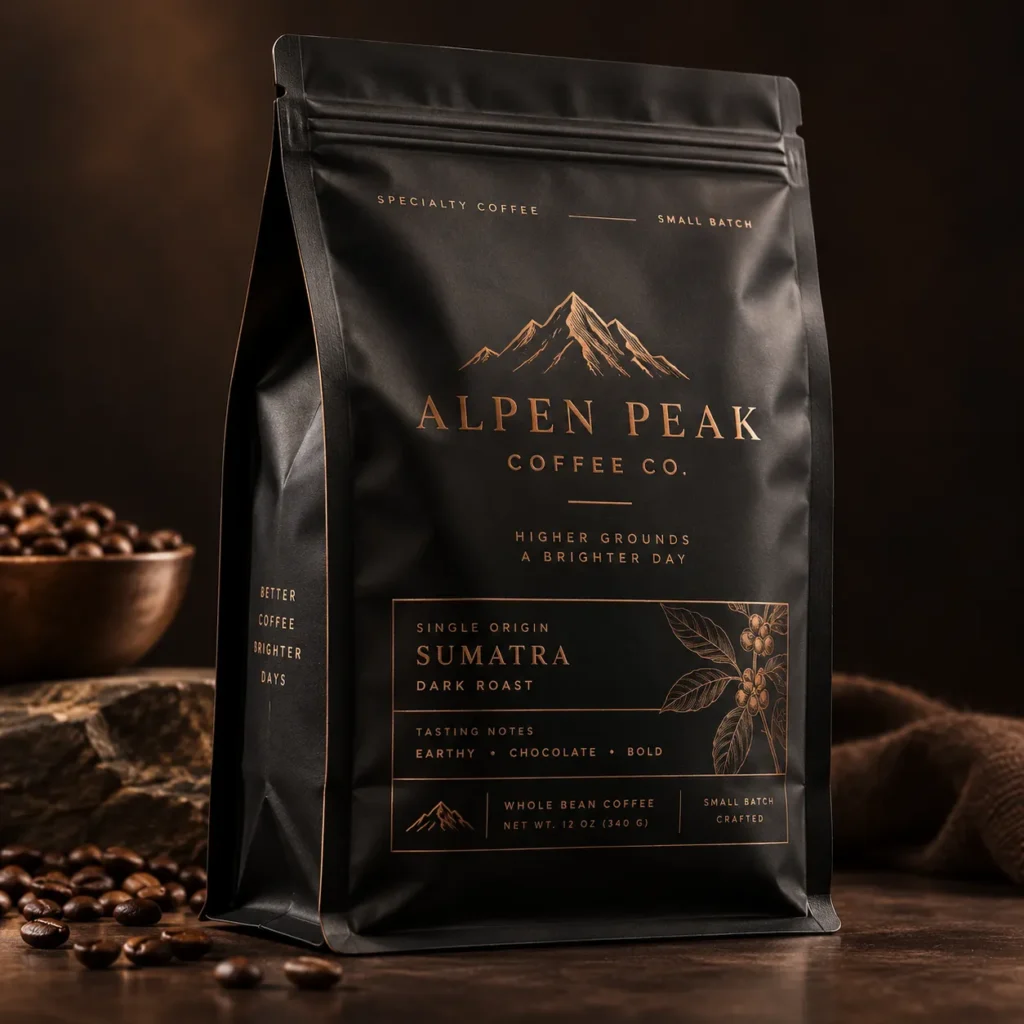
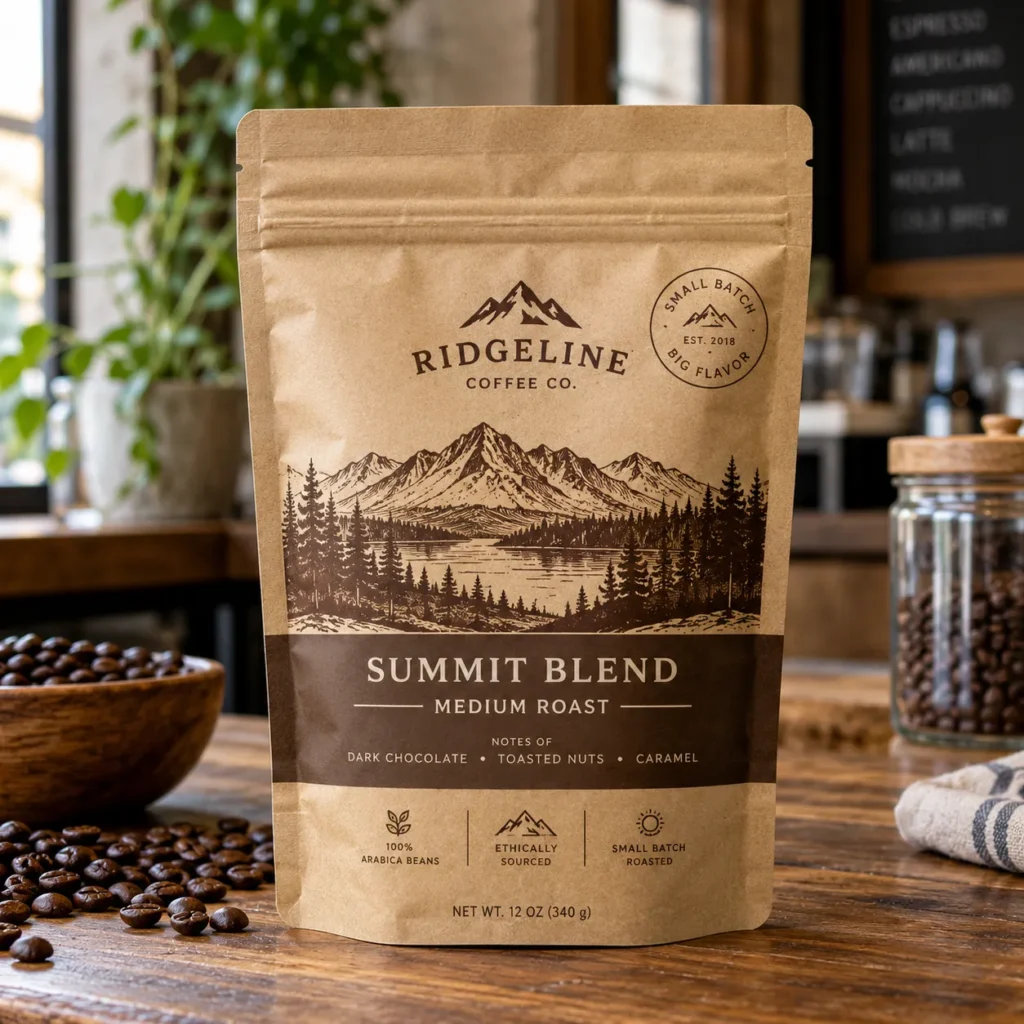
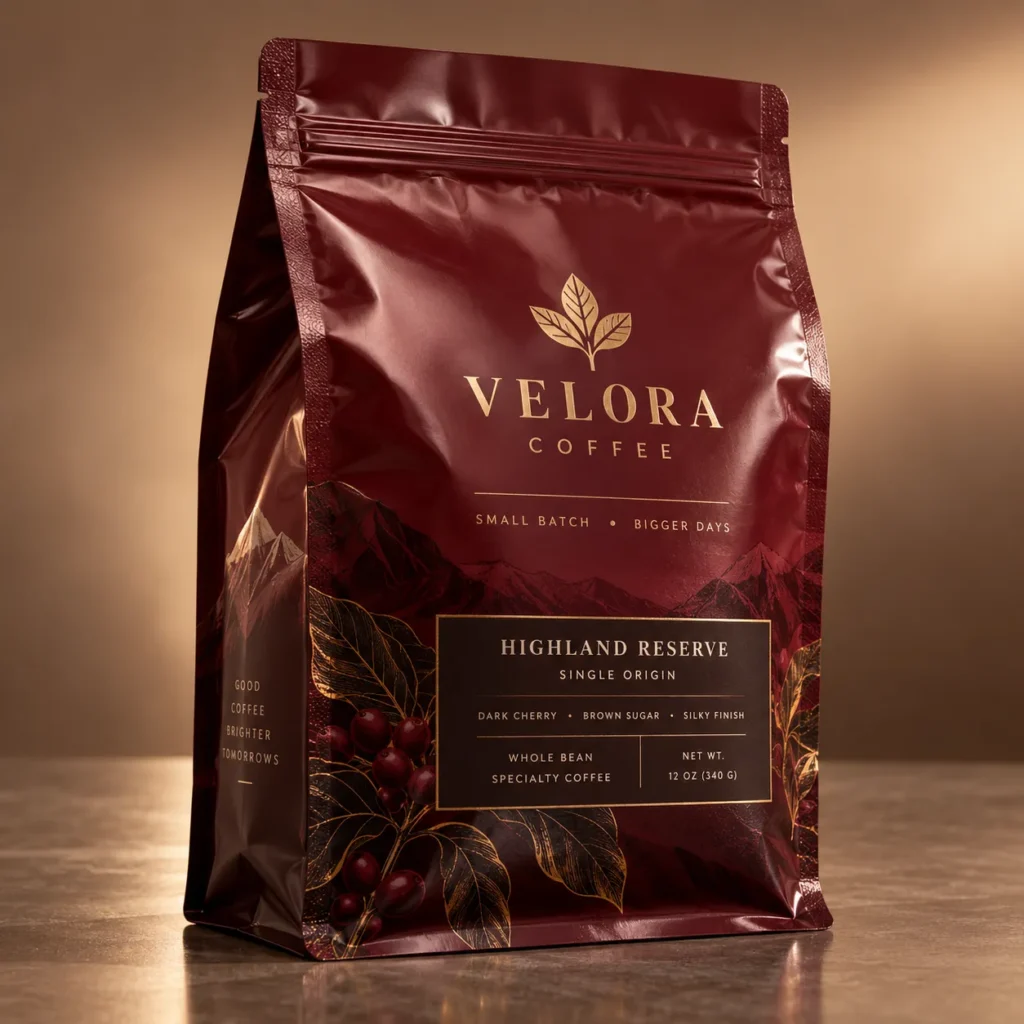
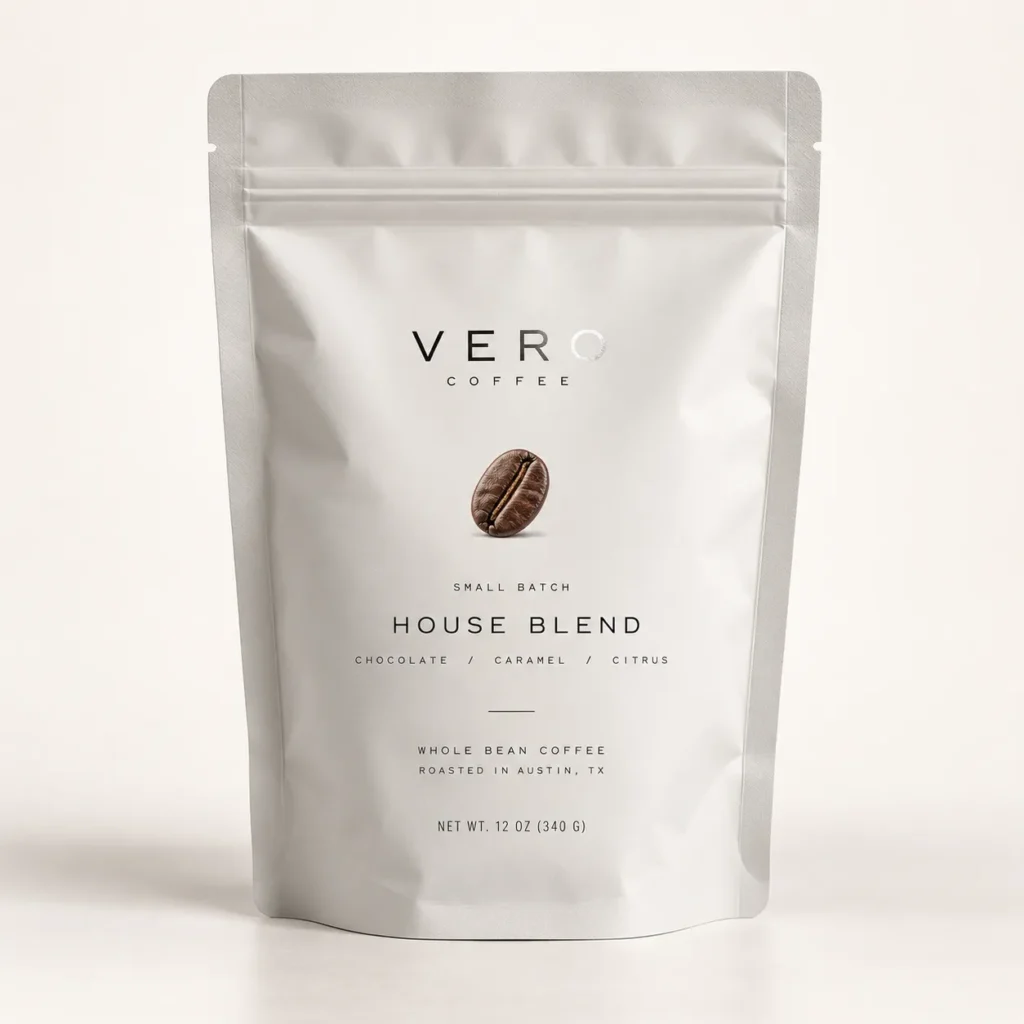
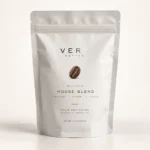
From approval to doorstep — handled end to end.
Every order runs through four specialist teams — structural design, print, finishing, and dispatch — so your packaging keeps moving without bottlenecks, delays, or guesswork.
Sizes, materials, finishes, and artwork are locked in. You review the proof carefully and approve when every detail matches your brief.
Your job moves to print, cutting, lamination, and finishing. Our production team monitors color, registration, and structural accuracy.
Finished boxes are checked against the approved sample, counted, and securely packed to protect edges and print during transit.
Dispatch shares tracking details so your team can plan filling and launch dates. Your packaging arrives press-ready and production-ready.
Freshly roasted coffee releases carbon dioxide for days after roasting. If that gas has nowhere to go, the bag swells, seams strain, and in some cases the pouch can split. Roasters who avoid this by waiting before packing lose freshness, because the coffee sits exposed to oxygen in the meantime.
Oxygen is the bigger enemy. Once it reaches roasted beans, aromatic oils oxidize and flavor fades. Light and moisture speed up the process. A thin or poorly sealed bag lets all three in, and customers taste the difference within weeks.
Purpose-built coffee mylar bags solve both problems. A one-way degassing valve lets carbon dioxide escape while blocking outside air from entering. Multi-layer foil or metallized film keeps oxygen, light, and moisture out. Side gussets give the bag a classic coffee shape and extra volume, as shown in our gusseted mylar bags. Together, the valve and barrier let you pack coffee soon after roasting, when flavor is at its peak.
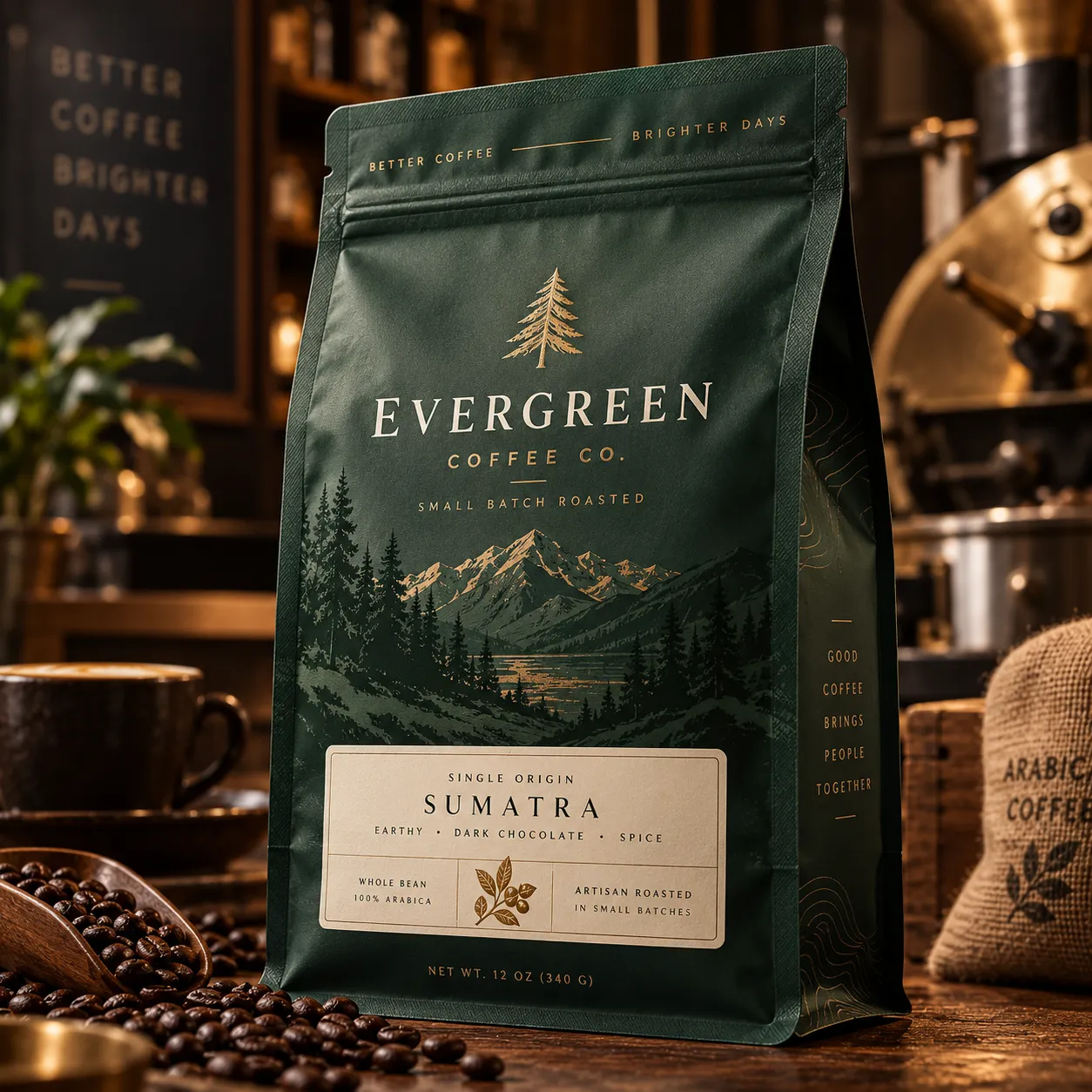
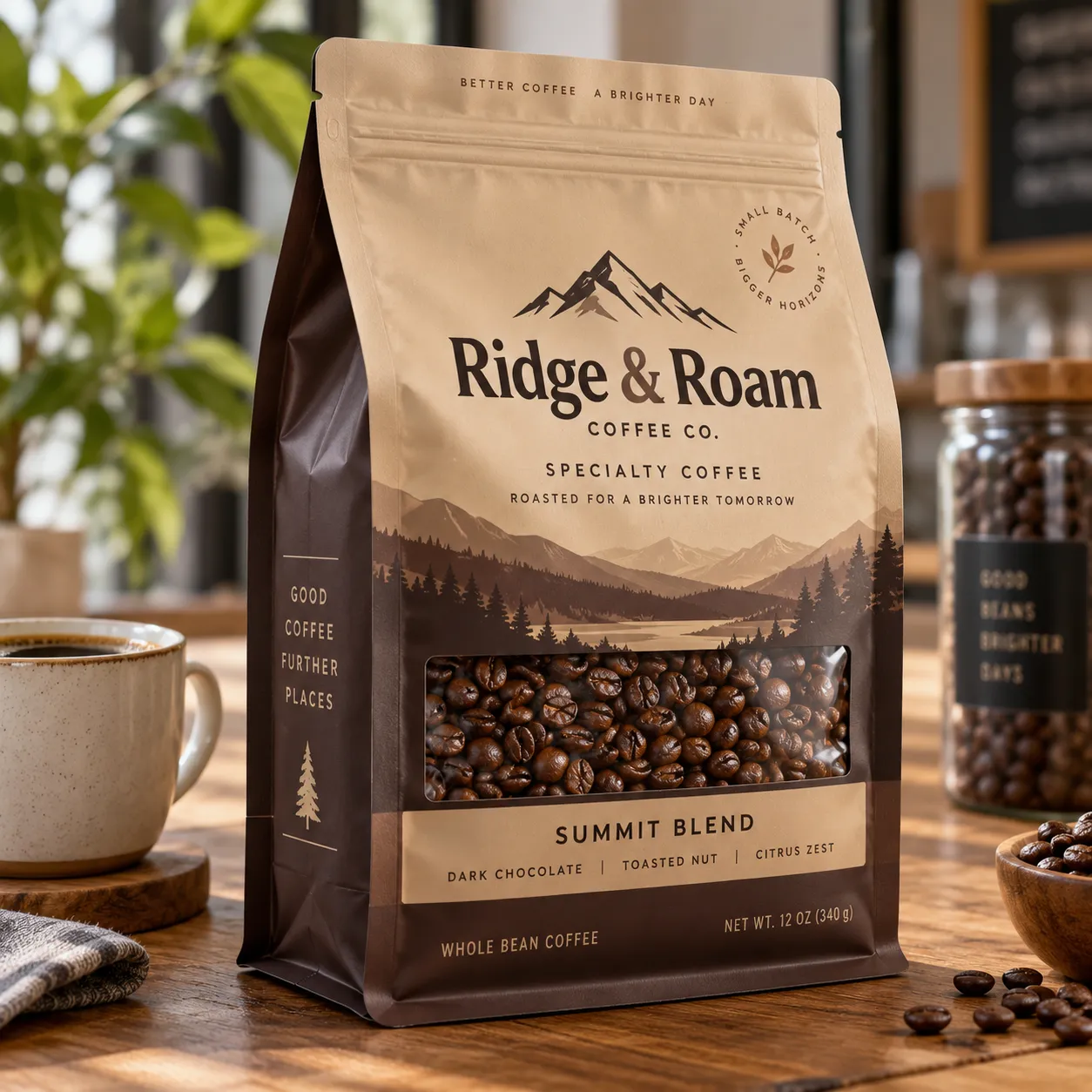
Whole bean coffee degasses slowly over several days, so a valve is almost always recommended. Ground coffee releases gas faster right after grinding and stales faster once exposed, which is why many roasters still use a valve and pack ground coffee quickly. Valve placement matters too. It is usually positioned in the upper third of the front or back panel, away from the zipper and seal area.
Nitrogen flushing pushes oxygen out of the bag before sealing. Combined with a valve and high-barrier film, it can significantly extend shelf life for wholesale and online coffee that may sit for weeks before brewing.
Size choice depends on your sales channel. Common retail sizes are 8 oz, 12 oz, and 1 lb, while cafes and offices often order 2 lb and 5 lb bags. Our 1 lb mylar bags page explains how bean density affects pouch dimensions. Eco-focused roasters can explore compostable structures with valves in our biodegradable mylar bags, keeping in mind shorter shelf life.
Every coffee business has different packaging priorities. Specialty roasters want to tell origin stories and highlight tasting notes. Cafes want retail bags that match their brand and sit neatly on shelves behind the counter. Subscription services need bags that ship well and arrive looking fresh. Grocery brands need durable, efficient packaging that survives distribution.
Finish shapes perception. Matte film gives a premium, modern look that suits specialty coffee, as seen in our matte mylar bags. High-volume brands sometimes use quad seal or center-seal designs, and our back seal mylar bags explain how pillow and gusseted formats fit automated packing lines.
Tell us your bag sizes, roast volumes, closure preferences, and quantity. We will recommend structure, valve, and finish, then send a digital proof within 24 hours. Request your quote today and pack your next roast in bags worthy of the beans.
Start Your Quote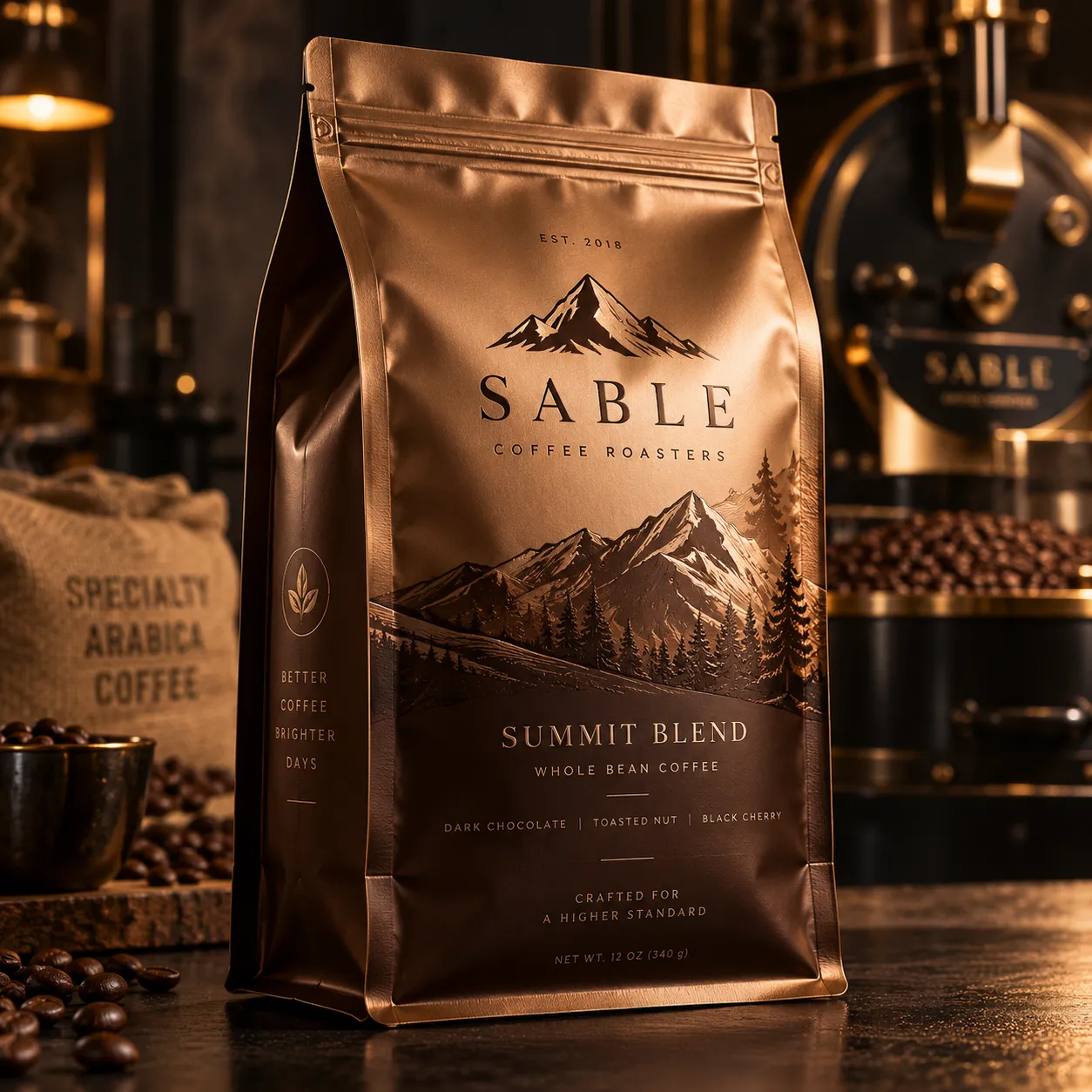
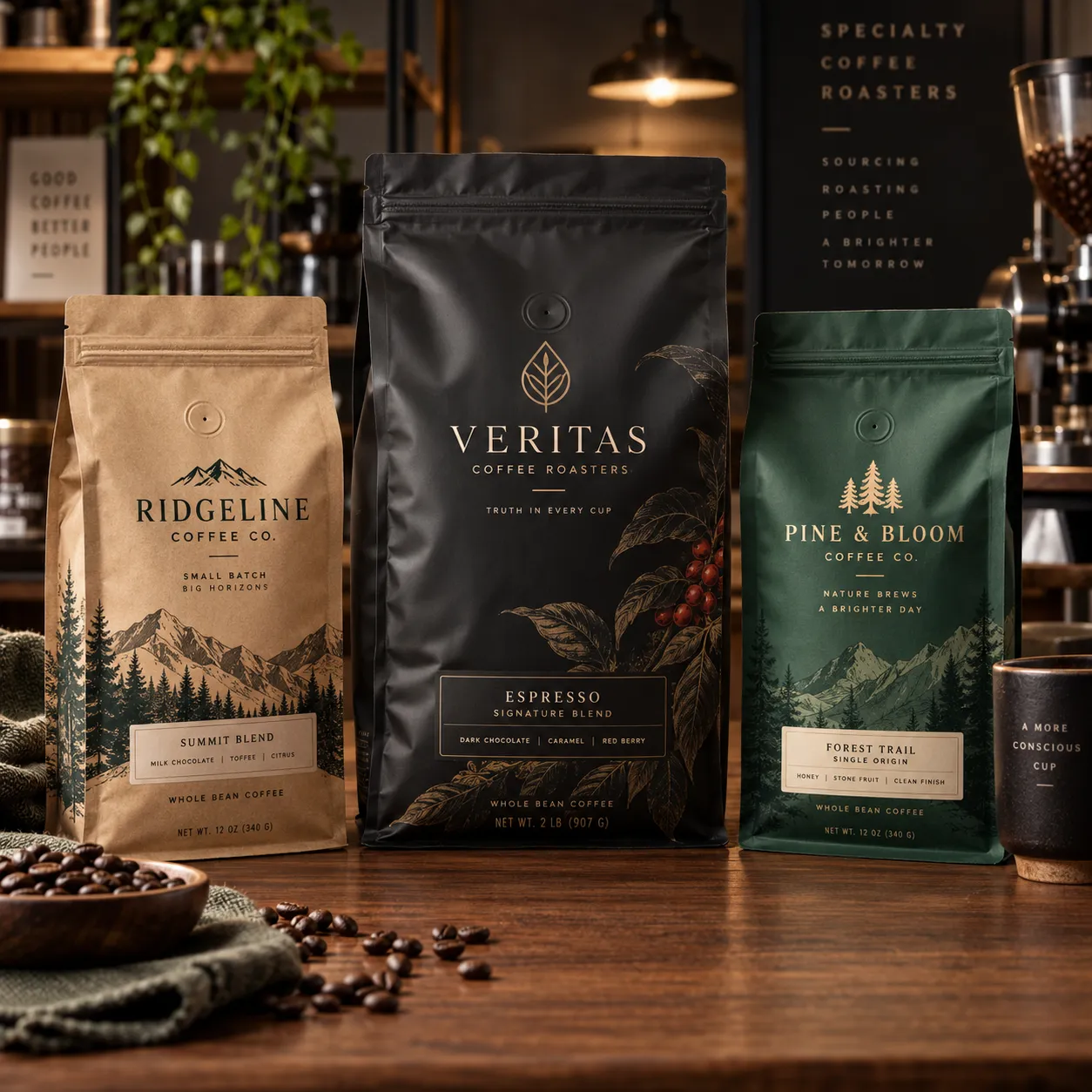
Roasters often sell many coffees from one bag design. A smart approach is a printed base bag with a blank label area for roast date, origin, process, and tasting notes. You can print labels in-house for each batch, keeping inventory simple. Digital printing also lets you produce fully printed designs for each origin without plate charges.
Closures affect daily use. Pocket zippers reseal cleanly and keep beans fresh after opening. Tin ties fold down to close the bag and suit a classic artisan look. Tear notches make first opening easy. For heavier 5 lb bags, reinforced gussets and thicker film prevent splitting.
Every order of coffee mylar bags includes free design support, custom sizes, and quality checks on valve performance, seal strength, and print. Request a free sample from The Packaging Masters, fill it with fresh-roasted coffee, and watch how it performs over a week before production.
For freshly roasted coffee, yes. Beans release carbon dioxide for days after roasting, and a one-way valve lets that gas escape while keeping oxygen out. Without a valve, bags can swell or split, or roasters must wait to pack, which reduces freshness.
Custom coffee bags start around $0.25 per unit at volume. Pricing depends on size, film structure, valve, zipper or tin tie, and print method. Digital printing suits multiple origins and short runs, while large orders unlock lower wholesale pricing. Quotes arrive within 24 hours.
Common sizes are 4 oz for samples, 8 oz and 12 oz for retail, 1 lb for standard bags, and 2 lb to 5 lb for cafes and wholesale. Because bean density varies by roast, we confirm exact dimensions with a fill test.
Pocket zippers reseal more tightly and suit customers who open the bag daily. Tin ties offer a classic artisan look and fold the bag closed, though they seal less tightly. Many roasters choose zippers for retail and tin ties for cafe-style presentation.
Yes, with a small window. Keep in mind that light speeds up staling, so we recommend small windows on the side gusset or back panel rather than the front. Our window mylar bags show shapes and placements that limit light exposure.
A reliable resealable closure is key. Our resealable mylar bags explain zipper styles, and we recommend customers press out excess air, close the zipper fully, and store the bag in a cool, dark place away from the stove. These simple steps keep flavor bright for longer.
Yes. Small sample bags of 1 to 4 ounces are perfect for tasting kits, subscriptions, and events. Our small mylar bags offer compact sizes that can be printed to match your full-size coffee line. They are a low-cost way to win new subscribers.
Digitally printed coffee bags usually ship in about 10 to 15 business days after proof approval. Rotogravure orders and bags with special valves may take longer. Rush options are available, and we confirm your timeline when we send the quote.
Instead of generic stock boxes, every project starts with your product, your goals, and your customer experience — so the packaging protects in transit and still feels premium in hand.
Built to your product, not pulled from a shelf of ready-made sizes.
Strong structures, neat edges, and finishes that actually sell.
Businesses and individuals can order — start with a small run and scale when you’re ready.
4–5 business days production after proof approval — you always know what’s next.
Copyright © 2026 thepackagingmasters.com All rights reserved.