
01
Finalize your design
Sizes, materials, finishes, and artwork are locked in. You review the proof carefully and approve when every detail matches your brief.
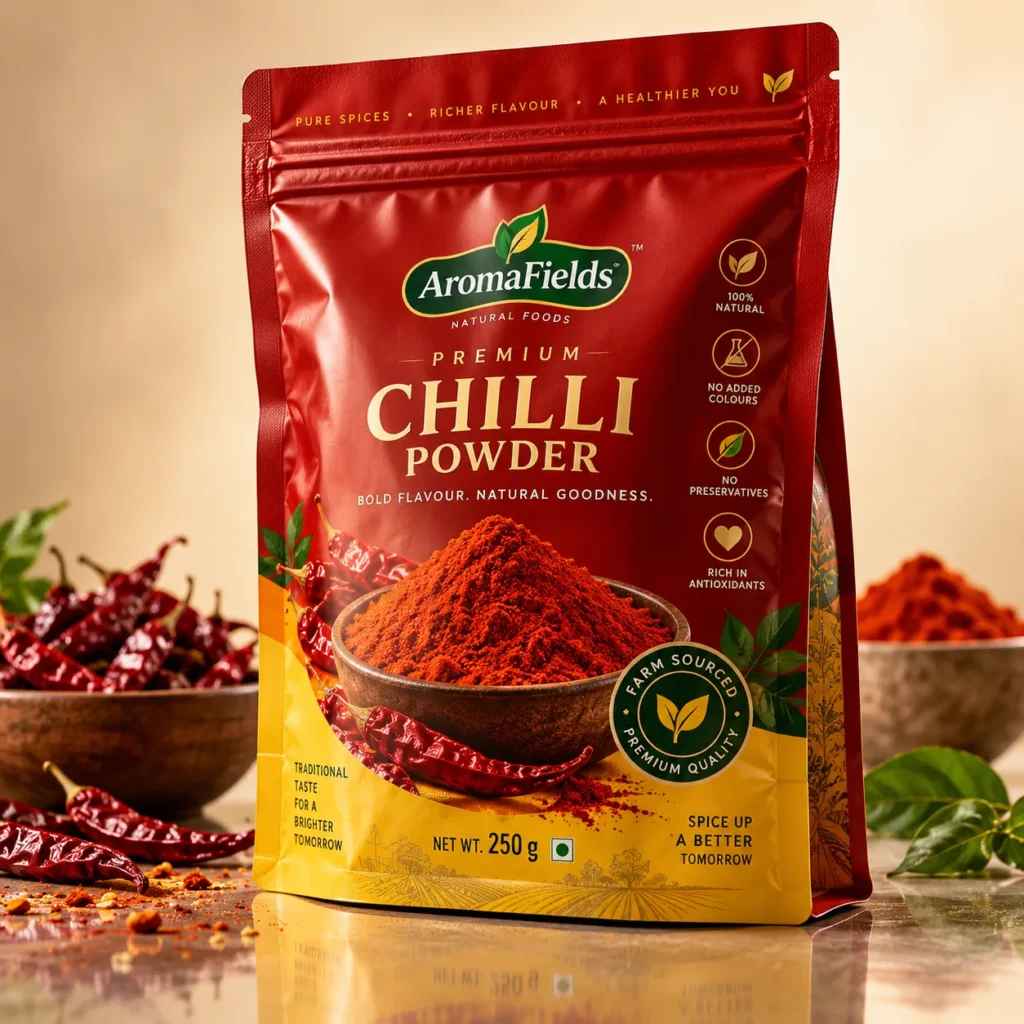
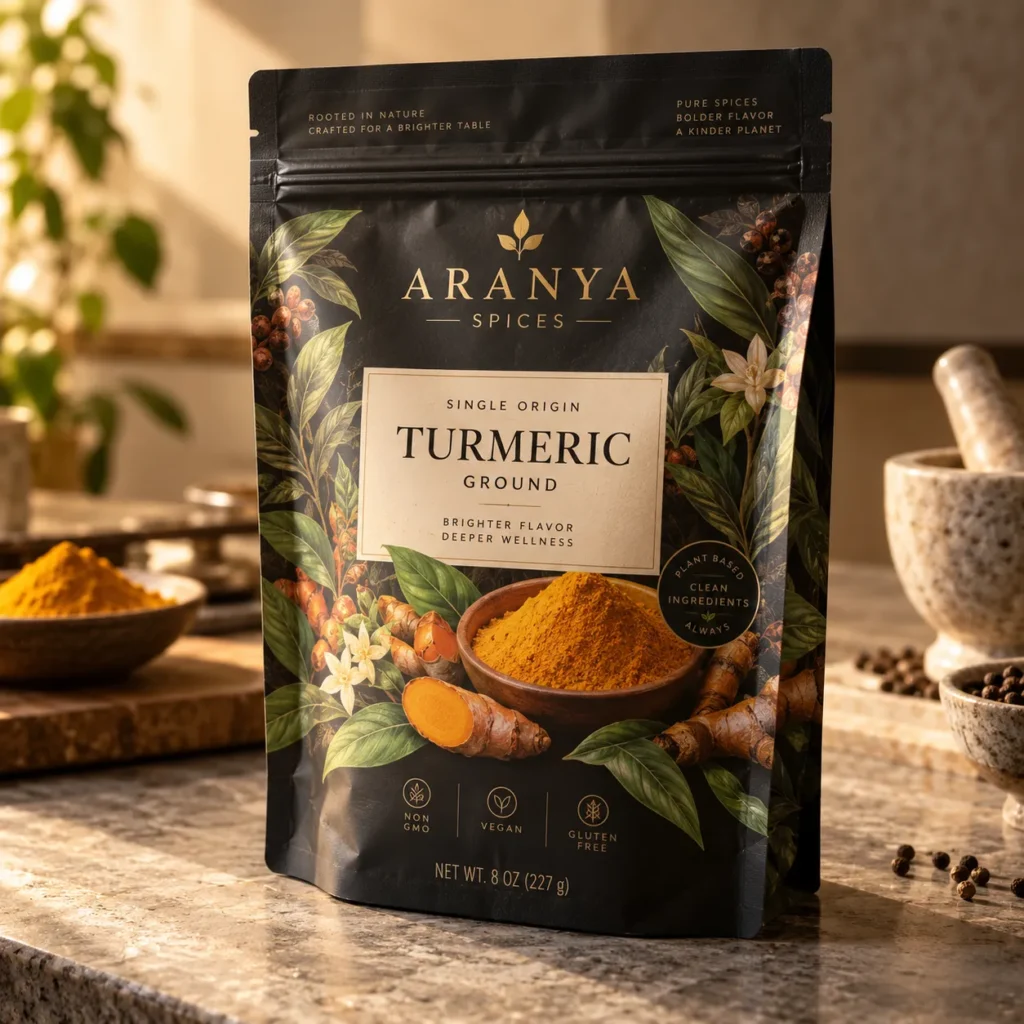
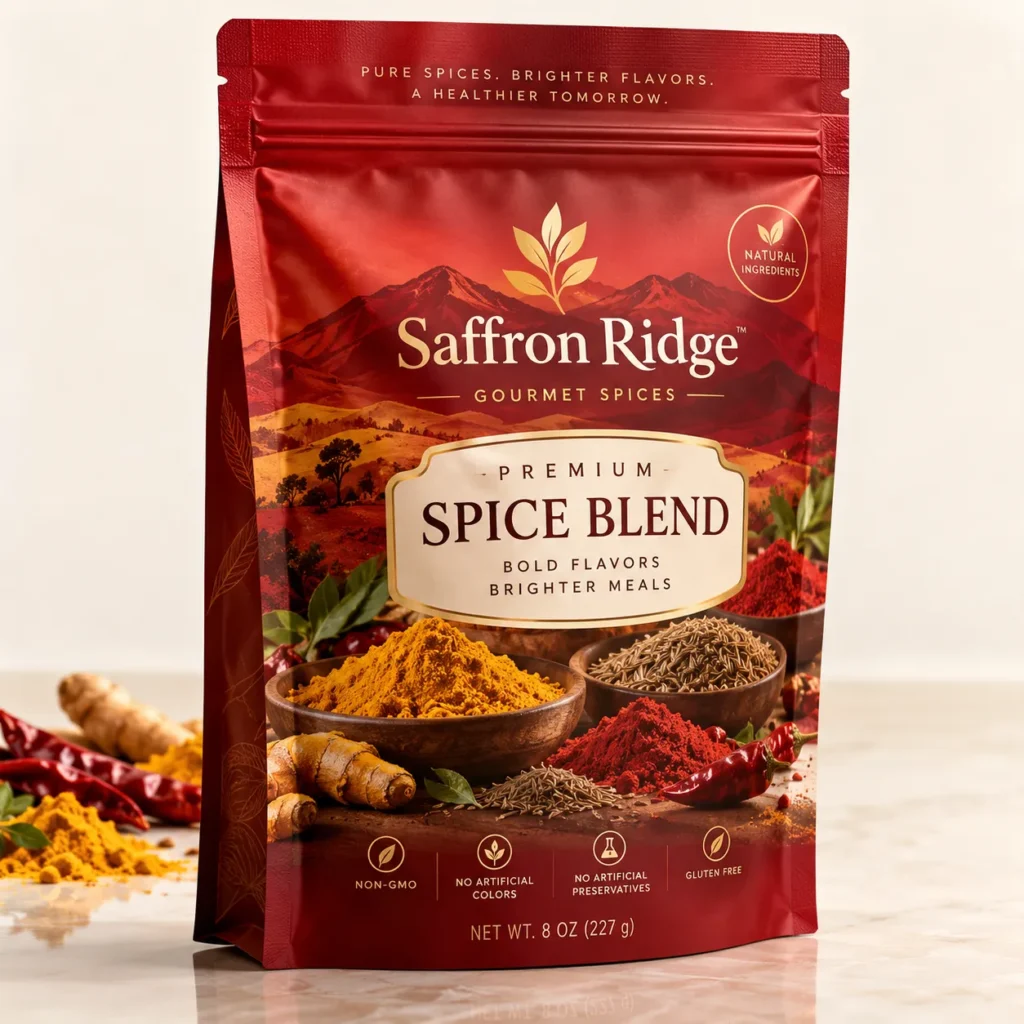
Paprika fades to brick, cumin goes flat, and garlic powder sets like cement. Most spice complaints are really packaging failures. Spice mylar bags stop light, humidity, and air from stealing the color, flow, and aroma your customers paid for, from the first pinch to the last.
The Packaging Masters builds seasoning pouches with powder-tolerant zippers and barrier film sized for refills, retail, and bulk. They pair well with dried leafy herb packaging and with long-term pantry storage pouches for bulk buyers.
What Makes Us Different?
From approval to doorstep — handled end to end.
Every order runs through four specialist teams — structural design, print, finishing, and dispatch — so your packaging keeps moving without bottlenecks, delays, or guesswork.
Sizes, materials, finishes, and artwork are locked in. You review the proof carefully and approve when every detail matches your brief.
Your job moves to print, cutting, lamination, and finishing. Our production team monitors color, registration, and structural accuracy.
Finished boxes are checked against the approved sample, counted, and securely packed to protect edges and print during transit.
Dispatch shares tracking details so your team can plan filling and launch dates. Your packaging arrives press-ready and production-ready.
Spices get their punch from volatile oils. Those oils oxidize when air gets in and evaporate faster in warm kitchens. Ground spices suffer most because grinding exposes far more surface area. A blend that smelled incredible at the market can taste dusty a few months later in a weak pouch.
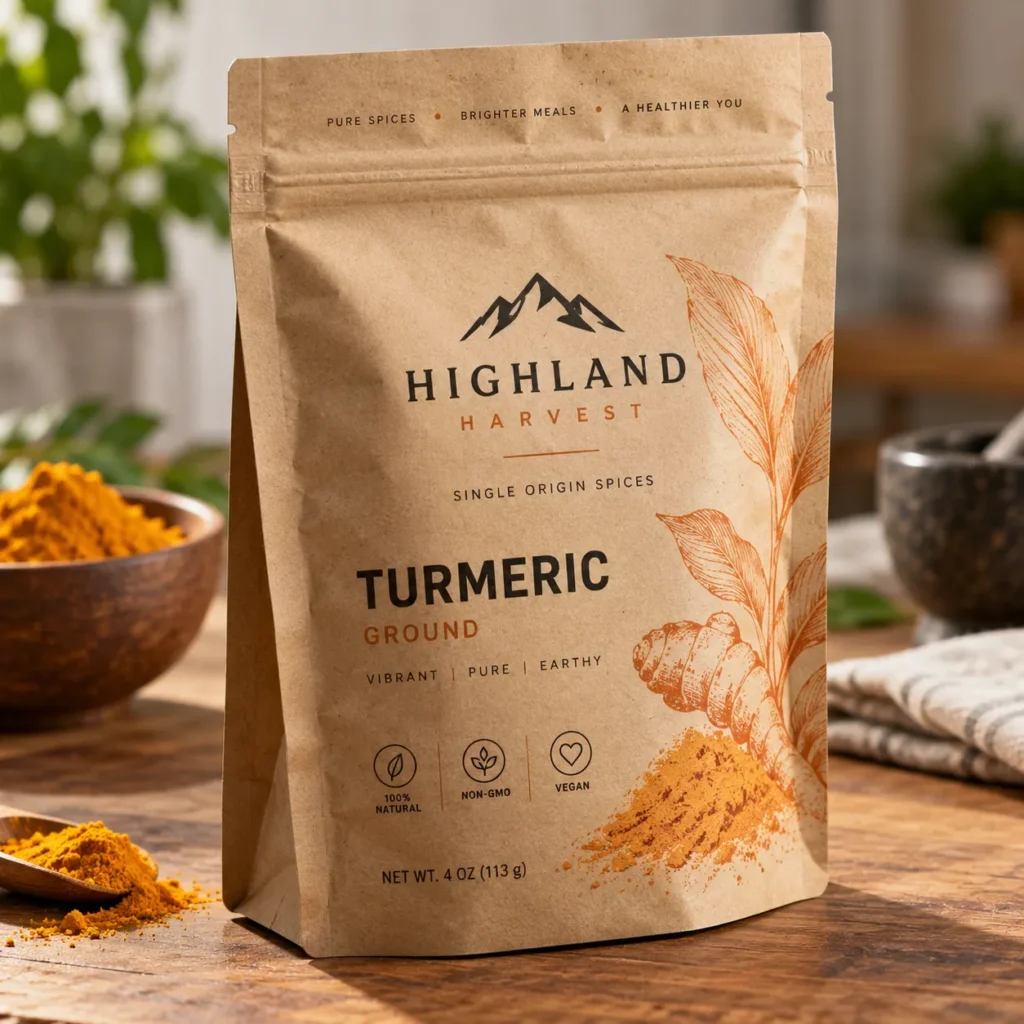
Humidity is the second enemy. Salt, sugar, garlic, and onion powders pull moisture from the air and clump into hard lumps. Light breaks down natural pigments, so red chili, turmeric, and paprika fade quickly behind thin plastic or clear film. Strong spices also leak scent, which is why curry and garlic brands borrow structures from our smell proof mylar bags.
Well-made spice mylar bags combine an opaque metallized or foil barrier, a full heat seal, and a zipper that tolerates powder. Brands wanting a rustic farmers market look can add a paper exterior, as shown in our kraft mylar bags, without losing any of that protection.
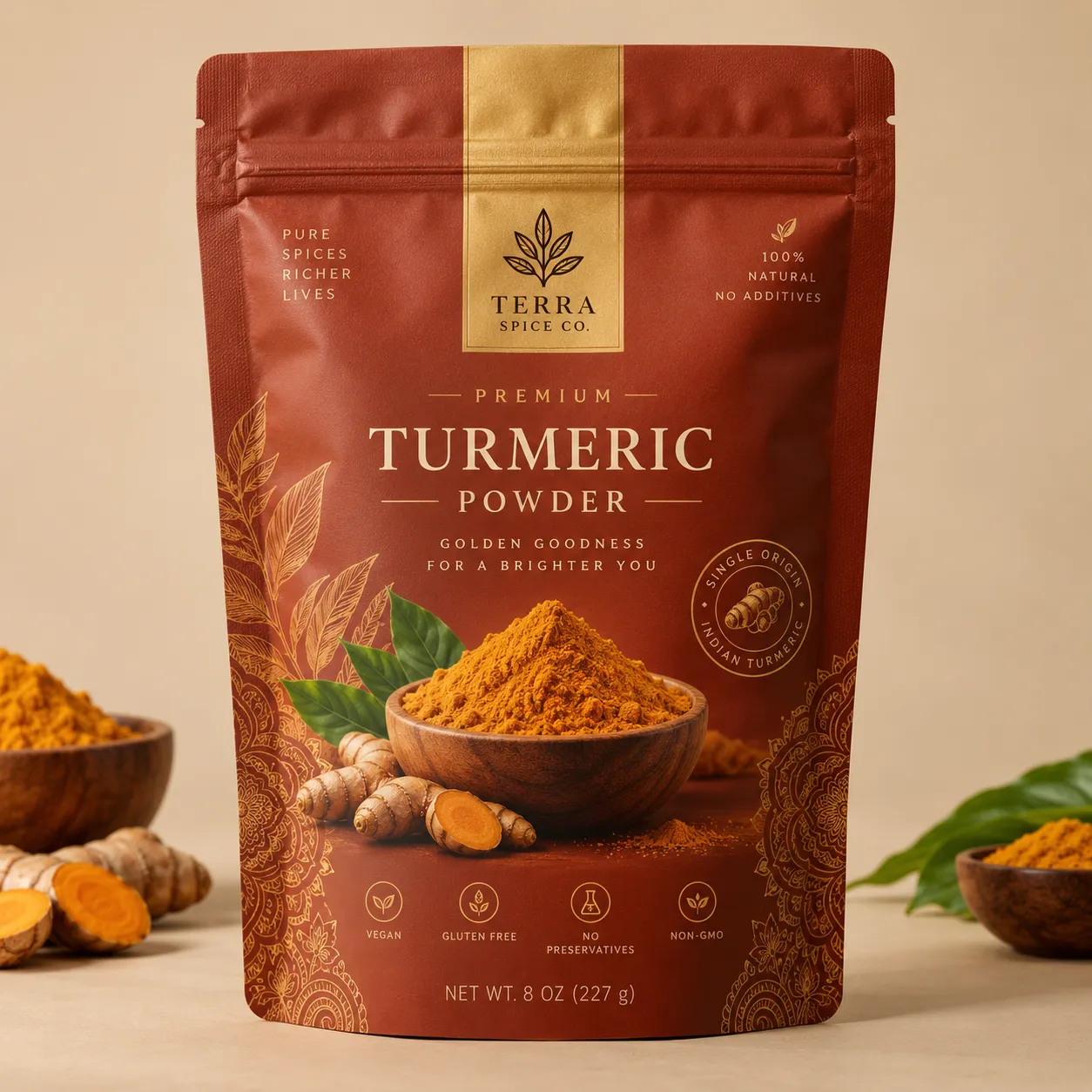
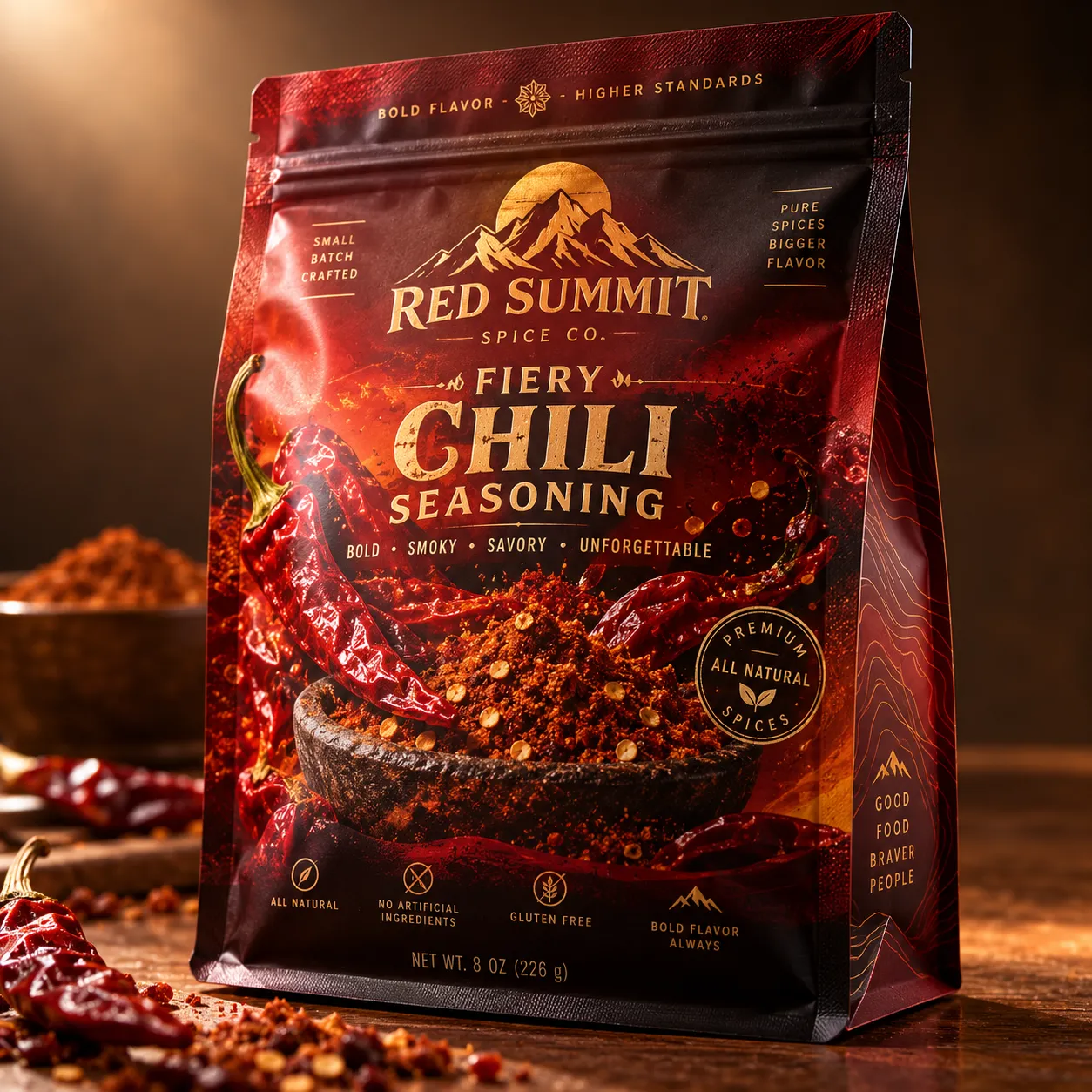
Refill pouches are a growing opportunity that most packaging suppliers ignore. Customers who already own your glass jar or shaker want a cheaper, lower-waste way to top it up. A slim refill pouch with a tear notch and a corner pour line lets them refill without a funnel or a mess on the counter.
Zippers need special attention with fine powders. Single-track closures clog quickly with chili flakes or garlic dust, then fail to lock. Double-track zippers keep sealing even when one channel collects particles, a topic covered in our resealable mylar bags. Placing the zipper a little lower, with headspace above the product, keeps powder out of the tracks during filling.
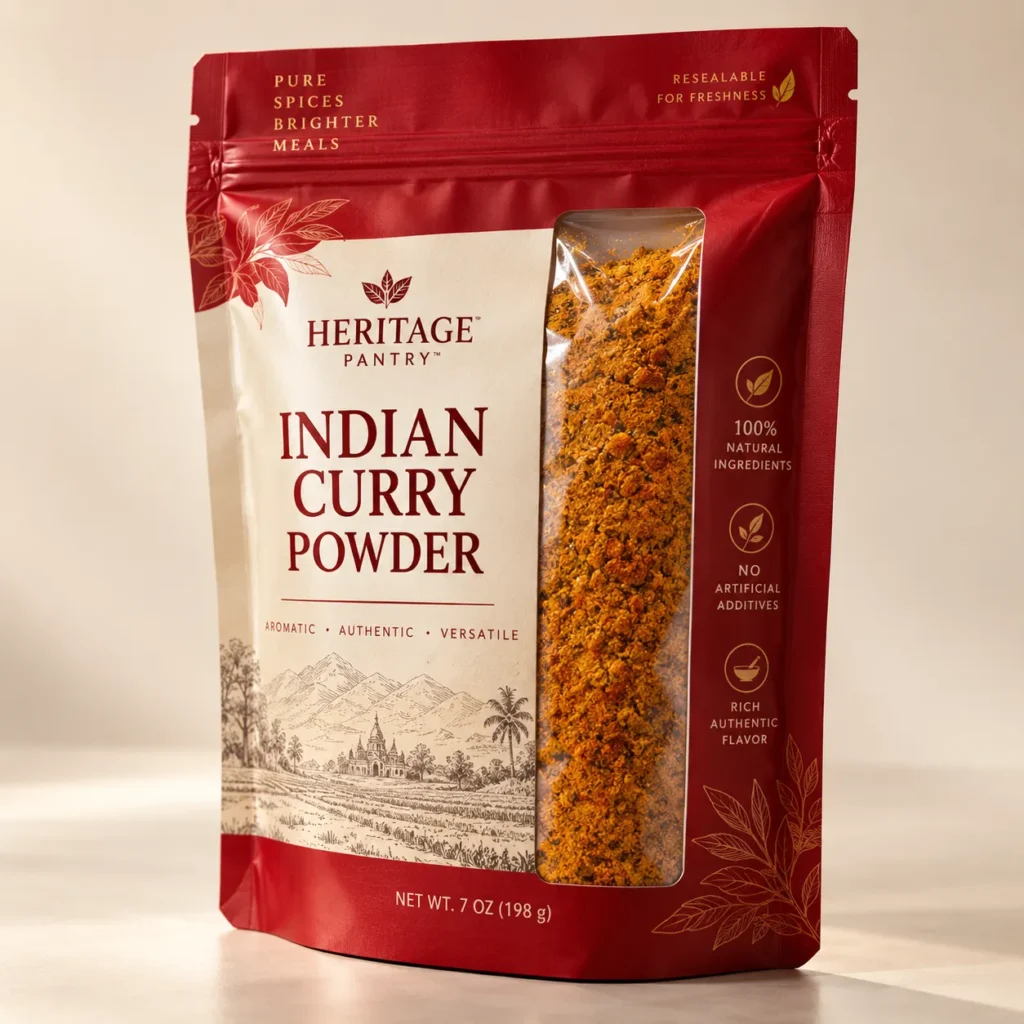
For restaurant and wholesale customers, larger pouches with wide openings make scooping easy. Some brands add a small hang hole for peg displays or a clear back panel for whole spices like star anise and cinnamon sticks. The right combination depends on whether your product is whole, cracked, or finely ground.
Barbecue brands pack dry rubs in sturdy pouches that survive greasy hands at the grill. Specialty blend makers sell everything from taco seasoning to za’atar and garam masala. Finishing salt producers need moisture protection above all. Chai and mulling spice brands package whole and cracked spices for drinks.
Many brands also use sample sizes to launch new flavors without big inventory risk, often starting with our small mylar bags for trade shows and gift sets. Bundling three or four mini pouches in a box makes a strong holiday gift and introduces customers to your full range.
Tell us your spice, grind size, fill weight, and quantity. We will recommend a structure, zipper, and size, then send a digital proof within 24 hours. Request your quote today and pack your blends in spice mylar bags that keep every shake as bold as the first.
Start Your Quote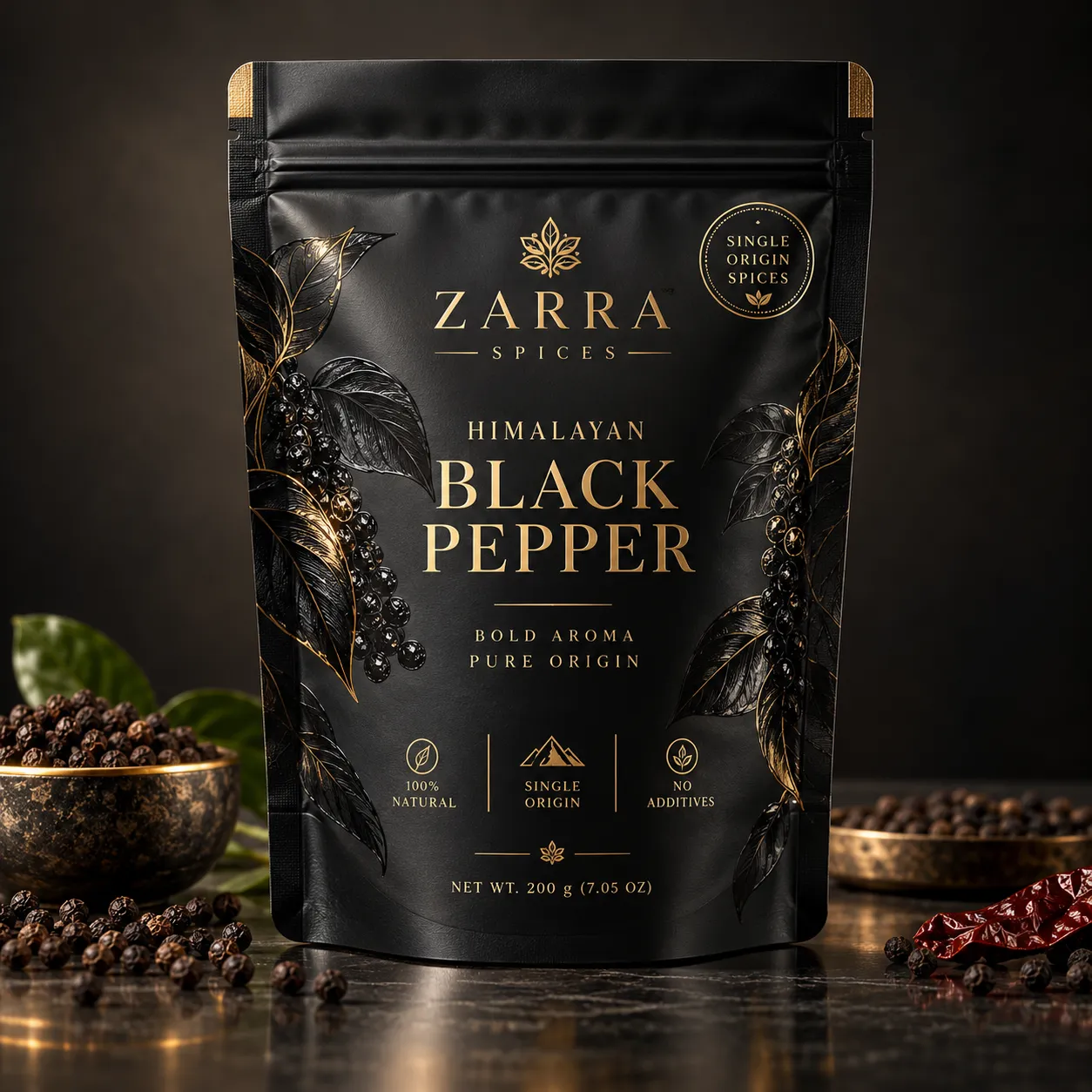
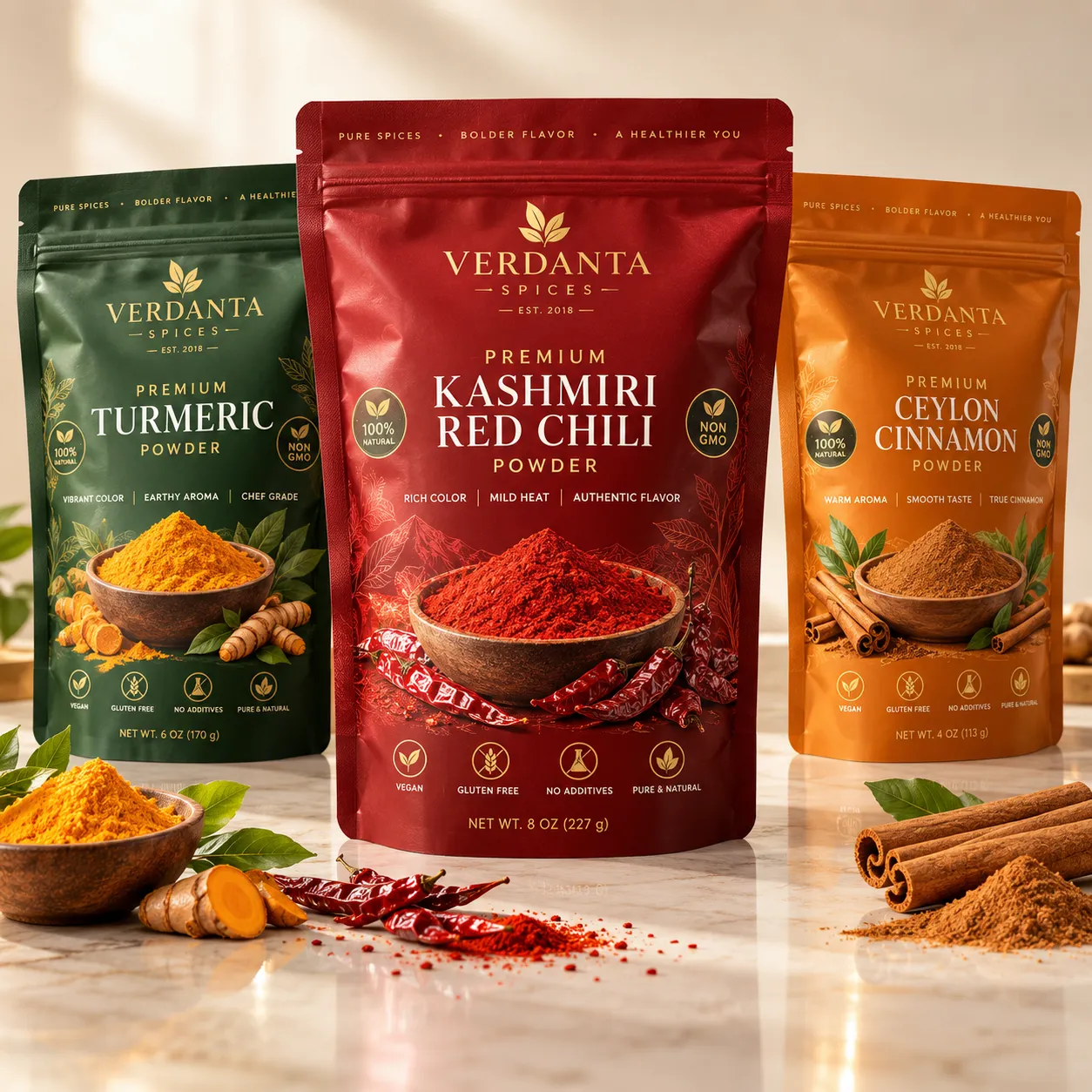
Spice packaging carries a lot of information. Shoppers look for the ingredient list, allergens, net weight, and often a heat level or flavor guide. Many also care about origin, whether your cardamom comes from Guatemala or your peppercorns from India. A clean back panel with clear hierarchy makes all of this easy to read on a small pouch.
Color coding helps customers recognize flavors across a range, with a shared layout and a different color band for each blend. A small window can show off whole spices, though our window mylar bags explain why windows should stay small for light-sensitive ground spices.
Every order of spice mylar bags includes free design support, custom sizes, and quality checks on barrier film, seal strength, zipper function, and print accuracy. Request a free sample from The Packaging Masters, fill it with your boldest blend, and compare aroma and flow after a few weeks.
Spice mylar bags use multi-layer barrier film that blocks oxygen, moisture, and light far better than single-layer plastic. That protects volatile oils, color, and flow. Plastic bags let aroma escape and humidity in, so ground spices fade and clump much faster on store shelves.
Use an opaque, high-barrier pouch, seal it fully, and fill in a dry room. Blends with salt, sugar, or garlic powder clump fastest. A small food-safe desiccant packet adds extra protection for long shelf times, and customers should always reseal the pouch after use.
Yes. Restaurants, caterers, and home cooks often buy pound-size bags. Our 1 lb mylar bags explain sizing for bulk portions, and we recommend wide openings and strong zippers so customers can scoop easily without spilling fine powders across the kitchen counter or prep table.
Yes. Plant-based and recyclable structures are available, though barrier levels vary. Our biodegradable mylar bags explain these options. Refill pouches also cut waste by letting customers reuse jars, which is a strong and believable sustainability story for many spice brands.
Upright pouches with a bottom gusset face shoppers directly and stay stable on shelves. Our stand up mylar bags explain gusset options. Flat pouches with hang holes work well on peg displays near grills, meat counters, butcher shops, and checkout lanes.
Custom seasoning pouches start around $0.11 per unit at volume. Pricing depends on size, film structure, zipper type, printing, and quantity. Digital printing suits brands with many blends in one order. We send detailed wholesale quotes within 24 hours, with lower pricing at larger quantities.
Most spice labels show the product name, ingredient list, net weight, allergen information, and your business name and address. Many brands also add origin, heat level, and recipe ideas. Check current food labeling rules for your market, since requirements can vary by product and location.
Digitally printed seasoning pouches usually ship in about 10 to 15 business days after proof approval. Plate-printed orders and specialty finishes may take longer. Rush options are available, and we confirm your full timeline in the quote, including shipping to your kitchen or warehouse.
Instead of generic stock boxes, every project starts with your product, your goals, and your customer experience — so the packaging protects in transit and still feels premium in hand.
Built to your product, not pulled from a shelf of ready-made sizes.
Strong structures, neat edges, and finishes that actually sell.
Businesses and individuals can order — start with a small run and scale when you’re ready.
4–5 business days production after proof approval — you always know what’s next.
Copyright © 2026 thepackagingmasters.com All rights reserved.