
01
Finalize your design
Sizes, materials, finishes, and artwork are locked in. You review the proof carefully and approve when every detail matches your brief.
Here is what most sellers will not tell you: biodegradable mylar bags are not really Mylar. Traditional Mylar is PET film, which does not break down. Eco versions use plant-based compostable films that look and feel similar but behave very differently.
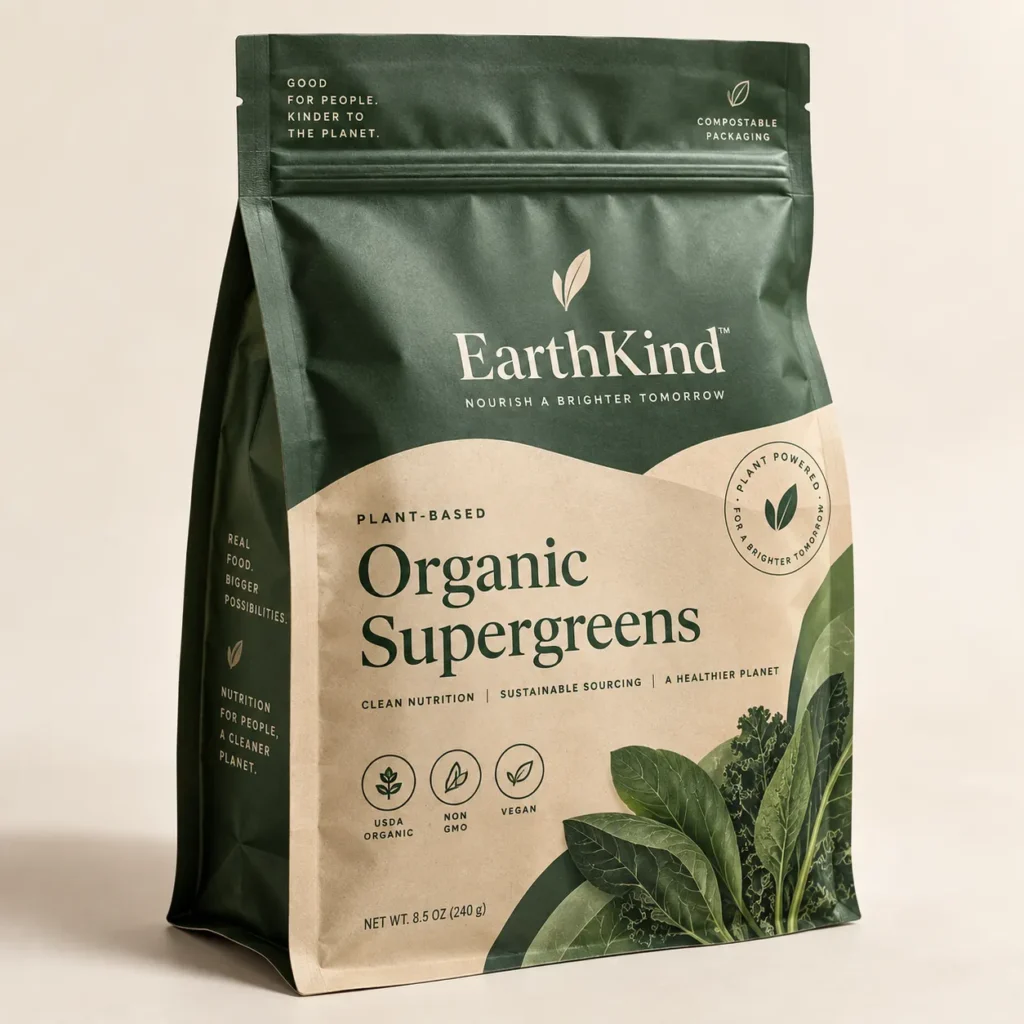
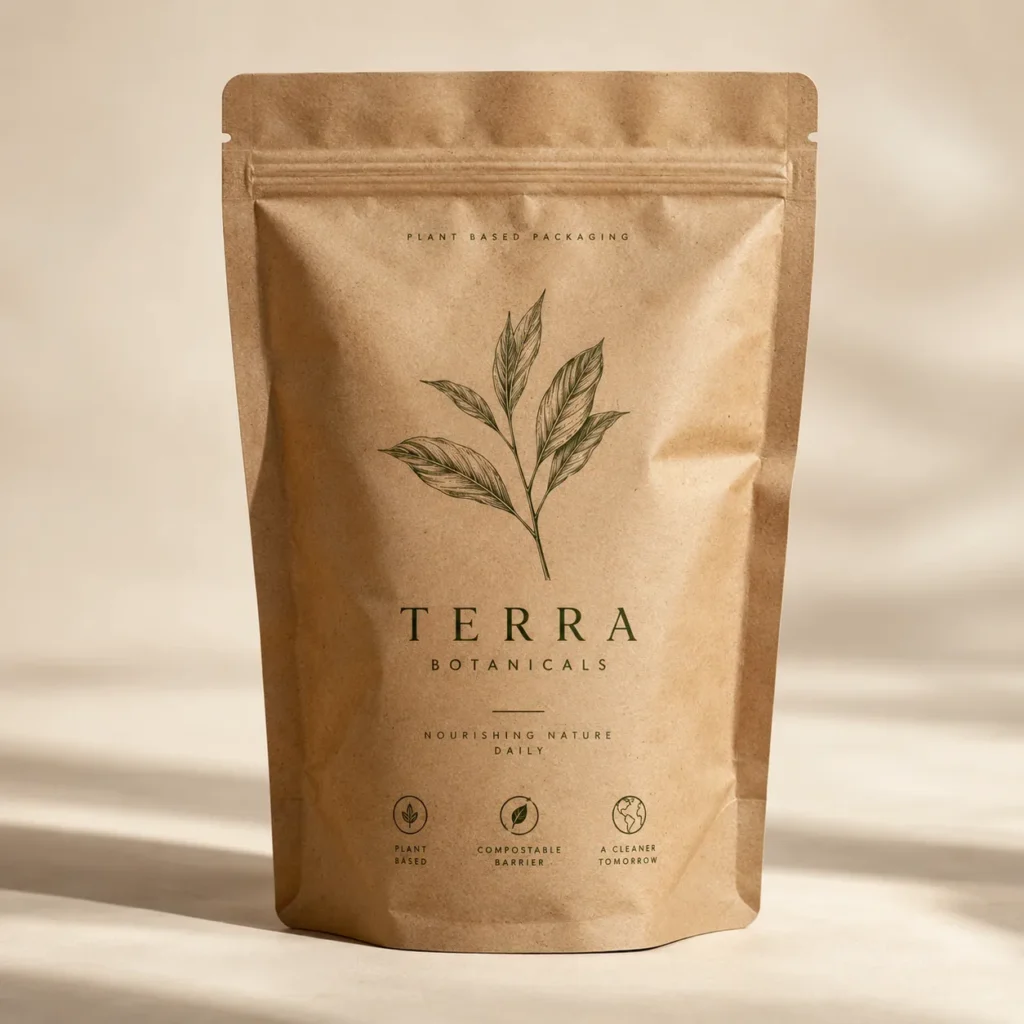
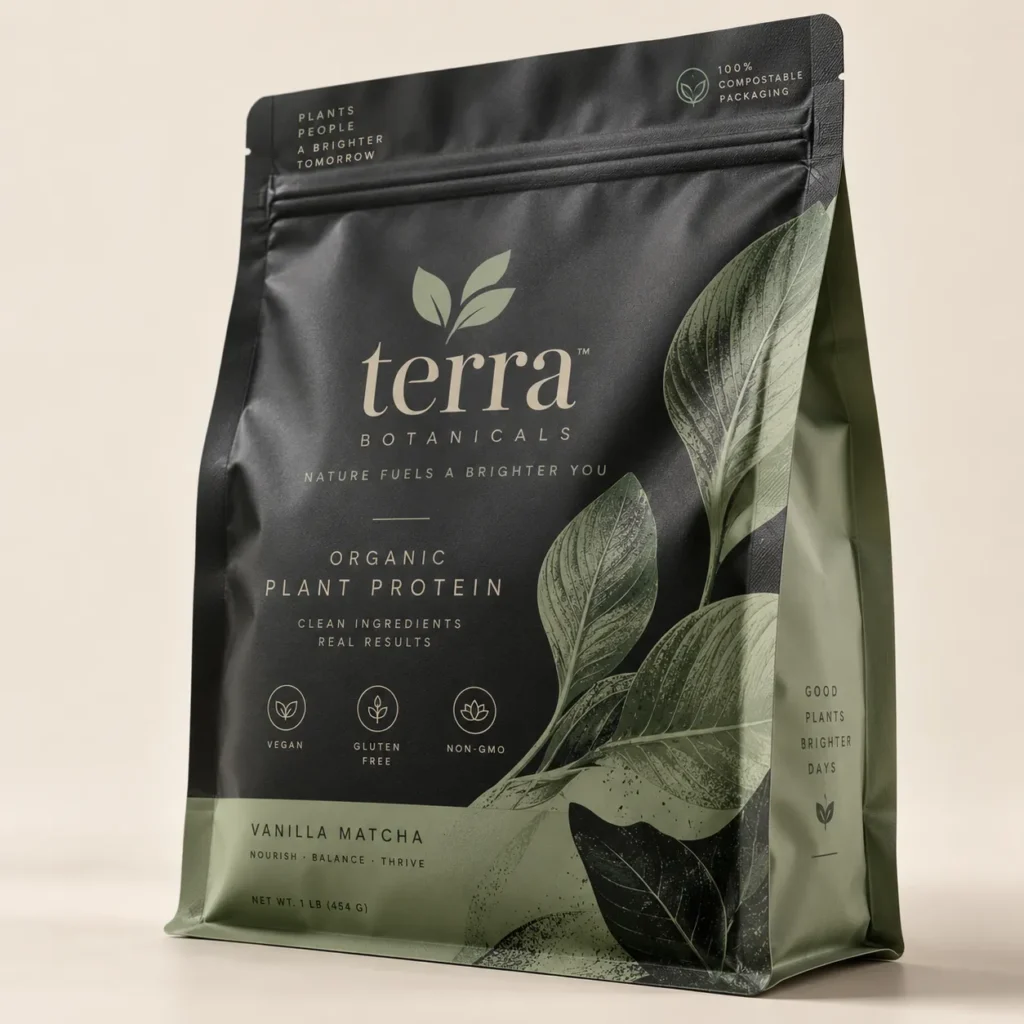
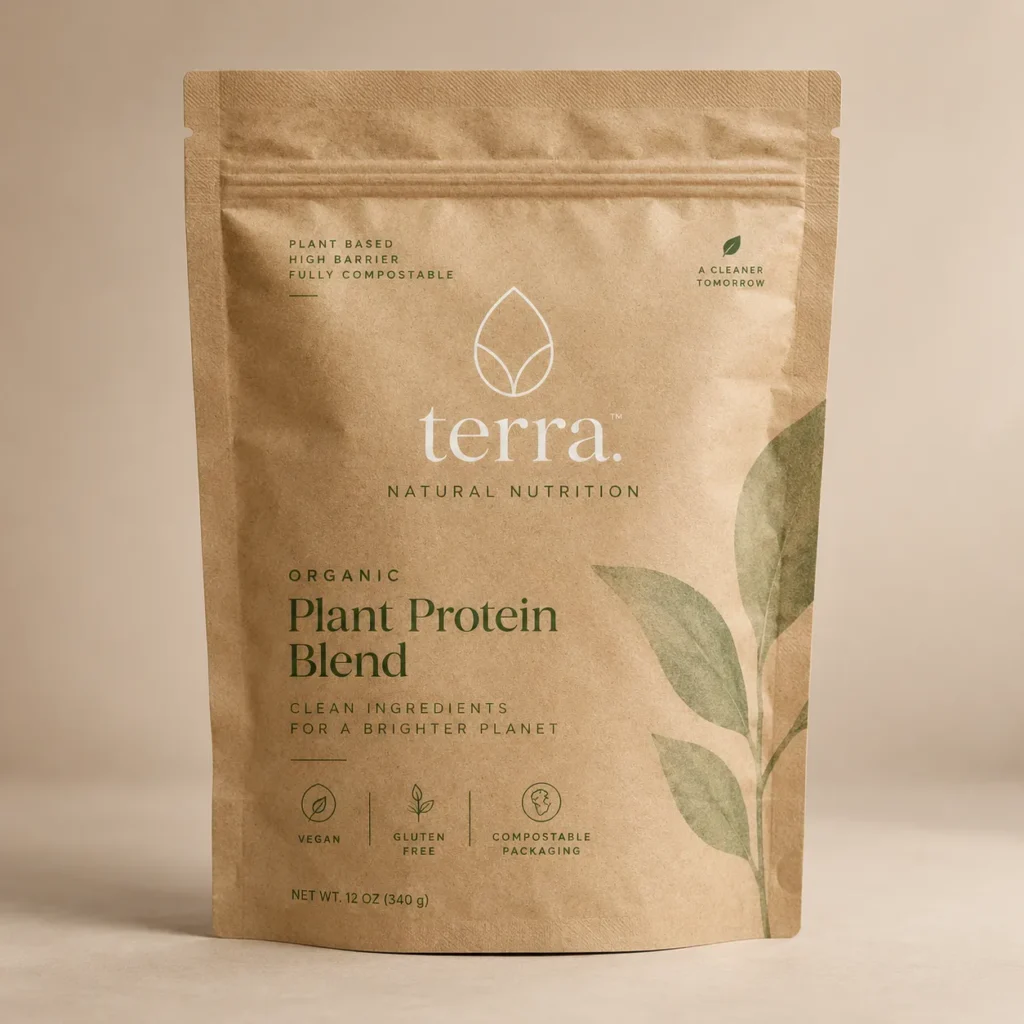
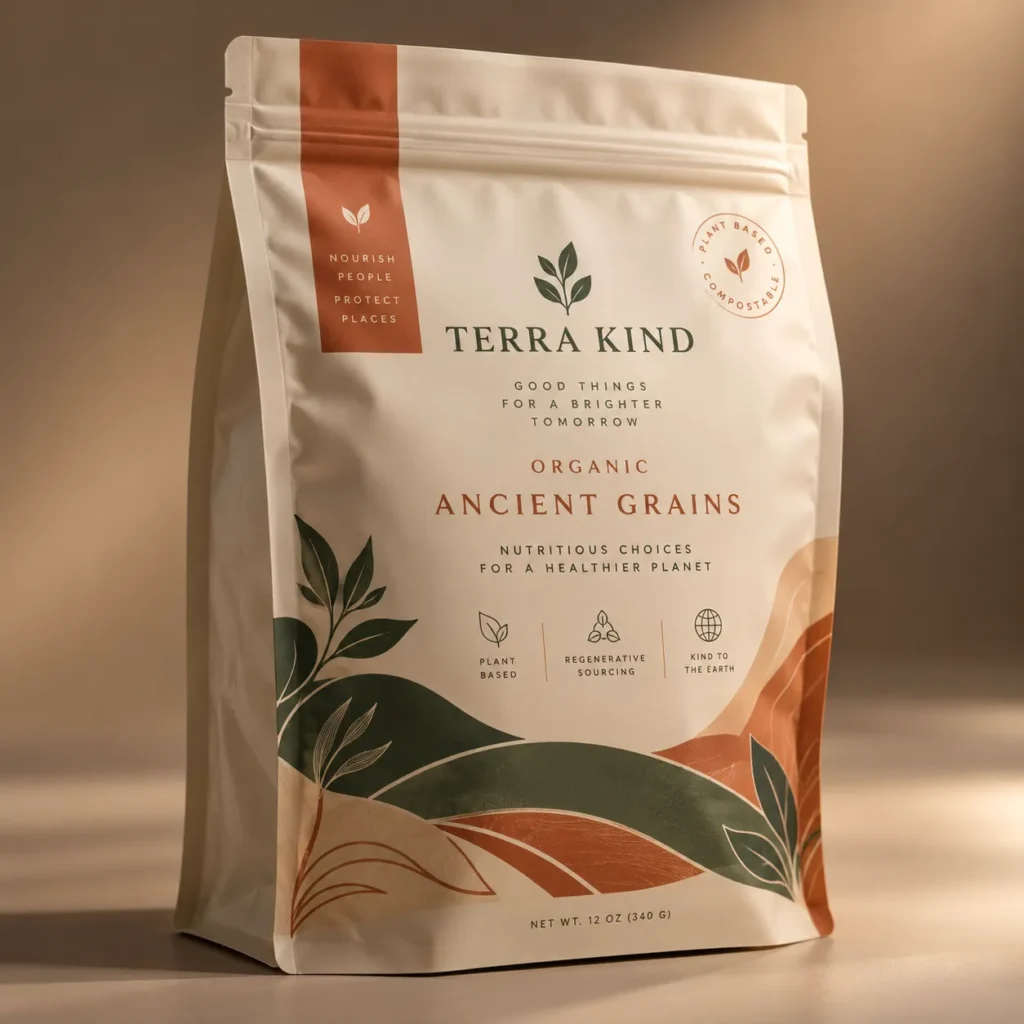
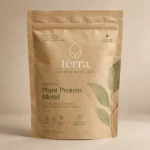
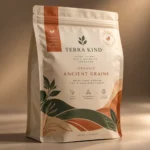
The Packaging Masters helps you choose a compostable pouch that matches your product’s shelf life and supports claims you can defend. Pair a natural kraft paper exterior with compostable liners, or compare them with long-term pantry storage pouches.
What Makes Us Different?
From approval to doorstep — handled end to end.
Every order runs through four specialist teams — structural design, print, finishing, and dispatch — so your packaging keeps moving without bottlenecks, delays, or guesswork.
Sizes, materials, finishes, and artwork are locked in. You review the proof carefully and approve when every detail matches your brief.
Your job moves to print, cutting, lamination, and finishing. Our production team monitors color, registration, and structural accuracy.
Finished boxes are checked against the approved sample, counted, and securely packed to protect edges and print during transit.
Dispatch shares tracking details so your team can plan filling and launch dates. Your packaging arrives press-ready and production-ready.
Eco-friendly packaging is one of the fastest-growing requests in flexible packaging, and also one of the most misunderstood. Many pouches sold as biodegradable carry no certification, use conventional plastic zippers, or only break down under industrial composting conditions that most customers cannot access.
That creates real risk. The FTC Green Guides warn against unqualified biodegradable claims, and some states, including California, restrict the use of terms like biodegradable on plastic products. A label that overpromises can damage customer trust and expose your brand to complaints.
Responsible biodegradable mylar bags start with clear facts: what the film is made of, which standard it is certified to, and where it actually composts. We help you describe your packaging accurately, often using certified compostable language rather than vague biodegradable claims. If product visibility matters, plant-based clear films are available too, though they differ from the conventional options in our clear mylar bags.
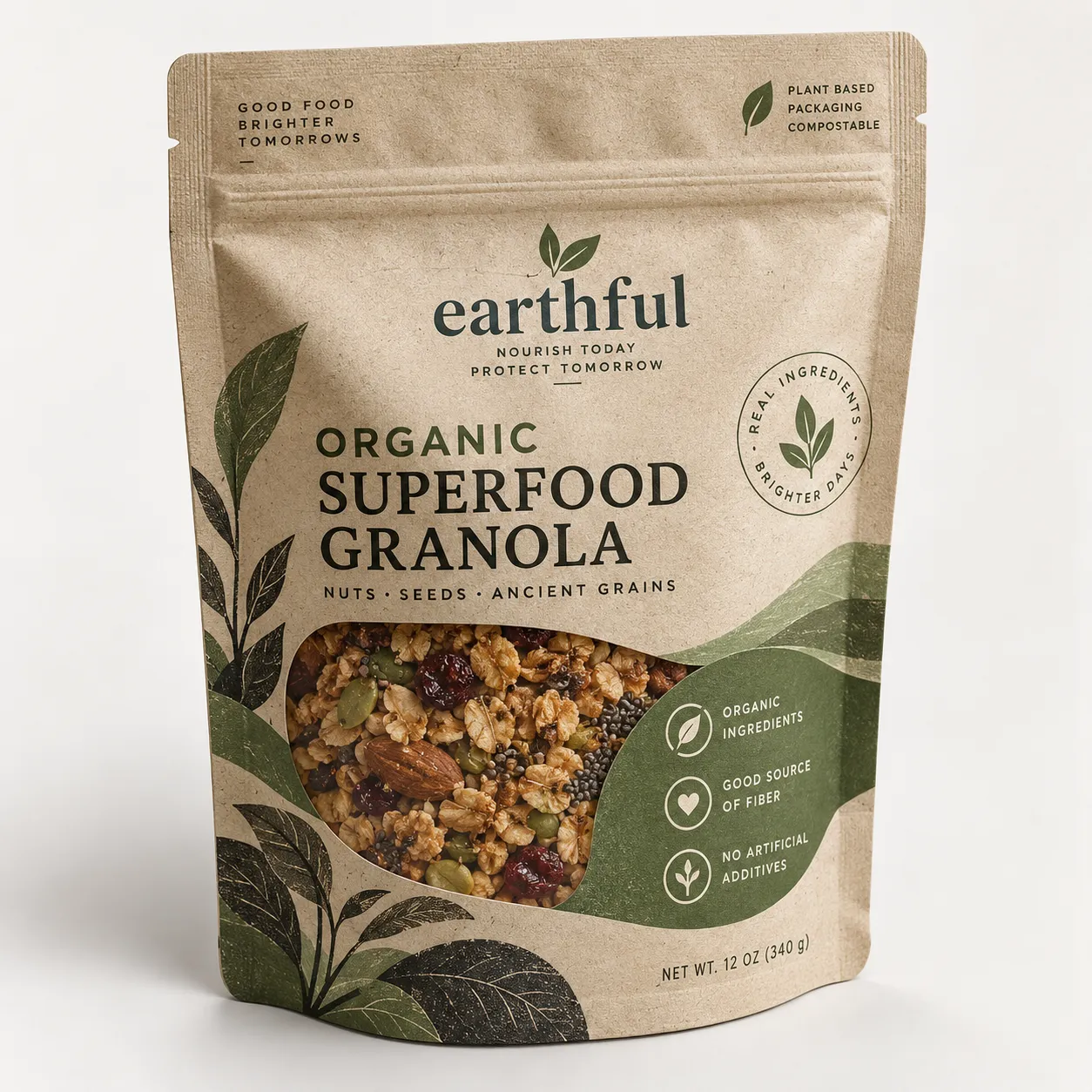
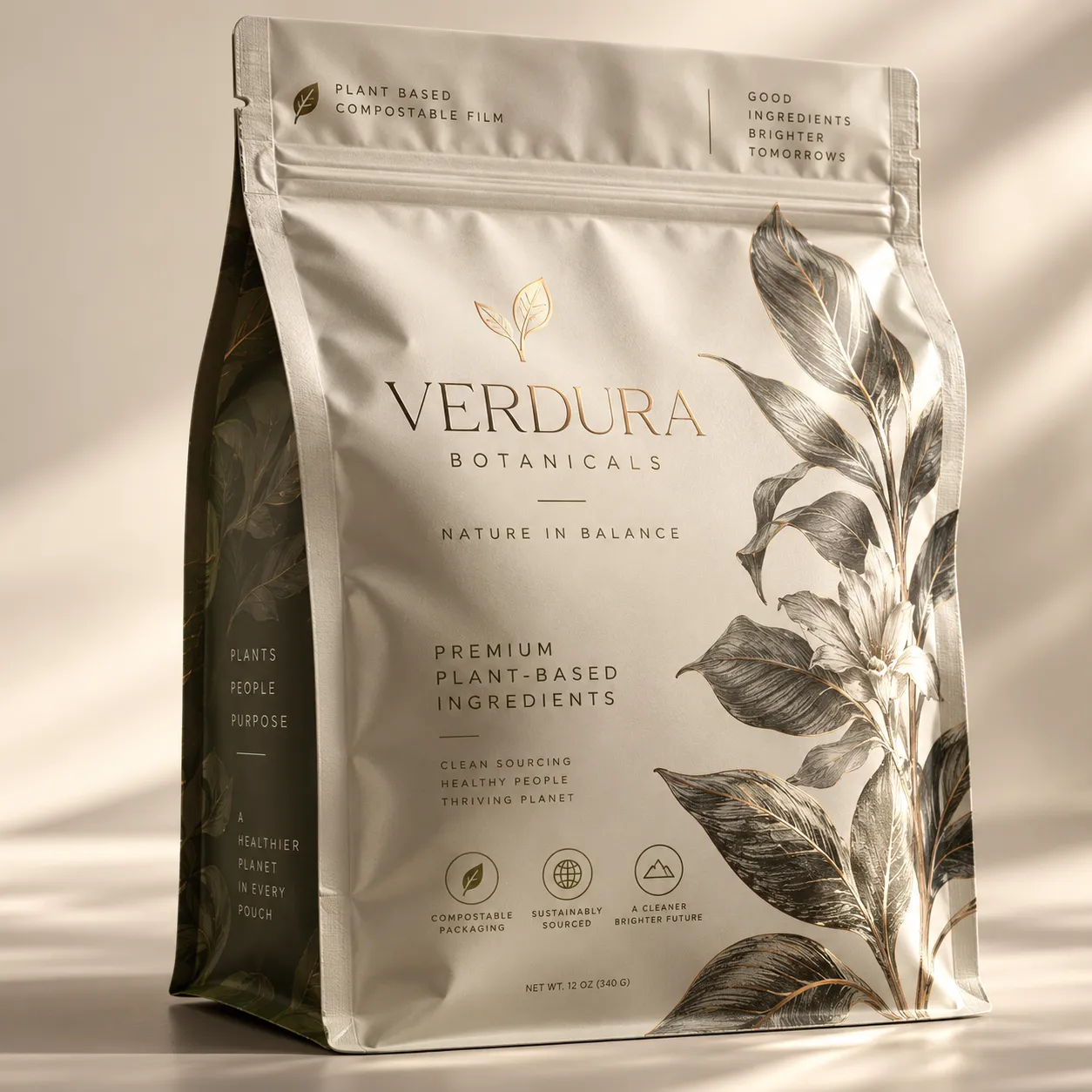
Most compostable pouches combine a few plant-based materials. Kraft paper provides a natural outer look. PLA, made from plant starches, offers clarity and printability. PBAT adds flexibility and toughness. Cellulose-based films provide a strong oxygen barrier. These layers are laminated with compostable adhesives to create a pouch that feels similar to conventional barrier bags.
Certification is the key to credible claims. In the United States, ASTM D6400 and ASTM D6868 are the main standards for industrial compostability, and BPI certification is widely recognized. Home compostable films carry separate certifications and break down at lower temperatures.
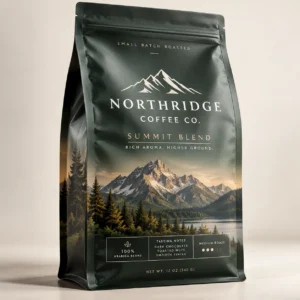
Industrial compostable bags need commercial facilities, which are not available everywhere. Always check whether your customers have access before making disposal claims. Coffee brands are among the most active adopters, and our coffee mylar bags explain how compostable films can pair with degassing valves. The Packaging Masters can share supplier documentation for your compliance file.
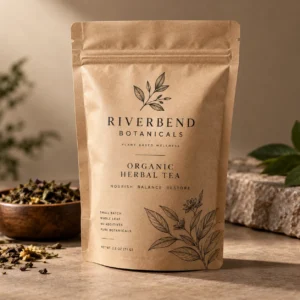
Compostable films typically offer less barrier protection than foil laminates. That does not make them unsuitable, but it means you should match the bag to how long your product sits on the shelf. Dry goods, tea, herbs, and coffee sold within a few months are often excellent candidates.
Herbal and botanical brands frequently lead the switch, and our herb mylar bags show how aroma-sensitive products can be protected with the right structure. For products that need long-term storage or extreme moisture protection, a conventional foil barrier may still be the better choice. We will tell you plainly when that is the case.
Finishes can reinforce your sustainability story. Matte surfaces look natural and modern, as shown in our matte mylar bags. Share your product, expected shelf life, and quantity today, and we will recommend a compostable structure with a digital proof in 24 hours.
Start Your Quote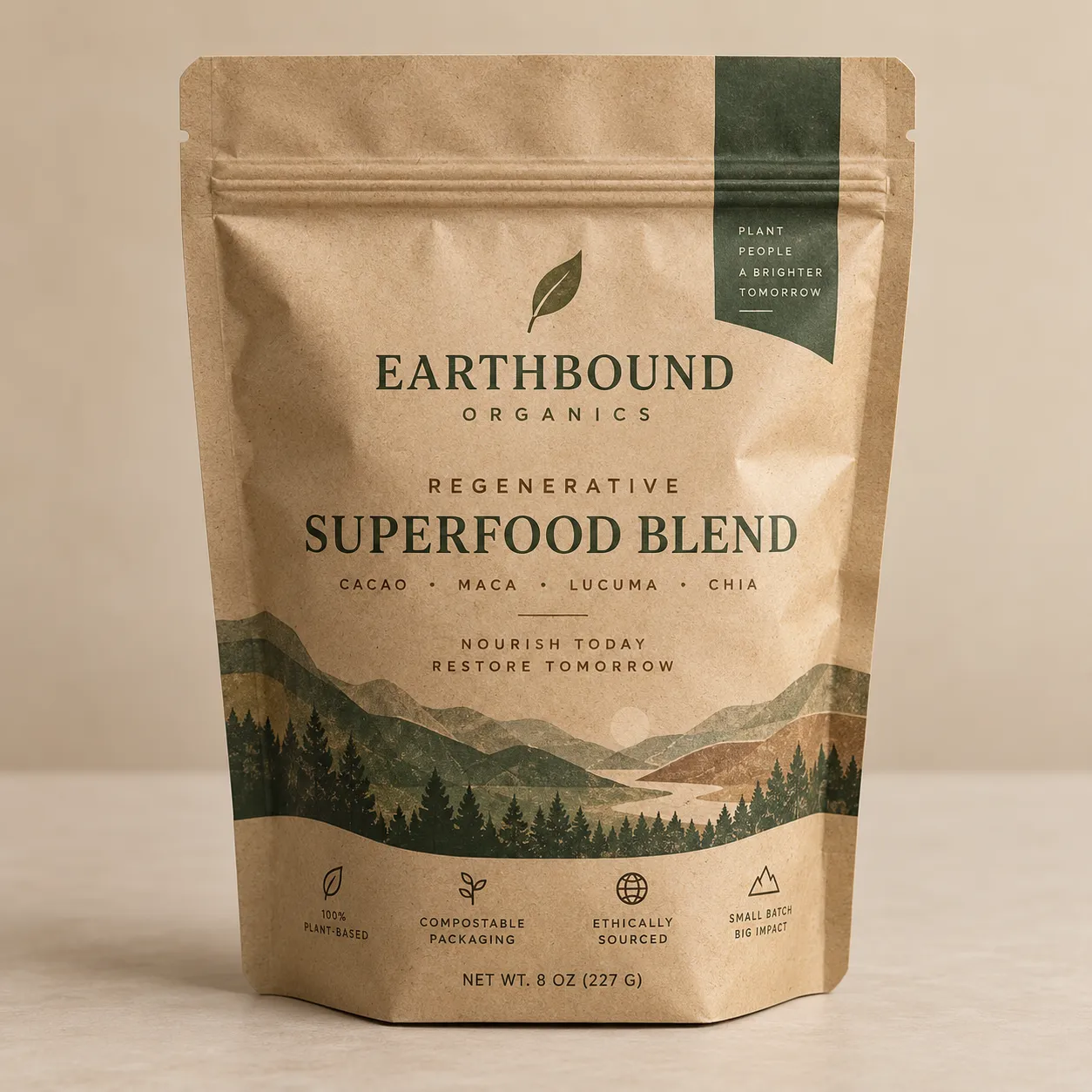
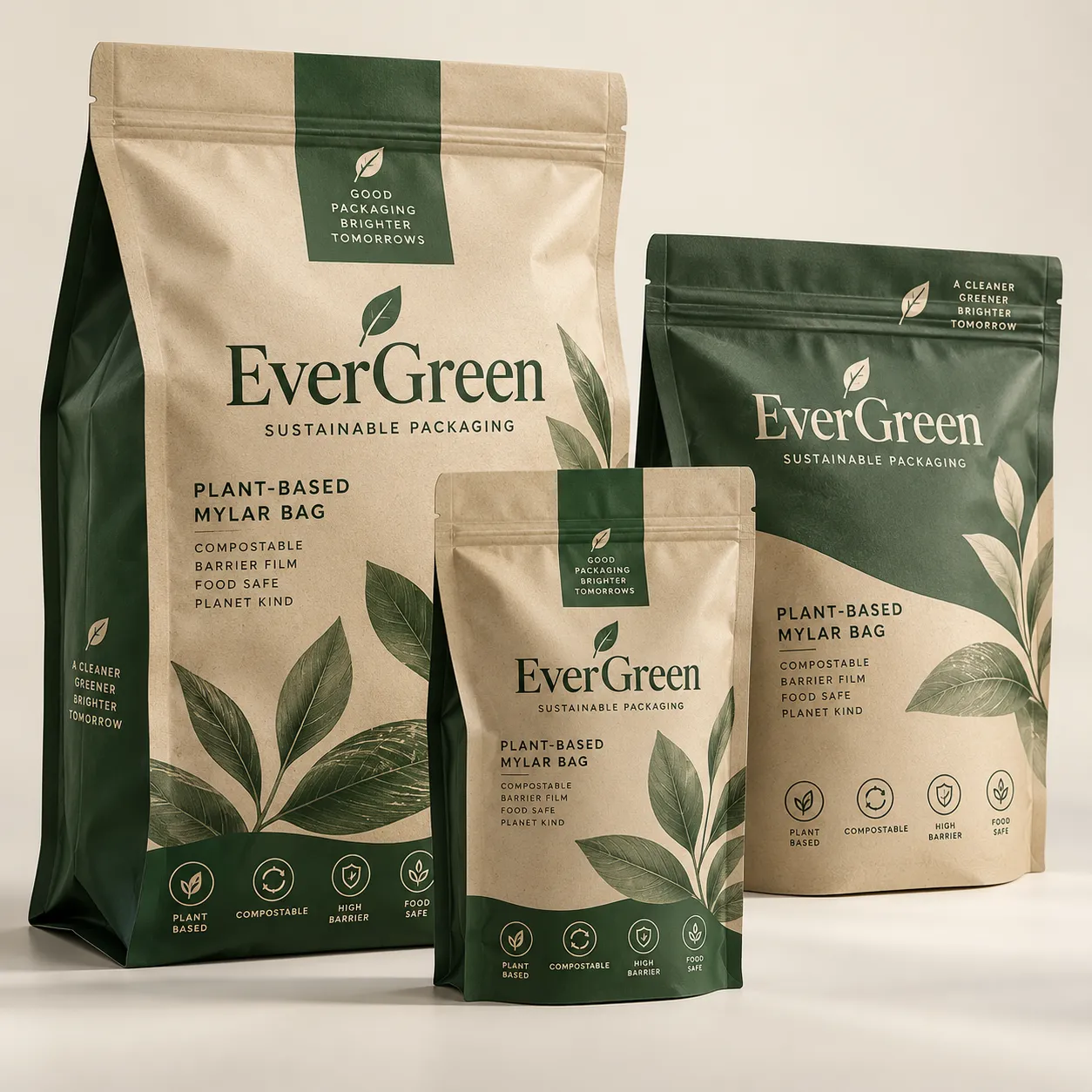
Sustainable packaging works only when every part is considered. A compostable film with a conventional plastic zipper cannot be fully composted, so we offer compostable zipper options where available. Water-based or plant-based inks reduce environmental impact further.
Stand-up structures are the most popular eco format because they display well and hold generous fills, as shown in our stand up mylar bags. Flat pouches suit samples and single servings, and windows can be made from compostable clear film. Printing simple disposal instructions on the back panel helps customers compost the bag correctly and responsibly.
Every order of biodegradable mylar bags includes free design support, custom sizes, and quality checks on seal strength and print. Request a free sample from The Packaging Masters, run a shelf-life test with your product, and confirm performance before full production. Honest testing today protects your brand promise tomorrow.
Not technically. Traditional Mylar is PET film, which does not biodegrade. Biodegradable mylar bags use plant-based films such as PLA, PBAT, cellulose, and kraft paper that look similar but are designed to break down under composting conditions. Describing them accurately protects your brand from greenwashing complaints.
Compostable pouches start around $0.28 per unit at volume. They usually cost more than conventional barrier bags because plant-based films and certified components are more expensive. Pricing depends on size, structure, zipper, and quantity. We provide quotes within 24 hours.
Biodegradable is a broad term without a time limit. Compostable means the material breaks down in a composting environment within a set period and meets a standard such as ASTM D6400. Compostable claims are generally more specific and easier to support with documentation.
Only if the film is certified home compostable. Many compostable pouches are certified for industrial facilities, which reach higher temperatures. Check your film certification and tell customers clearly how to dispose of the bag in their area. Clear disposal instructions on the back panel help customers do the right thing.
Yes. Compostable zipper options are available for many pouch styles. Our resealable mylar bags explain zipper types, and we recommend compostable zippers so the entire bag can be composted together. Mixed materials are the most common reason eco pouches fail composting.
Yes, for spices sold and used within a reasonable time. Our spice mylar bags show sizes and closures, and we help you choose a structure that protects aroma during your expected shelf life. Cellulose-based barrier layers perform especially well for aromatic products.
Absolutely. We can create custom sizes, shapes, and structures using compostable materials. Our custom mylar bags page explains every option, and we will flag any features, such as metallic inks or plastic windows, that would affect compostability. That way your final pouch matches your claims.
Compostable pouches usually ship in about 15 to 20 business days after proof approval, since certified materials and components may need extra lead time. Rush options depend on material availability, and we confirm timelines in your quote, including shipping to your door.
Instead of generic stock boxes, every project starts with your product, your goals, and your customer experience — so the packaging protects in transit and still feels premium in hand.
Built to your product, not pulled from a shelf of ready-made sizes.
Strong structures, neat edges, and finishes that actually sell.
Businesses and individuals can order — start with a small run and scale when you’re ready.
4–5 business days production after proof approval — you always know what’s next.
Copyright © 2026 thepackagingmasters.com All rights reserved.