
01
Finalize your design
Sizes, materials, finishes, and artwork are locked in. You review the proof carefully and approve when every detail matches your brief.
Picture a 25-pound sack of rice, a gallon of freeze-dried meals, or a full kilo of loose-leaf tea. Large mylar bags are built for exactly these jobs, with heavier film, deeper gussets, and wider seals that small retail pouches simply cannot offer.
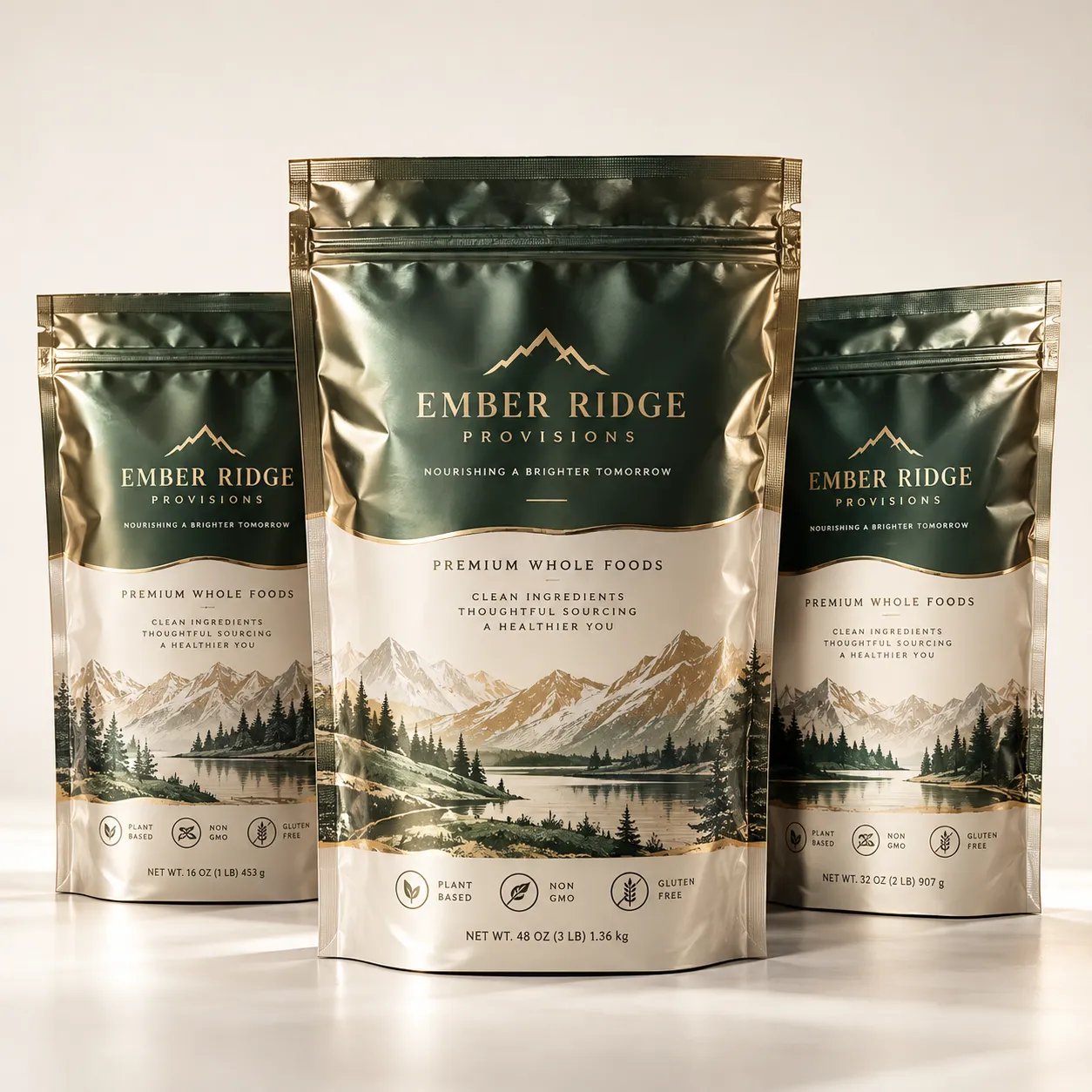
The Packaging Masters sizes every bulk pouch by volume and weight, then matches film thickness to your fill. They suit long-term emergency food storage and step up neatly from one-pound retail pouches when loyal customers want bigger, better-value sizes.
What Makes Us Different?
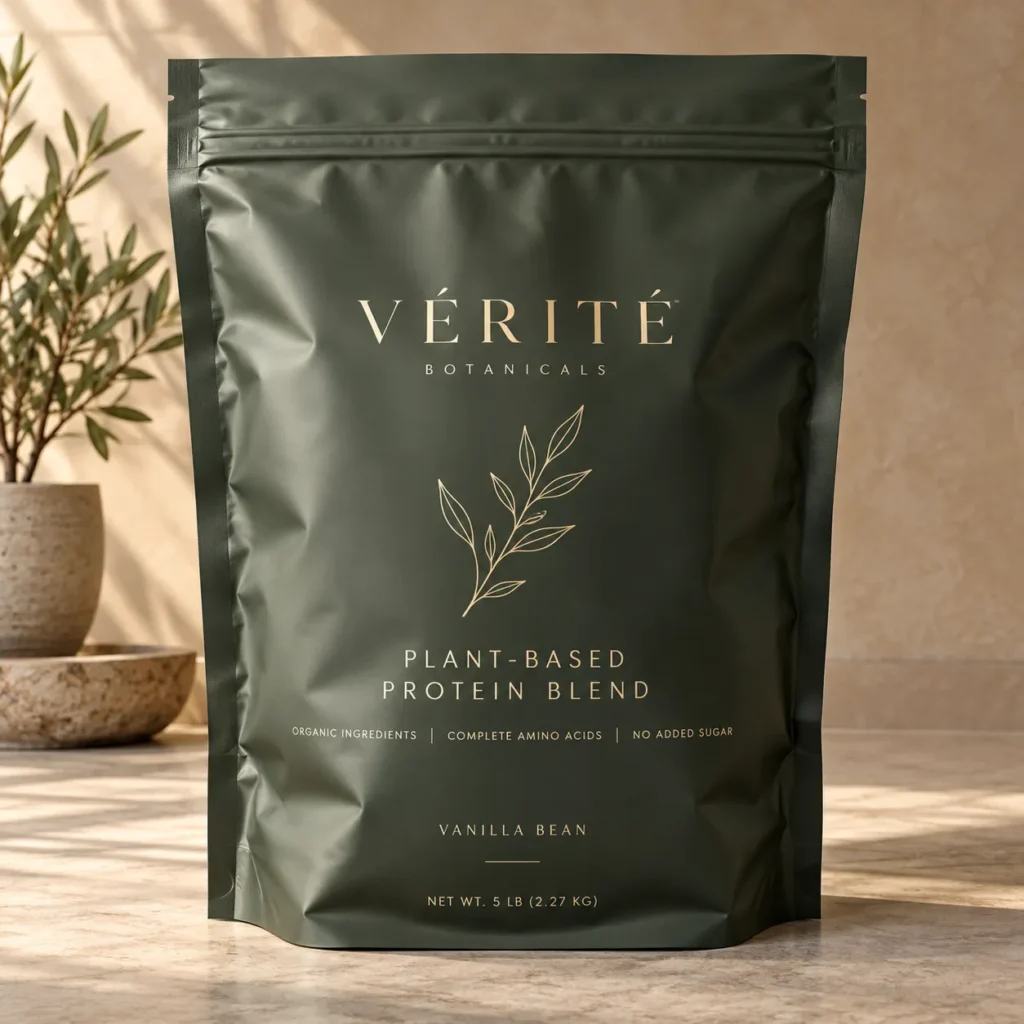
From approval to doorstep — handled end to end.
Every order runs through four specialist teams — structural design, print, finishing, and dispatch — so your packaging keeps moving without bottlenecks, delays, or guesswork.
Sizes, materials, finishes, and artwork are locked in. You review the proof carefully and approve when every detail matches your brief.
Your job moves to print, cutting, lamination, and finishing. Our production team monitors color, registration, and structural accuracy.
Finished boxes are checked against the approved sample, counted, and securely packed to protect edges and print during transit.
Dispatch shares tracking details so your team can plan filling and launch dates. Your packaging arrives press-ready and production-ready.
Scaling up a pouch is not as simple as making it bigger. A film that works for a two-ounce snack bag can stretch, tear, or split once it carries ten pounds. Sharp contents like pasta, dried beans, dehydrated vegetables, and pet kibble poke tiny pinholes into thin film. Those holes let oxygen in and quietly ruin long-term storage.
Seams are the next weak point. Heavy fills put constant stress on side and bottom seals, especially when bags are stacked in a pantry or tossed into a shipping carton. Narrow seals that hold up on small pouches can peel open under that weight. A deep bottom gusset spreads the load and adds capacity, as explained in our gusseted mylar bags.
Sizing mistakes waste money too. Oversized bags trap extra air, which uses up oxygen absorbers faster, while undersized bags leave no room for a clean seal. Properly designed large mylar bags use thicker laminates, reinforced seals, and dimensions confirmed with a real fill. Dense products that need air removed before closing can also use structures from our vacuum seal mylar bags.
Film thickness is measured in mils, and bulk packaging generally needs more of it. Around 4 to 5 mil suits most dry foods in gallon-size bags. Heavier 5 to 7 mil film adds puncture resistance for sharp, dense, or very heavy fills. A true aluminum foil layer gives the strongest oxygen and light barrier for storage measured in years rather than months.
| Format | Typical Use |
|---|---|
| Gallon bags, about 10 x 14 inches | Rice, beans, flour, and freeze-dried meals |
| Two-gallon bags | Family pantry portions and bulk snacks |
| Bucket liners, about 20 x 30 inches | Lining five-gallon food-grade pails |
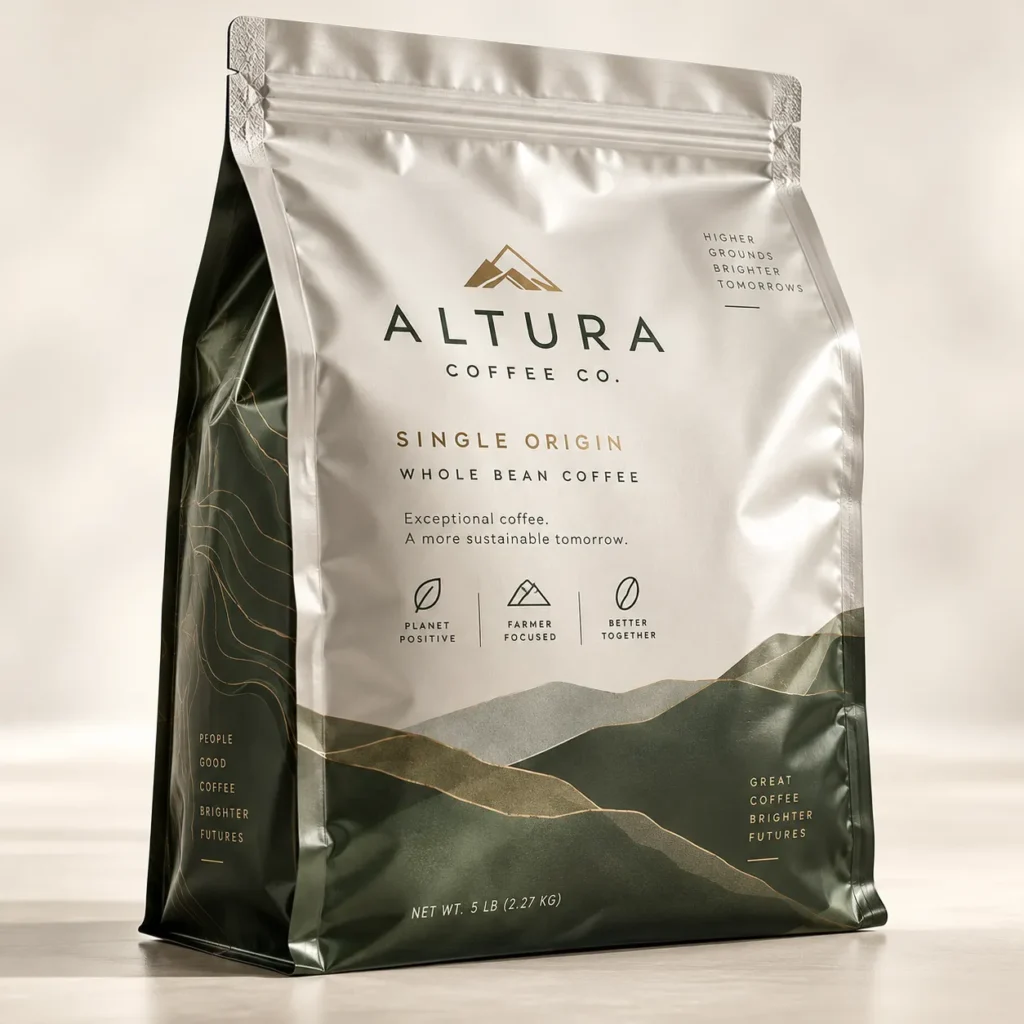
Bucket liners are a gap many suppliers ignore. Placing a sealed mylar liner inside a food-grade pail protects against light, oxygen, moisture, and pests at the same time. For retail shelves, a box-shaped base keeps heavy pouches upright, which is why wholesale brands often choose our flat bottom mylar bags. We confirm every size with a fill test using your actual product.
Emergency preparedness companies pack rice, oats, beans, and freeze-dried meals in gallon pouches with oxygen absorbers, then box them into multi-month kits. Grain mills and bakeries use bulk bags for flour, sugar, and specialty baking mixes sold to restaurants and home bakers.
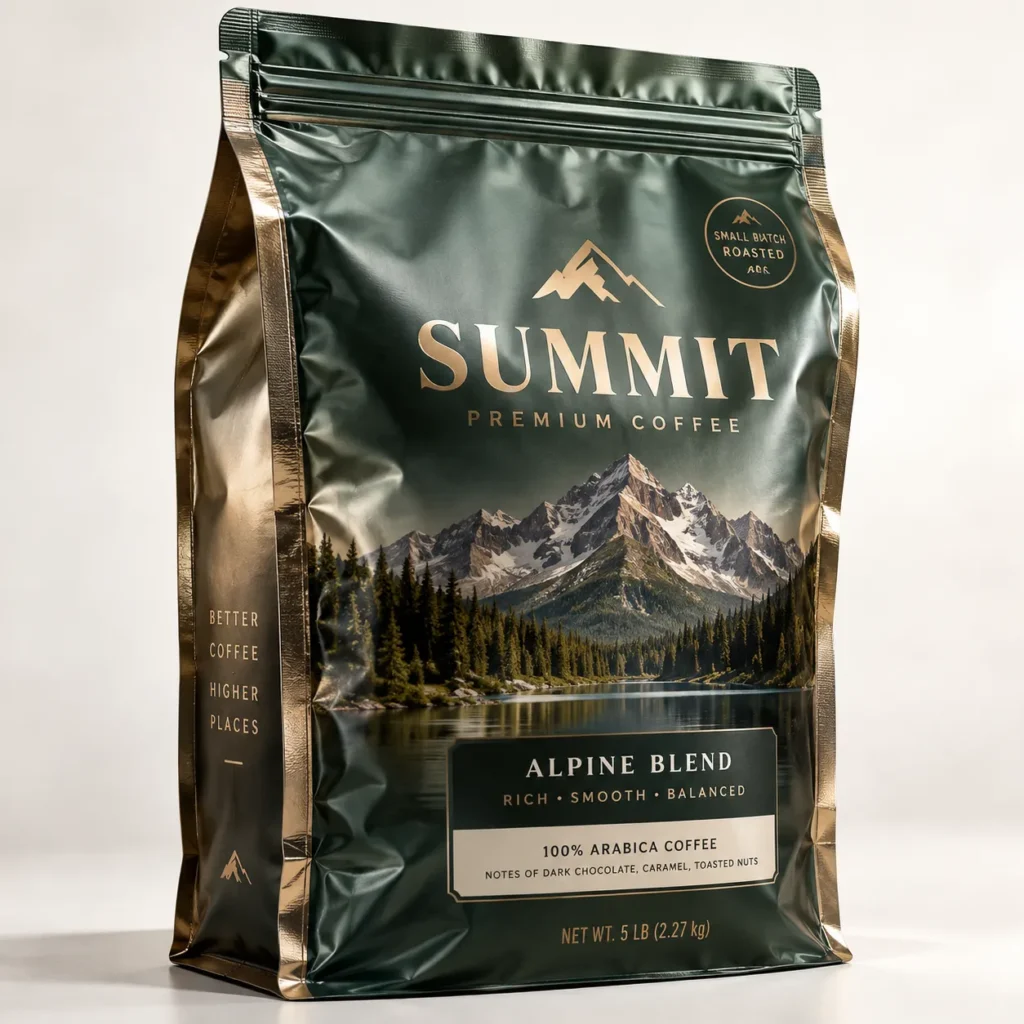
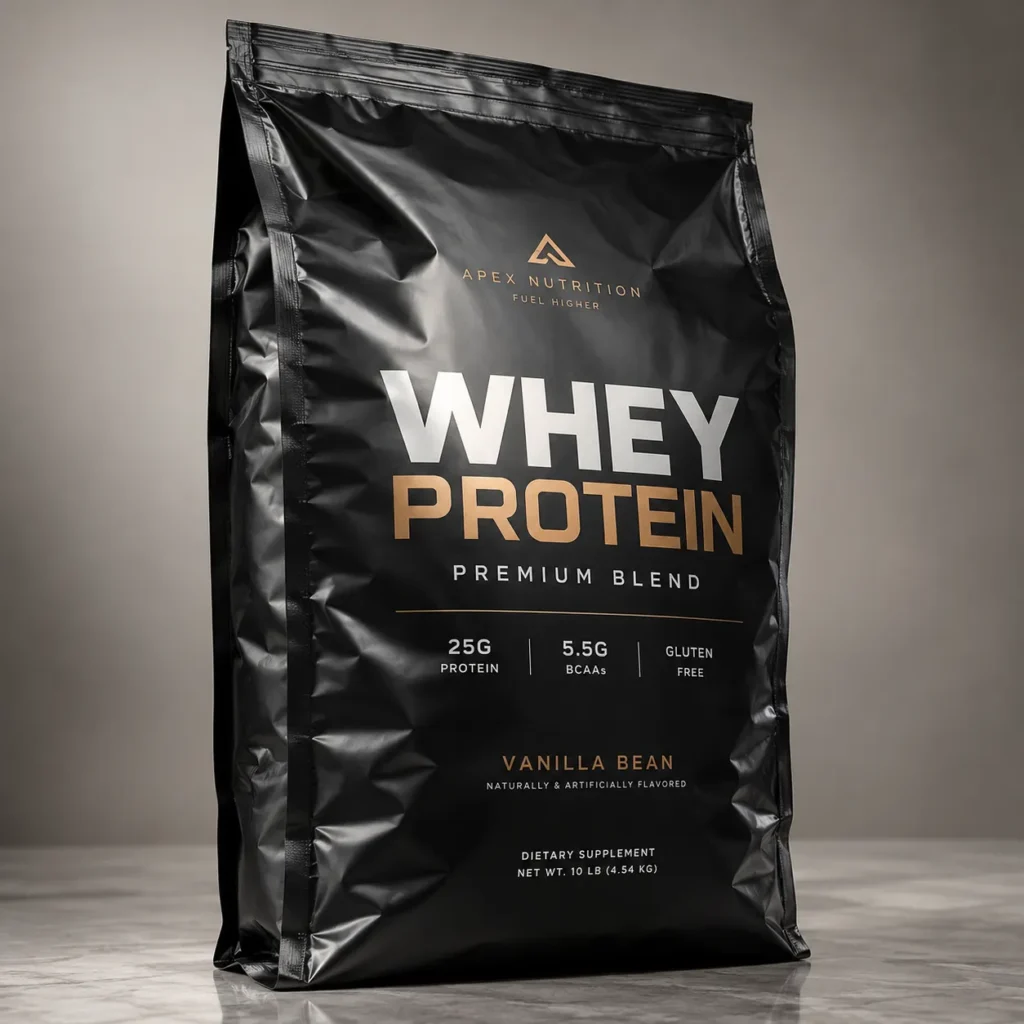
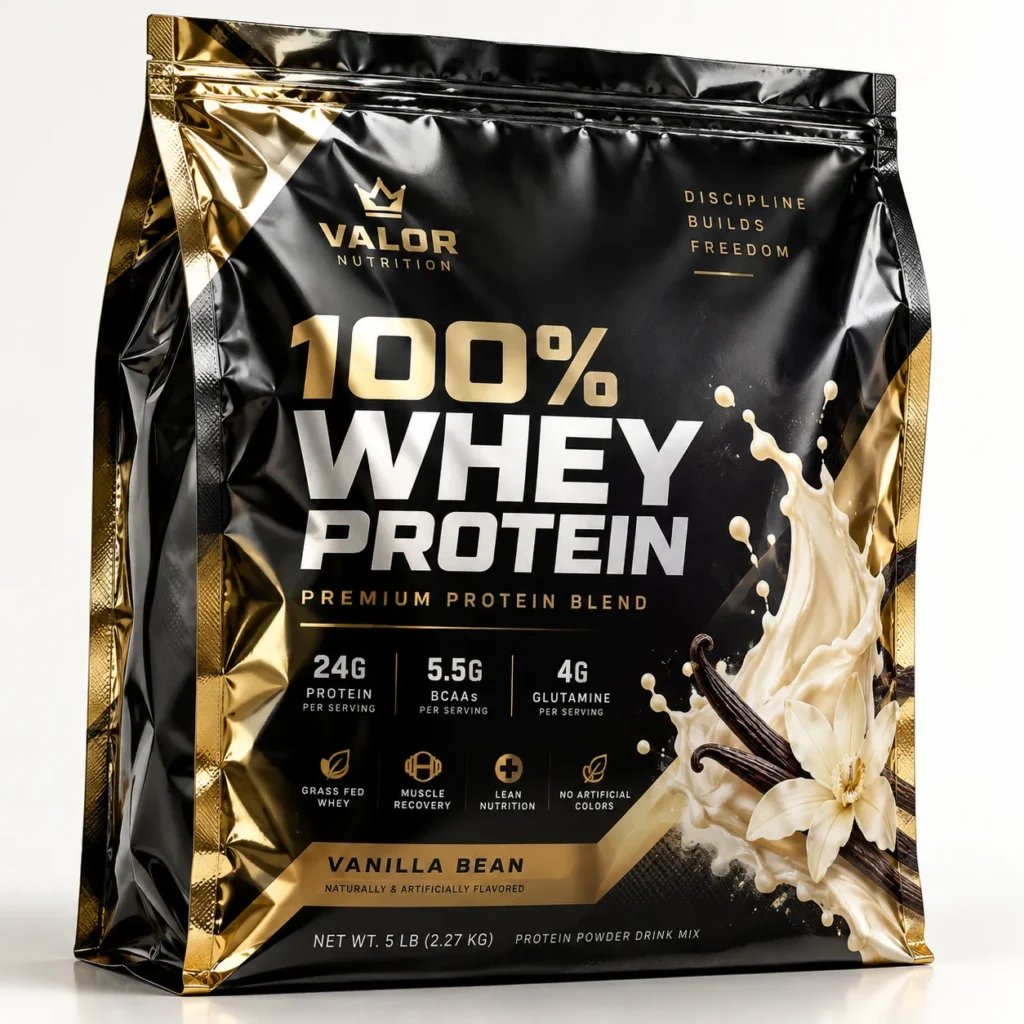
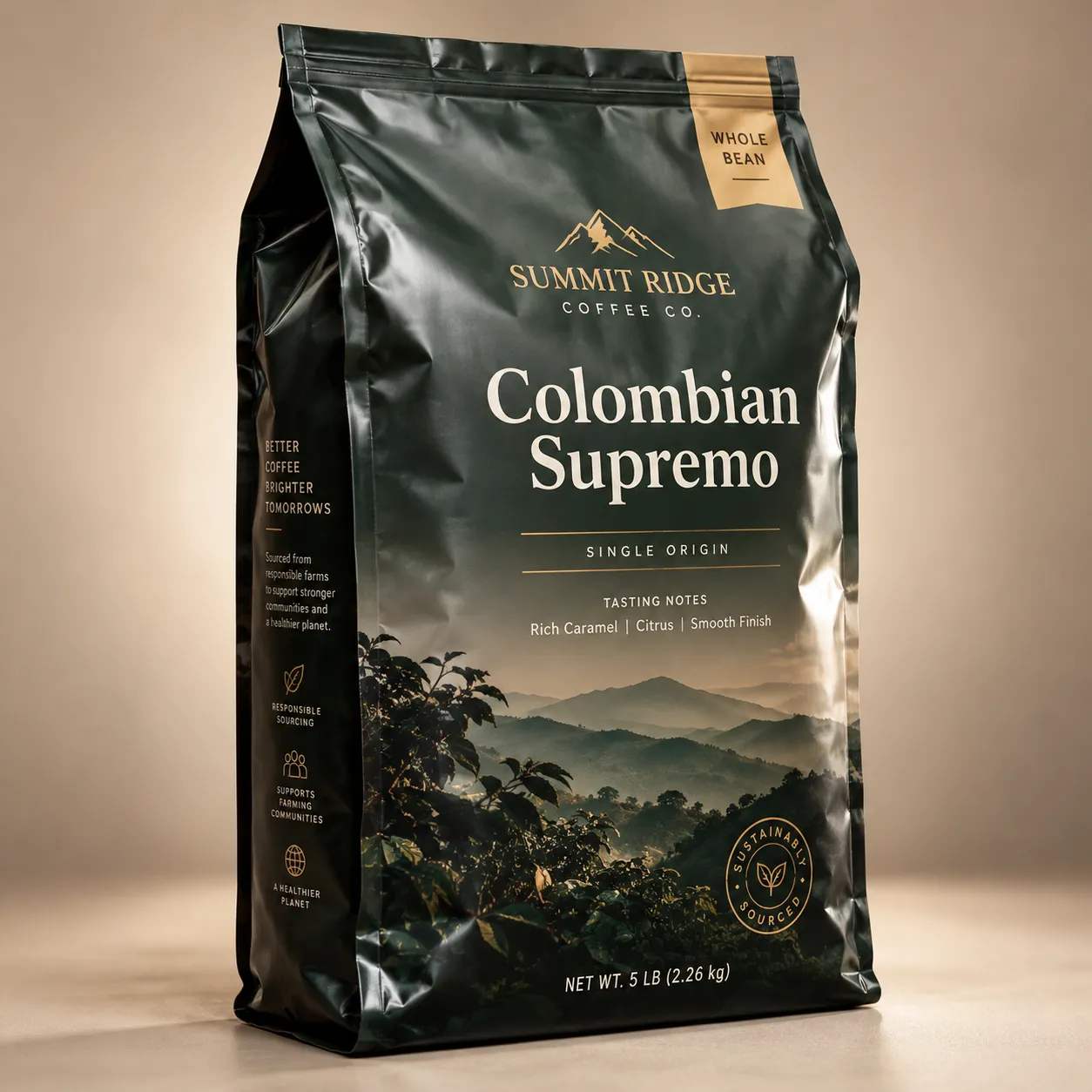
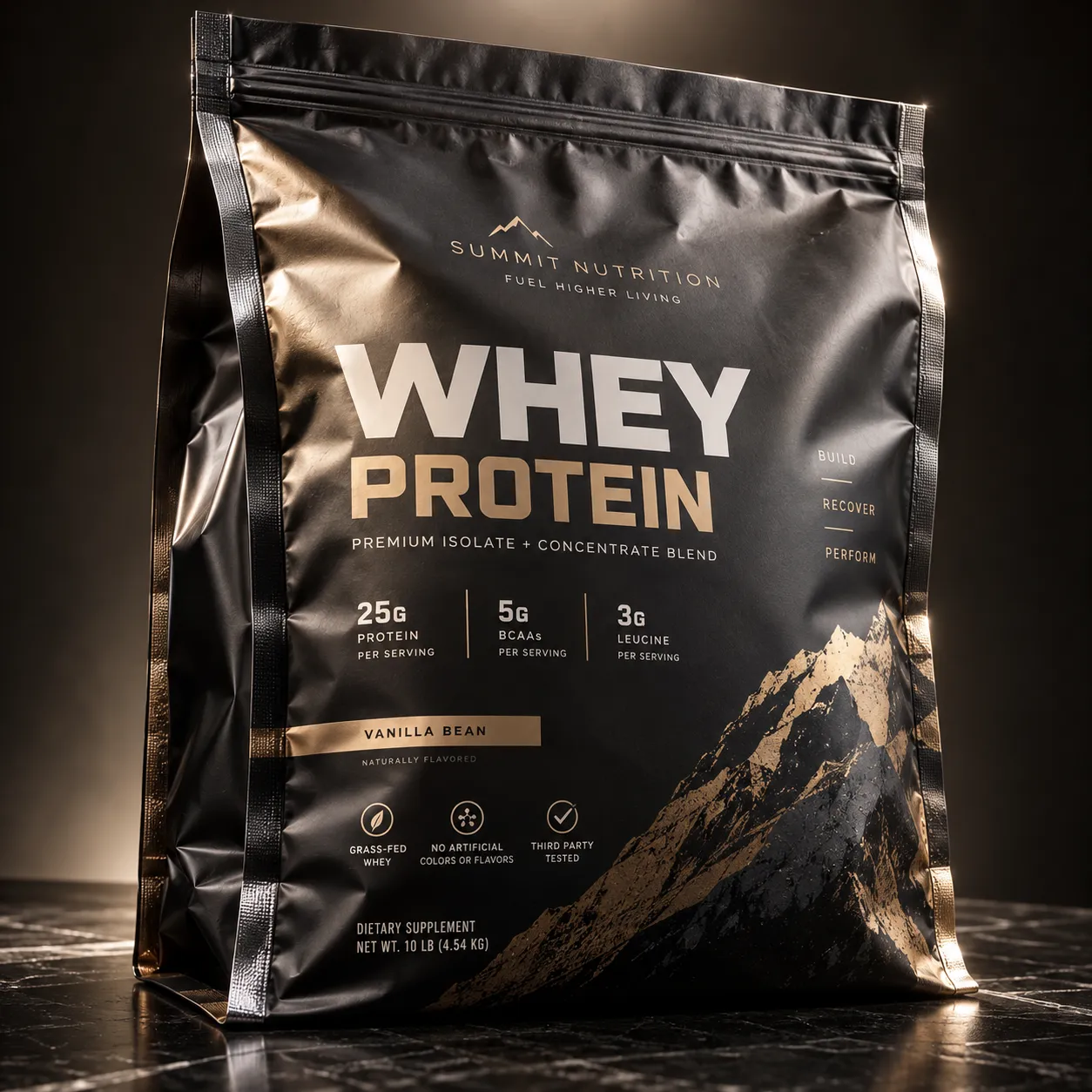
Coffee wholesalers ship two-pound and five-pound bags to cafes and offices, usually with foil liners and one-way valves, as shown in our coffee mylar bags. Pet food and treat brands choose thicker films with strong zippers so pouches survive daily scooping. Supplement, protein powder, and tea brands also use large formats for value sizes.
Tell us your product, fill weight, storage goal, and quantity. We will recommend a film thickness, gusset style, and closure, then send a digital proof within 24 hours. Request your quote today and get large mylar bags that carry heavy fills without splitting, leaking, or losing freshness.
Start Your Quote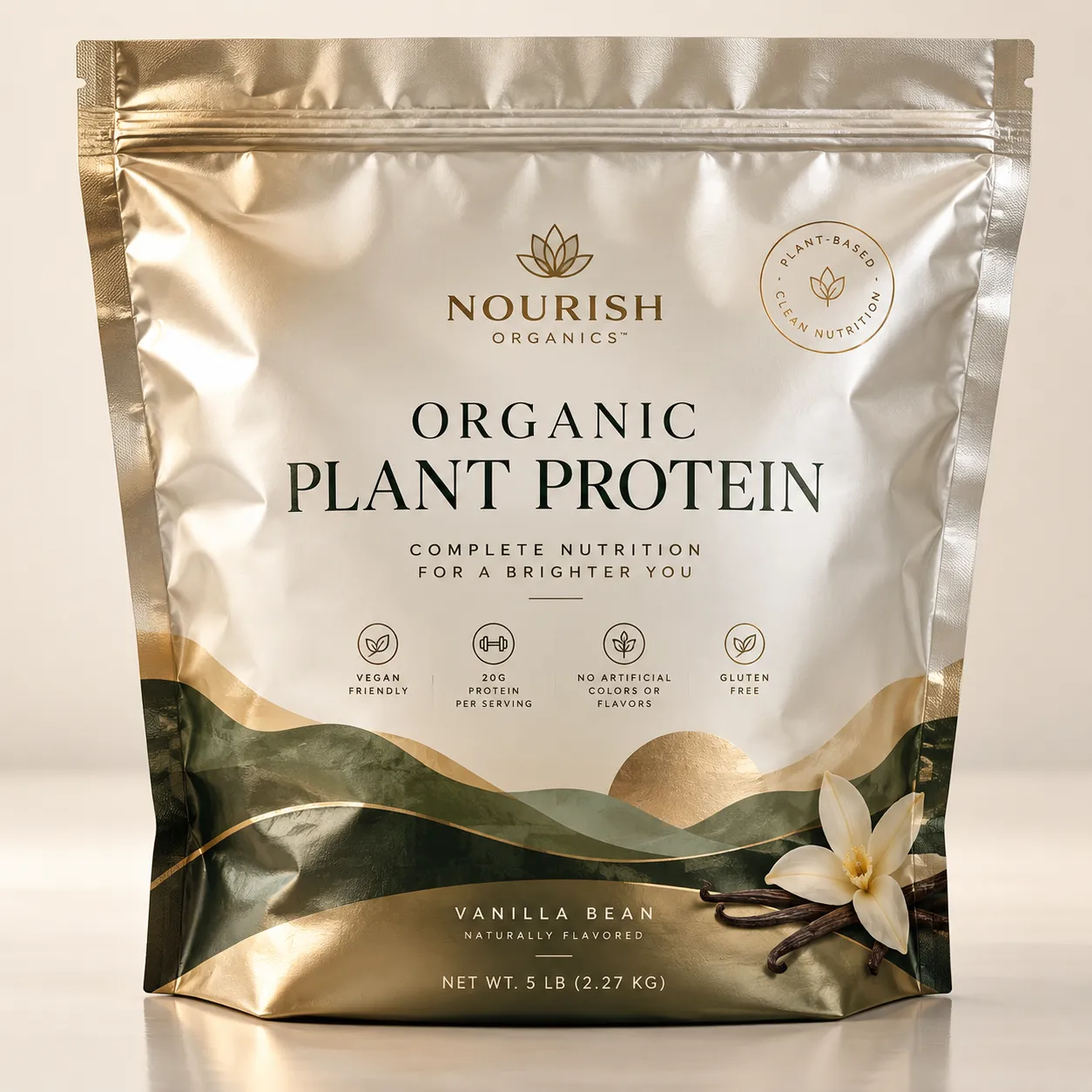
Wide pouches need wide sealers. A twelve-inch impulse sealer cannot close a twenty-inch bucket liner in one pass, and overlapping seals often leave tiny channels. Use a sealer with jaws wider than the bag, or a constant heat or band sealer for thicker films. Our heat seal mylar bags explain temperature, dwell time, and pressure settings in detail.
Oxygen absorbers are sized by the air left in the bag, not just the product weight. As a rough guide, many gallon bags of dry food use a 300 to 500 cc absorber, while bucket liners often need 2000 cc or more. Light, fluffy foods leave more air and need larger absorbers than dense grains.
Every order of large mylar bags includes free design support, custom sizes, and quality checks on film thickness, seal strength, and zipper performance. Request a free sample from The Packaging Masters, fill and seal it with your own equipment, and confirm the fit before production.
Large mylar bags range from gallon-size pouches around 10 x 14 inches to bucket liners of 20 x 30 inches or more. Custom widths, lengths, and gusset depths are available, and we confirm the right size with a fill test using your actual product before production.
Most dry foods in gallon bags do well with 4 to 5 mil film. Sharp, dense, or very heavy products benefit from 5 to 7 mil. For maximum oxygen and light protection over long storage periods, choose a structure that includes a true aluminum foil layer.
Yes. A heavy-duty press-to-close zipper lets customers scoop and reseal bulk products daily. Our resealable mylar bags compare zipper styles, and we recommend sealing above the zipper for long storage, then cutting just below that seal at the first opening.
For storage measured in years, a foil layer gives the most reliable oxygen and light barrier. Our foil mylar bags explain how aluminum compares with metallized film. For products sold within a few months, metallized structures often provide enough protection at lower cost.
Custom bulk pouches start around $0.35 per unit at volume. Pricing depends on size, film thickness, structure, closures, printing, and quantity. Bucket liners and foil structures cost more than gallon bags. We provide detailed wholesale quotes within 24 hours, with lower pricing at higher quantities.
Yes. Many brands offer trial and value sizes with one shared design. Our small mylar bags cover sample and single-serve formats, and we can scale your artwork so every size in your range looks consistent on shelves, marketplaces, and online stores.
Keep sealed bags in a cool, dry, dark place, ideally off the floor. Placing them inside food-grade buckets adds protection from pests and punctures. Check stored bags occasionally; a bag that stays loose after a few days may have a seal channel and should be resealed just below the original line.
Digitally printed large pouches usually ship in about 10 to 15 business days after proof approval. Plate-printed orders, foil structures, and very large sizes may take longer. Rush options are available, and we confirm your timeline in the quote, including freight to your warehouse.
Instead of generic stock boxes, every project starts with your product, your goals, and your customer experience — so the packaging protects in transit and still feels premium in hand.
Built to your product, not pulled from a shelf of ready-made sizes.
Strong structures, neat edges, and finishes that actually sell.
Businesses and individuals can order — start with a small run and scale when you’re ready.
4–5 business days production after proof approval — you always know what’s next.
Copyright © 2026 thepackagingmasters.com All rights reserved.