
01
Finalize your design
Sizes, materials, finishes, and artwork are locked in. You review the proof carefully and approve when every detail matches your brief.
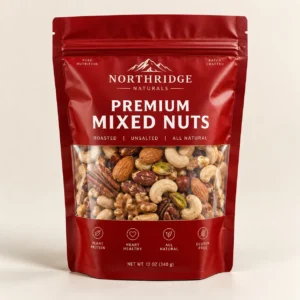
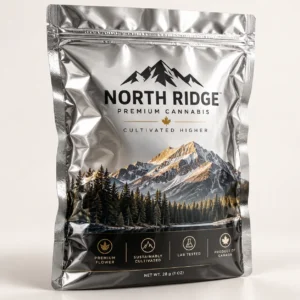
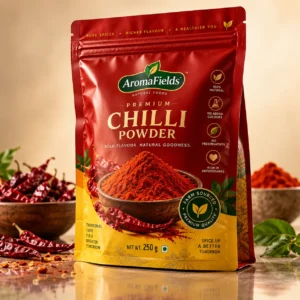
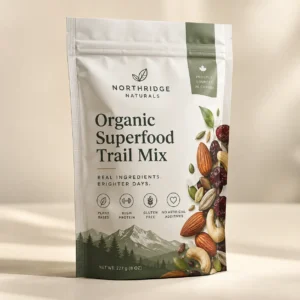
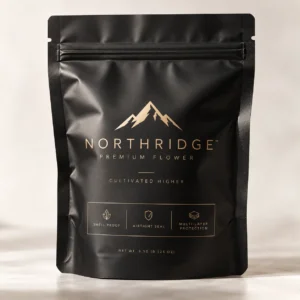
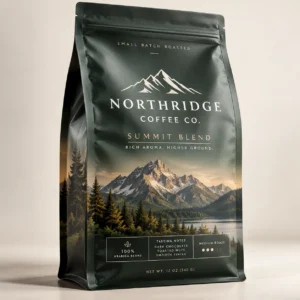
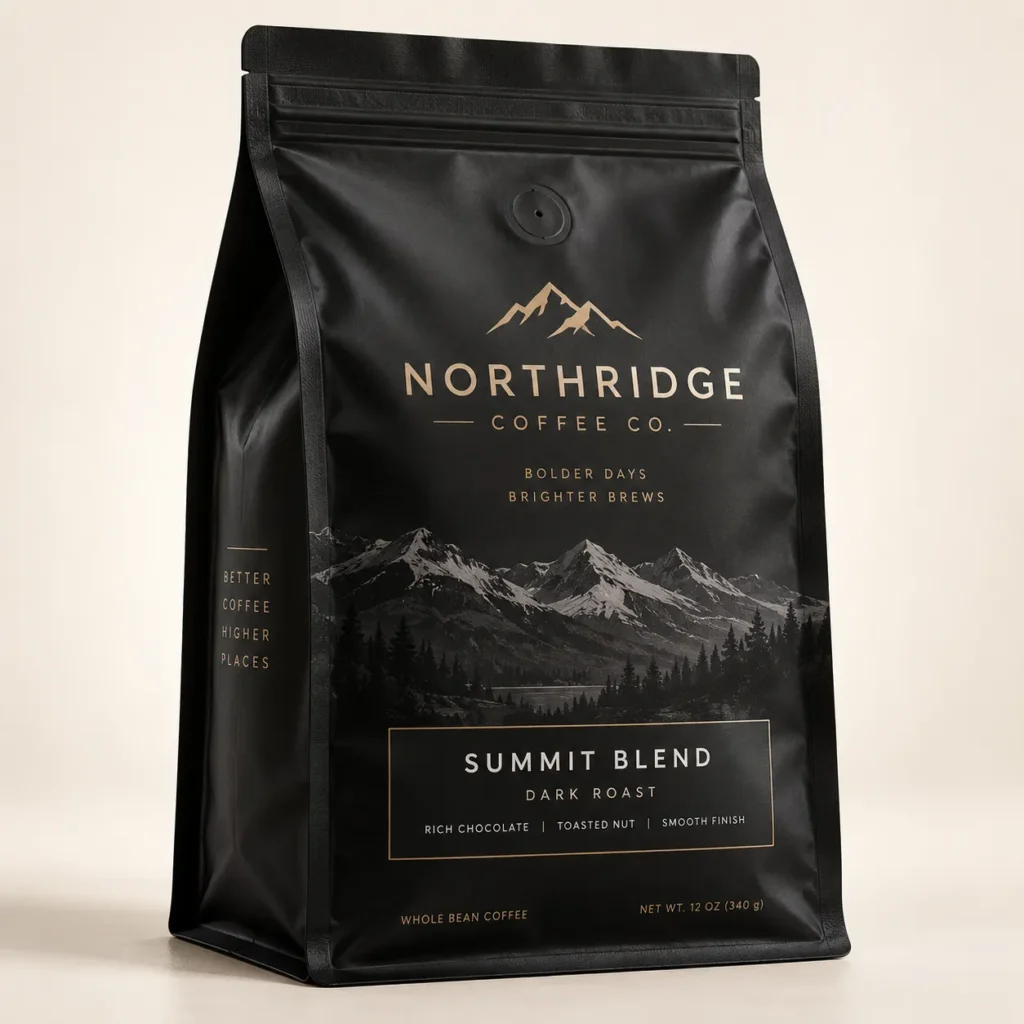
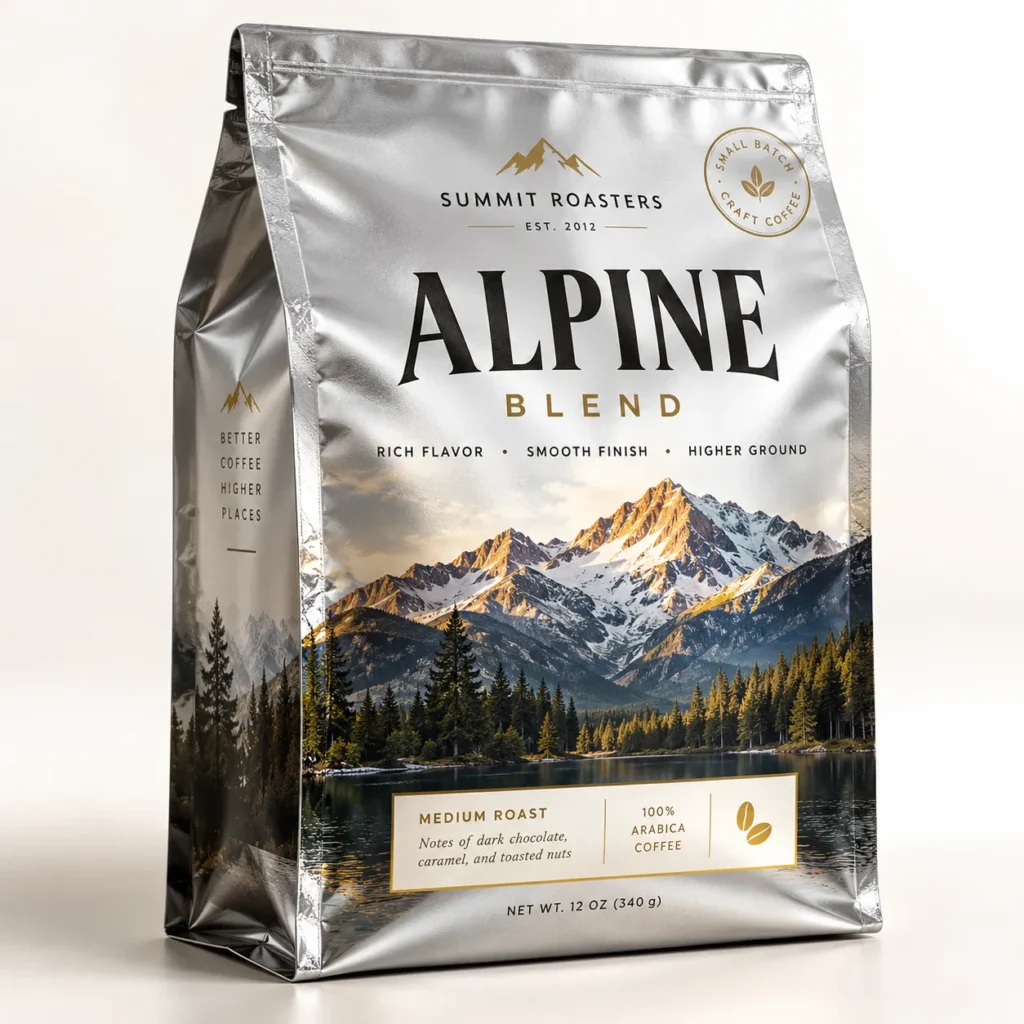
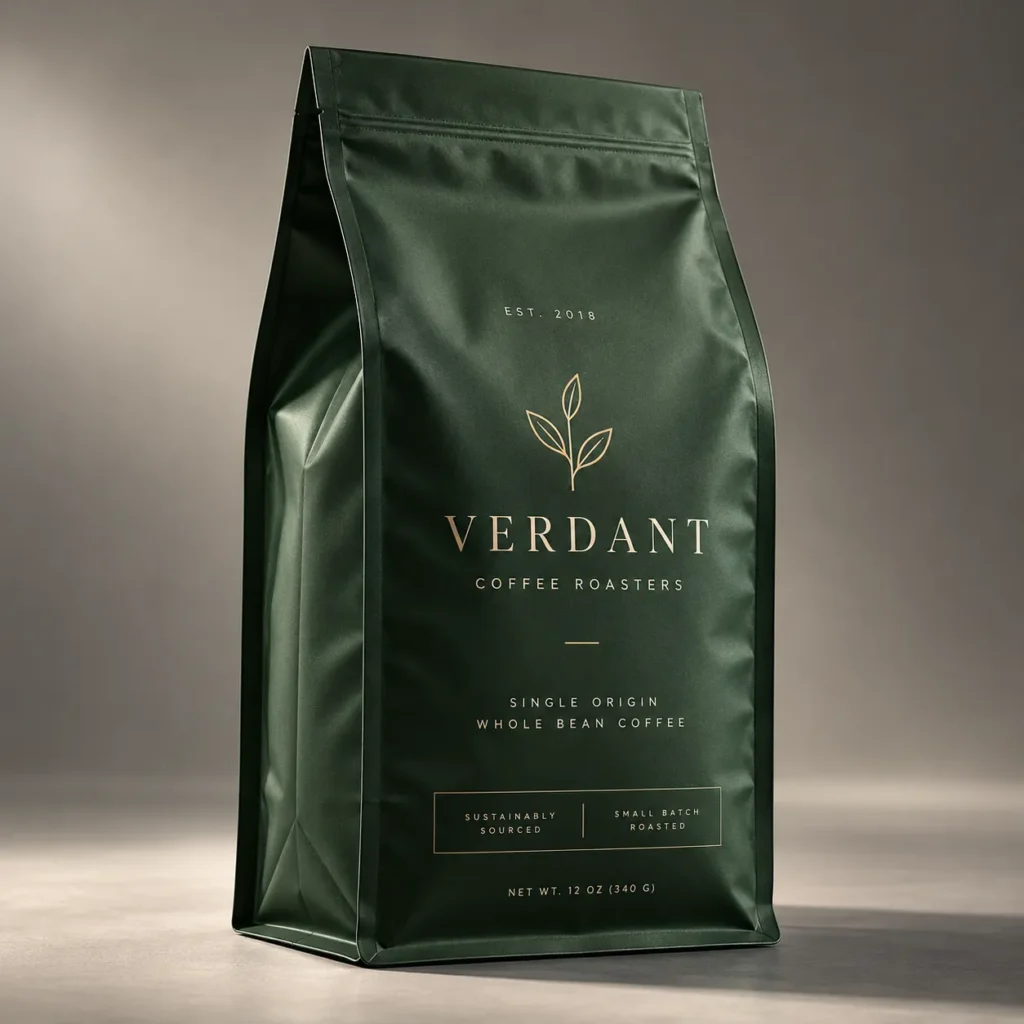
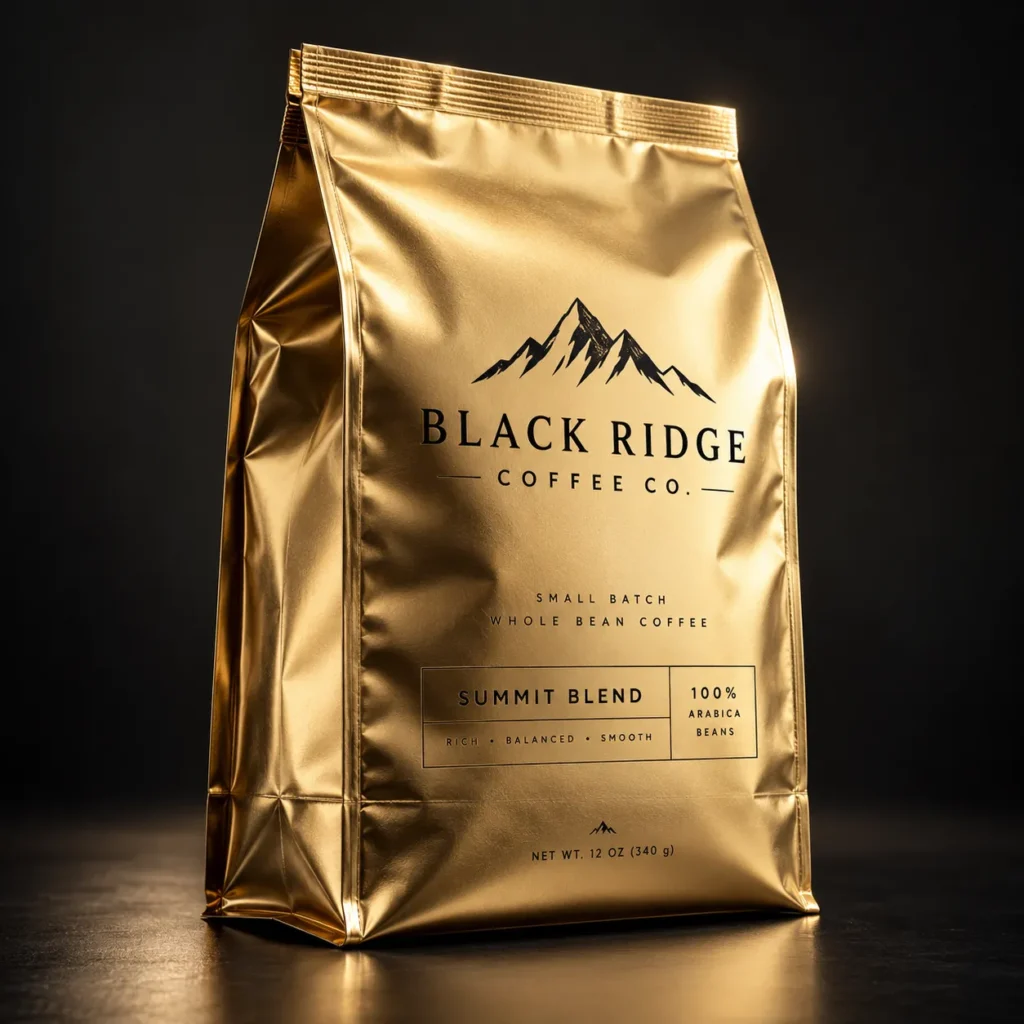
Why do premium coffee and pet food brands use bags shaped like boxes? Because flat bottom mylar bags stand perfectly square, show five branded panels at once, and look far more upscale than a pouch that slumps on the shelf. Shoppers read that shape as quality.
The Packaging Masters builds box-style pouches with crisp folded edges, strong side seals, and closures suited to your product. They are a favorite for roaster bags with degassing valves and an upgrade from standard doypack-style stand-up pouches.
What Makes Us Different?
From approval to doorstep — handled end to end.
Every order runs through four specialist teams — structural design, print, finishing, and dispatch — so your packaging keeps moving without bottlenecks, delays, or guesswork.
Sizes, materials, finishes, and artwork are locked in. You review the proof carefully and approve when every detail matches your brief.
Your job moves to print, cutting, lamination, and finishing. Our production team monitors color, registration, and structural accuracy.
Finished boxes are checked against the approved sample, counted, and securely packed to protect edges and print during transit.
Dispatch shares tracking details so your team can plan filling and launch dates. Your packaging arrives press-ready and production-ready.
Standard stand-up pouches have a rounded bottom gusset. Once filled, they bulge in the middle and narrow at the top, which can make them lean or slump on the shelf. Only the front and back are truly visible, so shoppers see less of your branding from different angles.
Heavier products make the problem worse. Large bags of coffee, protein powder, or pet treats can tip over, wrinkle, or look underfilled as the product settles. That untidy appearance undermines a premium price.
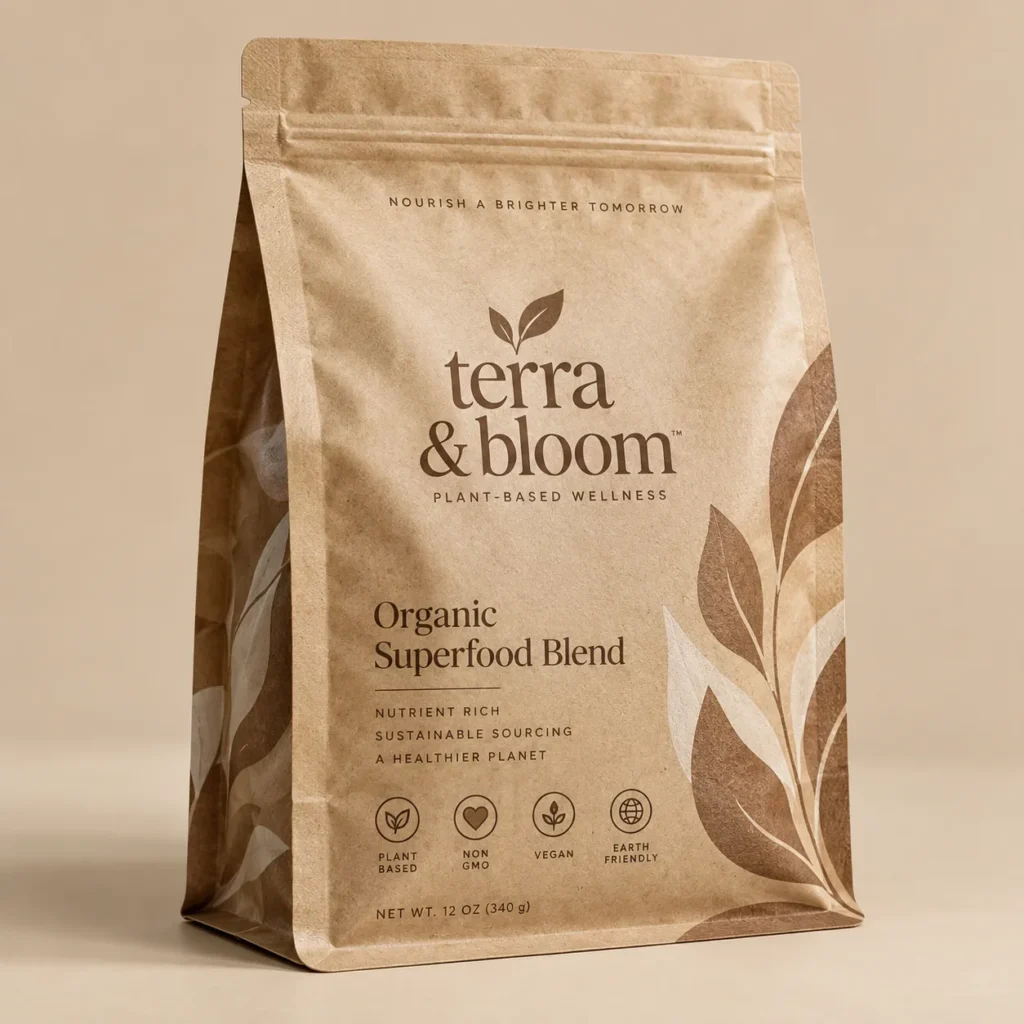
Flat bottom mylar bags solve this with a square base and two side gussets. When filled, they stand straight like a box, with clean vertical edges. You gain five printable panels, including the sides and bottom, which means more space for storytelling, nutrition panels, and brand graphics. Side gussets are the key structural difference, and our gusseted mylar bags page explains how they expand capacity without making the bag taller.
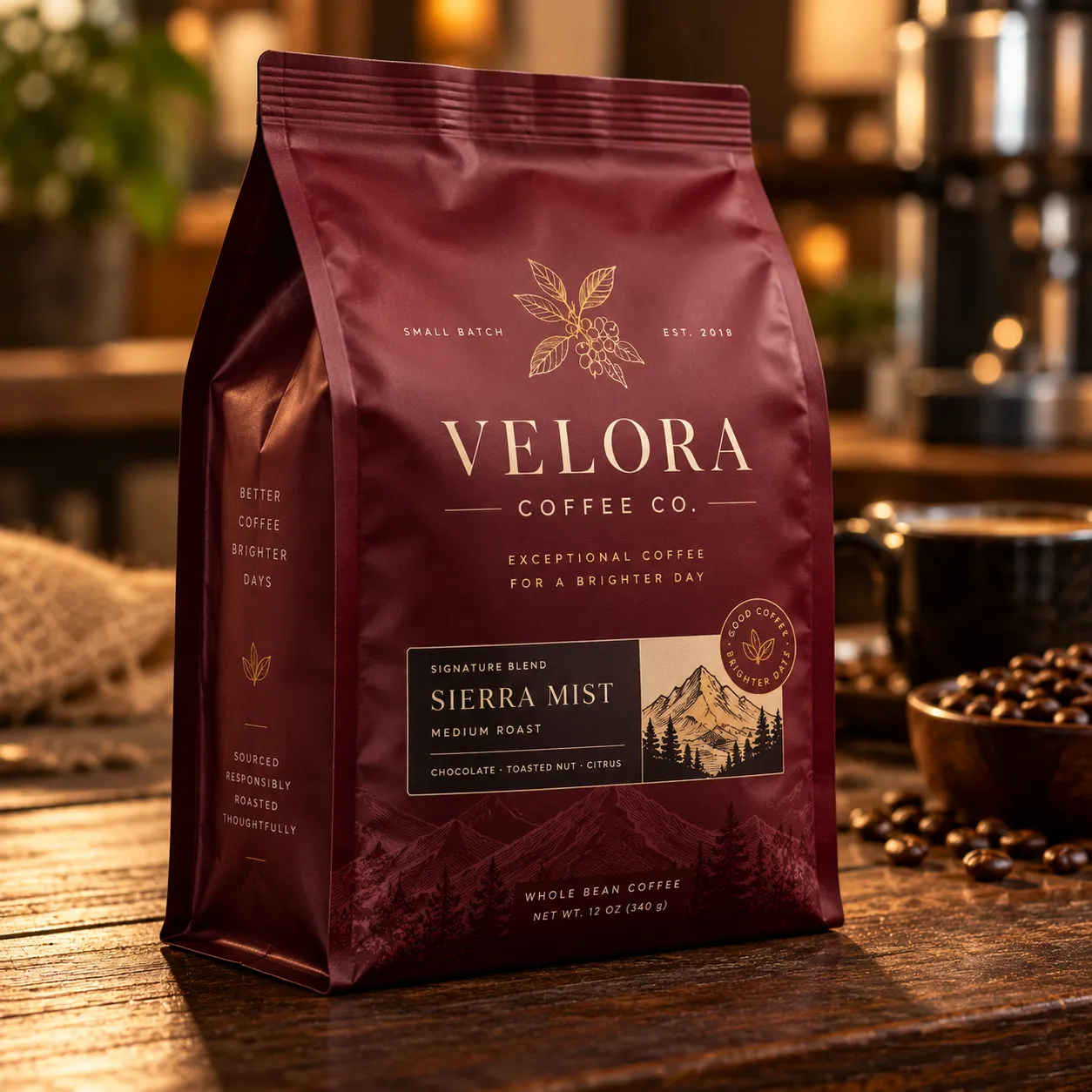
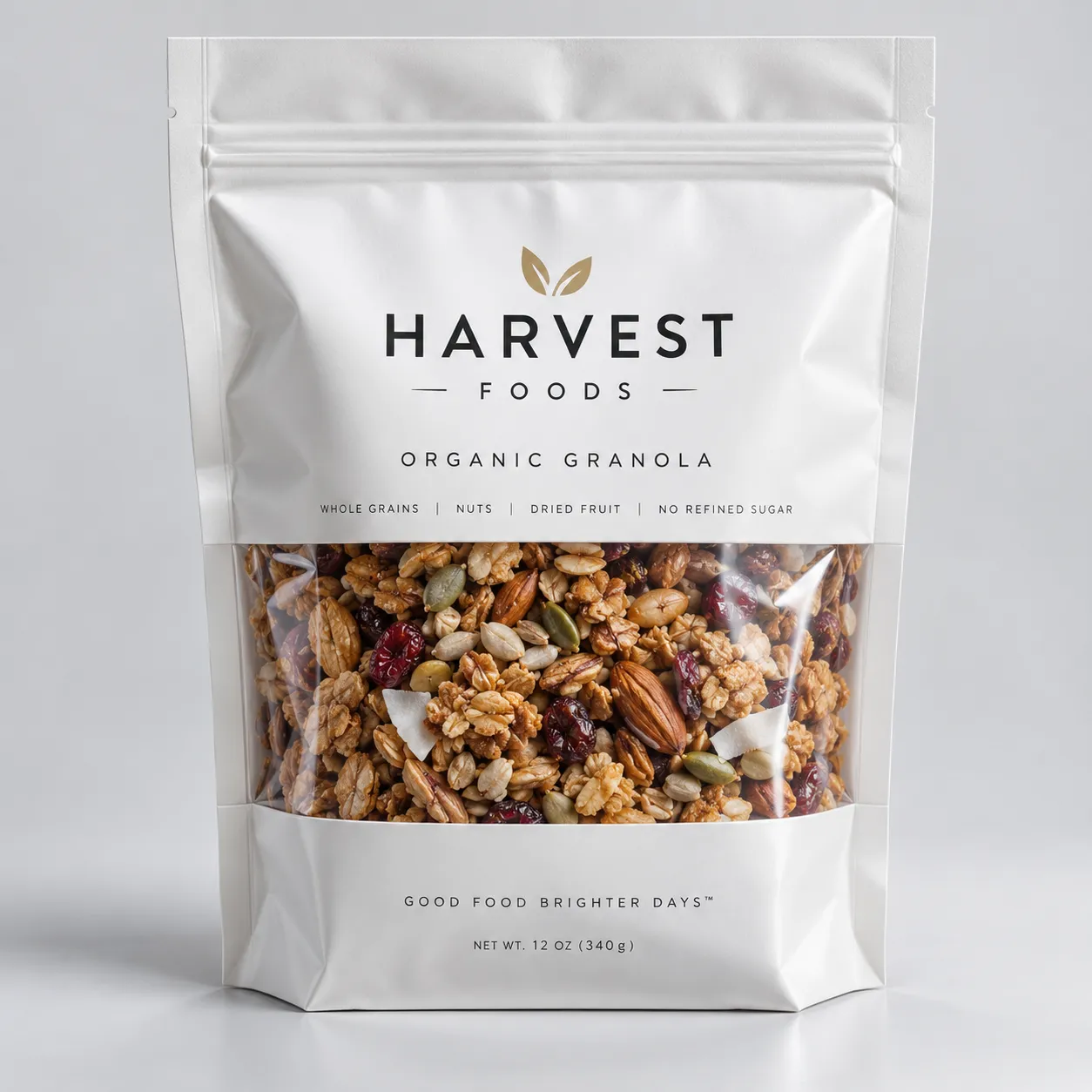
A flat bottom pouch, sometimes called a box pouch or block bottom bag, is built from front, back, two side gussets, and a flat base. Each panel can be printed, giving you far more branding space than a standard pouch.
Closures are placed with daily use in mind. A pocket zipper sits just below the top seal and is hidden by a tear-off strip, keeping the front panel clean. A front zipper is easier to see and use. For coffee, a one-way degassing valve is usually placed on the upper front or back panel.
Common sizes range from about 250 grams to 1 kilogram for retail, with larger formats for wholesale. Our 1 lb mylar bags page explains how product density affects dimensions, and bulk formats are covered in our large mylar bags. The Packaging Masters confirms every size with a fill test so your pouch stands upright without excess headspace.
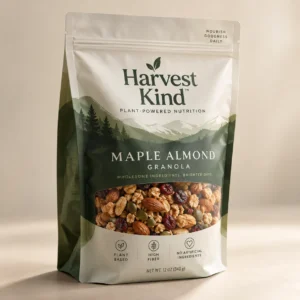
Flat bottom pouches are the format of choice for categories where shelf presence matters. Specialty coffee roasters use them to look like premium boxes while keeping flexible packaging costs. Pet food and treat brands use them for heavy fills that must stand without tipping. Protein powders and supplements use the side panels for nutrition and usage instructions. Premium snack and granola brands use them to stand out in crowded aisles.
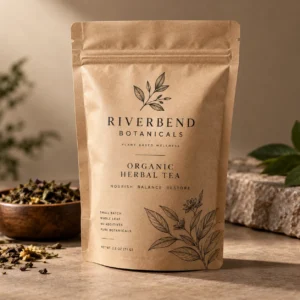
Material choice shapes the brand story. Kraft exteriors give an artisan, natural look, as shown in our kraft mylar bags. A side-gusset window lets shoppers see the product without weakening the front design, and our window mylar bags explain window placement options.
Tell us your product, fill weight, closure preference, and quantity. We will recommend size, film, and panel layout, then send a digital proof within 24 hours. Request your quote today and give your product box-level presence.
Start Your Quote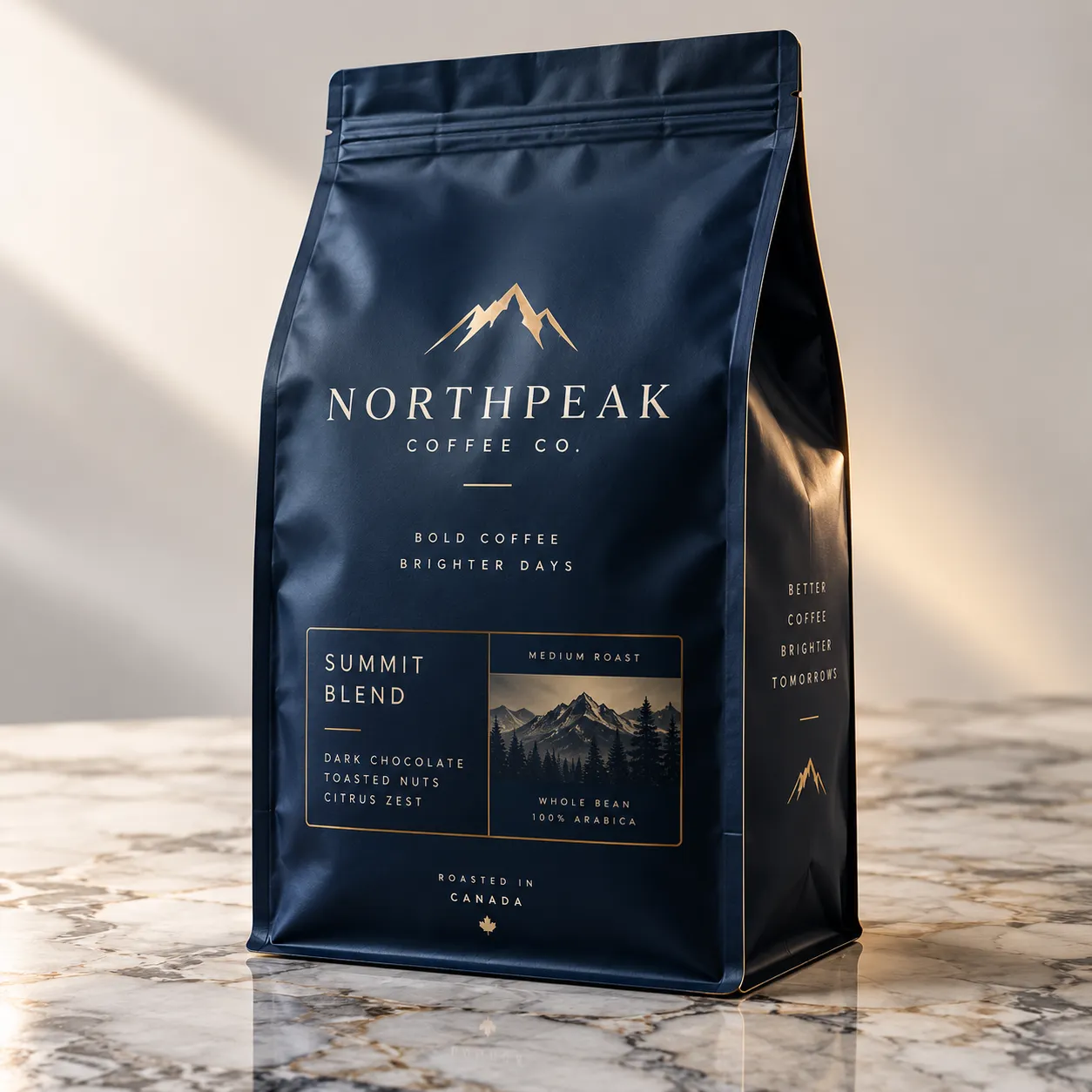
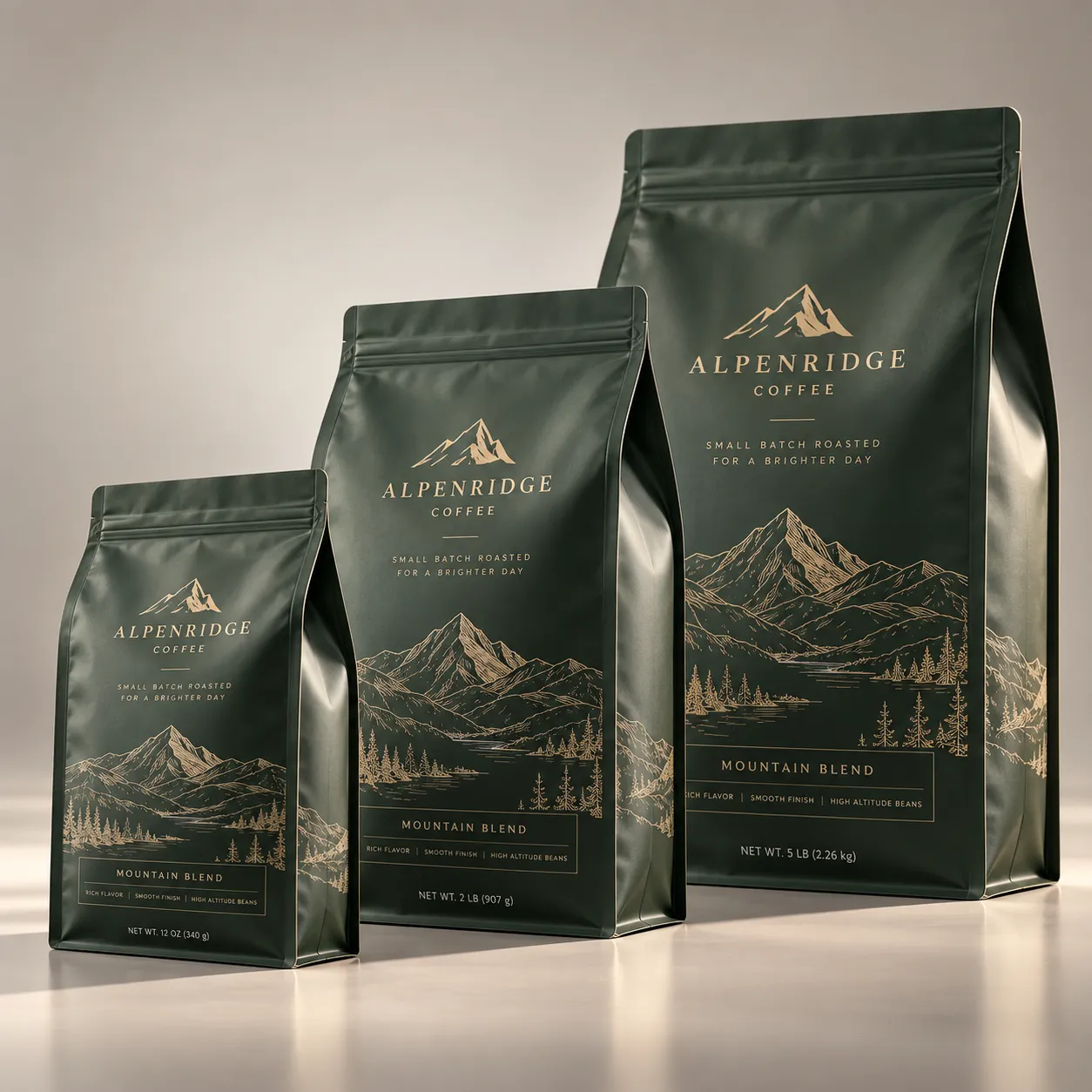
Designing for five panels is different from designing a flat pouch. Treat the front as your billboard, use one side panel for product benefits or origin story, the other for usage instructions or nutrition information, and the back for detailed copy. The bottom panel is a great place for a logo or social handle that shows when the bag is lifted.
Matte, gloss, soft-touch, and spot gloss finishes are all available. Because flat bottom pouches require more complex manufacturing than standard pouches, unit costs are higher, but the premium appearance and better fill efficiency often justify the difference.
Every order of flat bottom mylar bags includes free design support, custom sizes, and quality checks on corner folding, seal strength, and zipper function. Request a free sample from The Packaging Masters, fill it with your product, and see how it stands on your shelf before production. A side-by-side comparison with your current bag usually makes the decision easy.
Flat bottom mylar bags are box-shaped pouches with a square base and two side gussets. They stand upright like a carton, offer five printable panels, and provide the same barrier protection as other mylar pouches with a more premium shelf appearance.
Custom box pouches start around $0.35 per unit at volume. They cost more than standard stand-up pouches because of their more complex construction. Pricing depends on size, film, zipper, valve, and print method. We provide detailed quotes within 24 hours.
Stand-up pouches have a rounded bottom gusset and two main panels. Flat bottom pouches have a square base and side gussets, creating five panels and a box-like shape. Flat bottom bags stand straighter and look more premium, especially for heavier fills.
A pocket zipper sits just below the top seal behind a tear-off strip. Customers tear the strip to reach the zipper, which keeps the front panel clean and uninterrupted. It is a popular choice for coffee and premium food products.
Yes. Pocket or front zippers let customers reseal the bag after every use. Our resealable mylar bags explain zipper styles and how each style affects freshness and ease of use. Pocket zippers keep the front panel clean and clear for branding.
They can be, with high-barrier foil film and a full heat seal. For multi-year storage, our food storage mylar bags explain oxygen absorbers and thicker films designed specifically for pantry and emergency supplies. Cool, dark storage extends shelf life even further.
Yes, with some trade-offs in barrier and shelf life. Our biodegradable mylar bags explain plant-based structures that work well for coffee and dry goods sold within shorter timeframes. Kraft exteriors pair nicely with compostable liners for a warm, natural look.
Flat bottom pouches usually ship in about 15 to 20 business days after proof approval because their construction is more complex. Rotogravure orders take longer. Rush options are available, and we confirm timelines in your quote, including shipping time to your location.
Instead of generic stock boxes, every project starts with your product, your goals, and your customer experience — so the packaging protects in transit and still feels premium in hand.
Built to your product, not pulled from a shelf of ready-made sizes.
Strong structures, neat edges, and finishes that actually sell.
Businesses and individuals can order — start with a small run and scale when you’re ready.
4–5 business days production after proof approval — you always know what’s next.
Copyright © 2026 thepackagingmasters.com All rights reserved.