
01
Finalize your design
Sizes, materials, finishes, and artwork are locked in. You review the proof carefully and approve when every detail matches your brief.
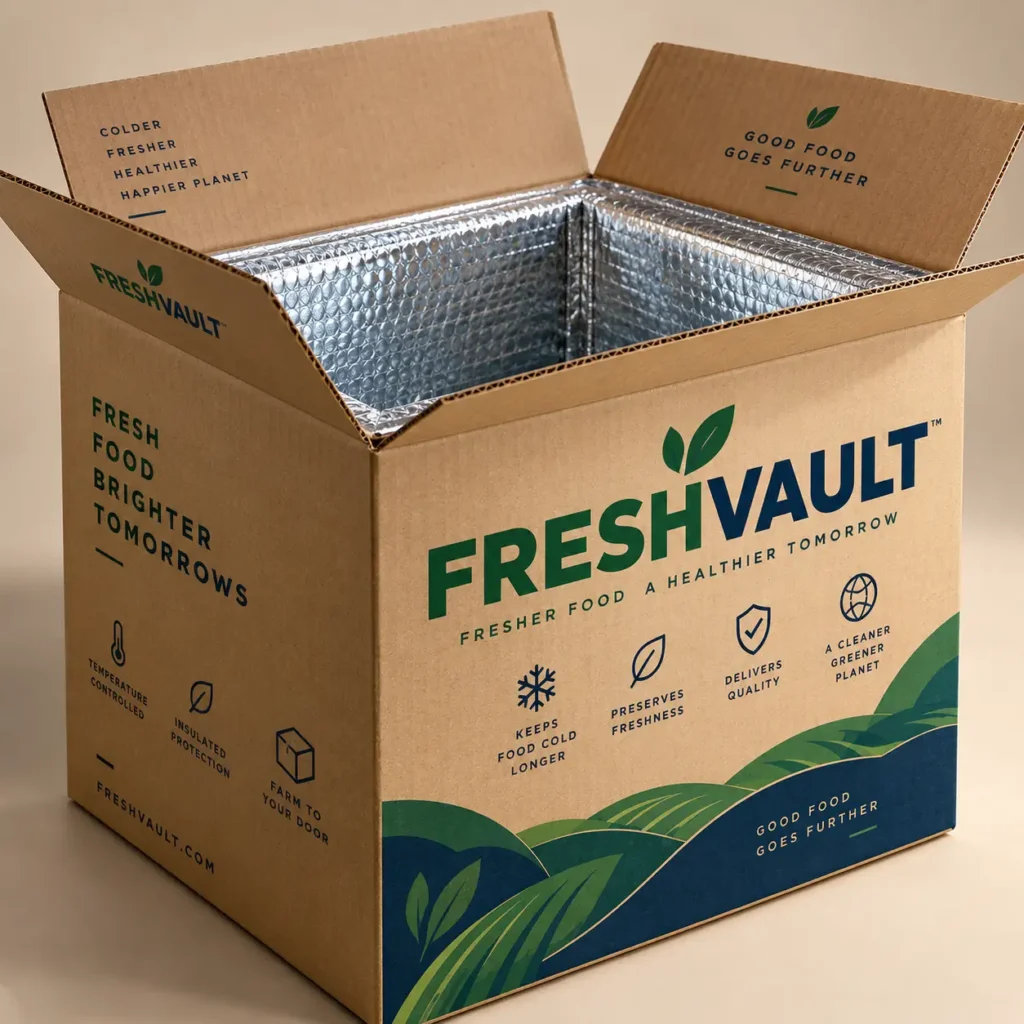
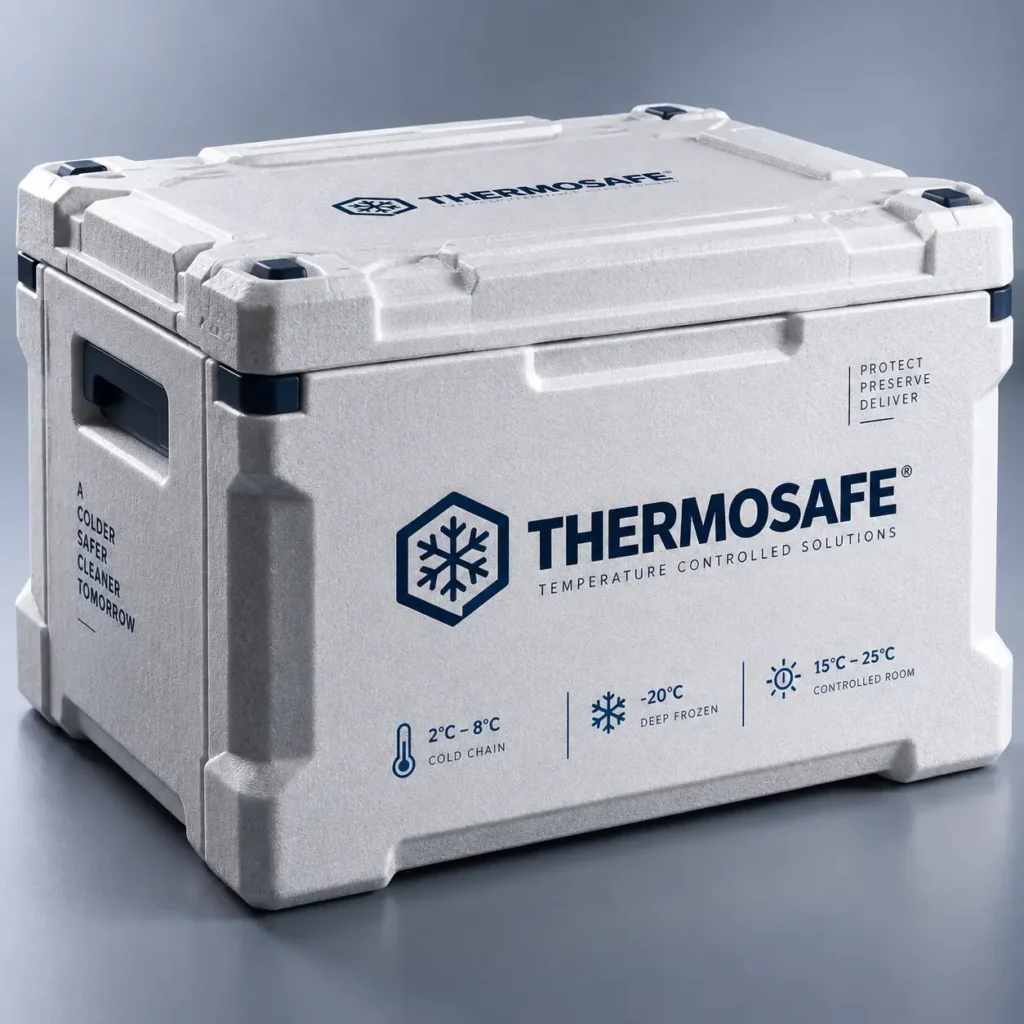
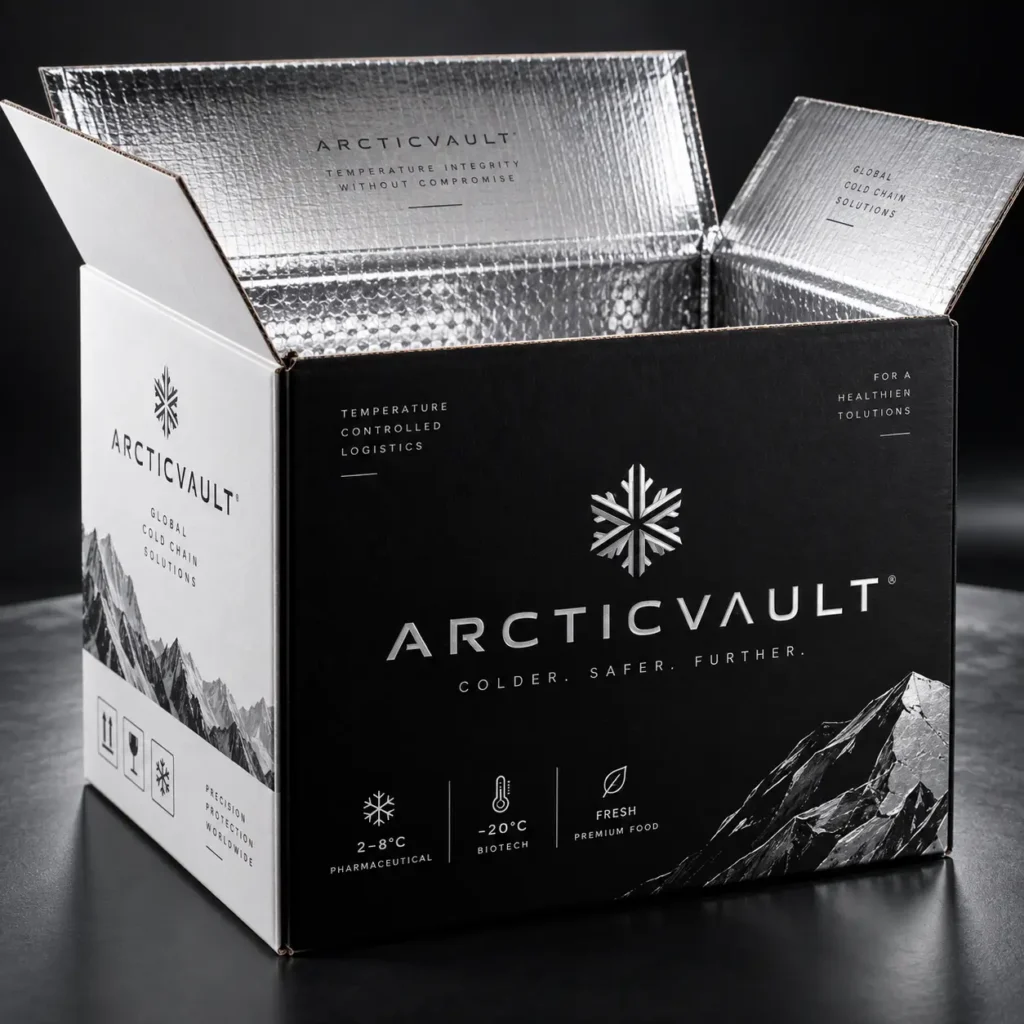
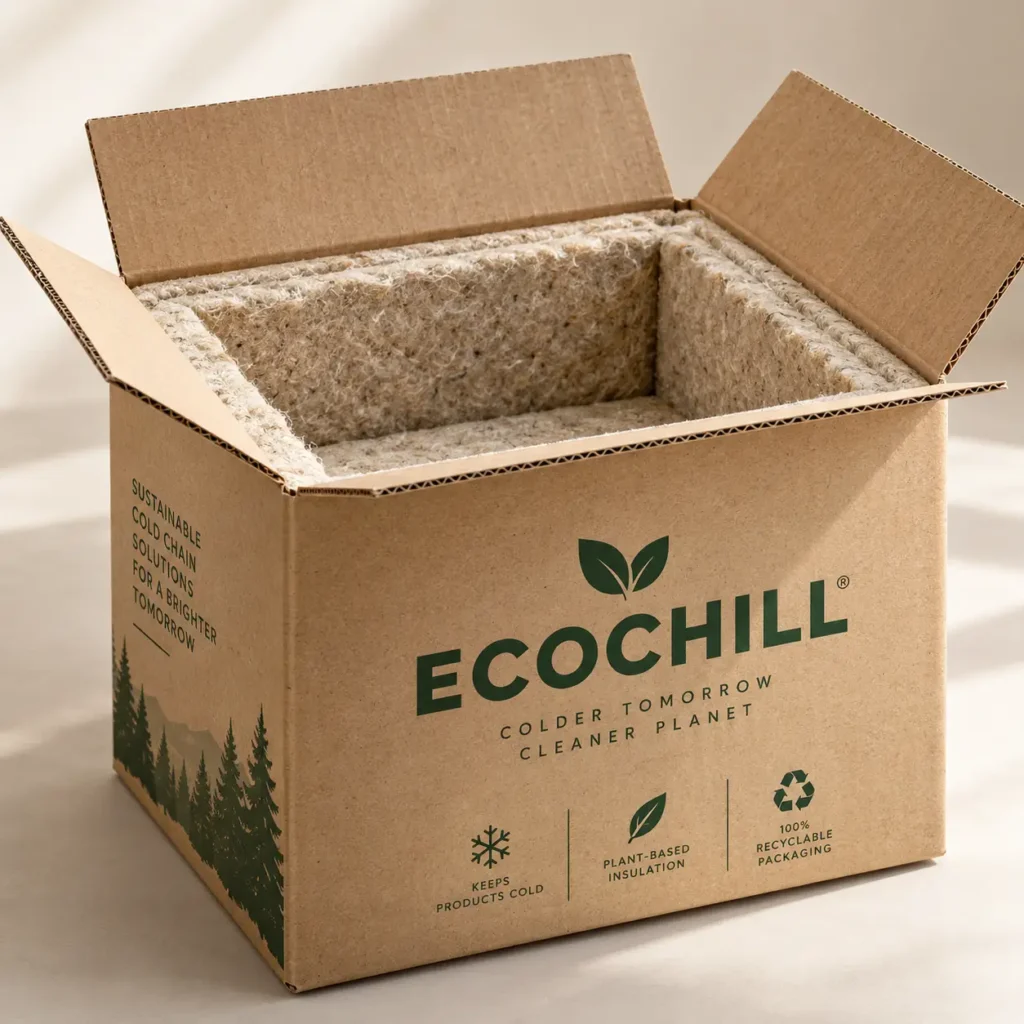
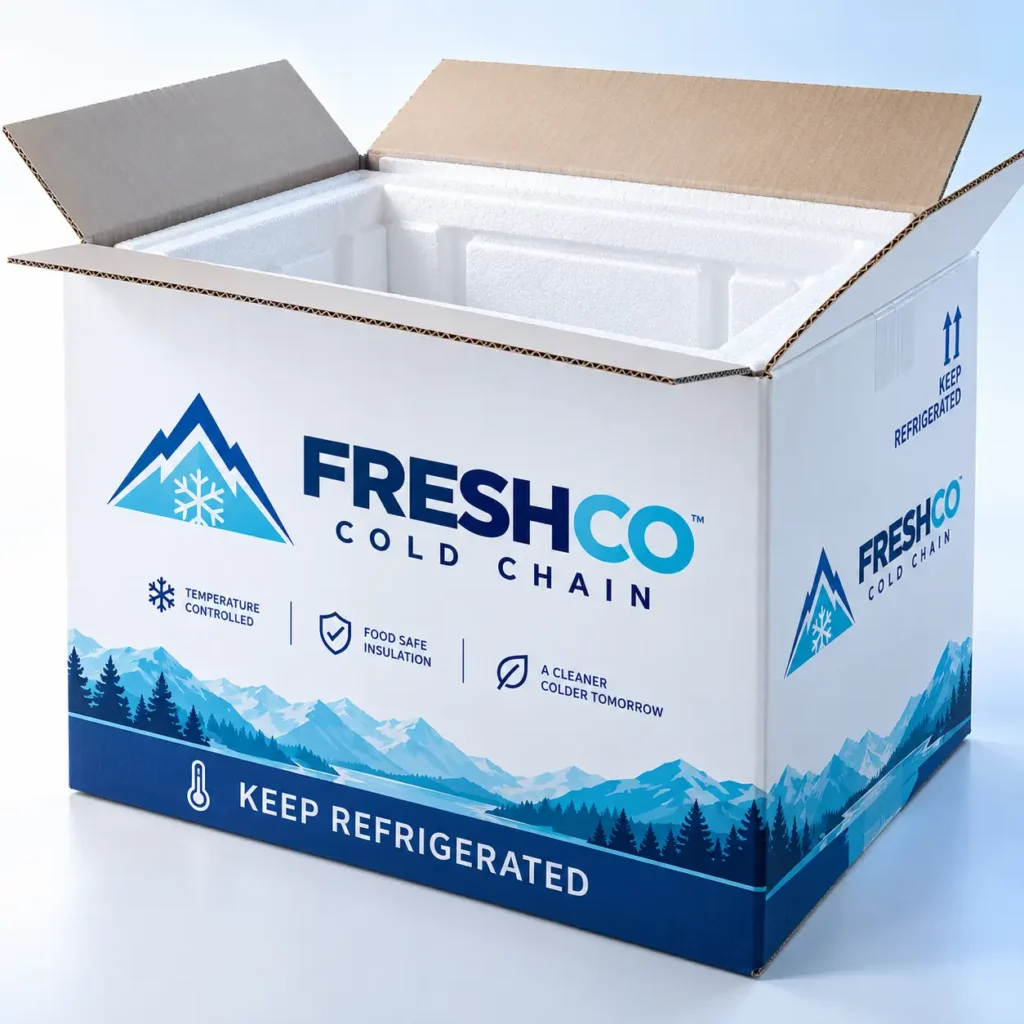
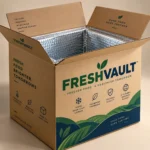
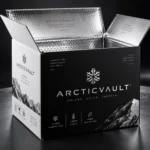
Perishable products have no second chances. A meal kit that arrives warm, chocolate that melts, or a temperature-sensitive supplement that spoils means refunds, waste, and customers who never reorder. Insulated thermal boxes combine corrugated outer cartons with foil liners, foam, or paper-based insulation to slow heat transfer and protect contents from warehouse to doorstep.
The Packaging Masters builds branded cold chain shippers for food, beverages, and health products. Pair them with condensation-resistant packaging or recurring subscription boxes for meal and snack programs.
What Makes Us Different?
From approval to doorstep — handled end to end.
Every order runs through four specialist teams — structural design, print, finishing, and dispatch — so your packaging keeps moving without bottlenecks, delays, or guesswork.
Sizes, materials, finishes, and artwork are locked in. You review the proof carefully and approve when every detail matches your brief.
Your job moves to print, cutting, lamination, and finishing. Our production team monitors color, registration, and structural accuracy.
Finished boxes are checked against the approved sample, counted, and securely packed to protect edges and print during transit.
Dispatch shares tracking details so your team can plan filling and launch dates. Your packaging arrives press-ready and production-ready.
Ordinary corrugated boxes offer almost no thermal protection. Inside a delivery truck or on a sunny porch, temperatures can climb quickly, and products without insulation warm up within hours. Frozen foods thaw, chocolate blooms, cheese sweats, and temperature-sensitive supplements or cosmetics can lose quality. Each failed delivery means a refund, a replacement shipment, wasted inventory, and a customer less likely to order again.
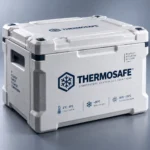
Insulated thermal boxes slow that heat transfer. Insulating liners or panels reduce conduction through the walls, reflective metallized films limit radiant heat, and tight-fitting lids reduce air exchange. Paired with gel packs, dry ice, or phase change materials, they help keep products in their target range for the planned transit time. Brands shipping fragile glass jars or bottles can combine insulation with inserts from our fragile item protective boxes, and premium food gifts look polished with interior printed cartons.
We review your products, required temperature range, shipping zones, and transit times first, then recommend insulation and coolant combinations that fit your budget and performance needs.
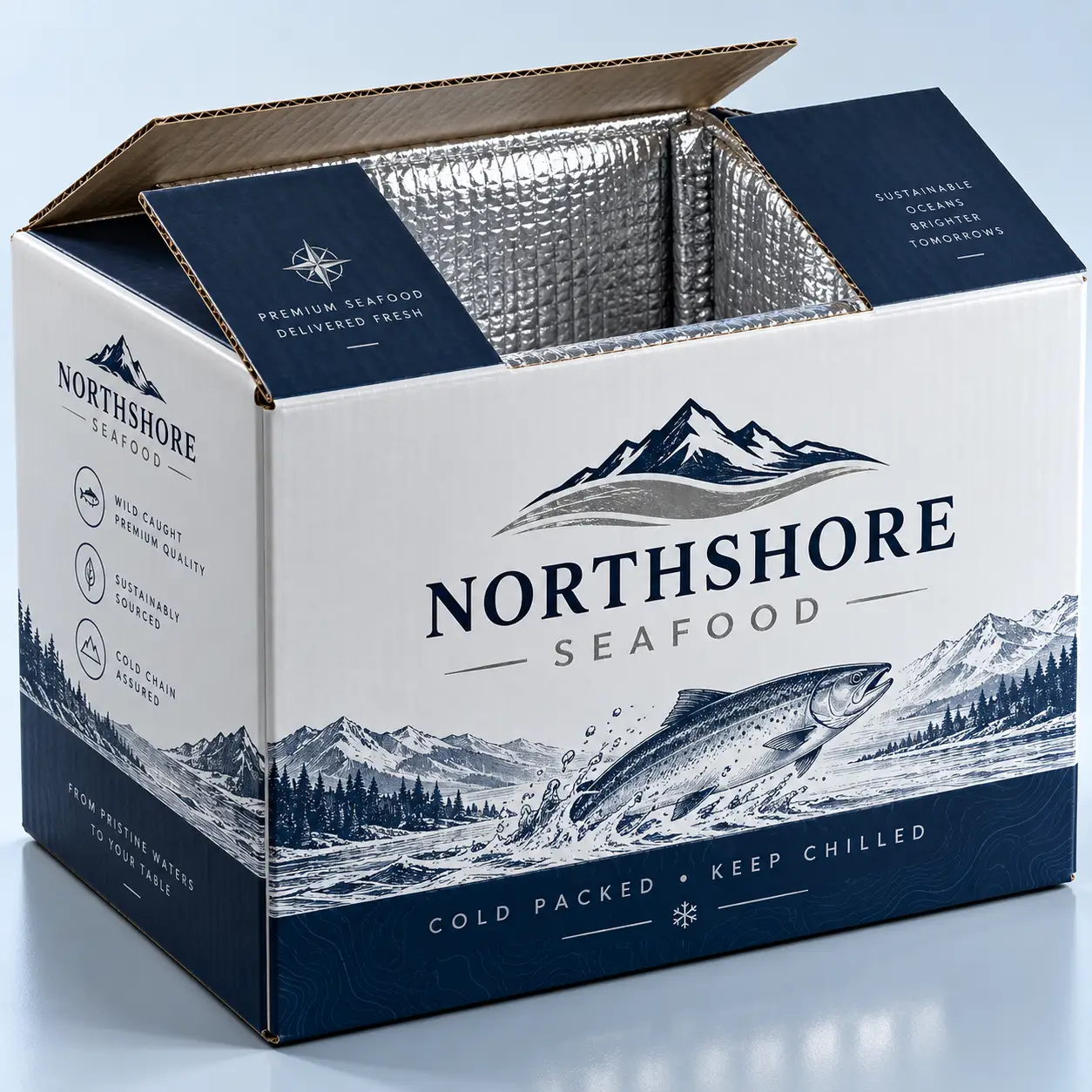
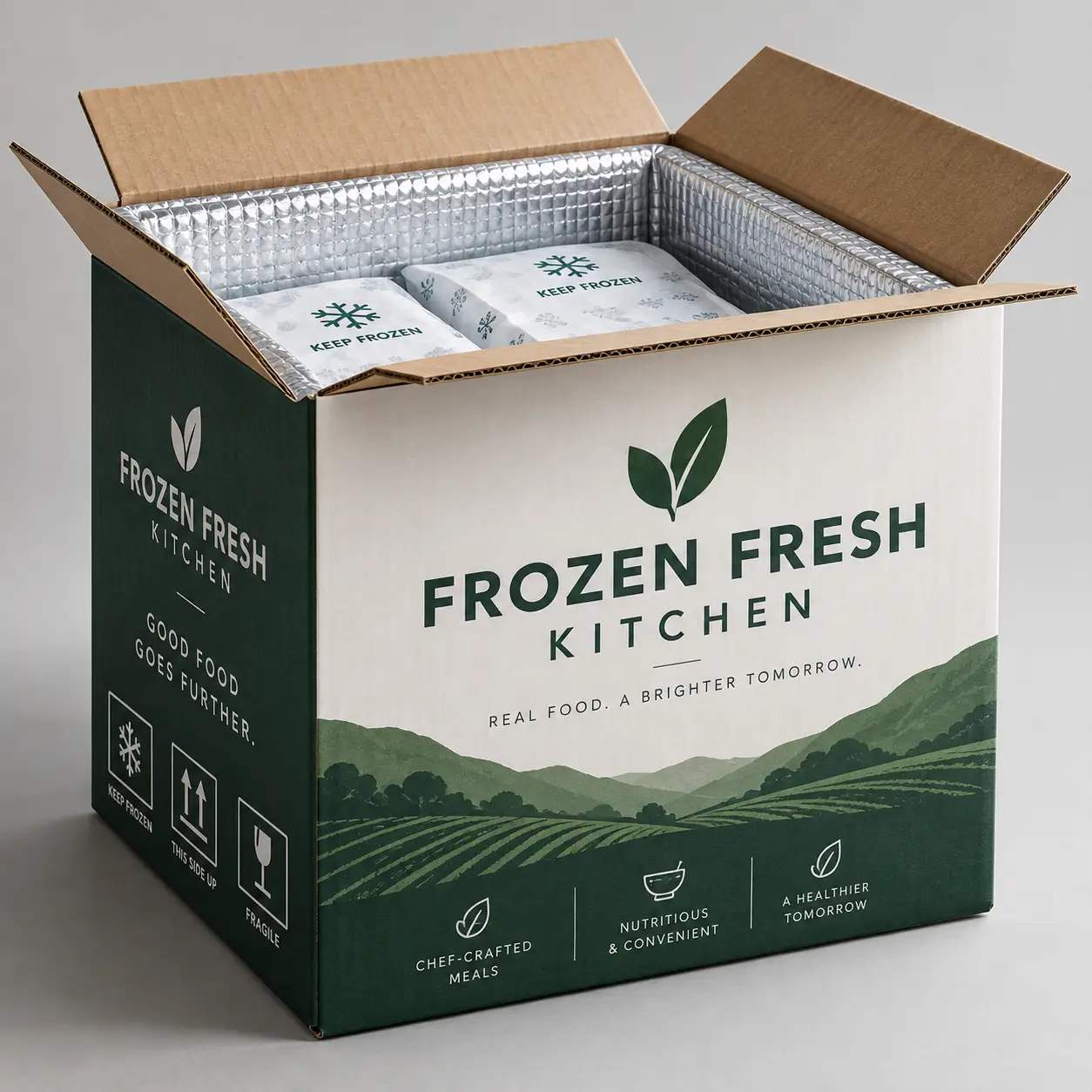
Insulation materials differ in thermal performance, cost, and recyclability, so comparing them helps match packaging to your products.
| Insulation | Key Strengths | Best For |
|---|---|---|
| EPS foam cooler | Strong thermal resistance at low cost | Frozen foods and seafood |
| Metallized bubble or foil liner | Lightweight, flexible, reflects radiant heat | Meal kits and chilled snacks |
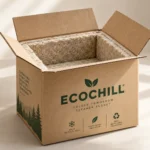
| Paper honeycomb or fiber panels | Curbside recyclable paper-based option | Eco-focused food brands |
| Polyurethane foam | Higher insulation per thickness | Longer transit and premium goods |
| Vacuum insulated panels | Highest performance in thin walls | Pharmaceutical and biologic shipments |
Thermal performance depends on insulation thickness, R-value, box size, coolant amount, and outside temperature. Gel packs suit refrigerated ranges, dry ice keeps frozen goods solid but requires carrier hazmat labeling, and phase change materials hold precise temperatures. Insulated thermal boxes for healthcare products are often validated against thermal test methods such as ISTA guidance, so confirm requirements with your quality team. Brands seeking a greener option can explore paper-based insulation alongside our eco biodegradable boxes, while those shipping chilled bundles can add multi pack sleeves to group items neatly inside.
Meal kit and grocery delivery companies use insulated shippers with metallized liners and ice packs for weekly deliveries. Butchers, ranches, and seafood suppliers ship frozen products with thicker foam and dry ice. Artisan chocolatiers and bakeries need protection during warm months to prevent melting and blooming. Supplement, probiotic, and skincare brands use insulated mailers for heat-sensitive formulations that degrade quickly in summer heat.
Raw pet food companies, specialty cheese makers, and craft beverage producers rely on temperature control for every order. Pharmacies and clinics may ship temperature-sensitive products under their own validated procedures, often adding tamper evident seals for security. Insulated thermal boxes help all of these businesses deliver fresh products and confident customer experiences.
Share your product type, temperature range, dimensions, quantity, and typical transit times. We will recommend insulation, coolant space, and outer box design, then send a digital proof within 24 hours. Start your quote and deliver freshness with every shipment.
Start Your Quote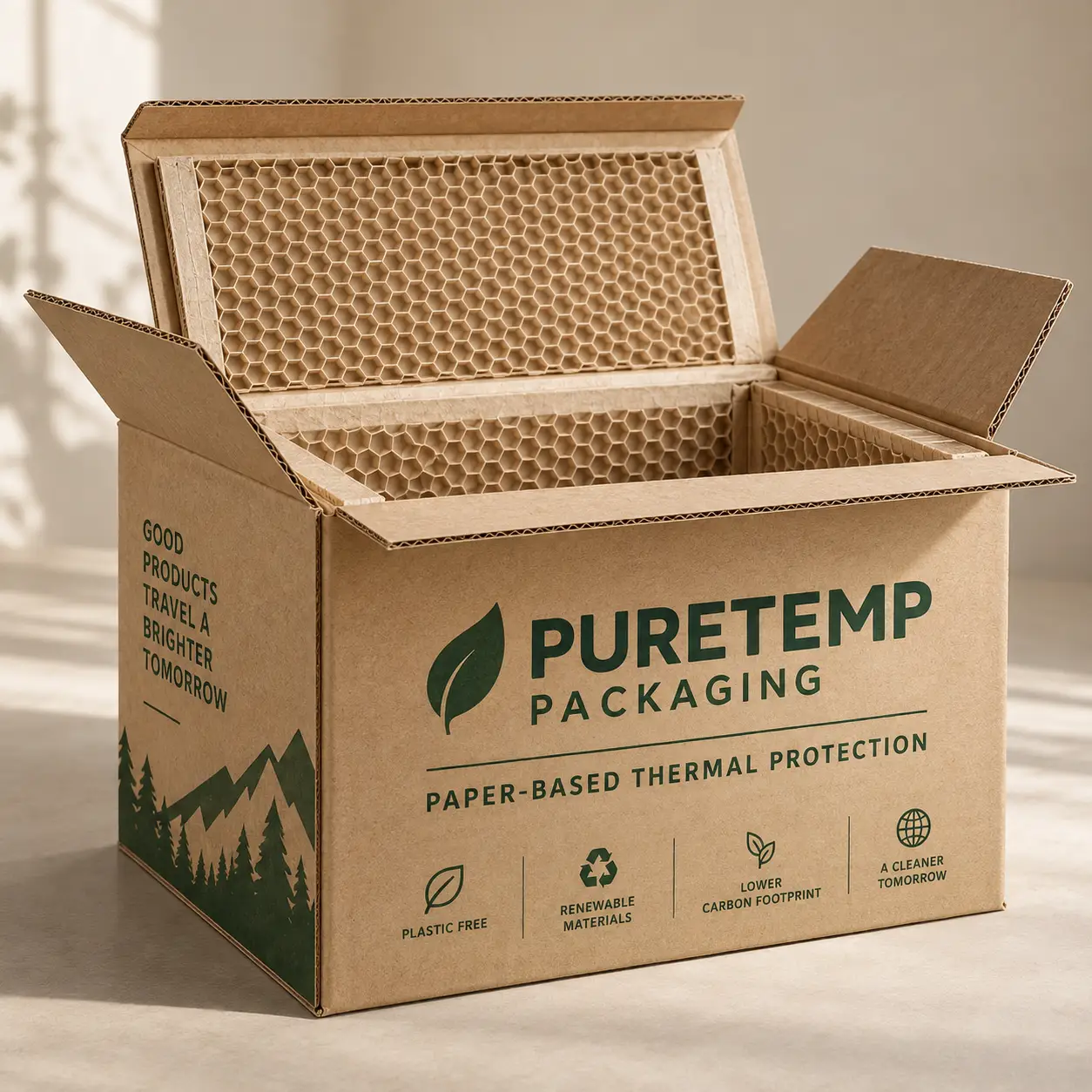
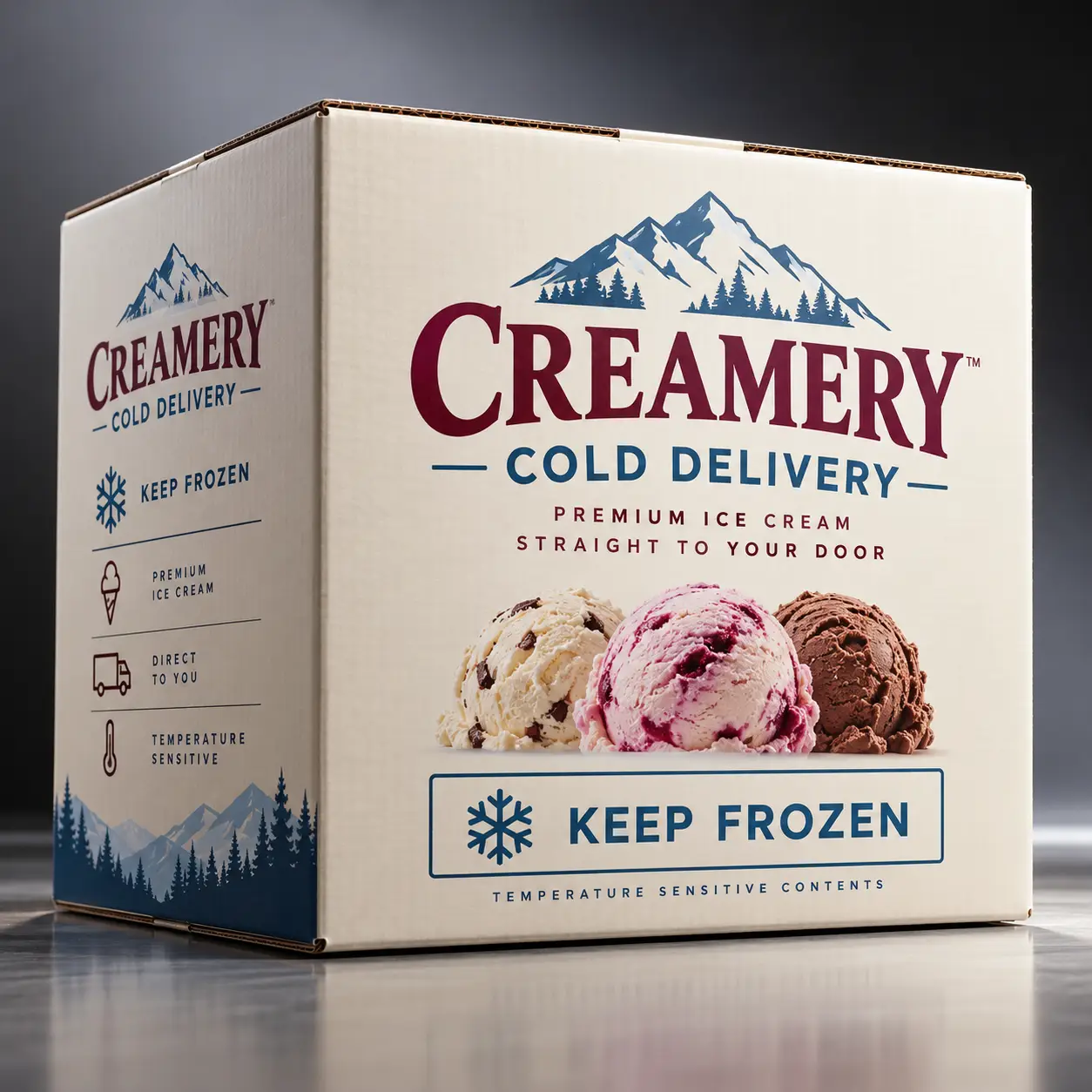
A successful cold chain shipment depends on the packout, meaning how products, insulation, and coolant are arranged inside the box. Cold air sinks, so placing gel packs or dry ice on top of products often improves performance. Filling empty space reduces air movement that speeds warming. Pre-conditioning coolants to the correct temperature before packing makes results more consistent and predictable.
Seasonal testing is essential. Packaging that performs well in winter may fail in summer heat, so many brands use a lighter summer and winter packout with different coolant amounts. Testing a packed sample with an inexpensive temperature data logger shows how long products stay in range. Outer cartons can carry full-color branding, handling instructions, and keep refrigerated messages, while interiors share recipes or storage tips.
Every order of insulated thermal boxes includes material guidance, fit checks, and print inspection before shipping. Request a free sample from The Packaging Masters and run your own temperature test with real products before approving full production.
Performance depends on insulation type and thickness, coolant amount, box size, and outside temperature. Many shippers are designed for 24 to 72 hours of transit. Testing a packed sample with a temperature data logger under real seasonal conditions shows exactly how your packaging performs.
Gel packs suit refrigerated products that must stay cool but not frozen, such as meal kits and chocolate. Dry ice keeps frozen foods solid but requires carrier hazmat labeling and venting. Phase change materials hold precise temperature ranges for sensitive health and specialty products.
It depends on the insulation. Paper honeycomb and fiber-based liners are often curbside recyclable, while EPS foam is harder to recycle in many areas. Pairing paper insulation with ink-free embossed branding helps you balance cold chain performance with environmental goals.
Yes. Corrugated outer cartons carry full-color branding, handling instructions, and storage messages. Some brands add premium touches such as metallic foil accents on gift shippers, turning cold chain packaging into a memorable branded experience customers appreciate on arrival at their door.
Yes. Gourmet chocolate, cheese, cured meat, and baked goods ship well in insulated gift packaging. Pair them with presentation boxes or our reusable magnetic boxes inside the shipper for an elegant gifting experience that also keeps contents fresh in transit.
We supply insulated packaging components that healthcare businesses can validate under their own procedures. Pharmaceutical shipments often follow strict thermal testing and regulatory requirements, so confirm specifications with your quality and compliance teams before choosing materials and packouts for regulated products.
Pricing depends on insulation type, size, printing, and quantity. Insulated thermal boxes start around $1.85 per unit at higher volumes. Metallized liners usually cost less than thick foam coolers, while vacuum panels and validated systems cost significantly more for demanding shipments.
Most insulated packaging orders ship within 10 to 14 business days after proof approval. Custom foam molds and specialty liners may require extra time. Share your launch date and shipping season early so we can plan testing and production to meet your deadline.
Instead of generic stock boxes, every project starts with your product, your goals, and your customer experience — so the packaging protects in transit and still feels premium in hand.
Built to your product, not pulled from a shelf of ready-made sizes.
Strong structures, neat edges, and finishes that actually sell.
Businesses and individuals can order — start with a small run and scale when you’re ready.
4–5 business days production after proof approval — you always know what’s next.
Copyright © 2026 thepackagingmasters.com All rights reserved.