
01
Finalize your design
Sizes, materials, finishes, and artwork are locked in. You review the proof carefully and approve when every detail matches your brief.
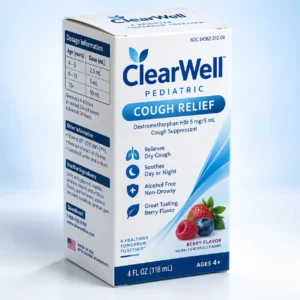
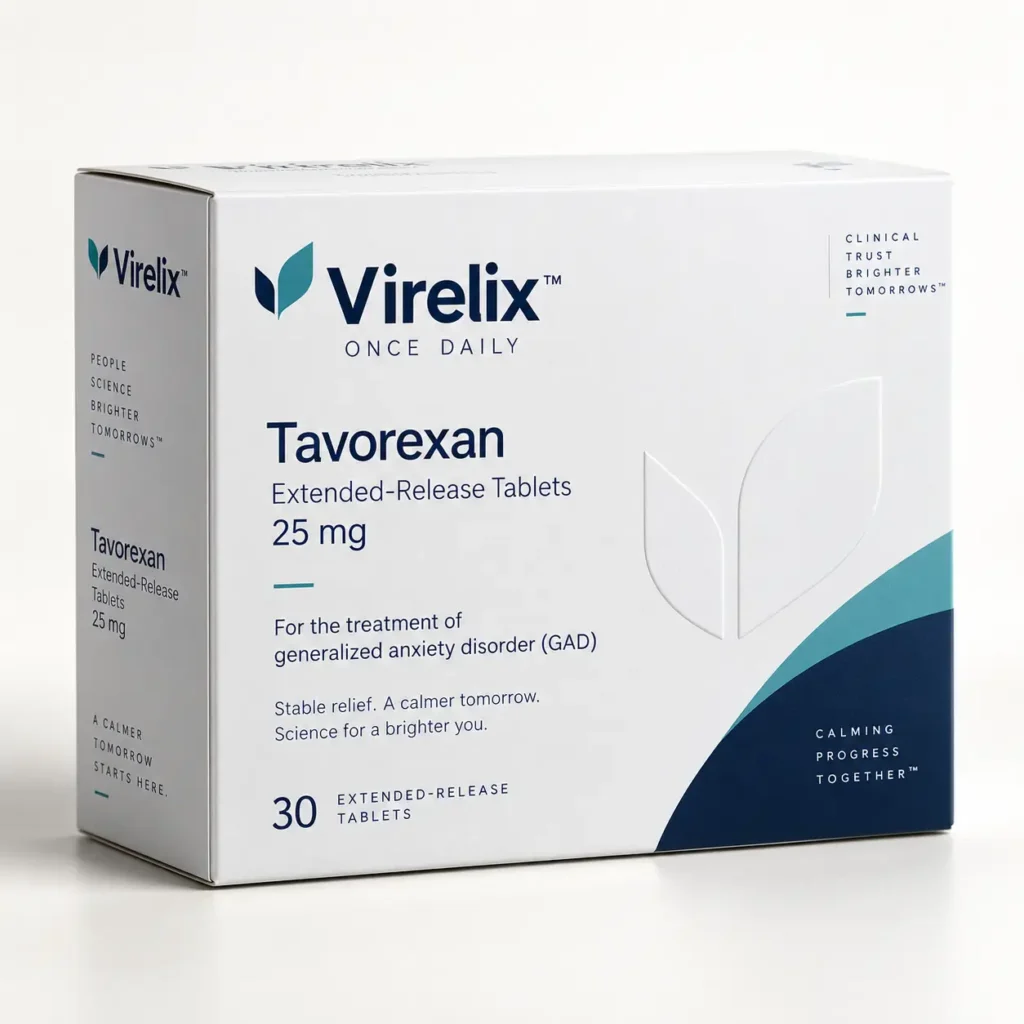
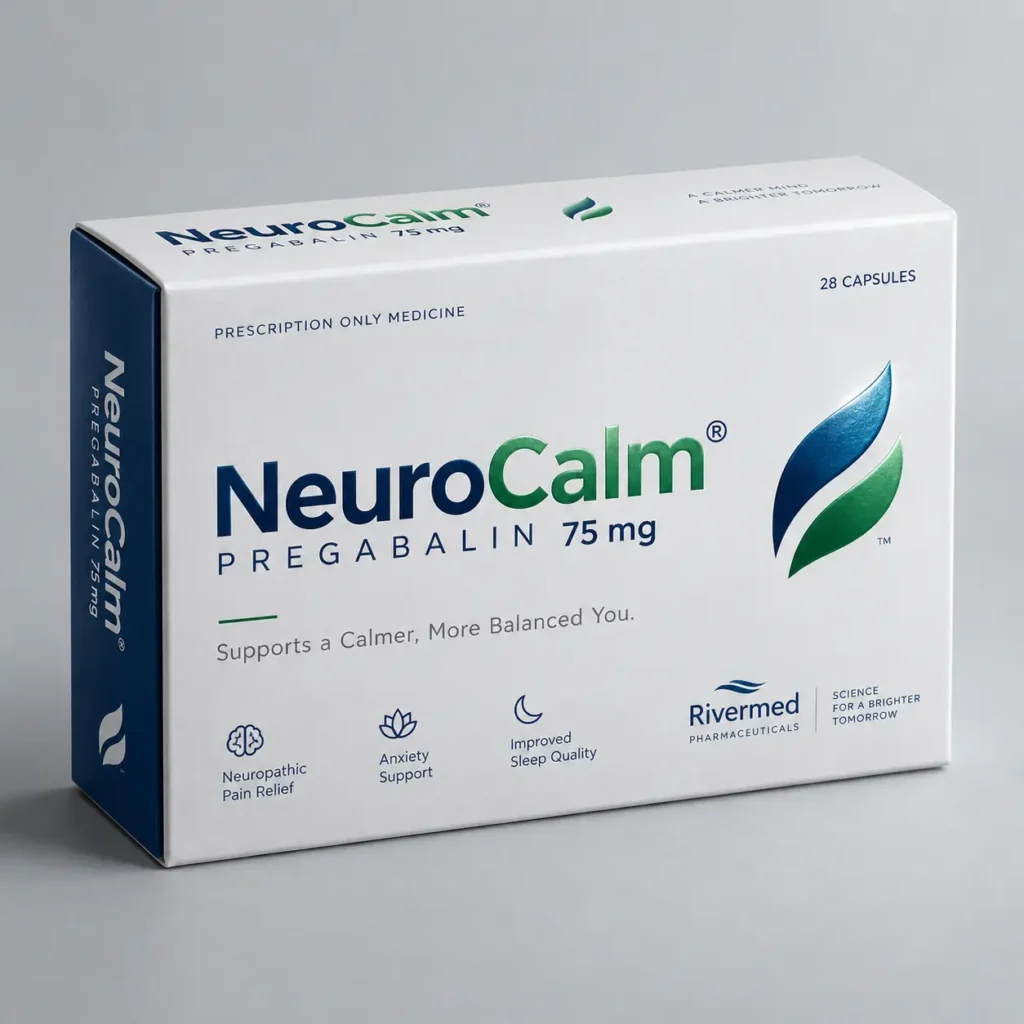
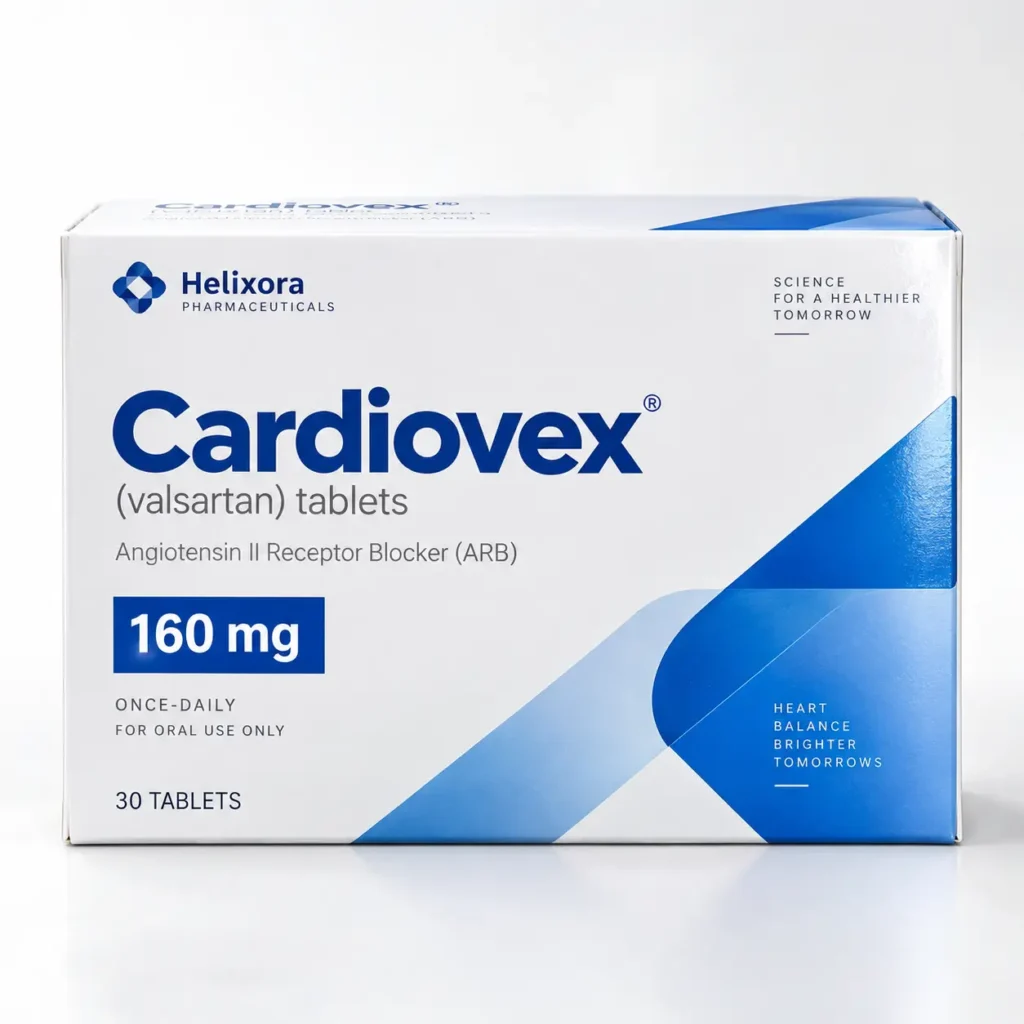
Picture a caregiver sorting six different medications at the kitchen table. Medicine pill packaging boxes that look almost identical make that job risky, while clear names, distinct colors, and calendar-printed blisters help the right tablet reach the right person at exactly the right time, every single day.
The Packaging Masters designs tablet and capsule cartons with mix-up-resistant layouts, leaflet space, and coding zones for lot and expiry. They pair with prescription bottle cartons and child-resistant blister wallets for safer dispensing.
What Makes Us Different?

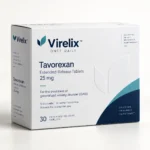
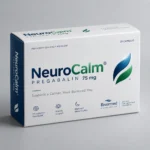
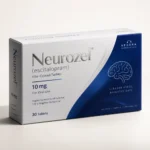
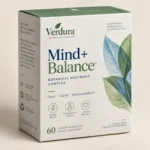
From approval to doorstep — handled end to end.
Every order runs through four specialist teams — structural design, print, finishing, and dispatch — so your packaging keeps moving without bottlenecks, delays, or guesswork.
Sizes, materials, finishes, and artwork are locked in. You review the proof carefully and approve when every detail matches your brief.
Your job moves to print, cutting, lamination, and finishing. Our production team monitors color, registration, and structural accuracy.
Finished boxes are checked against the approved sample, counted, and securely packed to protect edges and print during transit.
Dispatch shares tracking details so your team can plan filling and launch dates. Your packaging arrives press-ready and production-ready.
Medication errors often begin with packaging that looks too similar. When two strengths of the same tablet share a carton design with only a small number changing, busy pharmacy staff and tired patients can grab the wrong one. Drug names that look alike create the same risk, which is why many manufacturers use mixed-case emphasis on the differing letters of similar names.
Fit problems are next. Blister cards that slide inside an oversized carton bend, crack their foil backing, and push pills through before anyone opens the box. Patient leaflets folded too thick jam the closure or tear. A sealed carton also matters, showing that nobody opened it before purchase, as our tamper-evident pharma packaging explains.
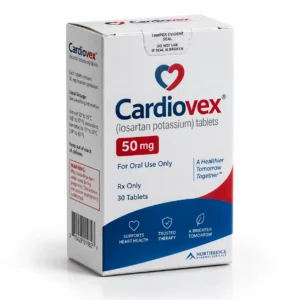
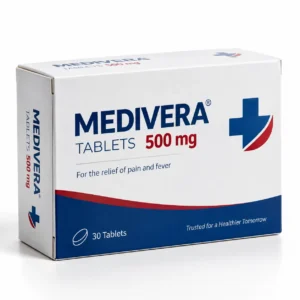
Well-designed medicine pill packaging boxes use distinct colors or bands for each strength, a snug blister fit, and space for leaflets and lot codes. For brands serving visually impaired patients or European markets, tactile text like our braille medicine cartons adds another layer of safety.


Tablets and capsules reach patients in a few standard formats. The best carton depends on dose frequency, patient needs, and how the product is dispensed.
| Format | Best For | Carton Focus |
|---|---|---|
| Blister card carton | OTC tablets and unit doses | Exact card count and snug fit |
| Bottle carton | Larger counts and capsules | Secure base and leaflet space |
| Calendar wallet | Daily regimens and adherence | Printed days and clear dosing order |
| Unit-dose pack | Hospitals and long-term care | Individual identification per dose |
Calendar wallets are the gap most suppliers skip. Printing days of the week beside each blister makes it obvious whether today’s dose was taken, which helps older adults and caregivers. Research studies use similar adherence layouts in our clinical trial packaging. We size every carton around your actual blister card or bottle with physical samples, then check that leaflets fit without bending the foil.
Generic manufacturers need cartons that look professional, differentiate strengths clearly, and run efficiently on cartoning lines. OTC brands package pain relief, allergy, sleep, and digestive tablets that compete on crowded shelves. Repackagers and long-term care pharmacies use unit-dose and calendar formats for residents who take several medicines daily.
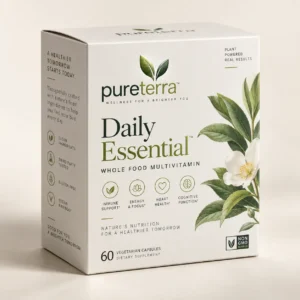
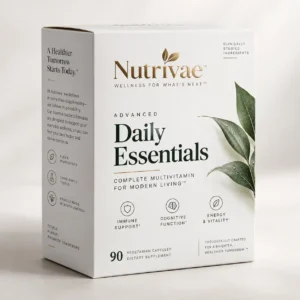
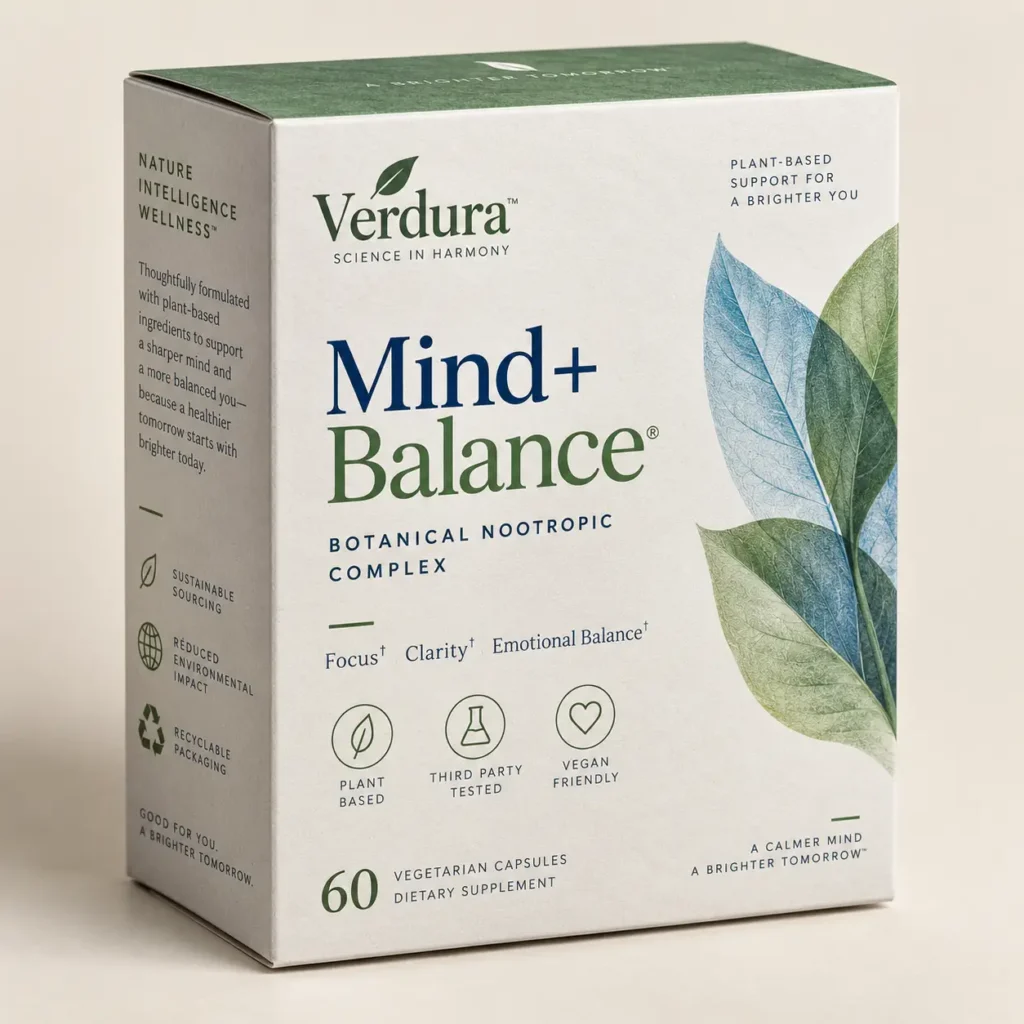
Supplement brands use similar structures for capsules and softgels, often building their range alongside our vitamin packaging boxes. Prescription and OTC labeling rules differ, and some products need child-resistant packaging, so confirm requirements with your regulatory adviser before final artwork. We build the carton layout around their approved content.
Tell us your blister size, pill count, and quantity. We will recommend a carton style, color system, and leaflet fold, then send a digital proof within 24 hours. Request your quote today and launch medicine pill packaging boxes that help every patient take the right dose.
Start Your Quote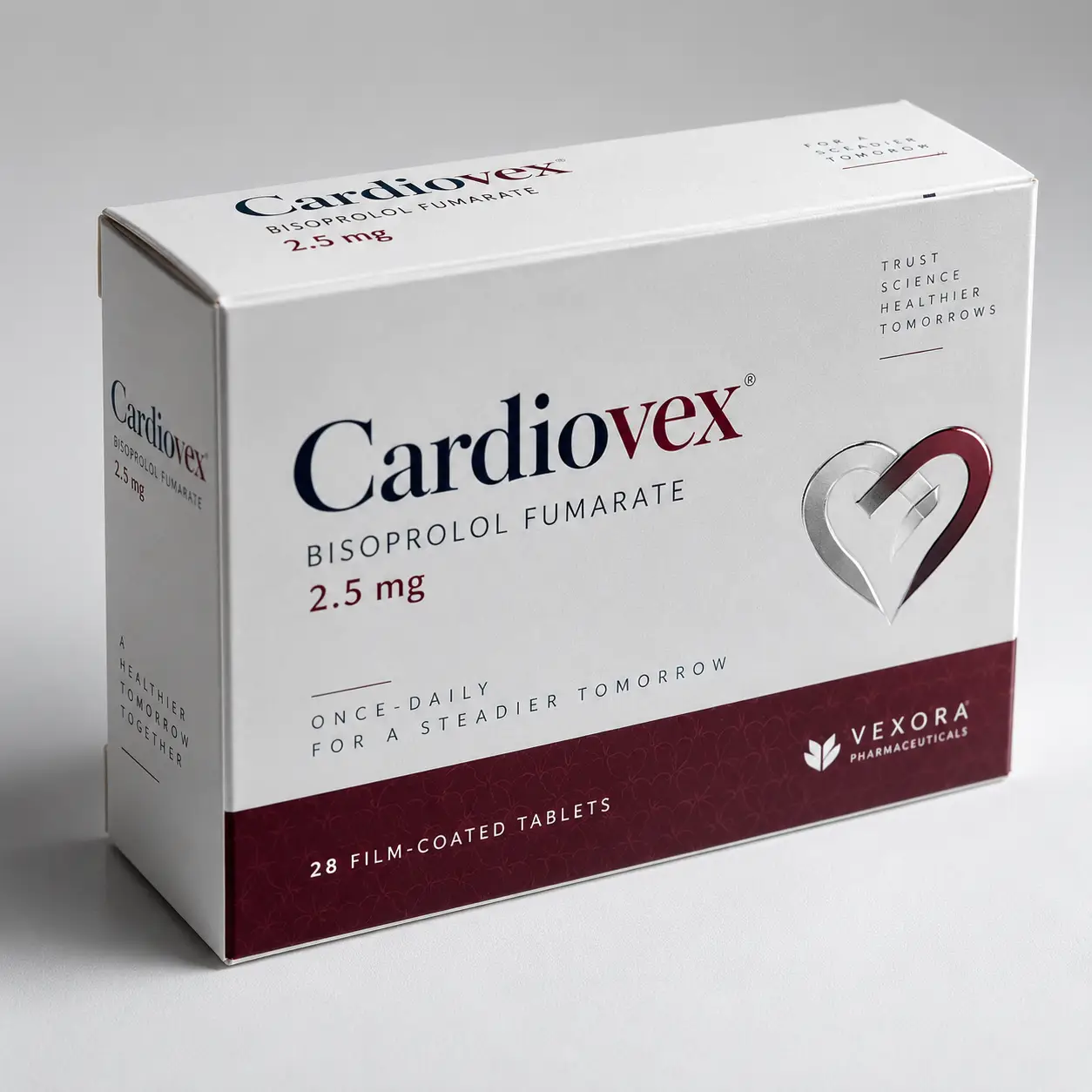
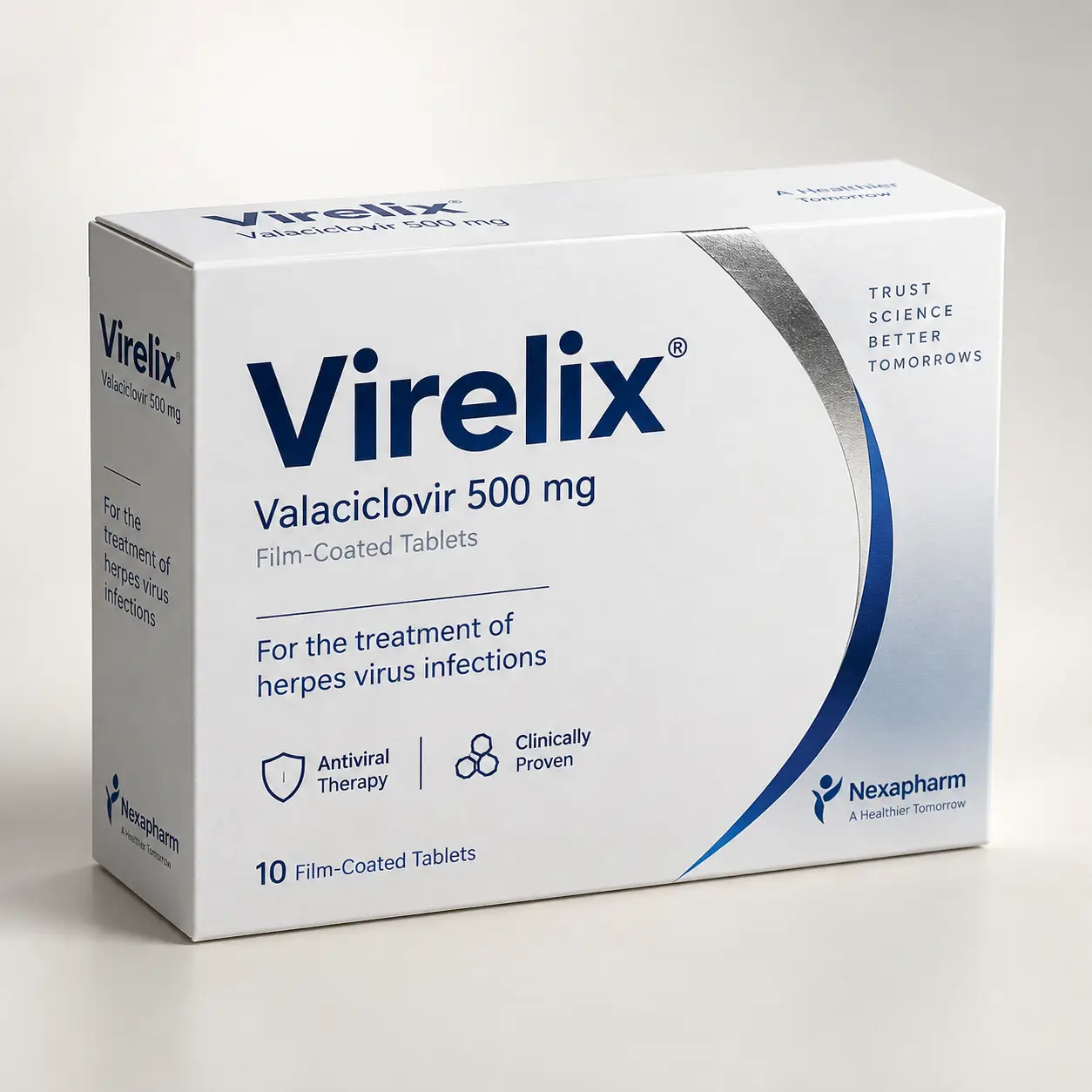
Straight and reverse tuck cartons are the most common choice for blister packs, while heavier bottles benefit from crash lock bases like our auto lock pharmaceutical boxes. Many brands run cartons on semi-automatic or automatic cartoners, so grain direction, glue placement, and tolerances should be checked early.
A simple color system makes a big difference. Assign each strength its own color band, keep the strength number large on several panels, and avoid relying on color alone so color-blind users can still tell products apart. Matte coatings reduce glare on small dosage text.
Every order of medicine pill packaging boxes includes free design support, custom sizes, and quality checks on blister fit, color accuracy, and coding areas. Request a free sample from The Packaging Masters and run it on your cartoning line before approving production. A short line trial catches fit and feed issues early.
Measure the blister card length, width, and thickness, then multiply thickness by the number of cards per carton. Medicine pill packaging boxes need a little clearance for the leaflet and easy loading. We confirm final dimensions with physical samples using your real blisters.
Use distinct colors or bands for each strength, keep the strength large and repeated on several panels, and emphasize the differing letters of look-alike names. Avoid near-identical layouts across products, and test cartons side by side under pharmacy lighting before printing.
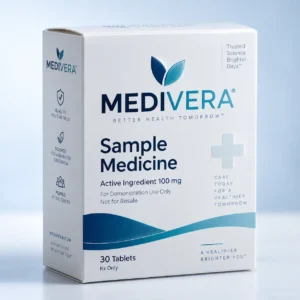
Yes. Physician samples and trial packs often hold just one small blister card or a few tablets. Our sample medicine boxes show compact formats that match your full-size design, so patients easily recognize the product when they later fill a full prescription.
Yes. Paperboard cartons with aqueous coatings and no plastic windows are widely recyclable. Our eco friendly pharma cartons explain FSC and recycled board options, though blister cards themselves usually combine plastic and foil and are recycled separately or not at all.
Yes. Travel-size pain relief, allergy, and antacid packs sell very well at checkout. Our counter display pharma boxes show compact displays for this purpose, and we size your carton so several fit neatly, stay upright, and face shoppers directly at the register.
Many prescription products include a patient leaflet or medication guide, and some OTC products include extra information inside. We size the carton interior around the folded leaflet thickness so it slides in without crushing blisters. Your regulatory team confirms what must be included.
Custom tablet cartons start around $0.15 per unit at volume. Pricing depends on size, board, printing colors, coatings, inserts, and quantity. Several strength versions add very little cost with digital printing. We send detailed wholesale quotes within 24 hours, with lower pricing at volume.
Printed tablet cartons usually ship in about 10 to 15 business days after proof approval. Calendar wallets, braille, or special finishes may take longer. Rush options are available, and we confirm your full timeline in the quote, including delivery to your facility.
Instead of generic stock boxes, every project starts with your product, your goals, and your customer experience — so the packaging protects in transit and still feels premium in hand.
Built to your product, not pulled from a shelf of ready-made sizes.
Strong structures, neat edges, and finishes that actually sell.
Businesses and individuals can order — start with a small run and scale when you’re ready.
4–5 business days production after proof approval — you always know what’s next.
Copyright © 2026 thepackagingmasters.com All rights reserved.