
01
Finalize your design
Sizes, materials, finishes, and artwork are locked in. You review the proof carefully and approve when every detail matches your brief.
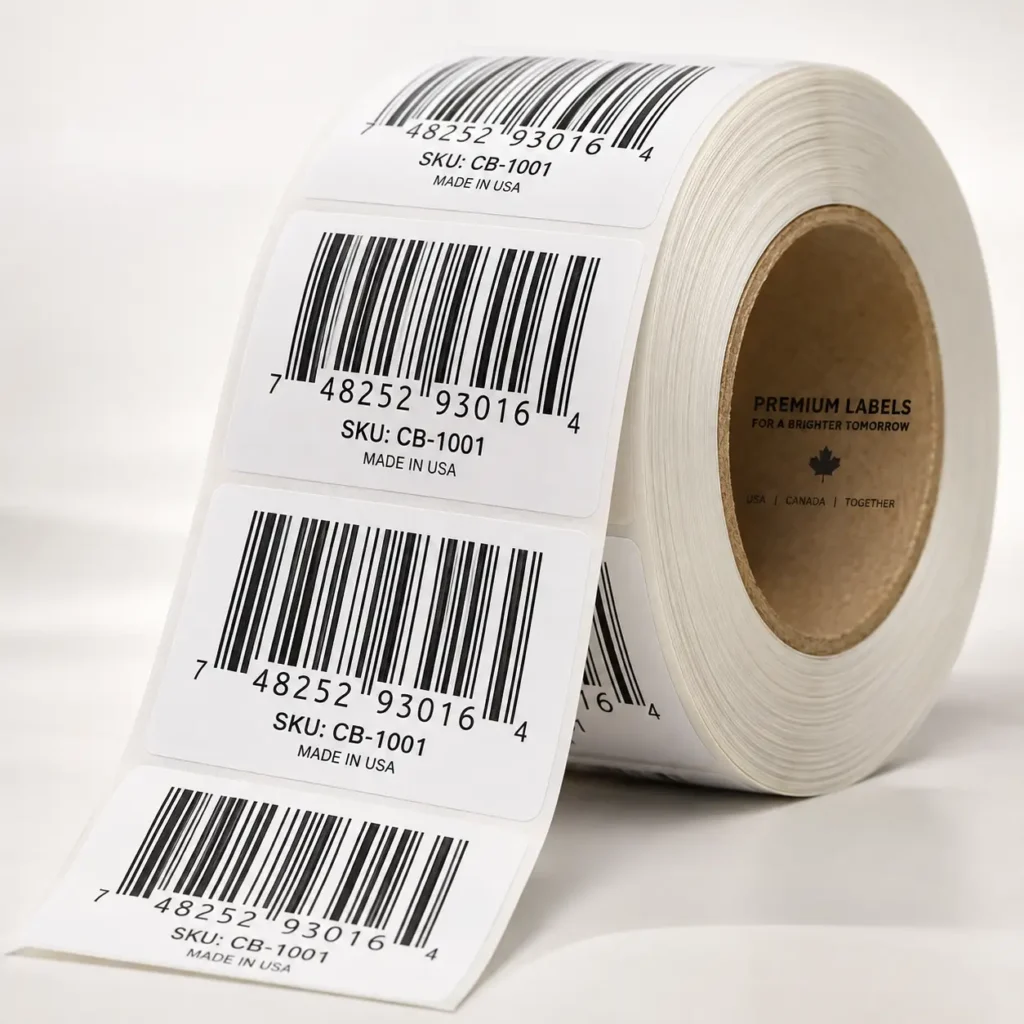
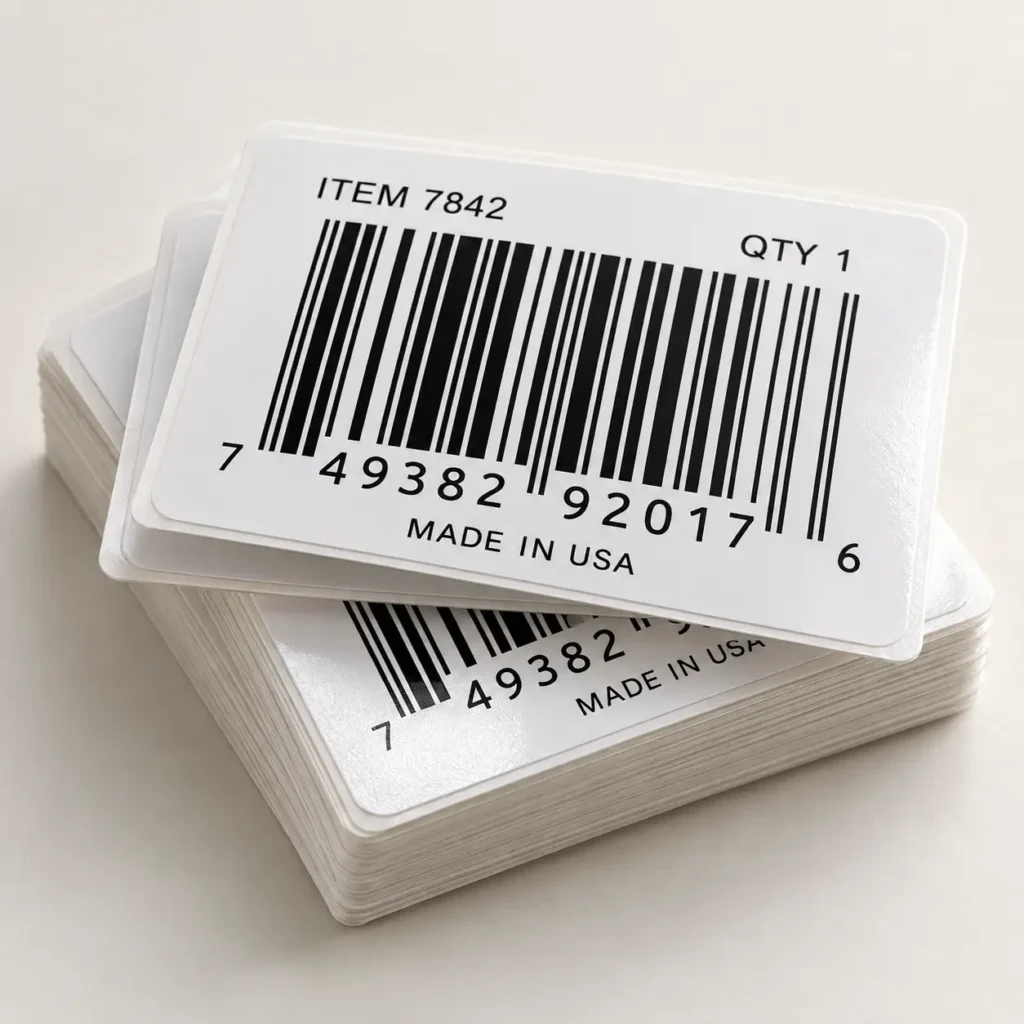
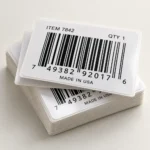
A barcode that will not scan costs you a sale at the register, a lost carton in the warehouse, or a rejected shipment at a retailer’s dock. Custom barcode stickers have to print sharp bars, hold their quiet zones, and stay attached through handling, cold storage, and shipping.
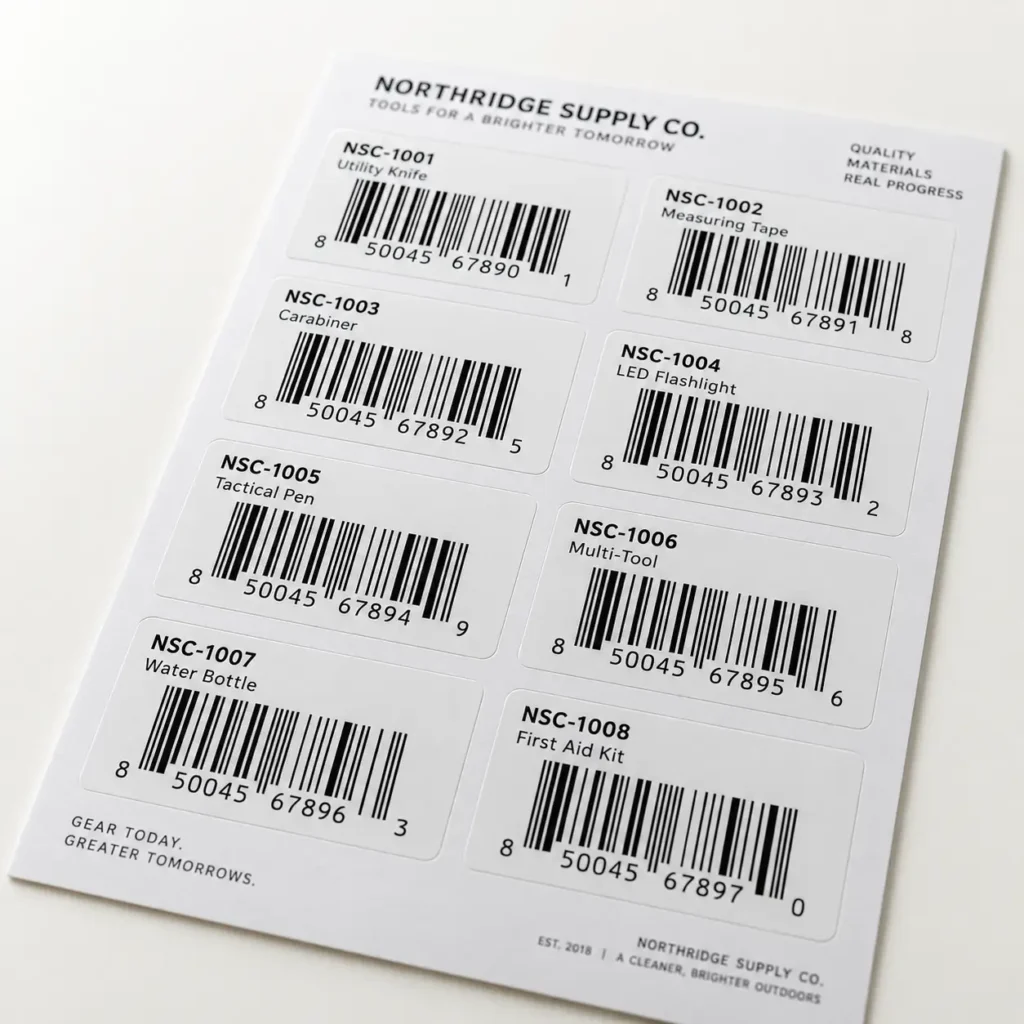
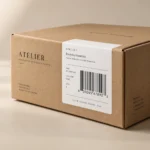
The Packaging Masters prints UPC, EAN, SKU, and serialized barcode labels on paper, BOPP, and polyester with scan-ready contrast. They pair well with QR code labels and printed sticker rolls for faster packing lines.
What Makes Us Different?

From approval to doorstep — handled end to end.
Every order runs through four specialist teams — structural design, print, finishing, and dispatch — so your packaging keeps moving without bottlenecks, delays, or guesswork.
Sizes, materials, finishes, and artwork are locked in. You review the proof carefully and approve when every detail matches your brief.
Your job moves to print, cutting, lamination, and finishing. Our production team monitors color, registration, and structural accuracy.
Finished boxes are checked against the approved sample, counted, and securely packed to protect edges and print during transit.
Dispatch shares tracking details so your team can plan filling and launch dates. Your packaging arrives press-ready and production-ready.
Most barcode problems are print problems. When bars spread or blur, scanners misread the ratio between narrow and wide elements and the register beeps an error. Reducing a UPC below its recommended size, cropping the bar height, or squeezing artwork into the white margin on each side, called the quiet zone, causes the same failure. Low contrast is another trap: red bars, kraft backgrounds, and metallic stocks may look stylish but are often hard for red-light scanners to read.
Adhesion matters just as much. A label that lifts on a curved jar, condenses in a freezer, or scuffs during shipping becomes unscannable long before the product sells. That is why custom barcode stickers should be planned around the surface, temperature, and handling, just like our branded product labels and shipping and packaging stickers.
We print black bars on bright white or clear stock, protect the quiet zone, and keep the bar width within the range your retailer expects. Before production, we check each barcode file and recommend a test scan on your own equipment, so your labels move through checkout, receiving, and fulfillment without delays.
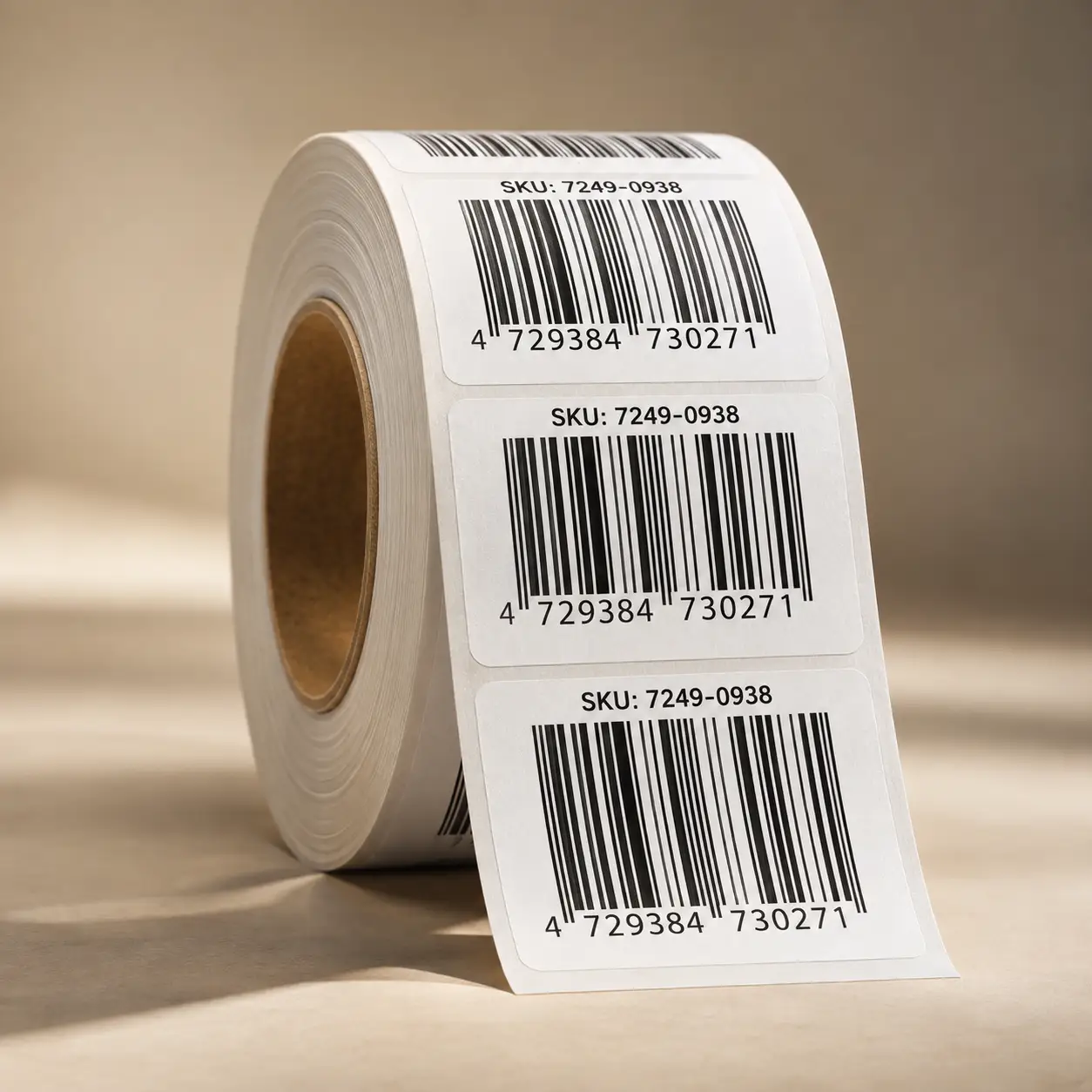
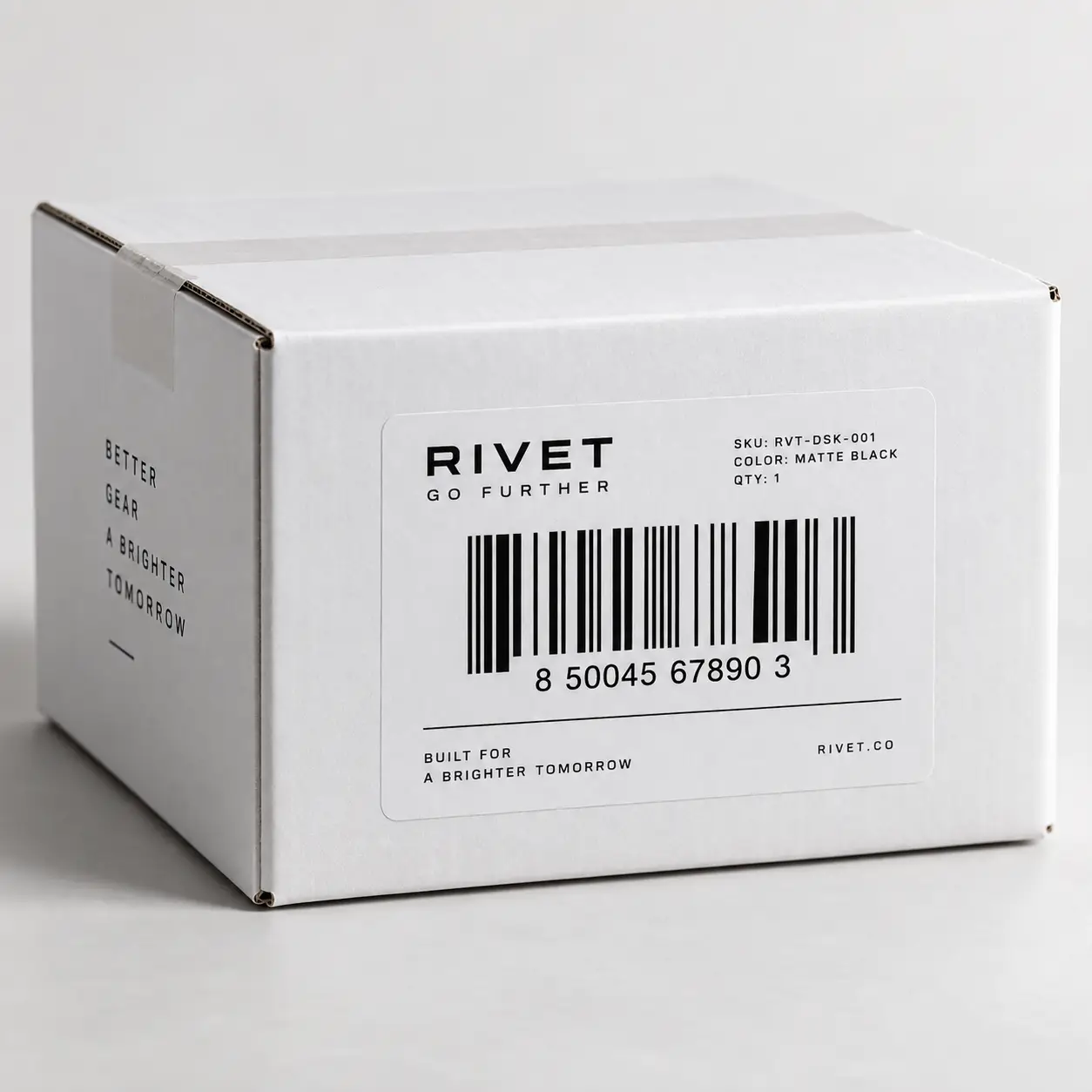
Different barcodes do different jobs, and choosing the wrong one creates problems at retail or in the warehouse.
| Symbology | Common Use | Note |
|---|---|---|
| UPC-A | US retail point of sale | Uses a GS1 company prefix |
| EAN-13 | International retail | Common for exports to Europe and Asia |
| Code 128 | Shipping, SKU, and inventory | Encodes letters and numbers compactly |
| Code 39 | Asset tags and industrial parts | Simple and widely supported |
| QR Code | Marketing and product information | Readable with smartphone cameras |
| Data Matrix | Small parts and healthcare | Stores data in tiny spaces |
Retail UPC numbers are normally licensed through GS1 US, and many retailers have their own placement and size rules, so confirm requirements with your buyer or a GS1 adviser before you print. Most custom barcode stickers for warehouse use rely on Code 128, printed on permanent adhesive labels that stay put on corrugated cartons and plastic totes. Paper works for dry indoor shelves, BOPP resists moisture and oils, and polyester handles abrasion and chemicals in harsh environments.
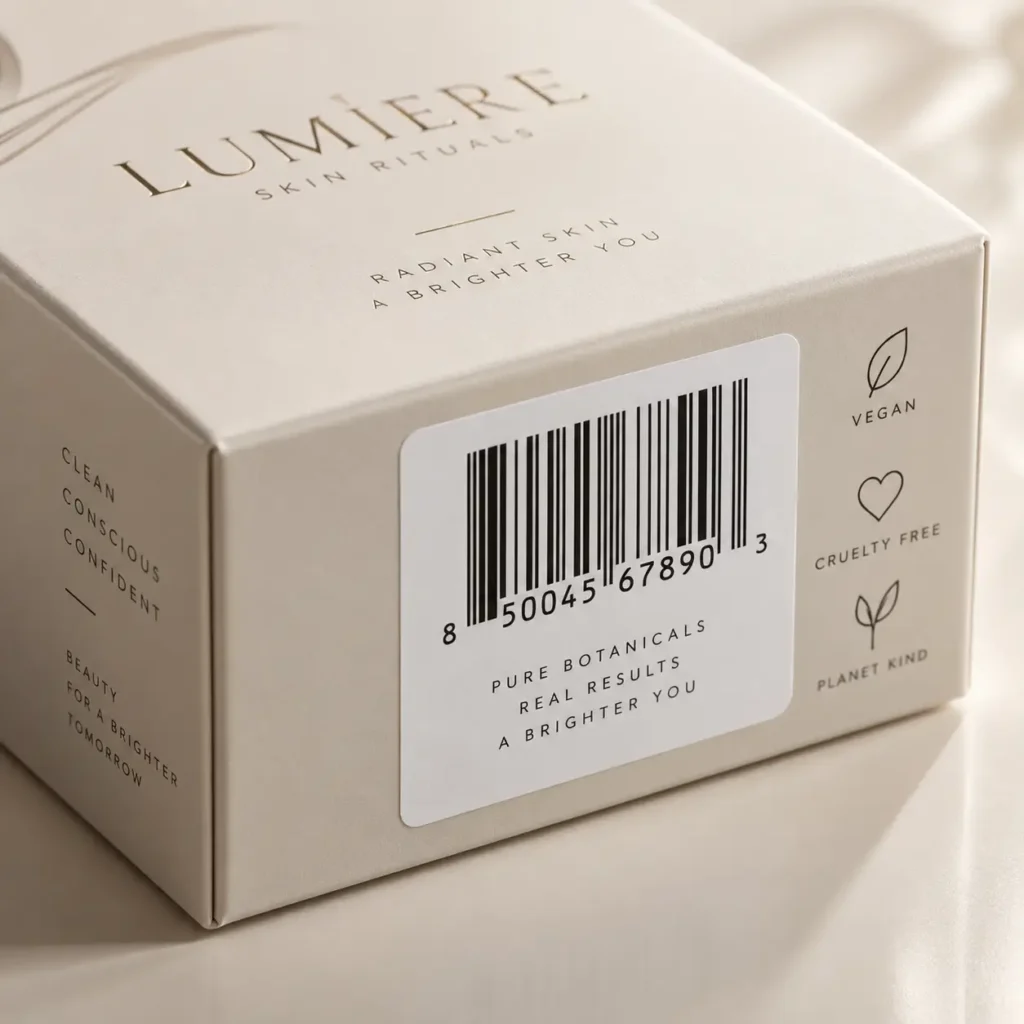
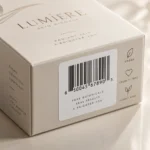
Consumer brands need UPC labels that sit neatly on bottles, pouches, and boxes without hiding their design. Amazon and marketplace sellers often need FNSKU and carton labels that match fulfillment center rules. Warehouses rely on location, bin, and pallet labels that scan from a distance, while manufacturers track work in progress, serial numbers, and finished goods. Libraries, schools, and IT teams use asset tags to keep track of books, laptops, and equipment.
Food and beverage producers face cold, wet conditions, so their custom barcode stickers often use BOPP film with a freezer grade adhesive, similar to our waterproof stickers. Brands that apply labels by machine order them on rolls with the correct core size, unwind direction, and gap between labels.
Tell us your barcode type, label size, quantity, surface, and whether you need sequential numbering or variable data. We will recommend a material and adhesive, check your codes, and send a digital proof within 24 hours. Start your quote today and get barcode labels that scan the first time, every time.
Start Your Quote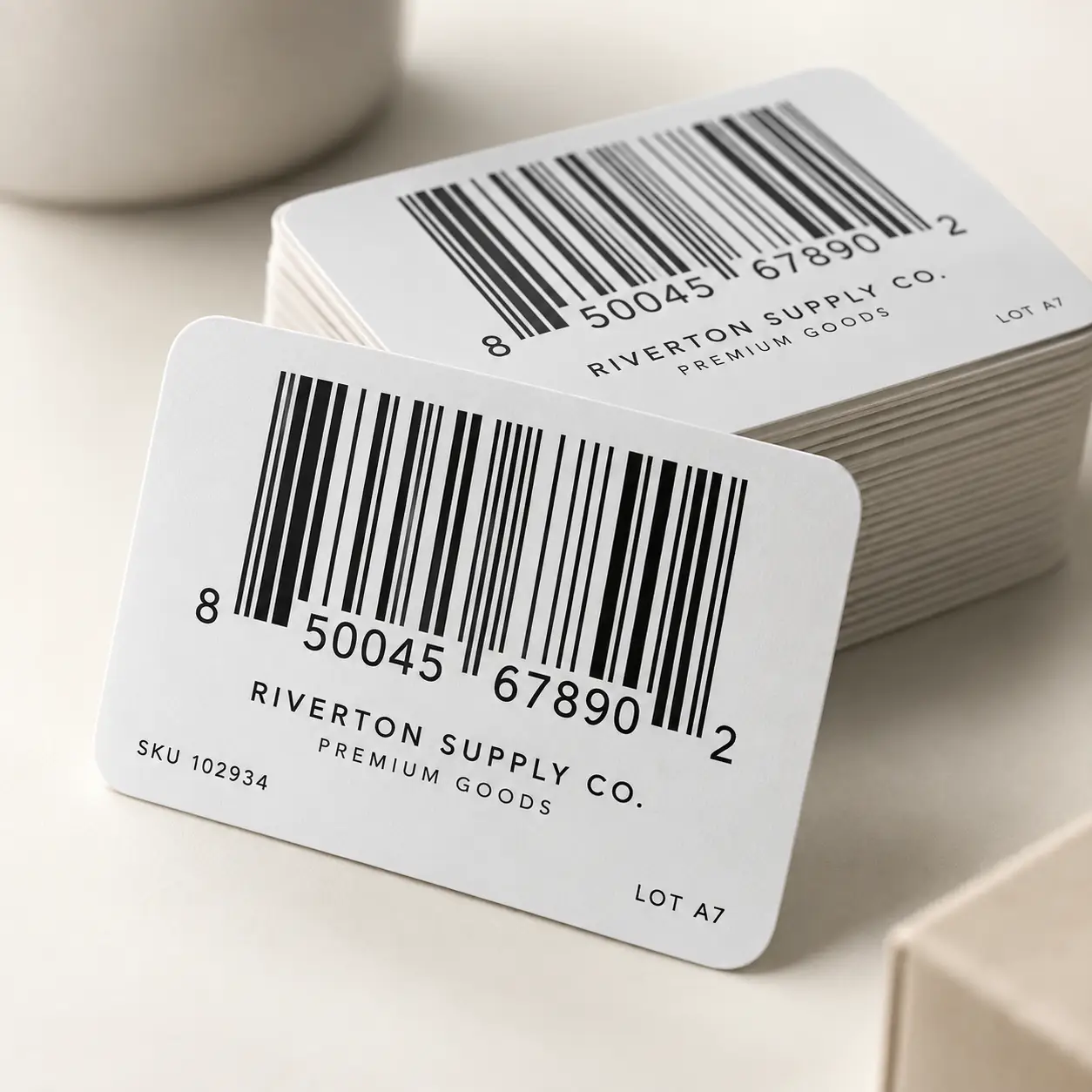
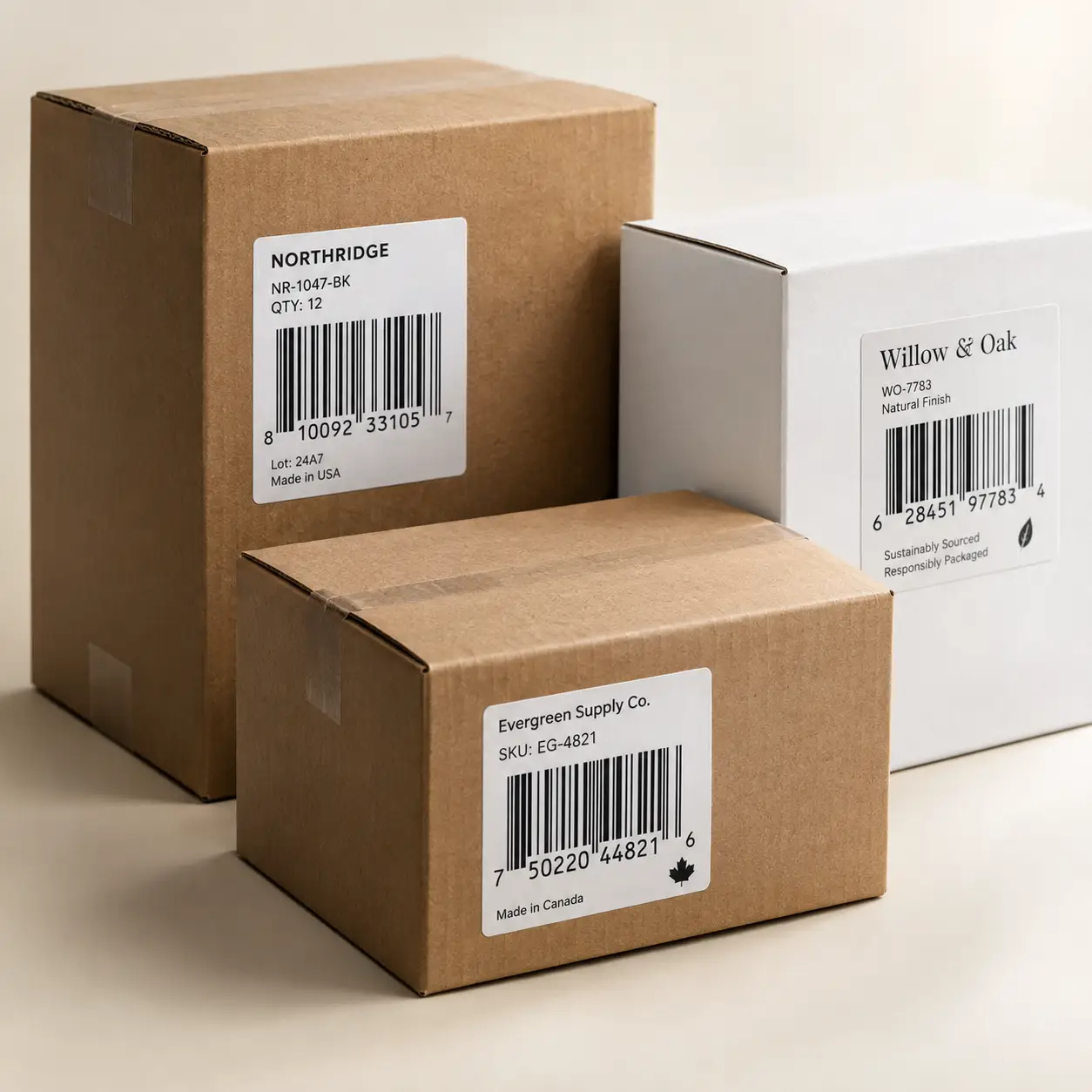
The best barcode label is the one that is still readable at the end of the product’s life. Coated paper is economical for dry goods and short shelf times. White BOPP film resists water, oils, and refrigeration, while polyester handles abrasion, heat, and chemicals for asset tags and industrial parts. A matte or gloss laminate protects printed bars from scuffing, and matte finishes reduce glare that can confuse some scanners.
If you print barcodes in house, we supply blank or pre-printed rolls ready for thermal transfer or direct thermal printers. Direct thermal labels are fine for short-term shipping, but they fade with heat and light, so thermal transfer with a wax or resin ribbon is better for long-term use. For temporary price changes or reusable totes, our removable labels peel away cleanly.
Every order of custom barcode stickers includes free artwork checks, custom sizes, and quality inspection of bar edges and print contrast. Request a free sample from The Packaging Masters and run it through your own scanners before approving production.
Custom barcode stickers identify products and assets so scanners can read them instantly. Retailers use UPC and EAN codes at checkout, warehouses use Code 128 for SKUs and locations, and offices use asset tags for equipment. Each use needs the right size, material, and adhesive to scan reliably.
In the United States, UPC numbers are usually licensed from GS1 US, which assigns a company prefix tied to your brand. Some retailers reject numbers bought from resellers, so confirm requirements with your retail buyer or a GS1 adviser. Send us your numbers or files and we will print them.
Yes. Variable data printing lets us add sequential serial numbers, unique codes, or data from your spreadsheet to every label in one run. This is ideal for asset tags, lot tracking, and serialized products. Clean formats like our rectangle labels leave room for readable text beneath the bars.
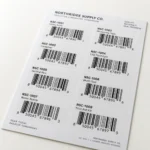
Rolls suit label printers and automatic applicators, and we match core size and unwind direction to your equipment. Sheets work well for small batches applied by hand or printed in office laser printers. Our sticker sheets explain layouts that keep multiple barcode sizes organized on one page.
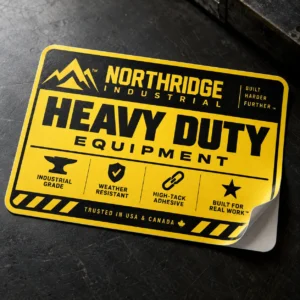
Polyester with a laminate and a strong permanent adhesive is the usual choice for harsh conditions, chemicals, and abrasion. For tools, machinery, and equipment exposed to heat or weather, our heavy duty labels explain tougher constructions. Confirm temperature ranges and surface type with us before ordering for best results.
GS1 guidance allows UPC codes to be scaled within a set range around a nominal size of roughly one and a half inches wide. Shrinking bars or trimming their height can cause scan failures. Check your retailer's specifications, and we will keep the quiet zones and proportions intact on every label we print.
Pricing depends on size, material, quantity, and whether each label carries variable data. Simple printed barcode labels start around $0.04 per unit at higher volumes, while polyester asset tags cost more. Larger runs lower the unit price significantly, so request a quote with your exact specifications for accurate pricing.
Most barcode label orders ship in about 7 to 10 business days after proof approval. Rush production is available for urgent launches and replenishment. Variable data orders may need an extra day for file checks, so send your spreadsheet early and we will confirm the schedule with your proof.
Instead of generic stock boxes, every project starts with your product, your goals, and your customer experience — so the packaging protects in transit and still feels premium in hand.
Built to your product, not pulled from a shelf of ready-made sizes.
Strong structures, neat edges, and finishes that actually sell.
Businesses and individuals can order — start with a small run and scale when you’re ready.
4–5 business days production after proof approval — you always know what’s next.
Copyright © 2026 thepackagingmasters.com All rights reserved.