
01
Finalize your design
Sizes, materials, finishes, and artwork are locked in. You review the proof carefully and approve when every detail matches your brief.
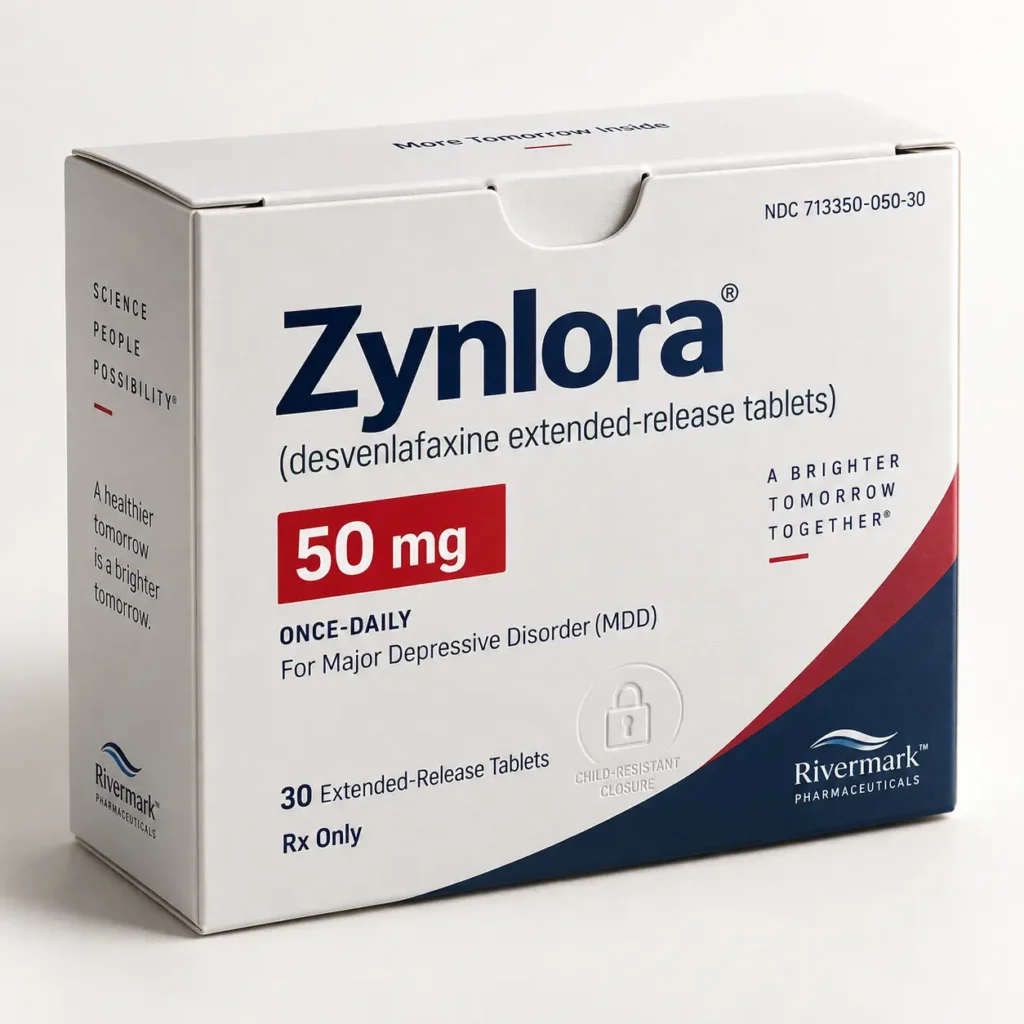
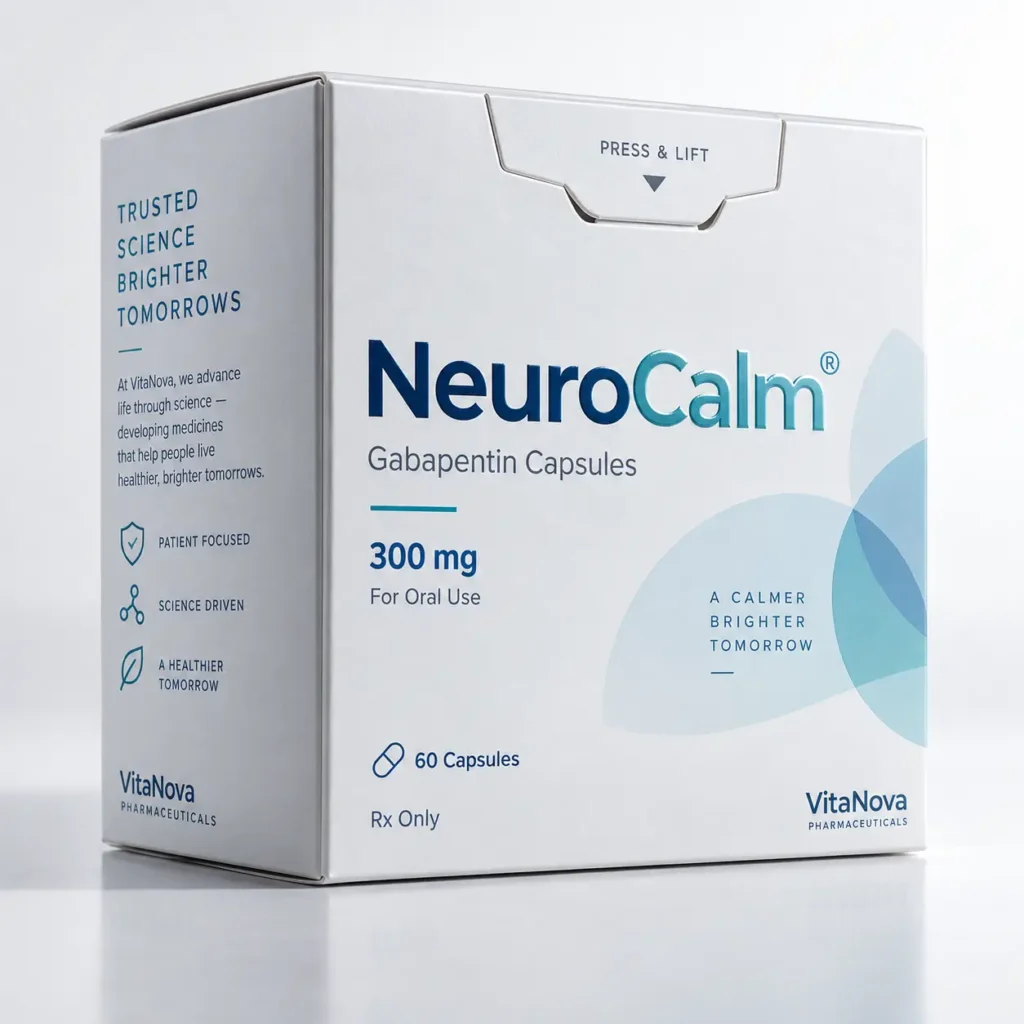
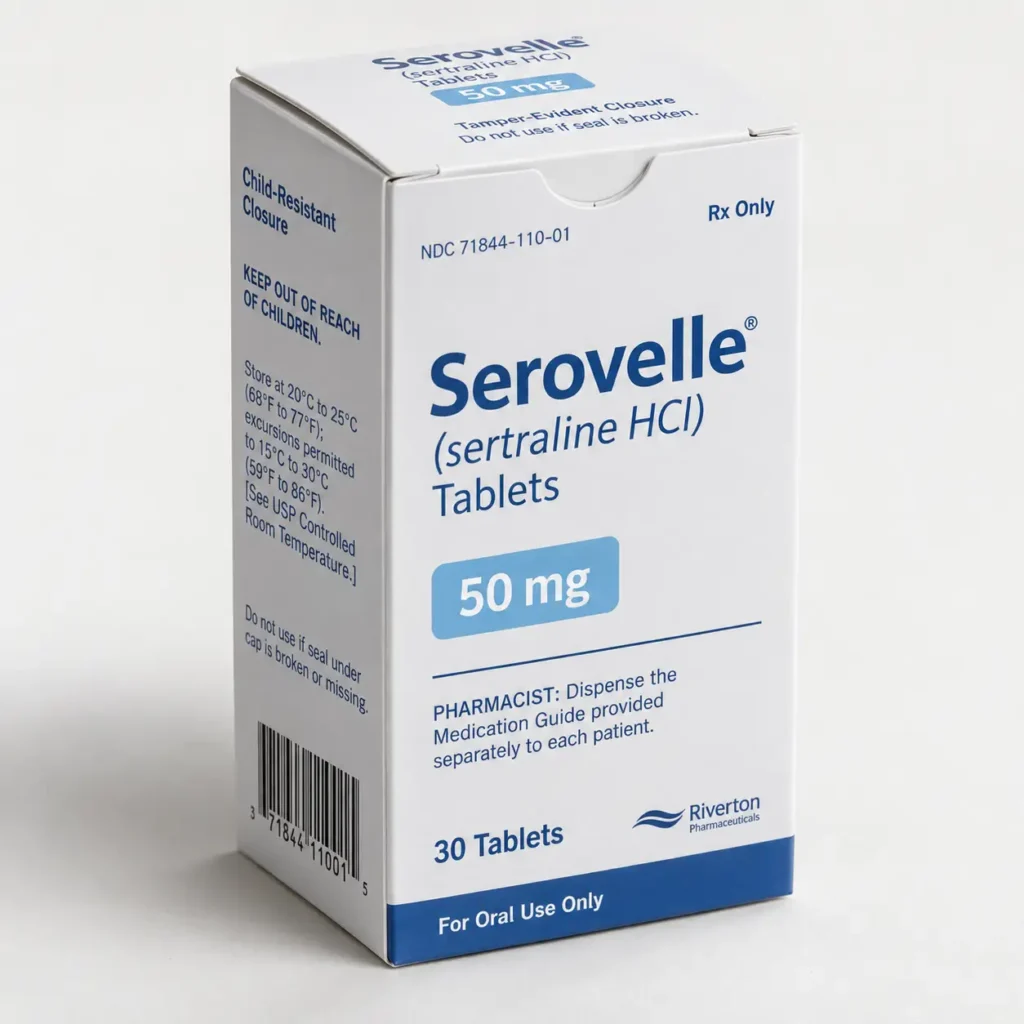
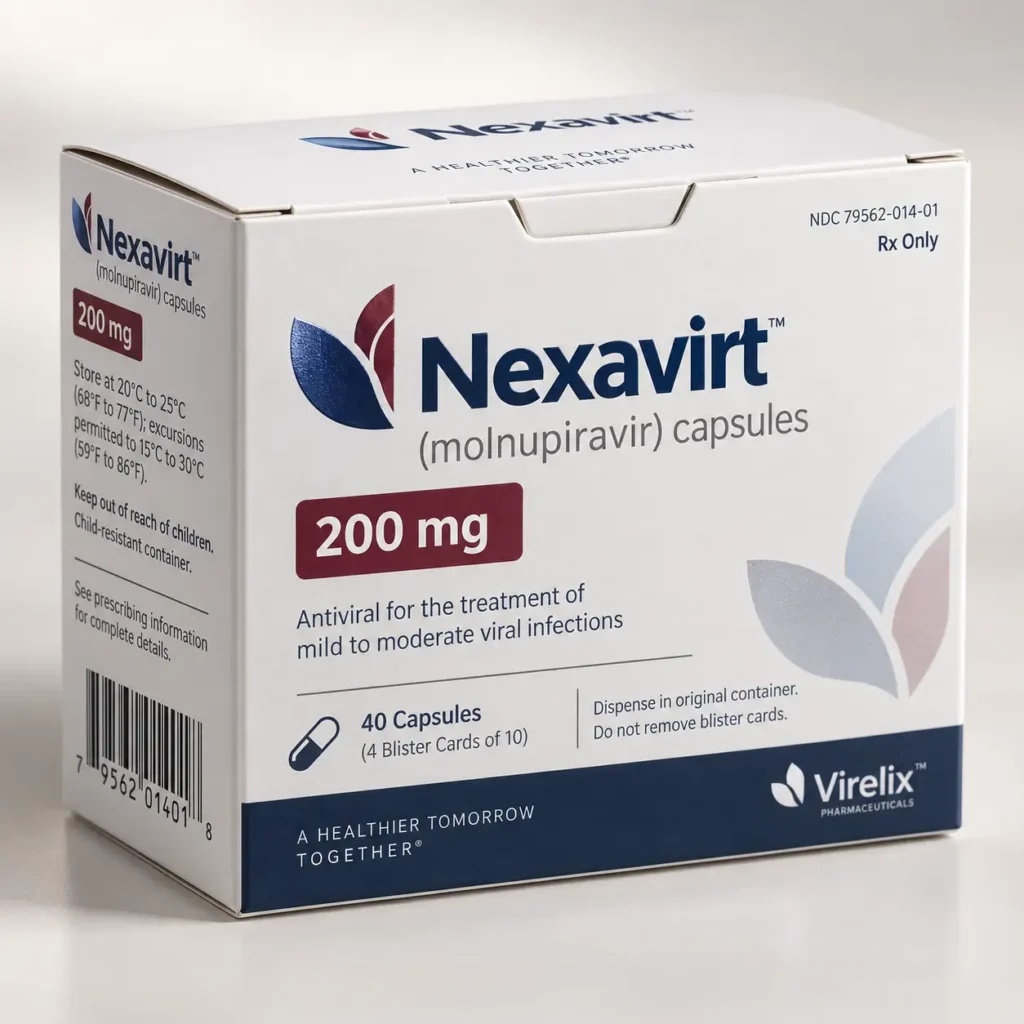
What stops a curious four-year-old from opening a carton of tablets? Child resistant pharma boxes use locking sleeves, hidden release buttons, and tough tear-resistant board that small, determined hands cannot defeat, while adults and seniors can still open them without scissors, knives, or frustration at the kitchen table.
The Packaging Masters develops paperboard CR cartons designed for independent third-party laboratory testing under the federal protocol in 16 CFR 1700. They work alongside blister and tablet cartons and tamper-evident seals for layered protection.
What Makes Us Different?
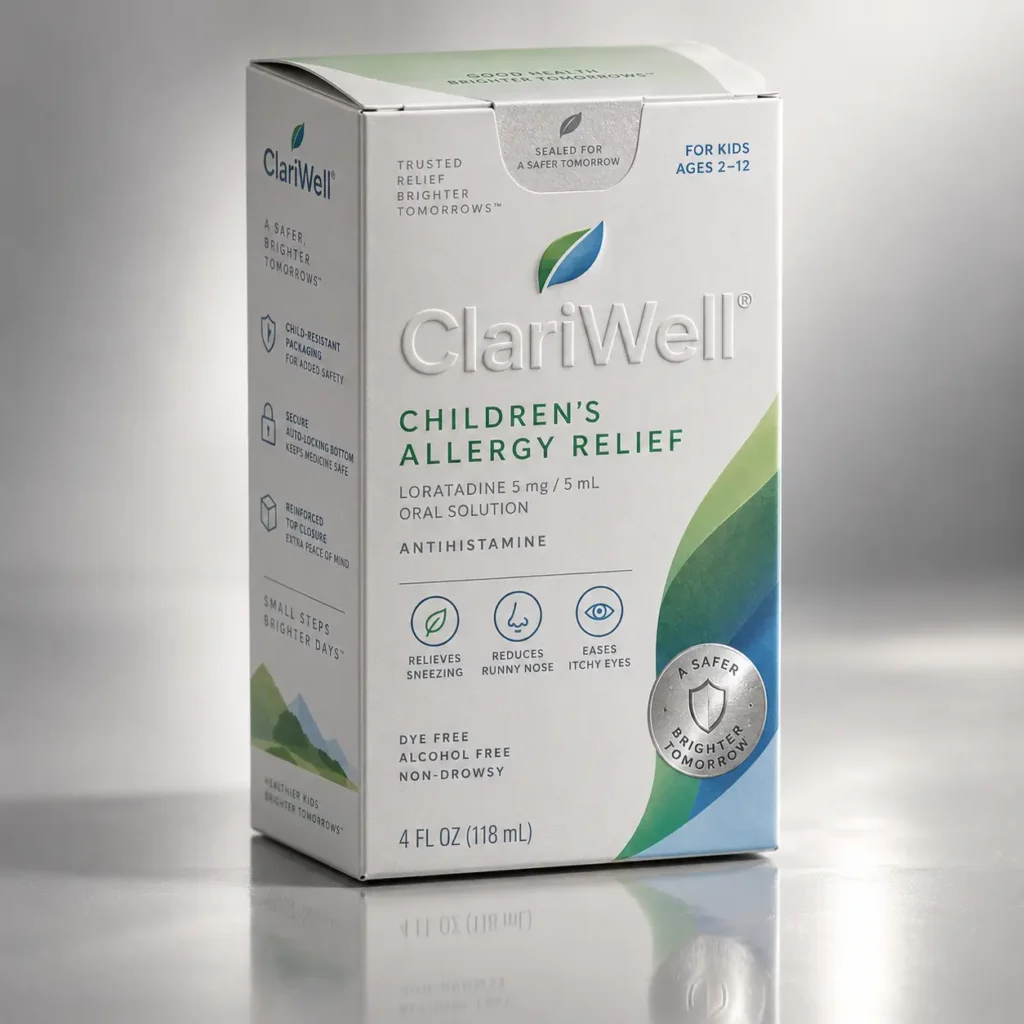
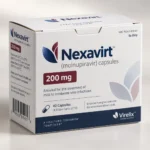
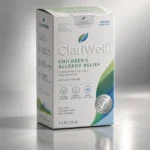
From approval to doorstep — handled end to end.
Every order runs through four specialist teams — structural design, print, finishing, and dispatch — so your packaging keeps moving without bottlenecks, delays, or guesswork.
Sizes, materials, finishes, and artwork are locked in. You review the proof carefully and approve when every detail matches your brief.
Your job moves to print, cutting, lamination, and finishing. Our production team monitors color, registration, and structural accuracy.
Finished boxes are checked against the approved sample, counted, and securely packed to protect edges and print during transit.
Dispatch shares tracking details so your team can plan filling and launch dates. Your packaging arrives press-ready and production-ready.
Child resistance is a balancing act. A carton that keeps toddlers out but also defeats grandparents fails in a different way. Seniors who cannot open a box may leave it unlocked, transfer pills to unmarked containers, or cut the carton apart, which removes both the safety feature and the dosage information.
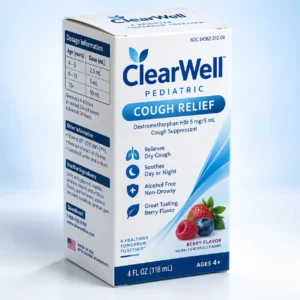
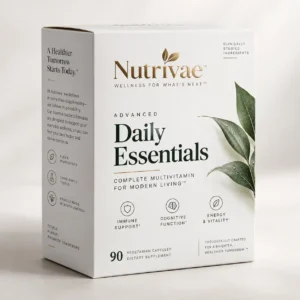
Weak board is the other common problem. Children often skip the lock entirely and simply tear a corner or chew through a thin panel. Effective cartons use tear-resistant board, reinforced locking tabs, and closures that relock automatically when pushed shut. Iron-containing supplements are a well-known example where child-resistant packaging is expected, so brands often coordinate with our vitamin carton designs.
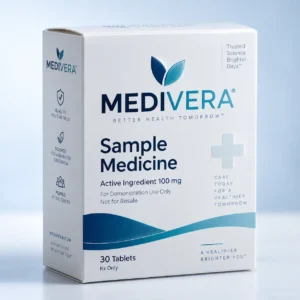
One more misunderstanding causes trouble. Child resistance is certified for a complete package configuration, not for a box style in general. Changing the insert, blister, or contents can affect results. Physician samples in compact formats, like our sample medicine boxes, need their own evaluation too. Good child resistant pharma boxes are designed with testing in mind from the first dieline.
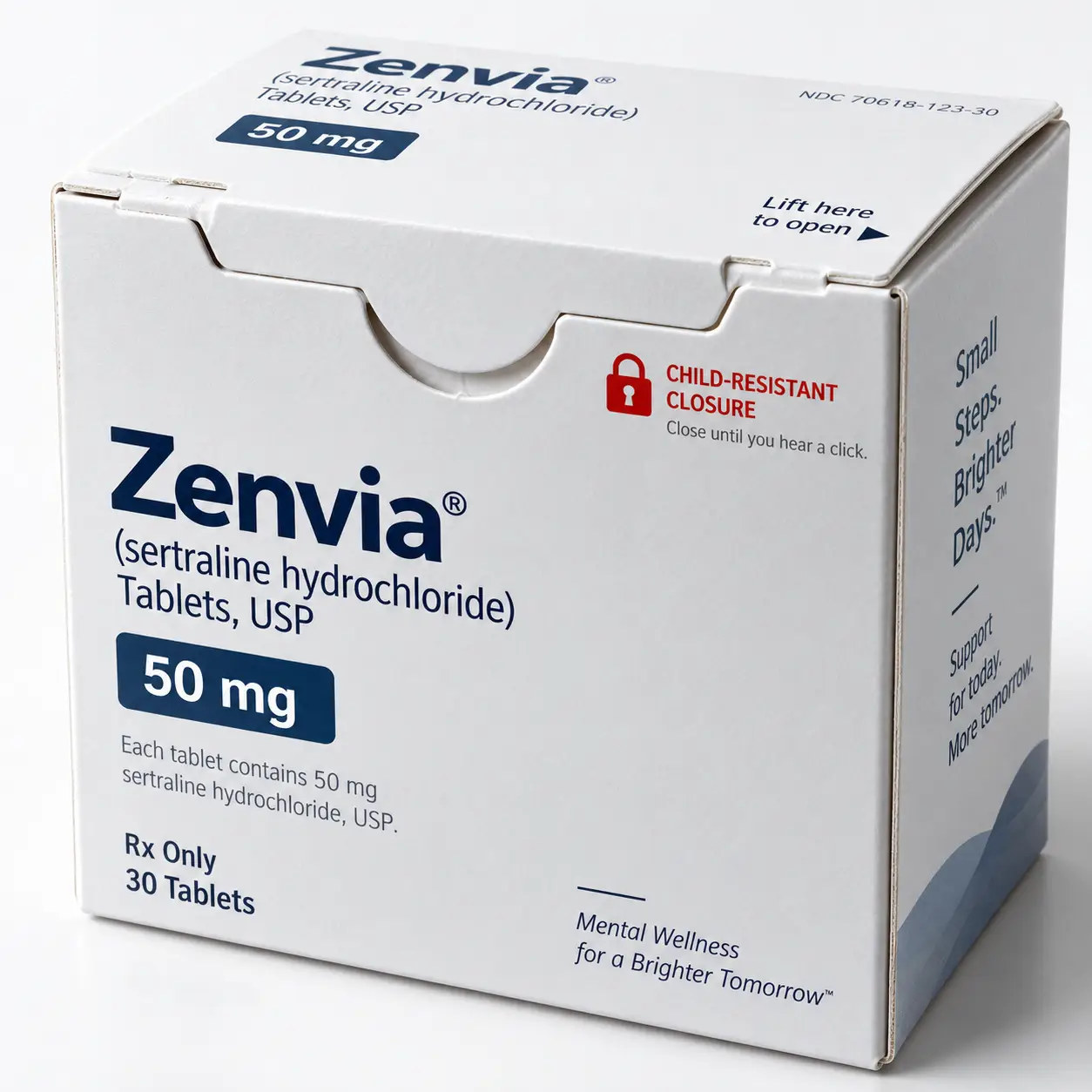
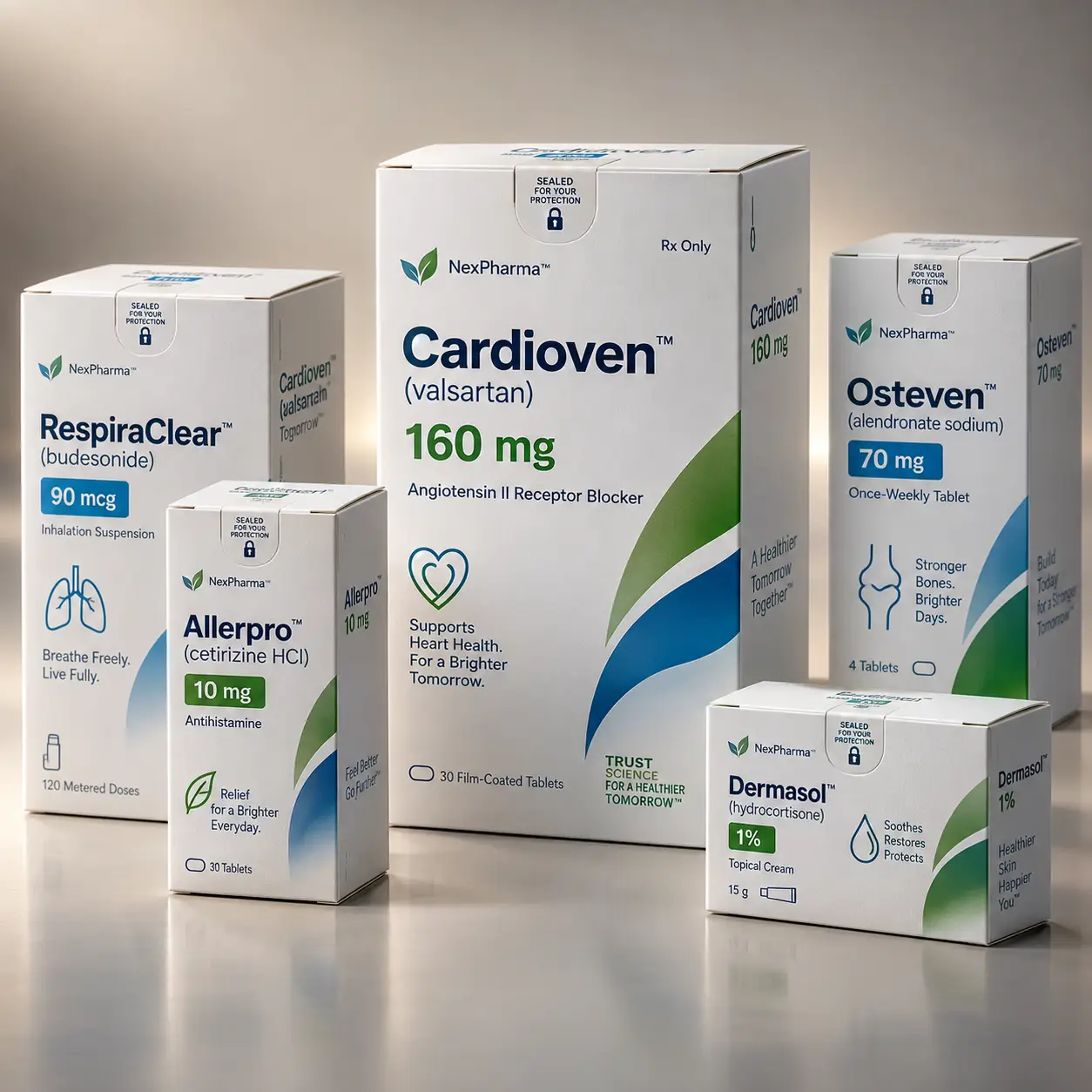
Different products call for different locking methods. These are the most common paperboard designs for medicines and supplements.
| Mechanism | How Adults Open It | Best For |
|---|---|---|
| Slide sleeve with lock tab | Press a tab while sliding the tray out | Blister cards and reclosable packs |
| Push-button release | Squeeze two points and lift the lid | Bottles and multi-use cartons |
| CR blister wallet | Peel or push through a reinforced card | Unit doses and prescription packs |
| Tear-resistant locking carton | Release a hidden latch or key tab | Single-use or limited-access products |
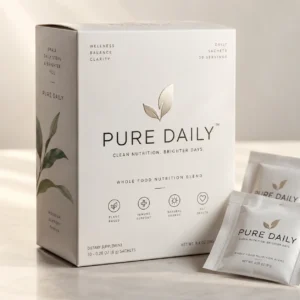
Under the federal protocol, a panel of young children tries to open the package, and a separate panel of adults aged 50 to 70 must be able to open and close it properly. Reclosable designs are often evaluated against ISO 8317, while non-reclosable blister formats are evaluated under EN 14375 for European markets. Flexible single doses can also be grouped inside CR outer cartons, as shown in our sachet and pouch cartons.
Prescription manufacturers use CR blister wallets and slide cartons for unit dosing and adherence packs. Over-the-counter brands package pain relievers and sleep aids in reclosable CR cartons. Supplement companies selling iron or other regulated ingredients choose child-resistant formats to protect families and meet retailer expectations.
Wellness brands with gummies and capsules, like those using our nutraceutical packaging, increasingly add CR features as a safety signal even when not strictly required. Avoid cartoon characters or candy-like artwork on any product that could attract children. Whether your product needs certified child resistance depends on its ingredients and market, so confirm requirements with a compliance adviser before production.
Tell us your product, dosage format, and quantity. We will recommend a locking mechanism, board, and insert, then send a digital proof within 24 hours. Request your quote today and launch child resistant pharma boxes that protect children without frustrating the adults who need them.
Start Your Quote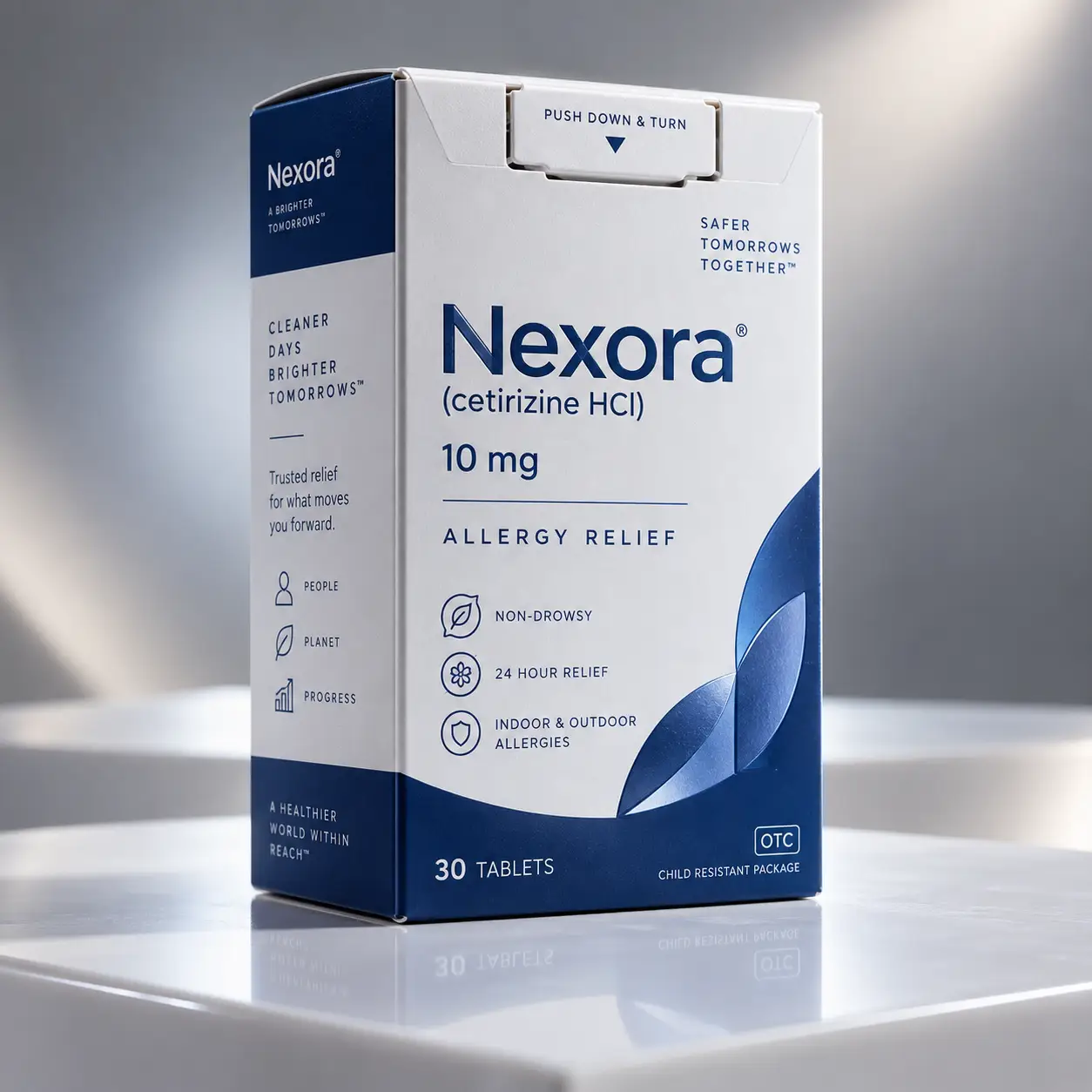
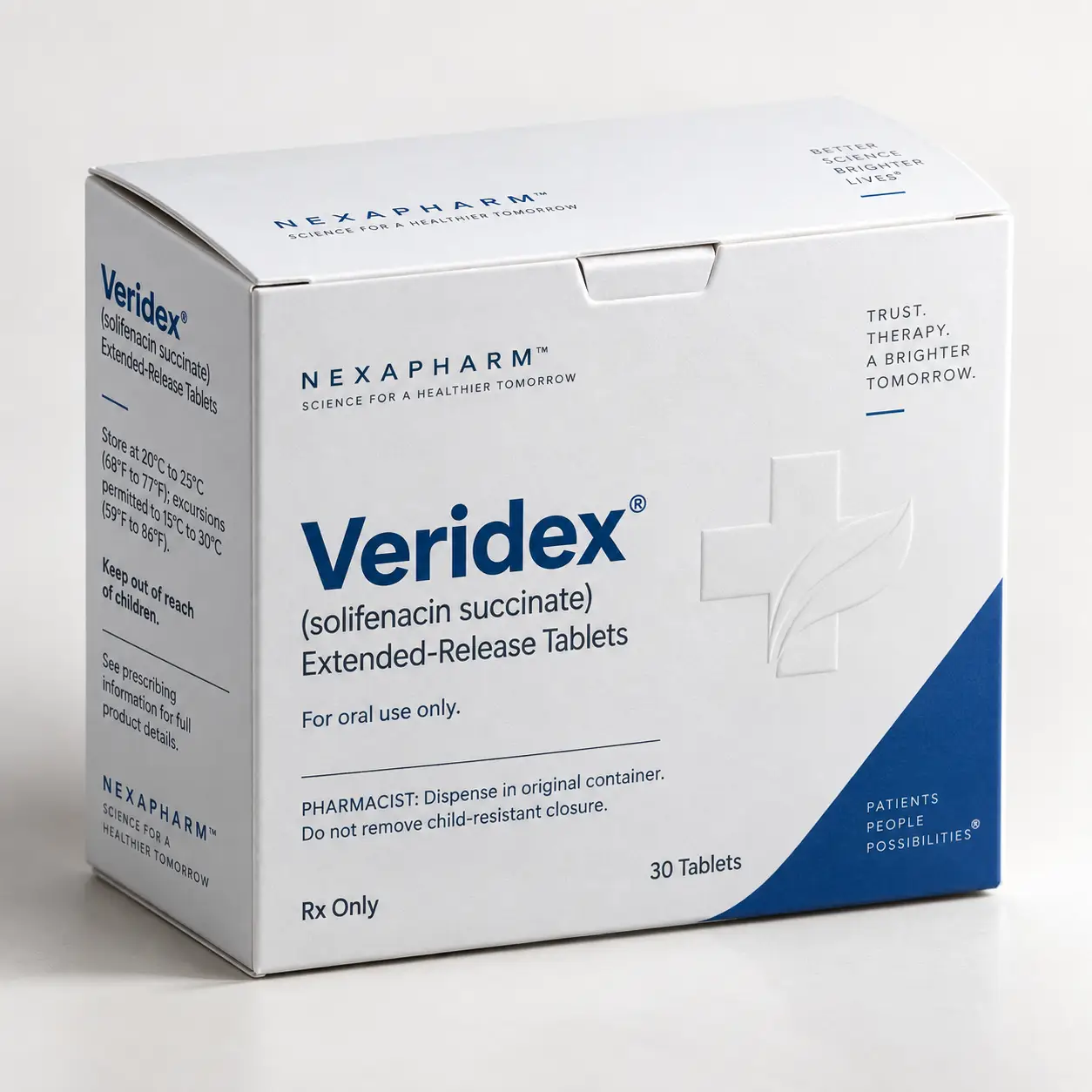
Plan for testing before you print thousands of cartons. We supply unprinted or printed prototypes for evaluation by an accredited laboratory, and we keep the structure consistent between samples and production. Clear opening instructions with simple icons, printed near the release point, help adults succeed on the first try.
Material choice affects both safety and sustainability. Tear-resistant paperboard can replace plastic clamshells for many blister products, cutting plastic use while keeping strength. Our eco-friendly pharma cartons explain recycled and FSC board options.
Every order of child resistant pharma boxes includes free design support, custom sizes, and quality checks on lock engagement, board strength, and print accuracy. Request a free sample from The Packaging Masters, try it with family members of different ages, and then send prototypes for formal testing. Building testing into your launch plan early avoids costly reprints later.
Child resistant pharma boxes are tested as complete packages by an independent laboratory. Under 16 CFR 1700, panels of young children try to open the package, and adults aged 50 to 70 must open and close it correctly. Results apply only to the tested configuration.
Senior-friendly packaging can be opened and reclosed by older adults without special tools or excessive force. It is part of the federal test protocol, so a design that defeats seniors fails even if it stops children. Clear icons printed near the release point help every user succeed quickly.
Yes. Braille can be embossed on flat panels kept well away from the locking mechanism, glue points, and folds. Our braille medicine cartons explain placement and dot height, so accessible text and child resistance work together on the same package without interfering.
It depends on the product and study protocol. Many take-home study medicines use CR blister wallets. Our clinical trial packaging explains kit formats, and your sponsor or regulatory team should confirm the exact packaging requirements for each study and participant group.
Liquids usually rely on CR caps on the bottle, with a standard carton outside. Our liquid medicine cartons explain bottle-friendly inserts. Some brands add a CR outer carton for extra protection, though the bottle closure remains the primary safety feature for liquids.
Yes. Several paperboard designs have passed child-resistance testing when built with tear-resistant board and well-engineered locks. Certification depends on the full package configuration, so we design the structure for testing and supply prototypes for independent laboratory evaluation well before full production begins.
Custom CR cartons start around $0.45 per unit at volume. Pricing depends on mechanism, size, board, inserts, printing, and quantity. Laboratory testing is usually a separate cost paid to the testing lab. We send detailed wholesale quotes within 24 hours, with lower pricing at volume.
Production usually takes about 15 to 20 business days after prototype approval, since locking structures need careful tooling. Testing time at the laboratory is separate and should be planned early. We confirm your full timeline in the quote, including delivery to your facility.
Instead of generic stock boxes, every project starts with your product, your goals, and your customer experience — so the packaging protects in transit and still feels premium in hand.
Built to your product, not pulled from a shelf of ready-made sizes.
Strong structures, neat edges, and finishes that actually sell.
Businesses and individuals can order — start with a small run and scale when you’re ready.
4–5 business days production after proof approval — you always know what’s next.
Copyright © 2026 thepackagingmasters.com All rights reserved.