
01
Finalize your design
Sizes, materials, finishes, and artwork are locked in. You review the proof carefully and approve when every detail matches your brief.
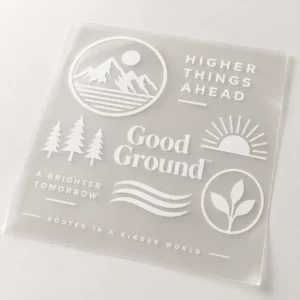
A decal should look painted on, not stuck on. Whether it is lettering on a truck door, a logo on a storefront, or a number on a boat hull, custom decals leave only your design on the surface, with no visible background, border, or bulky edge to catch dirt or peel.
The Packaging Masters produces cut vinyl and printed decals with transfer tape for clean, aligned application. They work alongside our vinyl lettering and full color transfer stickers for vehicles, windows, walls, and equipment.
What Makes Us Different?




From approval to doorstep — handled end to end.
Every order runs through four specialist teams — structural design, print, finishing, and dispatch — so your packaging keeps moving without bottlenecks, delays, or guesswork.
Sizes, materials, finishes, and artwork are locked in. You review the proof carefully and approve when every detail matches your brief.
Your job moves to print, cutting, lamination, and finishing. Our production team monitors color, registration, and structural accuracy.
Finished boxes are checked against the approved sample, counted, and securely packed to protect edges and print during transit.
Dispatch shares tracking details so your team can plan filling and launch dates. Your packaging arrives press-ready and production-ready.
Decals fail most often during installation, not in the weather. Without transfer tape, individual letters must be placed one by one, so lines end up crooked and spacing uneven. Thin script fonts and tiny details tear when the backing is removed. Applying decals to dirty, waxed, or cold surfaces traps air and leaves edges that lift within weeks.
Professionally made custom decals avoid these problems. Excess vinyl is weeded away by hand, including small enclosed pieces like the centers of letters, and a clear transfer tape holds every element in position. You line the decal up, press it down, and peel the tape away, leaving crisp lettering exactly where you placed it. For glass, our window stickers explain inside and outside placement.
We review your artwork for minimum letter height and line thickness, simplify details that would tear, and include clear application instructions. If you are decorating vehicles, we recommend testing placement with tape first, since door handles, seams, and trim can interrupt longer lines of lettering.
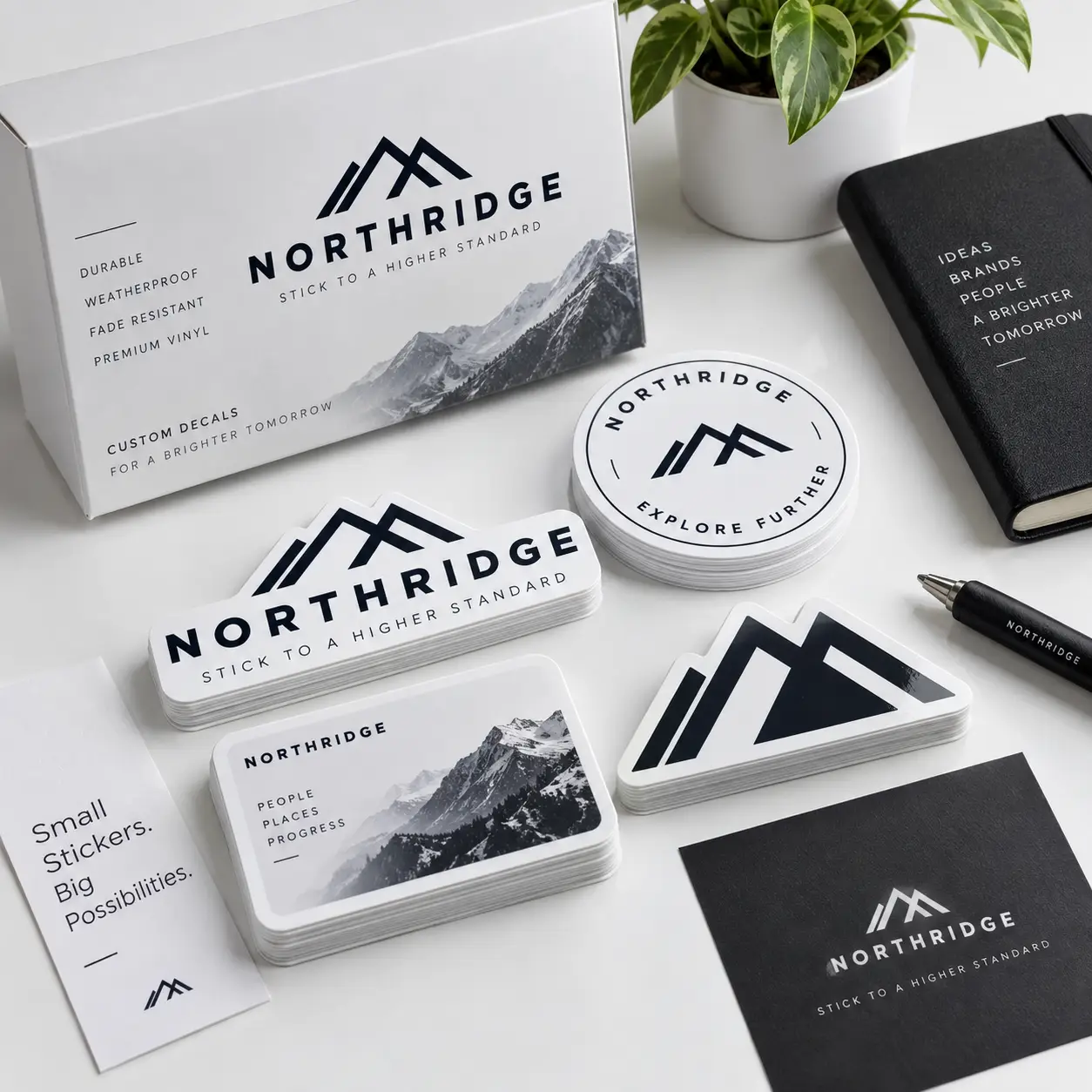
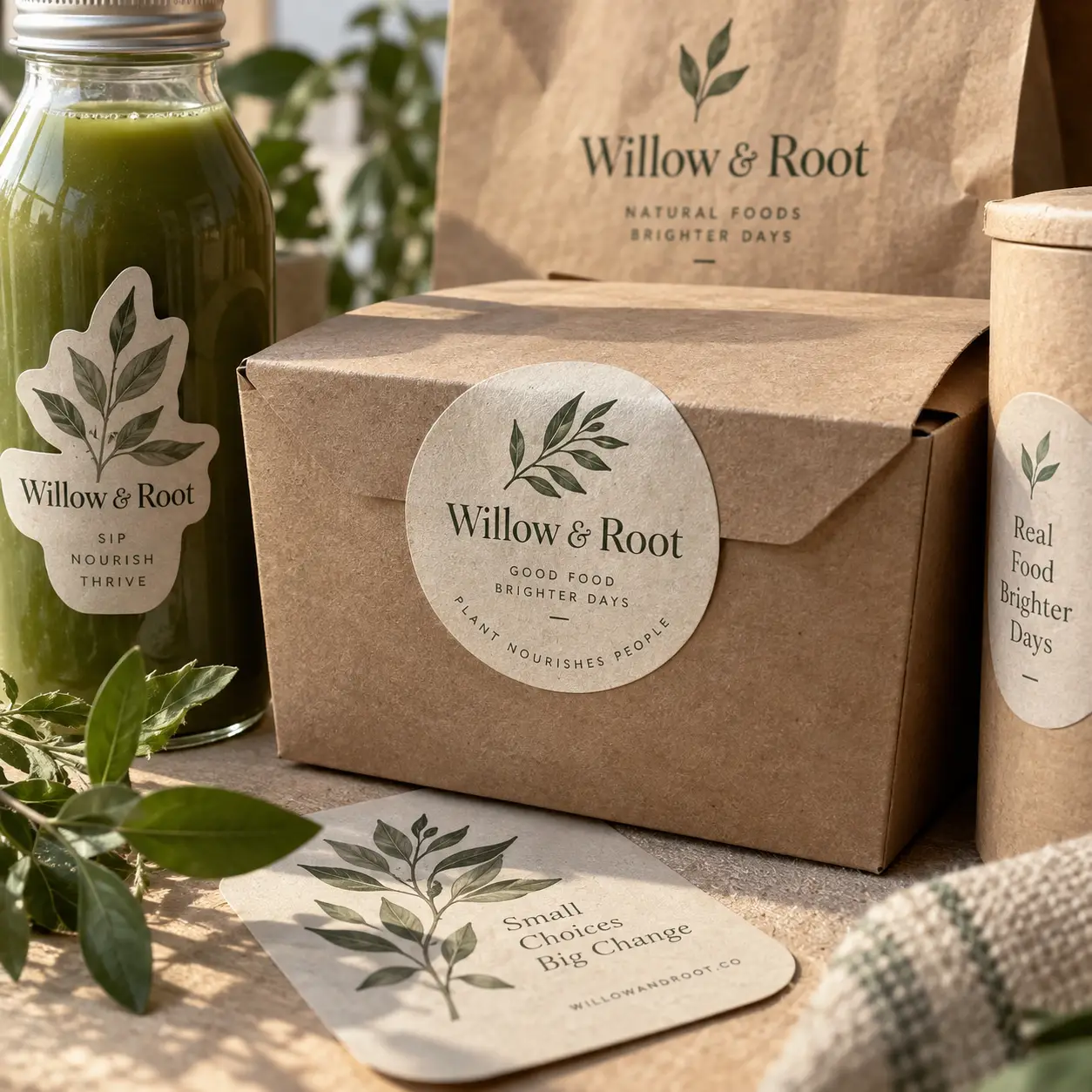
The word decal covers several products, so choosing the right one depends on your design and surface.
| Decal Type | How It Is Made | Best For |
|---|---|---|
| Cut vinyl decal | Solid color film cut and weeded | Lettering, simple logos, vehicle numbers |
| Printed transfer decal | Full color print cut to shape | Detailed logos and gradients |
| Reflective decal | Retroreflective film | Fleet safety and night visibility |
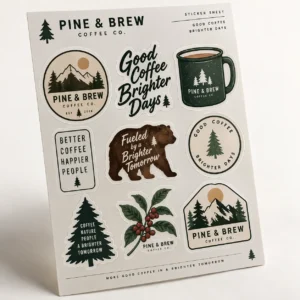
| Die cut sticker | Printed with visible background | Giveaways and laptops |
Cut vinyl is ideal for one or two color designs because the film color goes all the way through, so it never fades unevenly. Work trucks, trailers, and emergency vehicles often need reflective decals that shine in headlights. When a design has photos or many colors, printed vinyl stickers may be the simpler choice. Most custom decals for vehicles are made from calendered or cast films, and cast film conforms better to curves and rivets.
Contractors, delivery companies, and service fleets use decals for company names, phone numbers, and required identification such as USDOT numbers on commercial trucks. Retailers and restaurants place hours, logos, and promotions on glass doors and windows. Boat owners add hull names and registration numbers, while offices use frosted and colored decals on conference room glass and lobby walls. Schools and sports teams decorate helmets, lockers, and team vehicles.
Vehicle markings can be regulated, so confirm the size, placement, and wording requirements with your state agency or compliance adviser before ordering. For trucks, trailers, and outdoor equipment, our weatherproof labels explain how films and adhesives hold up against road spray and temperature swings. Custom decals in this setting should last as long as the vehicle stays in service.
Tell us your design, surface, size, colors, and quantity. We will recommend vinyl type, check letter sizes, and send a digital proof within 24 hours. Start your quote today and get decals that install cleanly and look professionally painted.
Start Your Quote
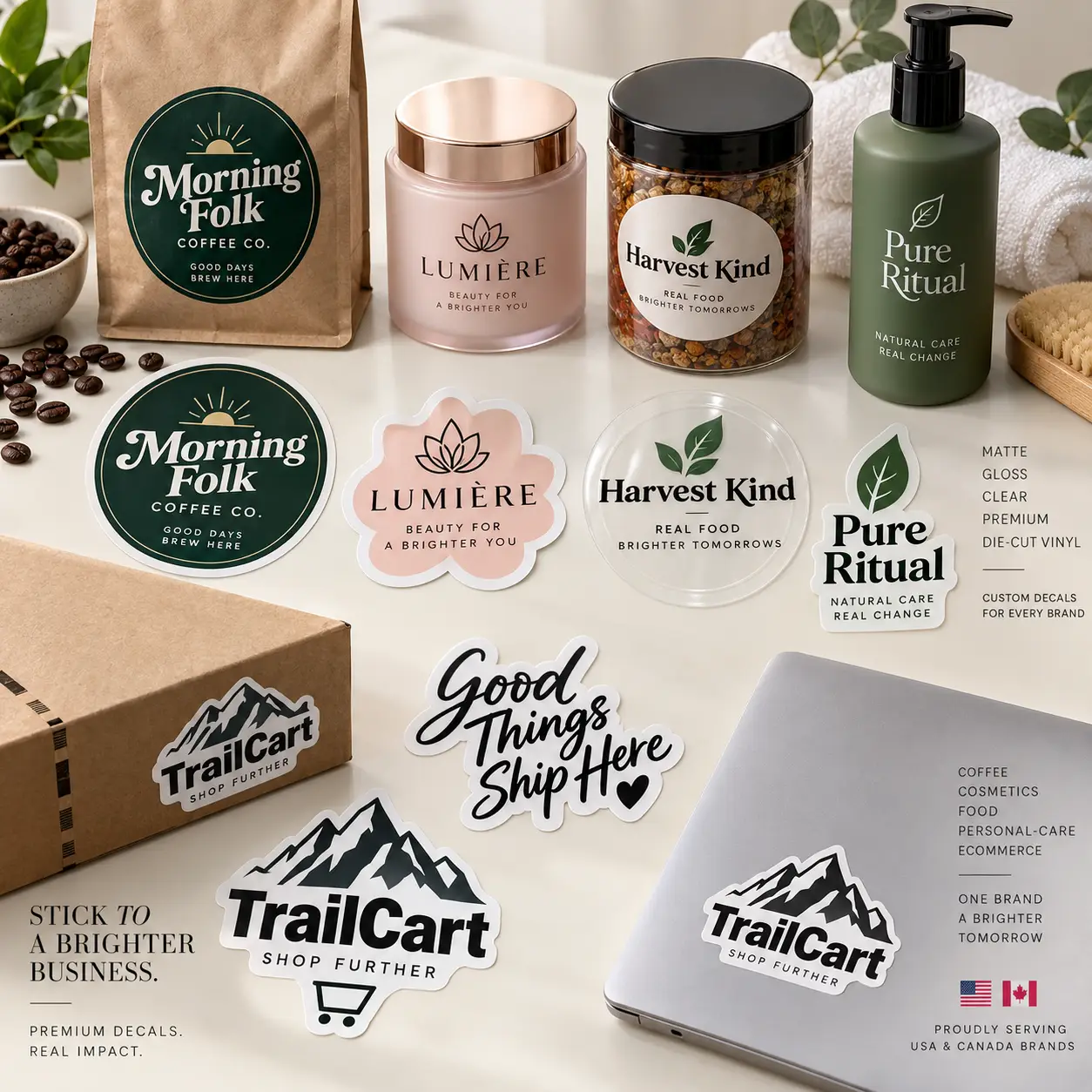
Intermediate calendered vinyl around three mils thick is the workhorse for flat surfaces such as windows, signs, and doors, and it typically lasts several years outdoors. Premium cast vinyl is thinner, more stable, and conforms to curves, rivets, and corrugations, which makes it the better choice for vehicles and boats. Matte, gloss, metallic, and specialty colors let you match brand guidelines closely.
Transfer tape comes in clear and paper versions. Clear tape lets you see alignment marks, while paper tape releases easily from textured surfaces. Removal is simple with gentle heat from a hair dryer, and any remaining adhesive cleans away with rubbing alcohol. For short-term promotions, our removable labels peel off even more easily.
Every order of custom decals includes free artwork review, custom sizes, hand weeding, and application instructions. Request a free sample from The Packaging Masters and test the film and transfer tape on your actual surface before approving production.
A sticker is printed on a backing material that stays visible after application. A decal leaves only the design on the surface, usually using transfer tape for installation. Decals look painted on, while stickers are better for detailed, multi-color artwork and giveaways that people handle frequently.
Intermediate calendered vinyl usually lasts several years outdoors, while premium cast vinyl lasts longer and resists shrinking. Actual lifespan depends on sun exposure, climate, and cleaning methods. Hand washing and avoiding pressure washers near edges help decals stay attached and colorful for longer.
Often, yes. Printed bumper stickers cost less than cut lettering for short messages and colorful designs. Our bumper stickers explain sizes and removable adhesives, while decals remain the better choice for permanent business lettering and logos on vehicle doors and tailgates.
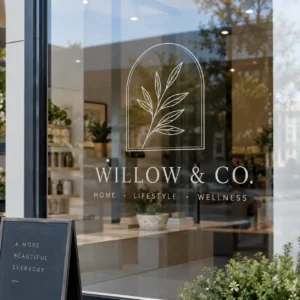
Yes. Reverse cut decals and front adhesive films apply inside the glass and read from outside, protecting the graphic from weather. Our front adhesive stickers explain this option for storefronts, car windows, and parking permits that should stay safe from scraping.
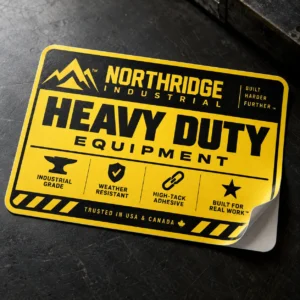
Equipment exposed to oils, chemicals, and abrasion needs durable films and strong adhesives. Our heavy duty labels explain tougher constructions for tools, generators, and machinery. Tell us about temperatures, cleaners, and surface type so we can recommend the right film.
Very small or thin letters can tear during weeding and installation. As a guide, keep letter height at least a quarter inch and avoid hairline strokes. Bolder fonts cut and apply more reliably. We review your artwork and suggest adjustments before cutting if needed.
Pricing depends on size, number of colors, vinyl type, and quantity. Small single color decals start around $0.45 per unit in larger runs, while large vehicle lettering and multi-color decals cost more. Request a quote with your design and measurements for accurate pricing on your project.
Most decal orders ship in about 5 to 8 business days after proof approval. Rush production is available for fleet launches and store openings. Designs with many small pieces need extra weeding time, so share your deadline early and we will confirm a schedule.
Instead of generic stock boxes, every project starts with your product, your goals, and your customer experience — so the packaging protects in transit and still feels premium in hand.
Built to your product, not pulled from a shelf of ready-made sizes.
Strong structures, neat edges, and finishes that actually sell.
Businesses and individuals can order — start with a small run and scale when you’re ready.
4–5 business days production after proof approval — you always know what’s next.
Copyright © 2026 thepackagingmasters.com All rights reserved.