
01
Finalize your design
Sizes, materials, finishes, and artwork are locked in. You review the proof carefully and approve when every detail matches your brief.
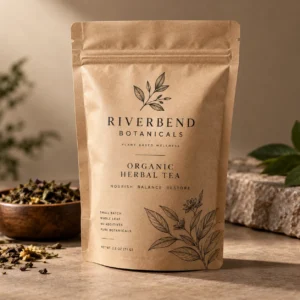
The value of a dried herb lives in its aroma. Basil, chamomile, lavender, and mint all carry volatile oils that fade quickly when exposed to air, light, and humidity. Herb mylar bags lock those oils in, so the scent that greets customers on opening matches the quality you harvested.
The Packaging Masters builds herb pouches sized for light, bulky leaves, with barrier film that protects color and flavor. They suit culinary blends and ground seasonings as well as products needing strong aroma and odor containment.
What Makes Us Different?
From approval to doorstep — handled end to end.
Every order runs through four specialist teams — structural design, print, finishing, and dispatch — so your packaging keeps moving without bottlenecks, delays, or guesswork.
Sizes, materials, finishes, and artwork are locked in. You review the proof carefully and approve when every detail matches your brief.
Your job moves to print, cutting, lamination, and finishing. Our production team monitors color, registration, and structural accuracy.
Finished boxes are checked against the approved sample, counted, and securely packed to protect edges and print during transit.
Dispatch shares tracking details so your team can plan filling and launch dates. Your packaging arrives press-ready and production-ready.
Dried herbs are fragile. Their flavor and scent come from essential oils and terpenes that evaporate or oxidize when packaging lets air in. Light breaks down chlorophyll, turning bright green leaves dull and brown. Humidity can make herbs clump, lose their crispness, and in the worst cases develop mold. Thin plastic bags and paper sacks offer little defense against any of these.
The problem often goes unnoticed until a customer opens the bag. If the first scent is faint or musty, the impression of quality is gone, no matter how carefully the herbs were grown and dried.
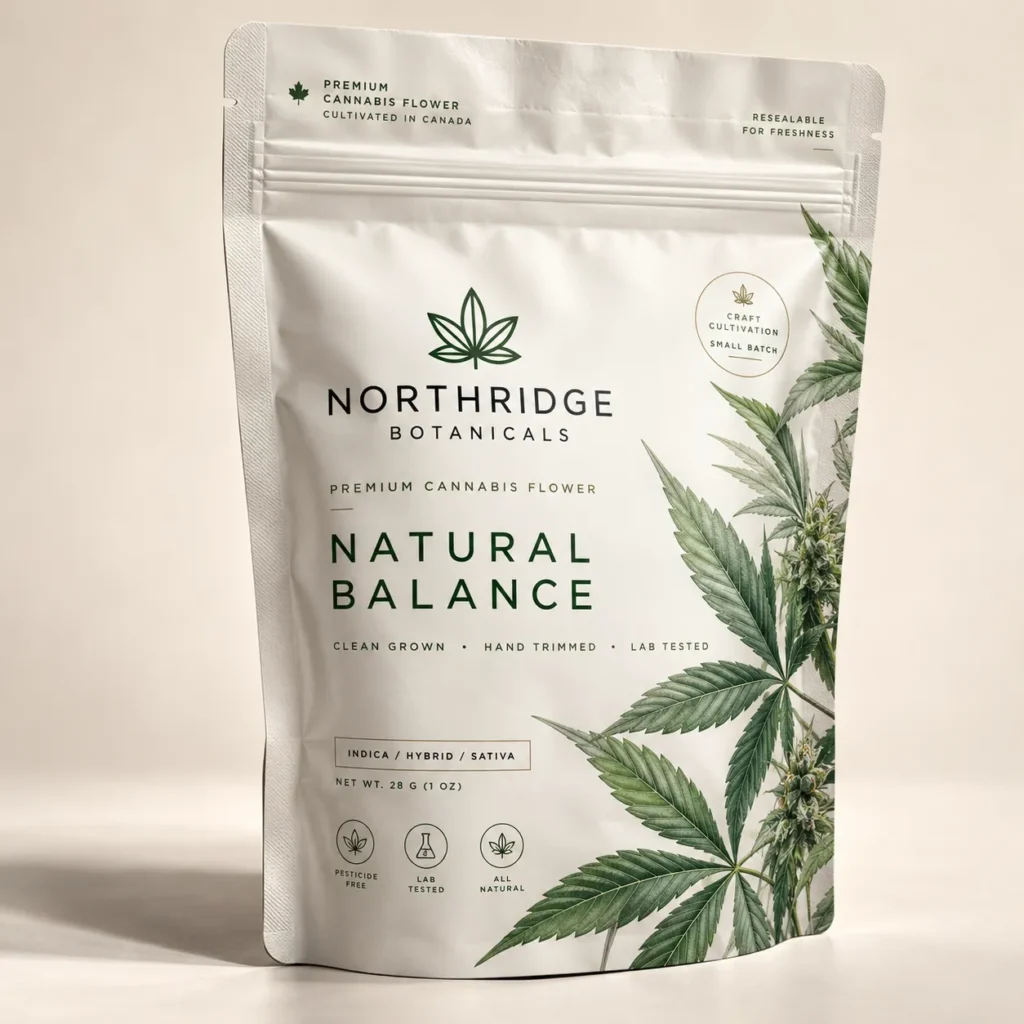
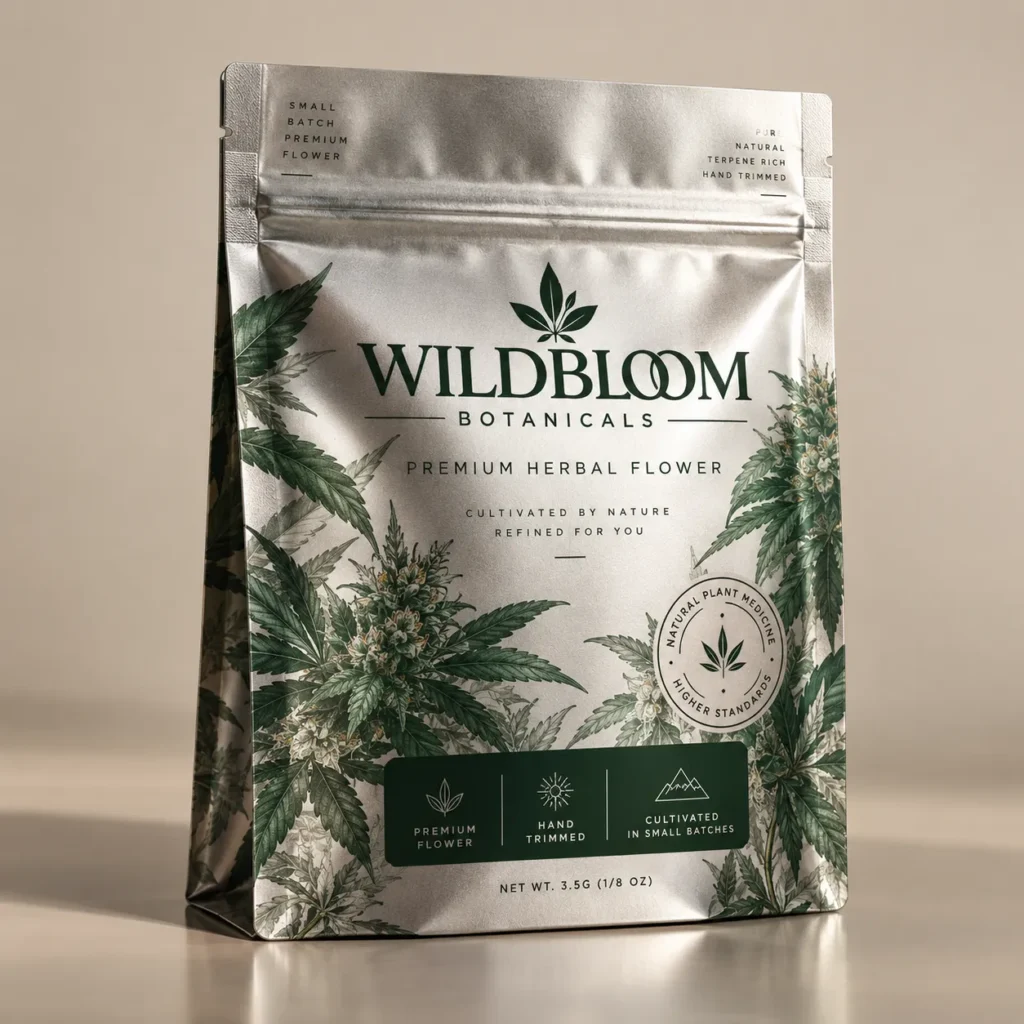
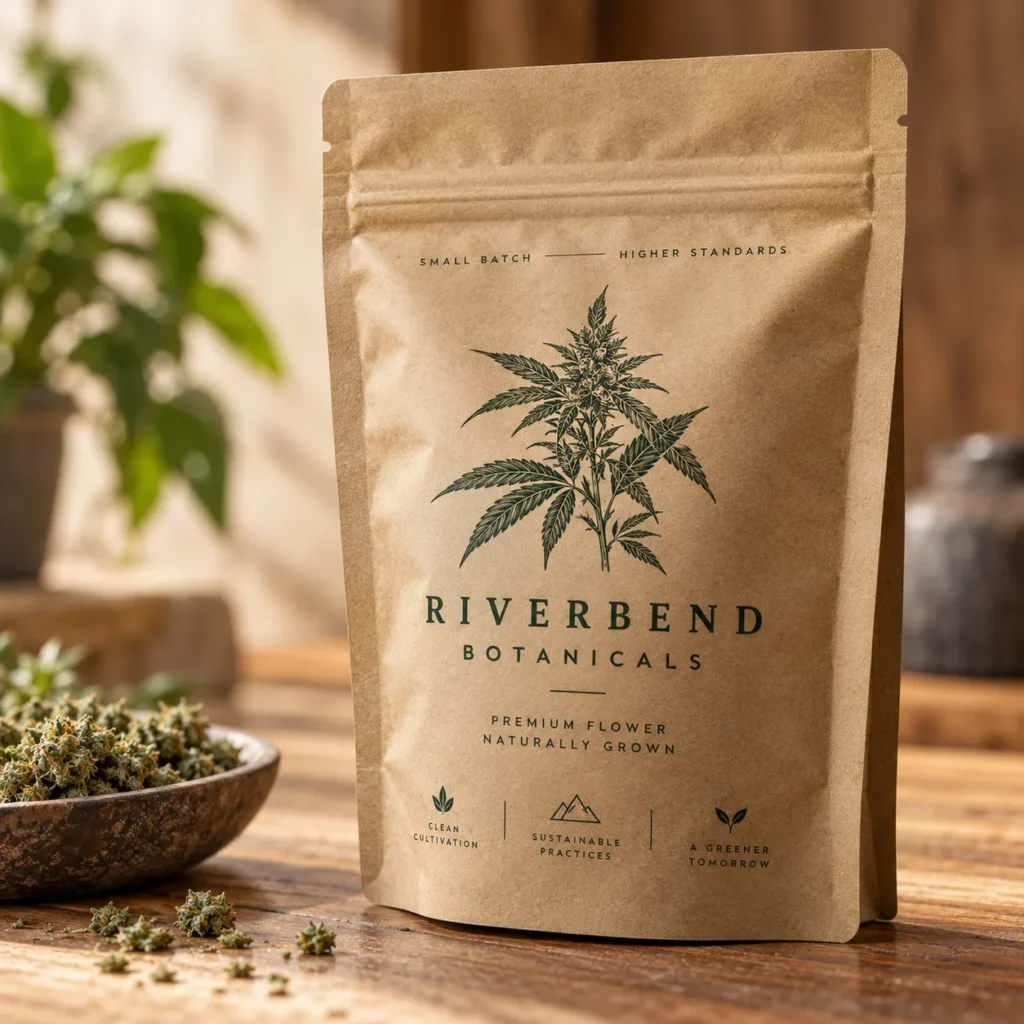
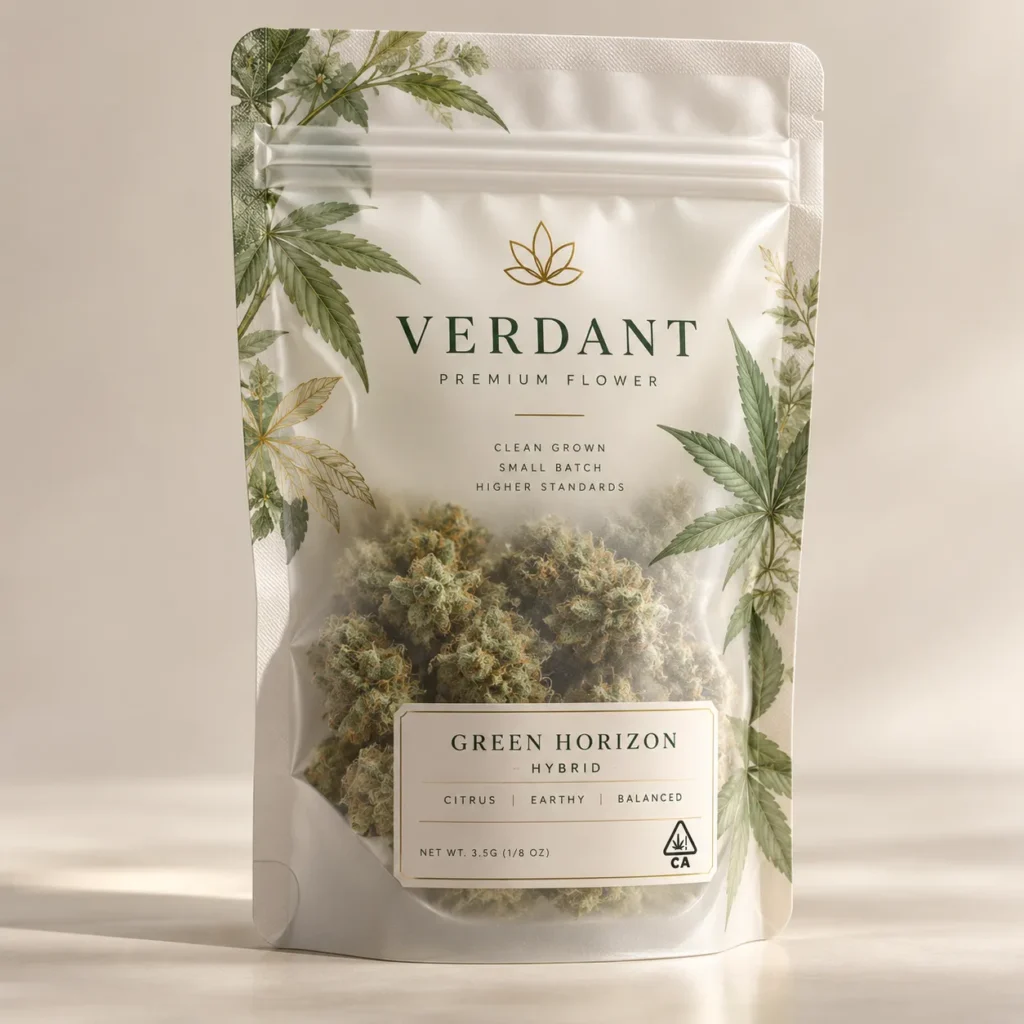
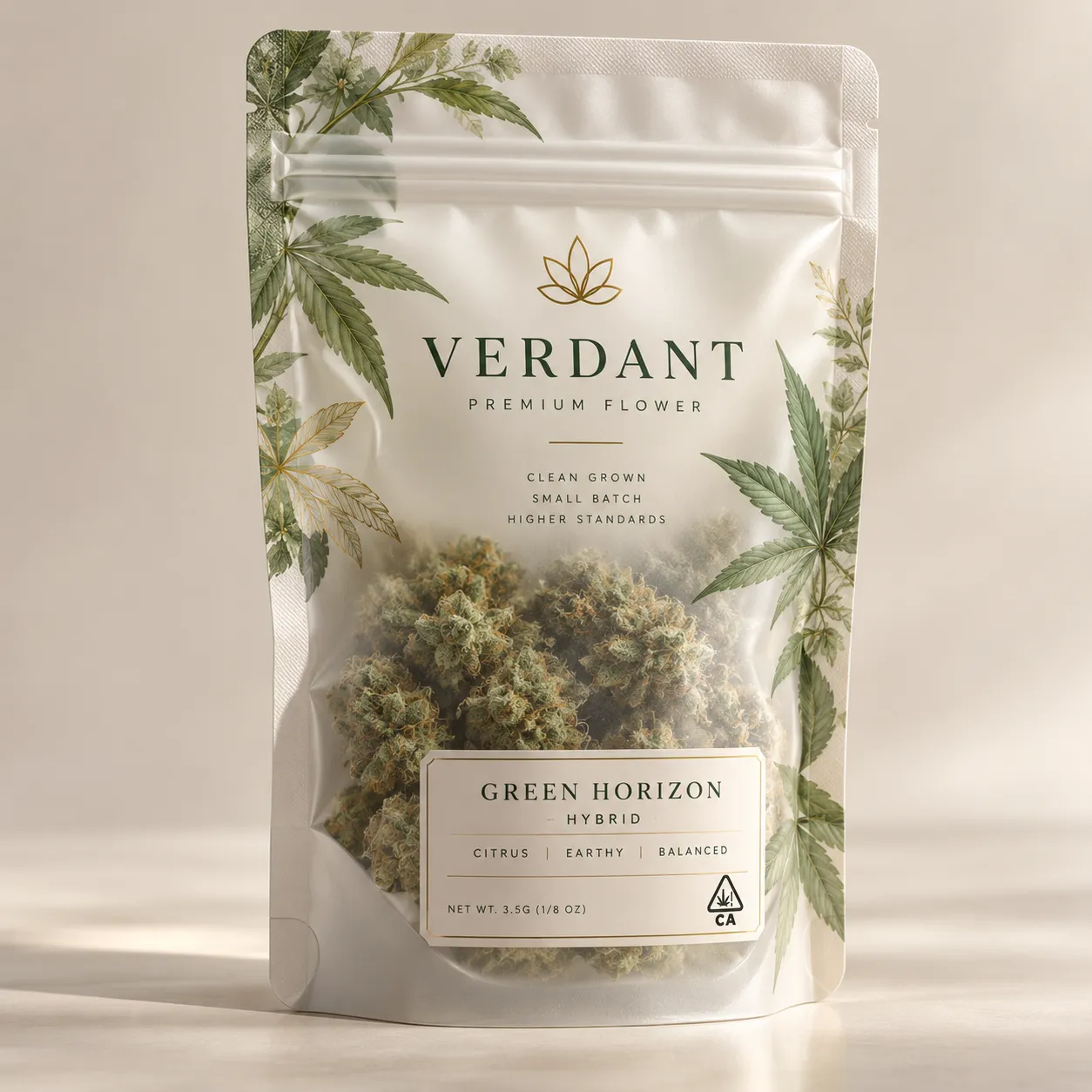
Purpose-built herb mylar bags solve this with layered barrier film that blocks oxygen, moisture, and light, plus a full heat seal and a reliable zipper. For brands that want a natural look, a kraft paper exterior can be laminated over the barrier, as shown in our kraft mylar bags. If you want shoppers to see the leaves, a small window can be added, and our window mylar bags explain why it should be placed carefully to limit light exposure.
Herbs are sold by weight but fill bags by volume. An ounce of dense ground spice fits in a small pouch, while an ounce of dried chamomile flowers or loose mint leaves may need a pouch two or three times larger. Sizing by weight alone leads to overstuffed bags with crushed leaves or zippers that will not close.
We size each pouch with a fill test using your actual product. A bottom gusset adds volume without making the bag taller, which is why many herb brands choose upright pouches, as explained in our stand up mylar bags. Leave a little headspace so the zipper closes cleanly without pressing on delicate leaves.
Humidity control matters too. Two-way humidity packs help keep delicate flowers and leaves at a stable moisture level, while desiccant sachets suit fully dried culinary herbs. The Packaging Masters can size pouches with room for these inserts so they do not crowd the product or block the seal area.
Herb packaging serves a wide range of businesses. Tea blenders use barrier pouches for loose chamomile, peppermint, and hibiscus. Culinary brands pack dried basil, oregano, rosemary, and specialty blends. Apothecaries and wellness shops sell lavender, calendula, and other botanicals for teas, bath products, and crafts. Farmers market growers use small pouches for their own dried harvests.
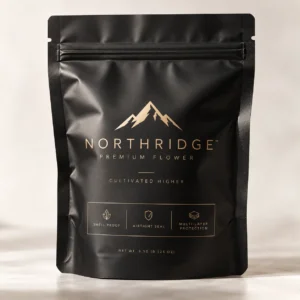
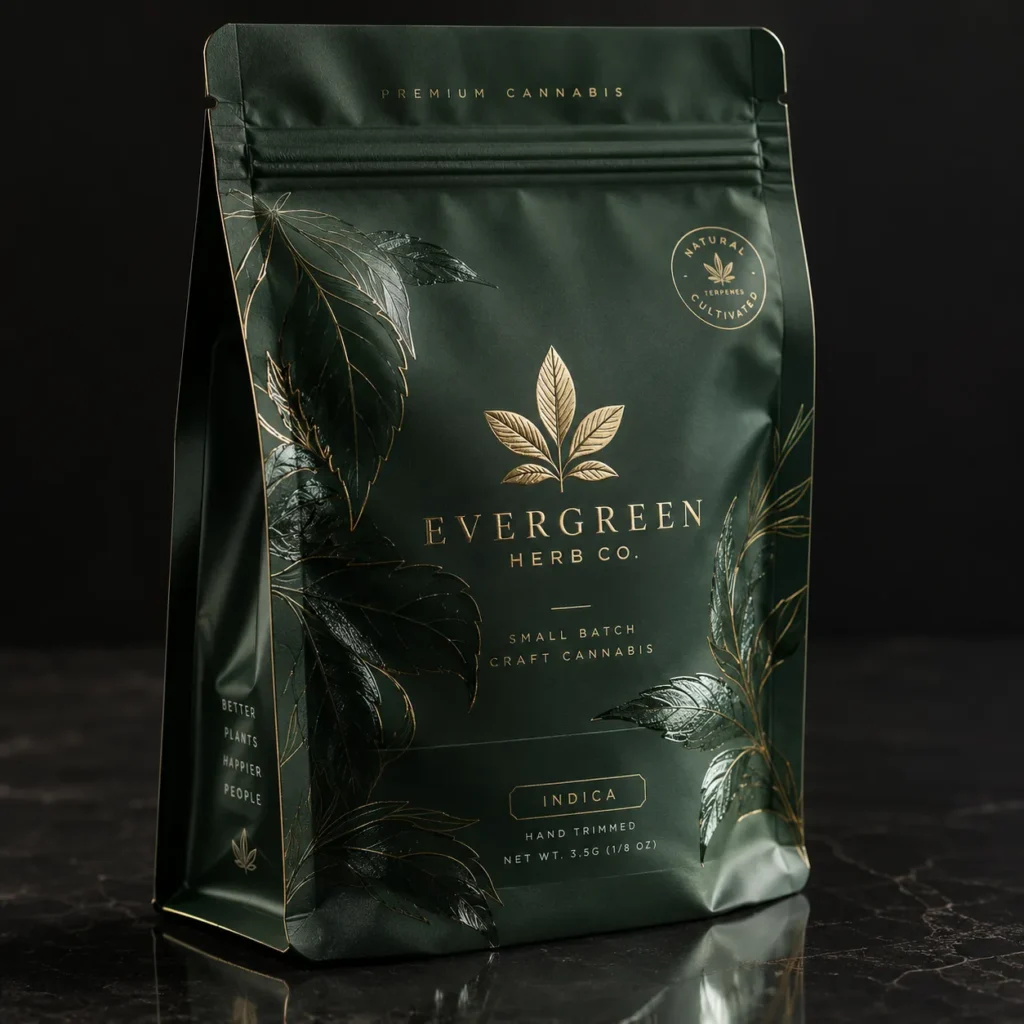
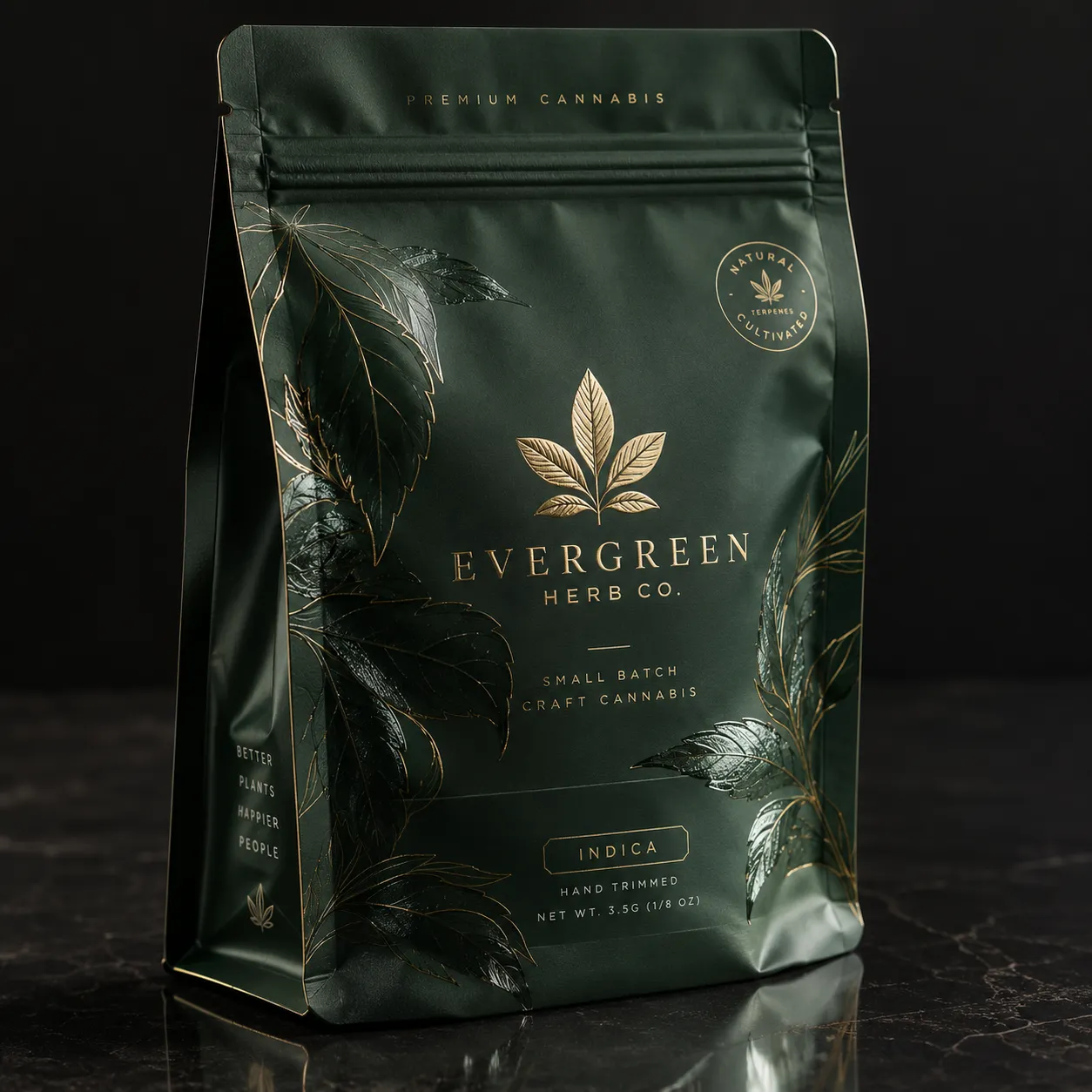
Licensed cannabis producers face similar aroma challenges, plus state rules on opacity, labeling, and child-resistant closures. Our cannabis mylar bags cover these regulated formats, and our half ounce mylar bags explain sizing for mid-size flower packs. Always confirm requirements with your compliance adviser before printing.
Labels should show the herb name, net weight, origin, packed date, and use instructions. Tell us your product, fill weight, and quantity, and we will send a digital proof within 24 hours. Request your quote today and pack your harvest in herb mylar bags that keep every leaf fragrant.
Start Your Quote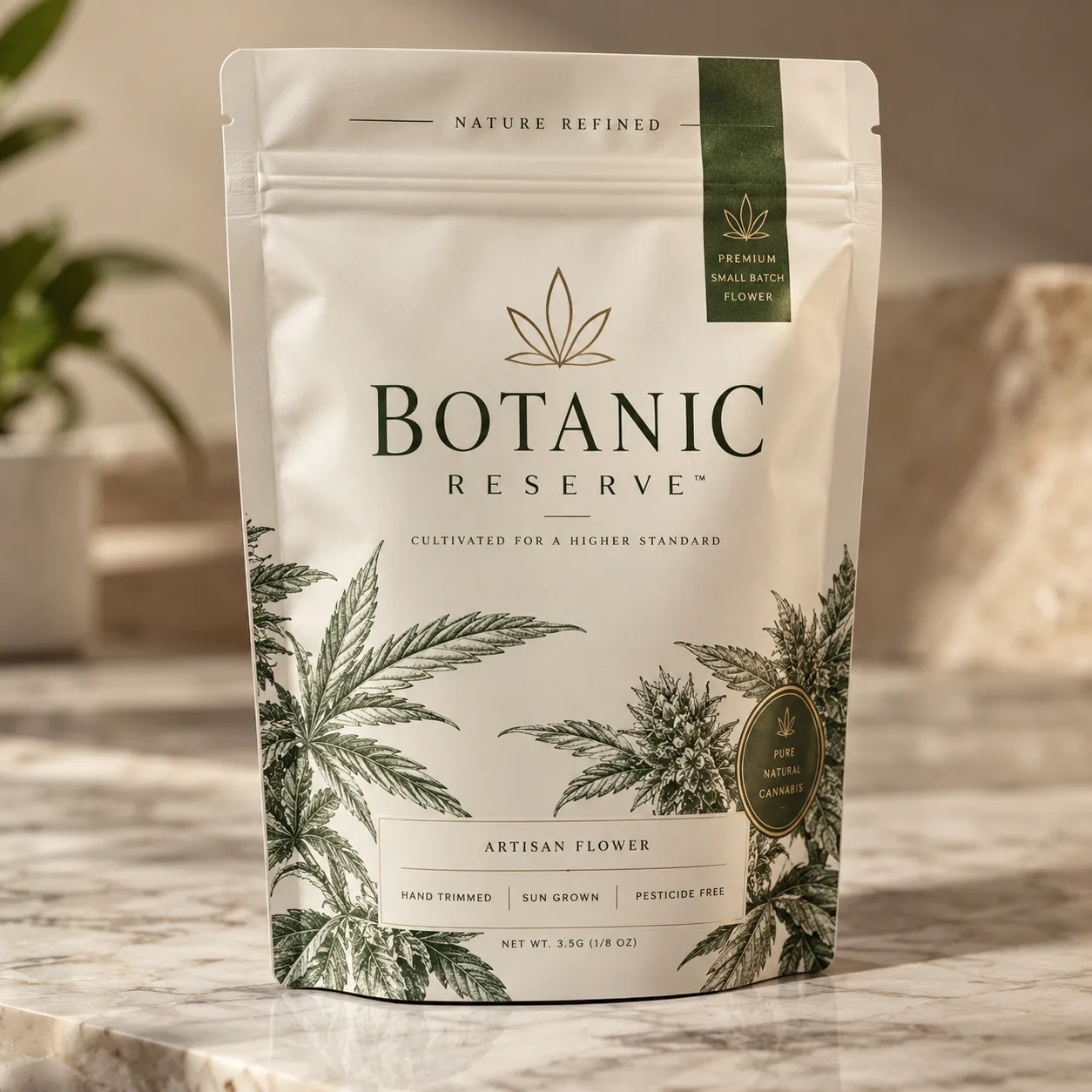
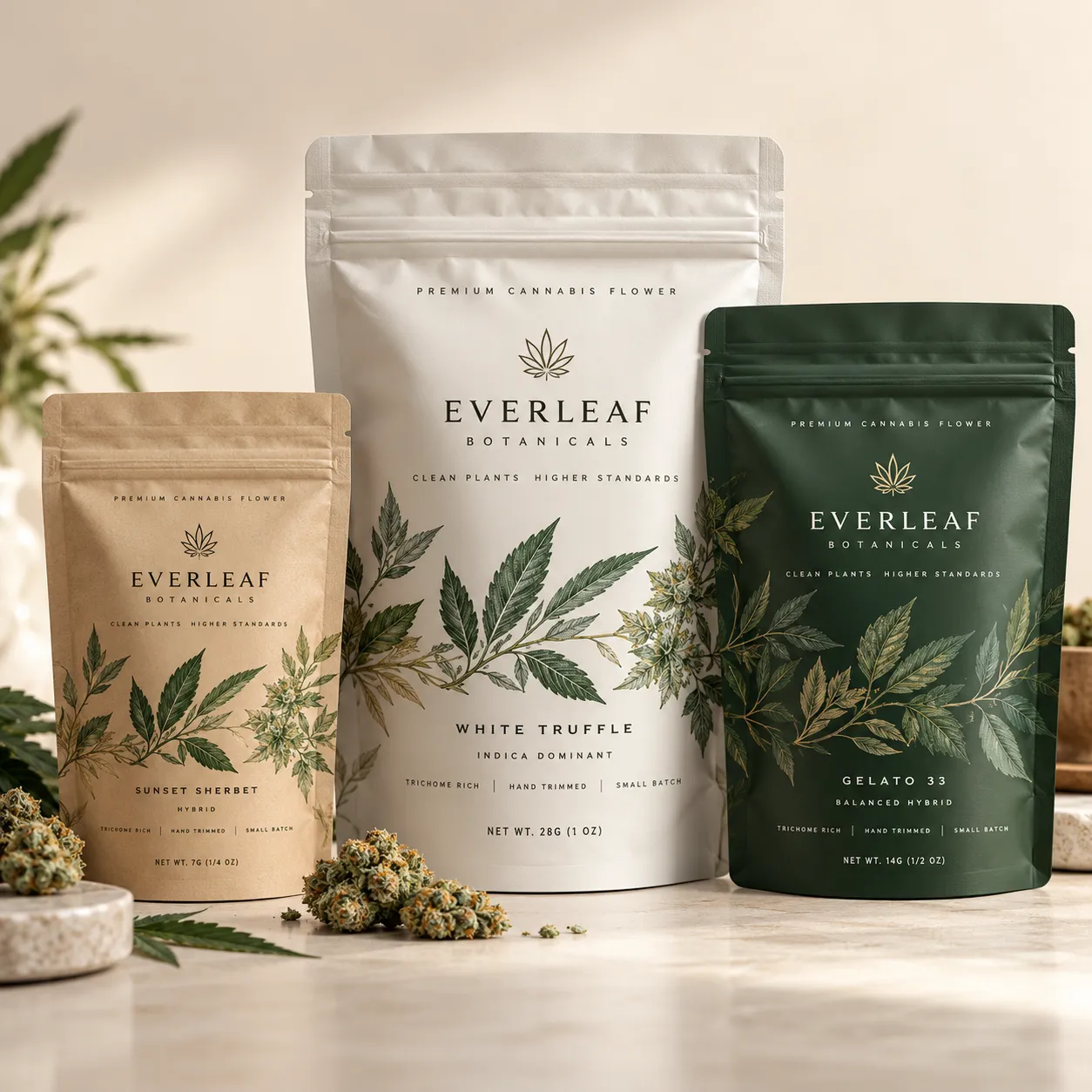
Herb brands often sell on nature, craft, and purity, so artwork plays a big role. Botanical illustrations, earthy colors, and matte finishes create a calm, handmade feel. Spot gloss on the herb name adds subtle contrast without looking loud. Digital printing lets you produce many herb varieties in one order, with a shared design and a different color band for each blend.
The back panel needs space for ingredients, allergen notes, brewing or cooking directions, and storage guidance such as keeping the pouch closed and away from heat and light. Our designers help organize this information so it stays readable on small pouches.
Every order of herb mylar bags includes free design support, custom sizes, and quality checks on barrier film, seal strength, zipper function, and print accuracy. Request a free sample from The Packaging Masters, fill it with your herbs, and compare the aroma after a few weeks against your current packaging.
Herb mylar bags package dried culinary herbs, tea blends, botanicals, and other aromatic plants. Their multi-layer barrier film blocks oxygen, moisture, and light, which helps protect aroma, color, and flavor. Resealable zippers keep herbs fresh between uses after the first opening.
Custom herb pouches start around $0.12 per unit at volume. Pricing depends on size, gusset, film structure, finishes, and quantity. Digital printing suits brands with many herb varieties in one order. We provide detailed wholesale quotes within 24 hours, with lower pricing at larger quantities.
It depends on density, since leafy and flowery herbs need much more space than ground spices. Our 1 ounce mylar bags explain common starting sizes, and we confirm the right dimensions with a fill test using your actual herbs before production begins.
For long-term storage of fully dried culinary herbs, oxygen absorbers help preserve flavor. For herbs sold for regular use, a full seal and zipper are usually enough. Two-way humidity packs suit delicate flowers that should not dry out completely. We can size pouches for inserts.
Yes. Wholesale growers and tea suppliers often pack pound or kilo quantities. Our large mylar bags explain thicker films, deeper gussets, and stronger zippers designed for heavy, bulky fills and repeated opening in kitchens, cafes, and shops. Bulk pouches can match your retail designs too.
A durable press-to-close zipper works well for herbs opened often. Our resealable mylar bags compare zipper styles, and a tear notch above the zipper gives customers an easy first opening. Child-resistant zippers are available where state rules require them, with documentation on request.
Dried herbs stay fresh far longer in sealed barrier pouches than in thin plastic or paper. Actual shelf life depends on the herb, its moisture level, and storage conditions. Keep pouches closed, cool, and away from direct light for the best results over time.
Digitally printed herb pouches usually ship in about 10 to 15 business days after proof approval. Rotogravure and specialty finishes may take longer. Rush options are available, and we confirm your timeline in the quote, including shipping to your farm, shop, or warehouse.
Instead of generic stock boxes, every project starts with your product, your goals, and your customer experience — so the packaging protects in transit and still feels premium in hand.
Built to your product, not pulled from a shelf of ready-made sizes.
Strong structures, neat edges, and finishes that actually sell.
Businesses and individuals can order — start with a small run and scale when you’re ready.
4–5 business days production after proof approval — you always know what’s next.
Copyright © 2026 thepackagingmasters.com All rights reserved.